We’ve never been healthier or more mindful. No wonder we’re all so miserable
The CEO of the Dutch brewer Heineken has drawn a wobbly line between how lonely we are and how much less we drink beer. Cynics might raise an eyebrow, but he has a point, says Jack Burke


Drinking is older than writing. The Sumerians brewed beer long before they built cities. For millennia, alcohol has been woven through religion, ritual and friendship – a shared act of trust and surrender. It’s what marks the end of the working day, the start of the evening, and the loosening of the shoulders. A drink is never just a drink: it’s a social signal. It says, “I’m off duty now; I trust you enough to let my guard down.”
The CEO of drinks giant Heineken, a man called Dolf van den Brink, agrees. Van den Brink told the FT last weekend that beer’s role in bringing people together was “important to make part of the public debate” in this “time of loneliness and a mental health epidemic”. Cynics might note that’s exactly the sort of thing CEOs of Dutch brewers say when they’ve been told that fewer people are drinking beer than they used to, but I’m sure he stands by his point.
The younger generation has turned away from alcohol in record numbers. Nearly half of 18-24-year-olds now choose no- or low-alcohol drinks, double the figure from 2018. This is often presented as progress – a victory for wellness and mindfulness – but I wonder if it’s also a symptom of something sadder. The rise of sobriety has coincided almost perfectly with the rise of loneliness.
They – we – sit in a sober, sugary haze, absorbing humanity and connection through a screen. The digital detox generation might be physically healthier, but emotionally, they’re running on empty.
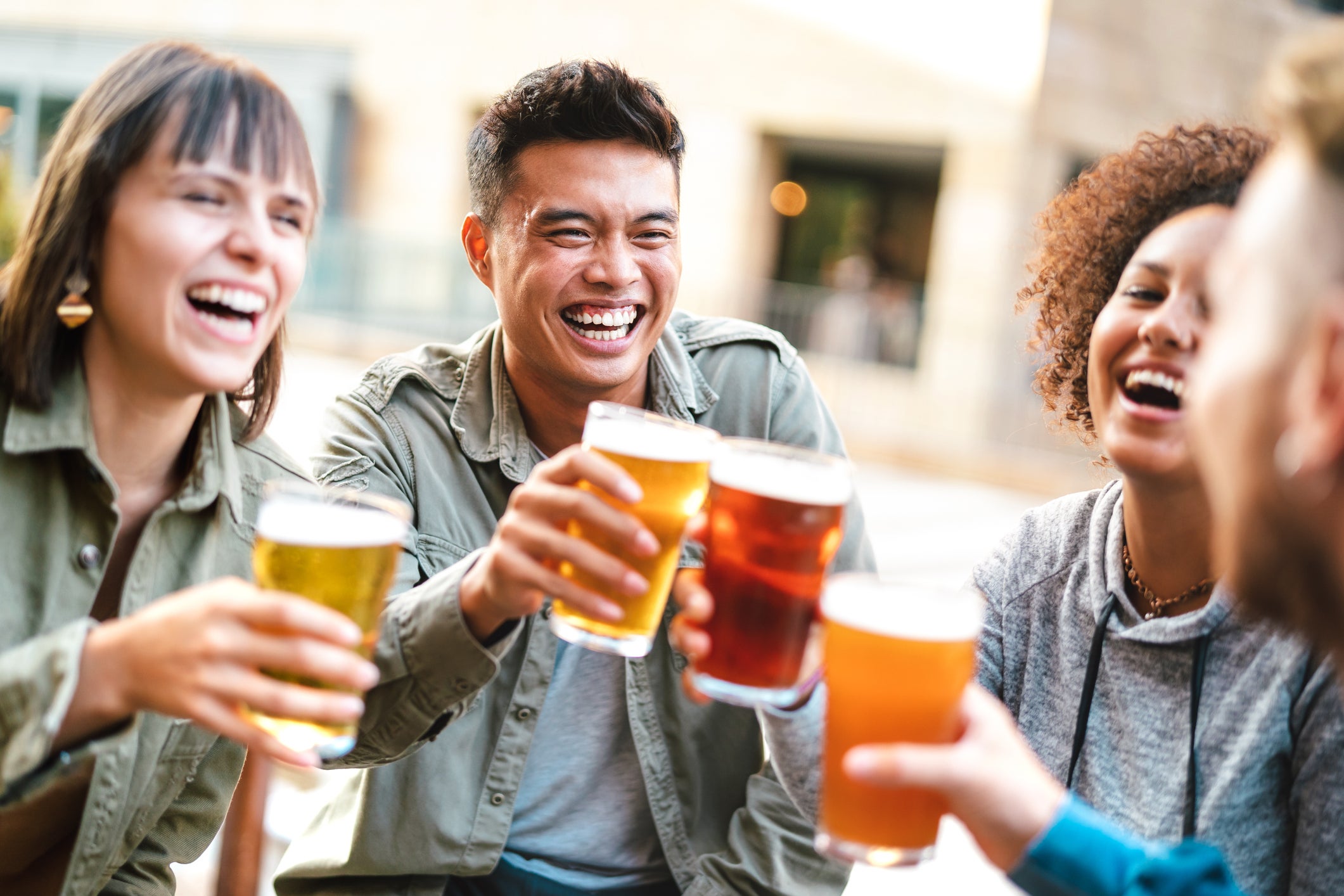
The health lobby doesn’t really know what to do with this idea of mine. It’s not measurable. You can’t plot “ease of conversation” on a bar chart. Public health likes data: calories, liver function, units per week. What it can’t quantify is the emotional aeration that occurs when people drink together.
There’s a happy medium that most people naturally find – one or two drinks a night, enough to soften the edges but not enough to erase the plot.
The problem isn’t alcohol itself; it’s our relationship with it. We have come to treat booze as either poison or crutch – a moral binary that leaves no space for the ordinary joy of having a drink.
Look to France or Italy. There, wine is a companion to life rather than its purpose. The idea of drinking to oblivion is considered strange. Alcohol is folded gently into the rhythm of the day – a glass with lunch, another with dinner – never with the goal of drunkenness in mind.
Compare that with Britain’s boom-and-bust relationship with drink: we abstain religiously, then binge like Vikings at the weekend. It’s not a coincidence that countries where alcohol is demonised, or outright banned, tend to be more repressive and miserable. Prohibition doesn’t purify people; it represses them.
The public health messaging around alcohol has become increasingly moralistic. Of course, boozing can kill you – but so too can joylessness. The truth, inconveniently, is that the human body isn’t a machine to be perfectly optimised, despite what the longevity brigade might try to sell you.
Alcohol – in moderation, of course – still does something our phones can’t. It punctures self-consciousness. It creates space for unplanned conversation. It allows the shy to speak, the stiff to relax, and the lonely to feel part of a crowd. When you strip that away, you don’t get a cleaner, kinder society. You get a nation of anxious introverts who’d rather message than meet.

That’s not to say the Heineken boss should be canonised. He’s still trying to sell his lager. But his point stands: the ritual of drinking together, IRL, matters.
Humans are pack animals; we need friction, noise and the soft warmth of mild inebriation to feel human. To drink together is to participate in civilisation’s oldest exercise. You clink glasses, tell stories, exaggerate and laugh – things no wellness app has ever achieved.
Moderation doesn’t mean abstinence. It means understanding what a drink is for. It shouldn’t be to escape life, but to ease into it. Drinking sensibly is about intent. Are you opening another bottle to disappear or to make a small, ordinary day feel slightly more alive?
Of course, excess is grim. There’s nothing spiritual about necking Jägerbombs in a Wetherspoons or demolishing a six-pack in front of a glowing TV. But society’s inability to recognise alcohol’s ancillary benefits is something Van den Brink has articulated well, however ulterior his motives.
Beer might not lengthen your life, but it can make living it a little more joyful. And in a country that’s forgetting how to talk to itself, the surest solution might be to go for a pint.
Join our commenting forum
Join thought-provoking conversations, follow other Independent readers and see their replies
Comments
Bookmark popover
Removed from bookmarks