The fall of the former Prince Andrew shows why we must always ‘follow the money’
As the Watergate scandal proved, it pays to show who truly holds the purse strings, writes Chris Blackhurst. We should know what the royal family is doing in the name of our country


In the book, All the President’s Men, author Bob Woodward says to Senator Sam Ervin: “The key was the secret campaign cash, and it should all be traced.”
When it came to the subsequent film on Woodward and his colleague Carl Bernstein’s investigation into the Watergate break-in and the downfall of Richard Nixon, screenwriter William Goldman deployed creative license. The “Deep Throat” tipping off Woodward tells him to “follow the money”.
No matter that it was never said. The three words stuck and have resonated down the decades ever since. In The Wire, detective Lester Freamon says, “You follow drugs, you get drug addicts and drug dealers. But you start to follow the money, and you don’t know where the f*** it’s gonna take you.”
Well, now it has taken the police to a house on the Sandringham Estate and the arrest of Andrew Mountbatten-Windsor, on his birthday, on suspicion of misconduct in public office. Not for possible sex-trafficking – Andrew’s alleged misconduct could perhaps be linked to his chasing a lifestyle he did not have, for wealth he could not legitimately earn.
It may prove to be the same with Peter Mandelson. The ex-minister and lord might find himself arrested for the same misconduct offence. Always the money. In the millions of Epstein files, there is this email from the convicted sex offender to Mandelson: “I am disappointed in what appears to be a one-way street … Jeffrey, can I have, Jeffrey, can you give, Jeffrey, can you organise … you have yet to offer real assistance.” Mandelson has not yet commented since his properties were recently searched by police.
In that missive, Epstein was not after sex. He had that in droves. What he was chasing was money, information of value that he would exploit to make himself even richer.
Andrew, too, it seems, desired to play at another level, one far above the strictures of the UK public purse and official payments for his royal duties.
Andrew sought more, as did his wife, Sarah Ferguson. Their daughters, too, were sucked into their avarice, enjoying holidays and luxury that caused the rest of us to gawp when we should have been asking where the capital was coming from to pay for this.
They saw themselves as entitled members of an elite, the foundation of which depended on wealth. It wasn’t influence or access; they had that. Membership was determined not by sexual appetite or predilection, either, but by the size of your fortune. Epstein was a member, but even in his case, only just. He had to pedal hard to keep going, to earn the gratitude of his wealthy friends. He was locked in a vicious cycle, as was Andrew, of requiring lots of money.
The lesson from this, which is not new but is inevitably usually ignored until it is too late, is to ask that question: where is someone getting their money from? Is there a gap between what they claim to earn and what they spend or save?
While that is the sort of puzzle that preoccupies tax inspectors and occasionally the police, investors and regulators, it is not something that needs to detain the rest of us. But it does where Andrew’s wider relations are concerned. Which is why, try as they might, the royals cannot simply shake off the scandal engulfing him.
Andrew’s downfall serves to shine a light on their own financial arrangements. How is it that they reside in vast stately homes, employ armies of servants, run fleets of cars, jet around the world, eat at the finest restaurants, and educate their children at the most expensive schools? Who pays for that, and, most importantly, what exactly are they supplying in return?
While they are not all holders of formal public positions, there is a justifiable public interest. Like it or not – and for most of the time, they appear to relish it – they occupy a place in public life, in the life of our nation. They can’t attempt to have it both ways.
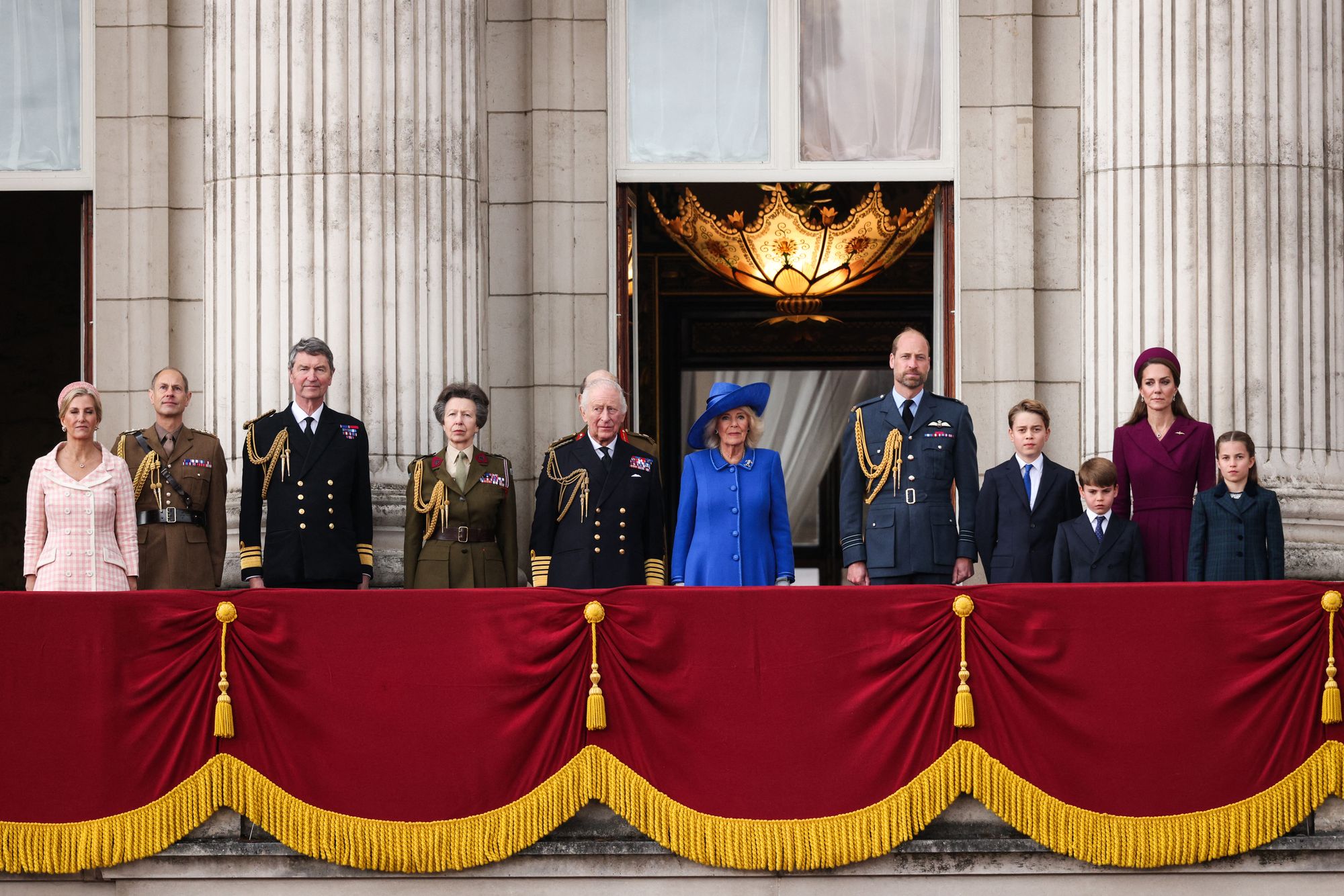
So, if Charles has any sense and if William can encourage him, they should be preparing to be as open and transparent about their own finances and those of the royal family. That entails the properties in their entirety, including those which they let others use, the trusts and investments. We should know what they are doing in the name of our country. It certainly won’t be pretty, and there will be revelations that ordinarily they would rather not make, but these are not ordinary times. Andrew has seen to that.
At stake is the future of the monarchy. To save us from making persistent demands to follow the money, to restore faith in the institution to which they belong, they must show us the money themselves. If they want to preserve the magic, they must break with tradition and allow the daylight in. They have no choice.
Bookmark popover
Removed from bookmarks