After the scandal of Andrew, the royals owe us transparency about their finances
They have the use of 50 residences on estates totalling 250,000 acres and a life of wealth and privilege paid for by the public purse, yet much of their financial lives are shrouded in secrecy. The time has come to open up the books, writes Chris Blackhurst


Life will never be the same again for Britain’s royal family. The Andrew Mountbatten-Windsor scandal has rocked the institution to the core. Rather like the banking crisis of 2008, when the authorities were desperate to avoid contagion dragging down other banks, they are keen to prevent the spread.
For a body that likes to remain discreet and private, this is a transforming, unnerving prospect. Andrew’s troubles have shone an unwelcome light on not only his, but all of their living and financial arrangements. It’s not that the other royals have anything particular to hide – we don’t know – but rather that so much has hitherto been off limits. To release all the detail, to suddenly go from nothing to everything, as they might well be required to, is bound to provoke shock and anger.
This is a family, or “firm”, that likes to control how it’s presented. While this was once justified on the grounds that to let the light in somehow destroys the mystique, those days have well and truly passed. It is hard to see how those guard rails can be preserved when the deference has diminished, and MPs and media are champing at the bit. Even David Dimbleby (David Dimbleby!) has dared to front a documentary that asks, pointedly: What’s the Monarchy for?
The National Audit Office is currently investigating Andrew’s use of his former home at Royal Lodge, and its report will be sent to the Commons public accounts committee. Its findings will be published and there will be public hearings.
That is just for starters. The probe is not likely to stop there. This is an issue that is not going to vanish. A public struggling with an ever-rising cost-of-living burden, tax increases and a chronic housing shortage will demand answers, not just about Andrew, but about the wider family. They will not be receptive to obfuscation. The genie has been released from the bottle. There can be no going back.
A detailed report last year from the anti-monarchy group Republic put the bill for the royal family’s upkeep at more than £500m annually. A substantial portion is derived from the sovereign grant. It comprises profits from the crown estate’s £15bn property portfolio, which covers a large area of London’s St James’s and locations dotted around Britain. Now, people want to know how those revenues are arrived at. Are rents properly and fairly calculated? Do some tenants enjoy more favourable terms than others?


These are questions – and there are many, many others – that will require answers. Transparency is the order of the day. Tellingly, given Republic’s ideological antecedents, their study was not challenged by the royal household or its supporters. It prompted Norman Baker, the former Lib Dem MP, to ask in a new book, Royal Mint, National Debt – The Shocking Truth About the Royal Family’s Finances, to highlight that the bill for maintaining the UK royal family “is undoubtedly much higher than that of any other European monarchy”.
He contrasts them with other royal families. In the Netherlands, the heir to the Dutch throne, Princess Catharina-Amalia, announced when she was 18 that she would renounce her £300,000 annual income while she was a student and forfeit £1.6m in expenses; in Sweden, the king removed royal titles from five of his grandchildren; in Denmark, the queen took them away from four of her grandchildren, saying it was “for their own good”, while in Copenhagen, Crown Prince Frederik and his wife, Princess Mary, ferry their young children to state school by cargo bike. Writes Baker: “You can never imagine this normality, that informality, with the British royal family.”
Here, our equivalents have the use of 50 residences, estates totalling 250,000 acres – among them the well known like Buckingham Palace, Kensington Palace, Windsor Castle, Clarence House, St James’s Palace, Balmoral, Sandringham, Holyrood, Gatcombe Park, Highgrove, Royal Lodge, Bagshot Park and Thatched House Lodge, but also other Palladian houses and farms.
Included in the royal collection, too, are the “grace-and-favour” apartments for servants and former staff and anyone else the King wants to put up. At the last public estimate, there were 272 of those alone. But that figure is cautionary. Because we simply do not know.
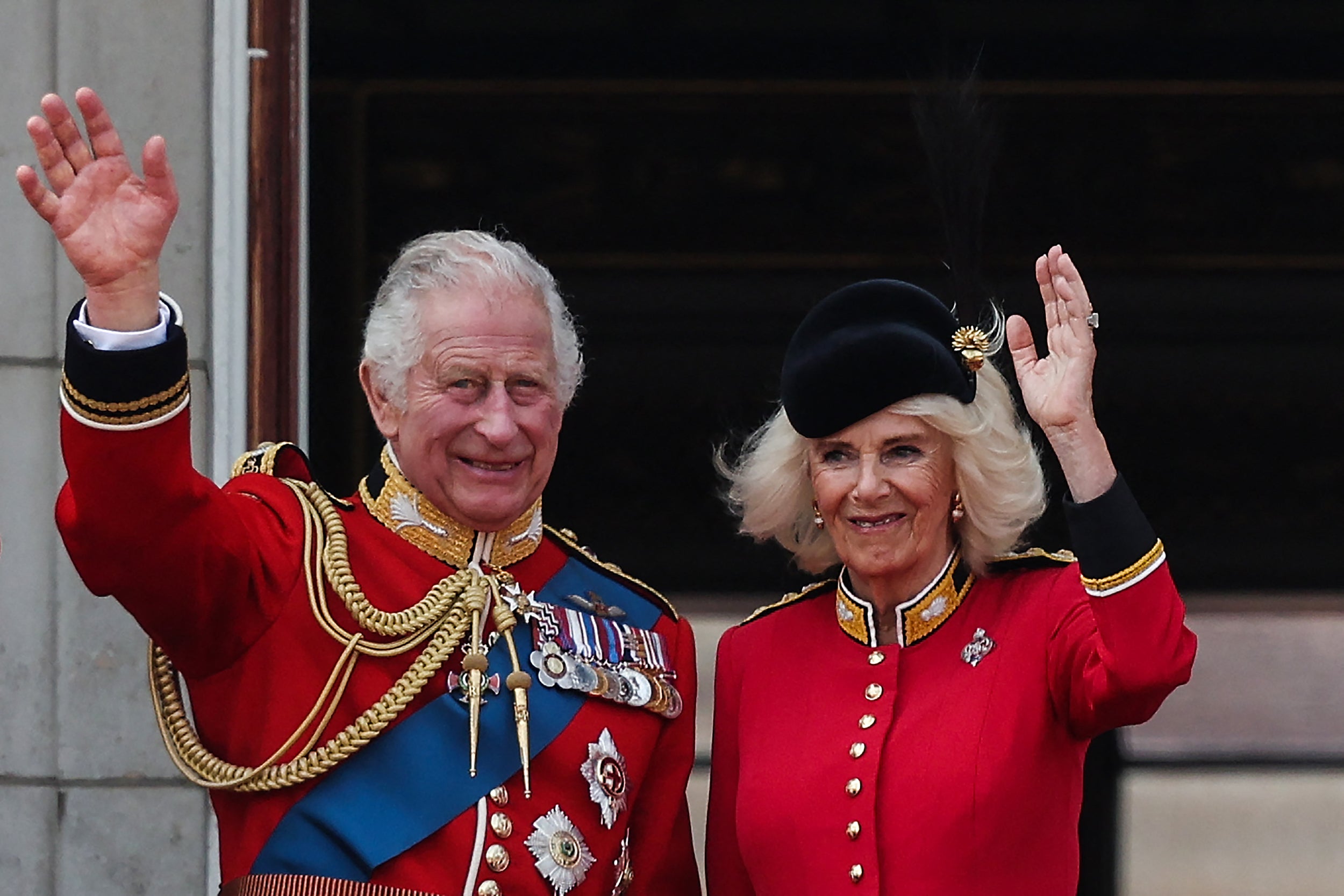
Taking the royal family forward is Prince William. PR-savvy and closely in tune with the zeitgeist, William and his wife, Catherine, are not afraid to use the media when it suits them to publicly voice their concerns and share personal information. But, thanks to Andrew, they, too, are in a bind. While William has indicated his desire for a slimmed-down monarchy, presumably akin to those Scandi models, he runs the risk of splitting his own family, of casting some relations into the wilderness, reducing them to commoners.
Ejection brings with it the threat of a royal turning rogue. William and Catherine have endured that with Harry and Meghan; this could spark a repeat – or repeats – and heap even more damage on the institution.
Prior to the latest escalation of the Andrew scandal, William kept his tax affairs secret, unlike the King. When the King was heir to the throne, his office outlined the figure that Charles had voluntarily paid in tax. But for the last two years, William has refused to reveal his own figure. The Duchies of Cornwall and Lancaster, which are now his personal property, will not say what William pays in tax on the surplus profits he receives from the sprawling estates spread across many English counties.
While the latest Duchy of Cornwall accounts showed the estate made a profit of £22.9m in its last financial year, William cannot be made to disclose how much tax he pays – unlike other bodies, the royal household is not subject to the same Freedom of Information Act regulations. All his private secretary has said is that “the Prince of Wales pays the highest rate of income tax”. But we do not know.

Similarly, the crown estate is keen to stress that William and Kate are paying “market rent” on Forest Lodge, their new “forever” home. Independent valuers from Hamptons and Savills estate agents were appointed to value the property, and the couple received independent legal and property advice, as did the crown estate.
These bland explanations may satisfy some, but there will be vocal critics for whom they will not suffice. Andrew’s troubles have ensured there are more of them than ever before, and this time, their concerns cannot simply be dismissed.
A period of painful disclosure lies ahead.
Bookmark popover
Removed from bookmarks