Britain has replaced children with dogs – and it’s not healthy
As dog ownership surges across the UK’s towns and cities, questions are growing about whether the trend benefits people – or animals, says Jack Burke


Dogs are everywhere – not just where you might reasonably expect to find them, but in cafés, pubs, trains, offices, Airbnbs, yoga studios, bakeries, weddings, coworking spaces and anywhere else that once relied on the social contract of “indoors means humans only”.
One in three neighbourhoods in England now has more dogs than children. This signals something structural about how we are choosing to organise our lives, our affections and our sense of responsibility.
Britain’s birth rate is falling; the cost of housing is obscene; relationships and work are increasingly precarious. Into that gap has stepped the dog – emotionally rich, socially acceptable, instantly legible and, crucially, reversible in a way that children are not.
For a generation delaying parenthood, or opting out of it altogether, dogs have become emotional stand‑ins: proxy dependents that offer unconditional affection without the long arc of sacrifice, compromise and irreversible change that children demand. You can love them intensely, document them endlessly and still retain the comforting knowledge that, at some point, your life will be yours again.
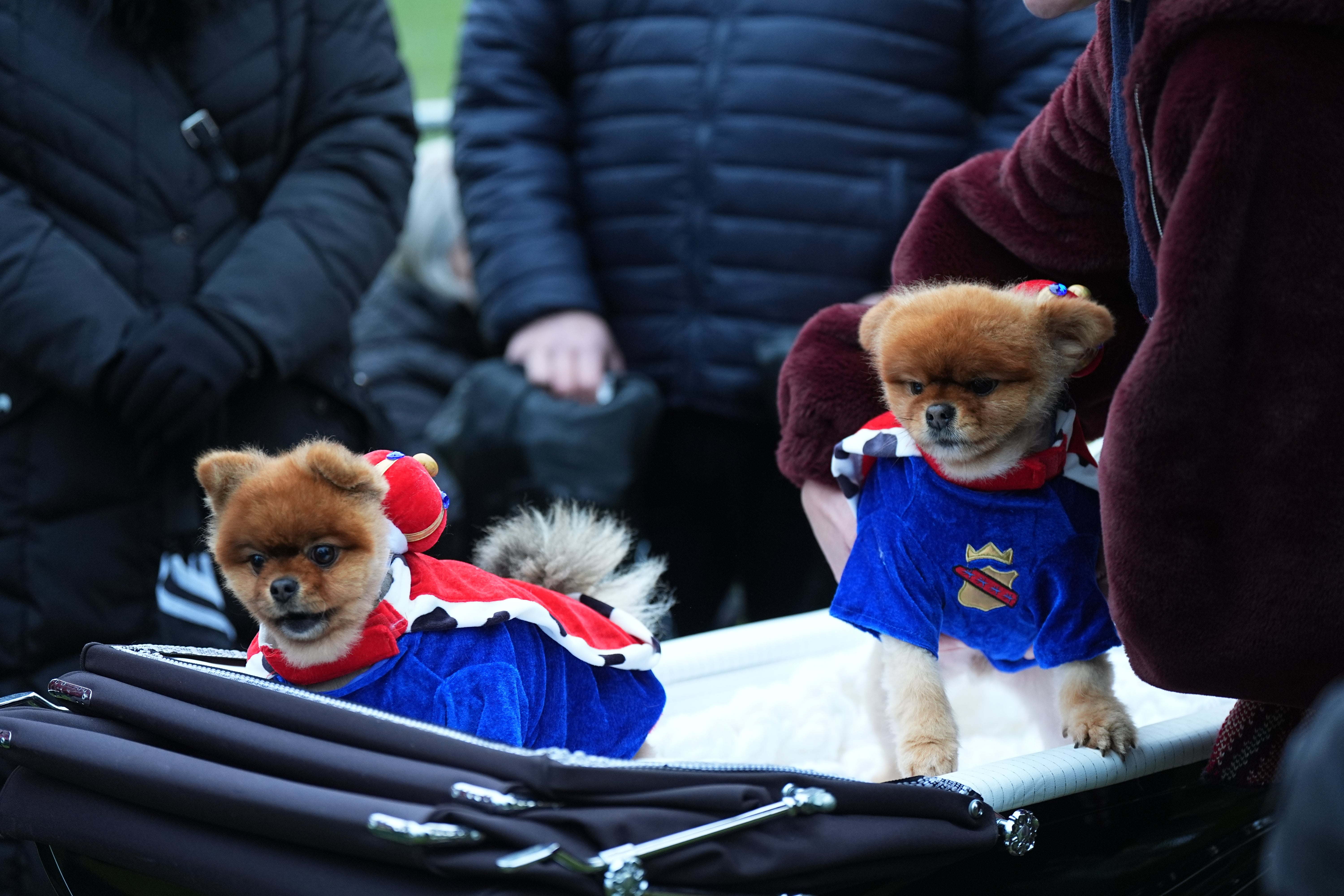
The rise of the “dinkwad” – an online, self‑identifying term meaning “a couple with dual income, no kids, with a dog” – is often framed as a lifestyle quirk. In truth it is a response to pressure: an attempt to build meaning and intimacy in a system that has made long‑term human commitments feel risky and expensive. Dogs slot neatly into this emotional gap – asking for care but not inheritance, devotion but not intergenerational planning.
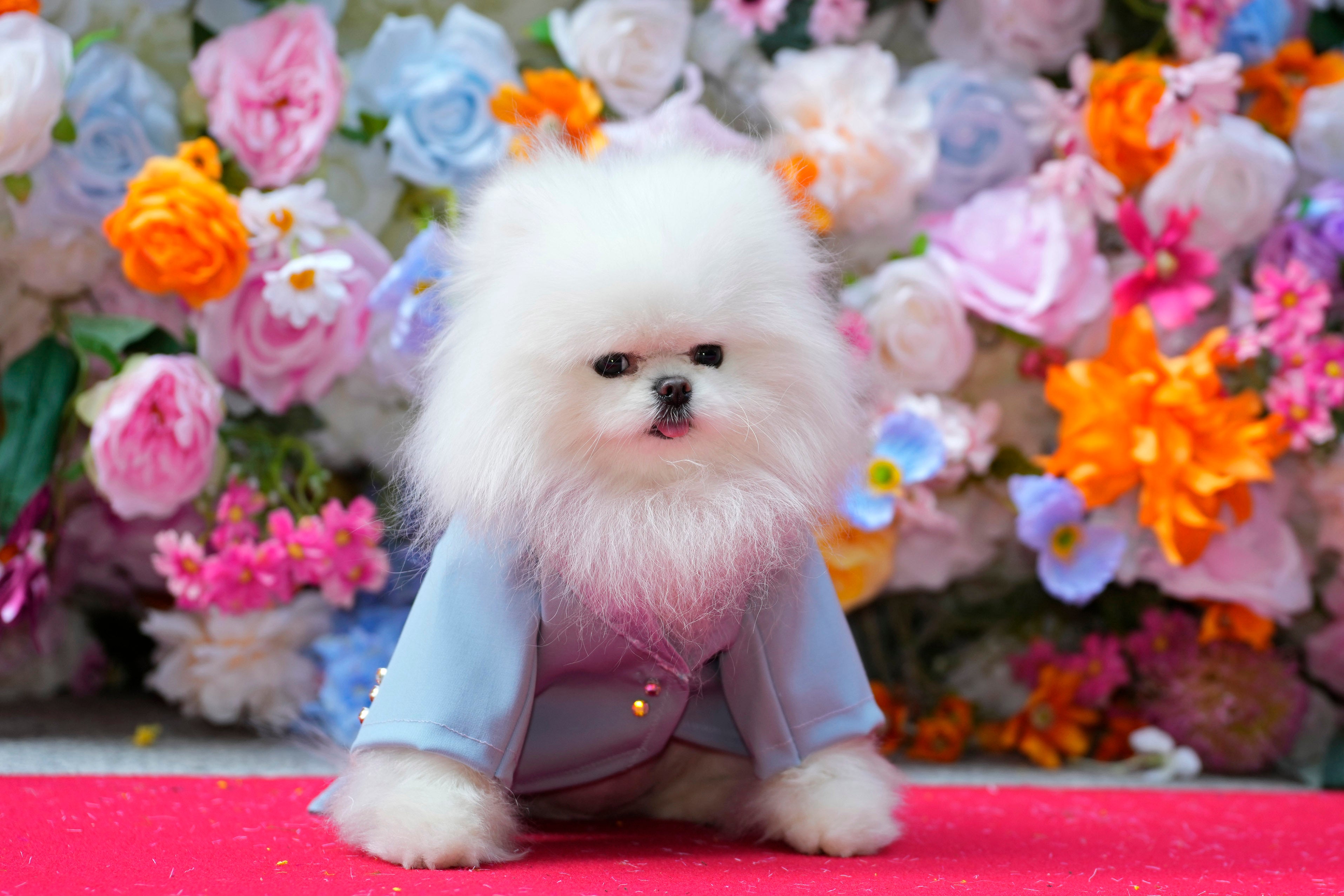
Social media, inevitably, has poured petrol onto the arrangement. Dogs now have birthday parties, themed outfits, personalised nutrition plans, professional photo shoots and brand partnerships – all presented as evidence of love rather than conspicuous emotional outsourcing. Online, dogs are spoken to like toddlers, called “my son”, “my baby” or “my whole world”, and wheeled through city streets in prams originally designed for babies.
Beneath the pastel captions and party hats is a more uncomfortable question, one we tend to avoid because it feels impolite, even cruel: is this actually fair on the dogs, the public or the cities we live in?
Many dogs are kept in small flats, left alone for long stretches, and dragged through human spaces that are noisy, crowded, unpredictable and actively hostile to an animal whose sensory world operates at a different pitch. We demand that they be calm, quiet, obedient and friendly but not intrusive; present but not disruptive; affectionate but never needy – grateful for whatever scraps of stimulation we can fit around our schedules.
Our idea of a “good dog” has become weirdly warped. The ideal dog is docile, compliant and silent – a creature that absorbs human chaos without ever reflecting it back. The perfect dog now resembles Reek from Game of Thrones: stripped of agency, desperate to please, grateful for crumbs of attention and praised most enthusiastically when it asks for nothing at all.
It has always struck me as odd that we celebrate dogs most when they behave least like animals and most like emotional furniture. Anything more dog‑like – excitement, boredom or resistance – is swiftly pathologised and treated as a personal failing of both animal and owner.
The pandemic supercharged this dynamic. Lockdowns created the illusion that we suddenly had time, space and emotional surplus for dogs; that working from home was permanent; that daily walks were rituals rather than obligations; that companionship could be sustainably built around an animal rather than other people. Puppies became symbols of hope – or, worse, a distraction – when the future itself felt indefinitely deferred.
Then life restarted. Offices reopened, commutes returned, social lives lurched back into existence. Britain was left with a generation of pandemic pooches whose owners began to realise that, actually, they didn’t want a dog after all.
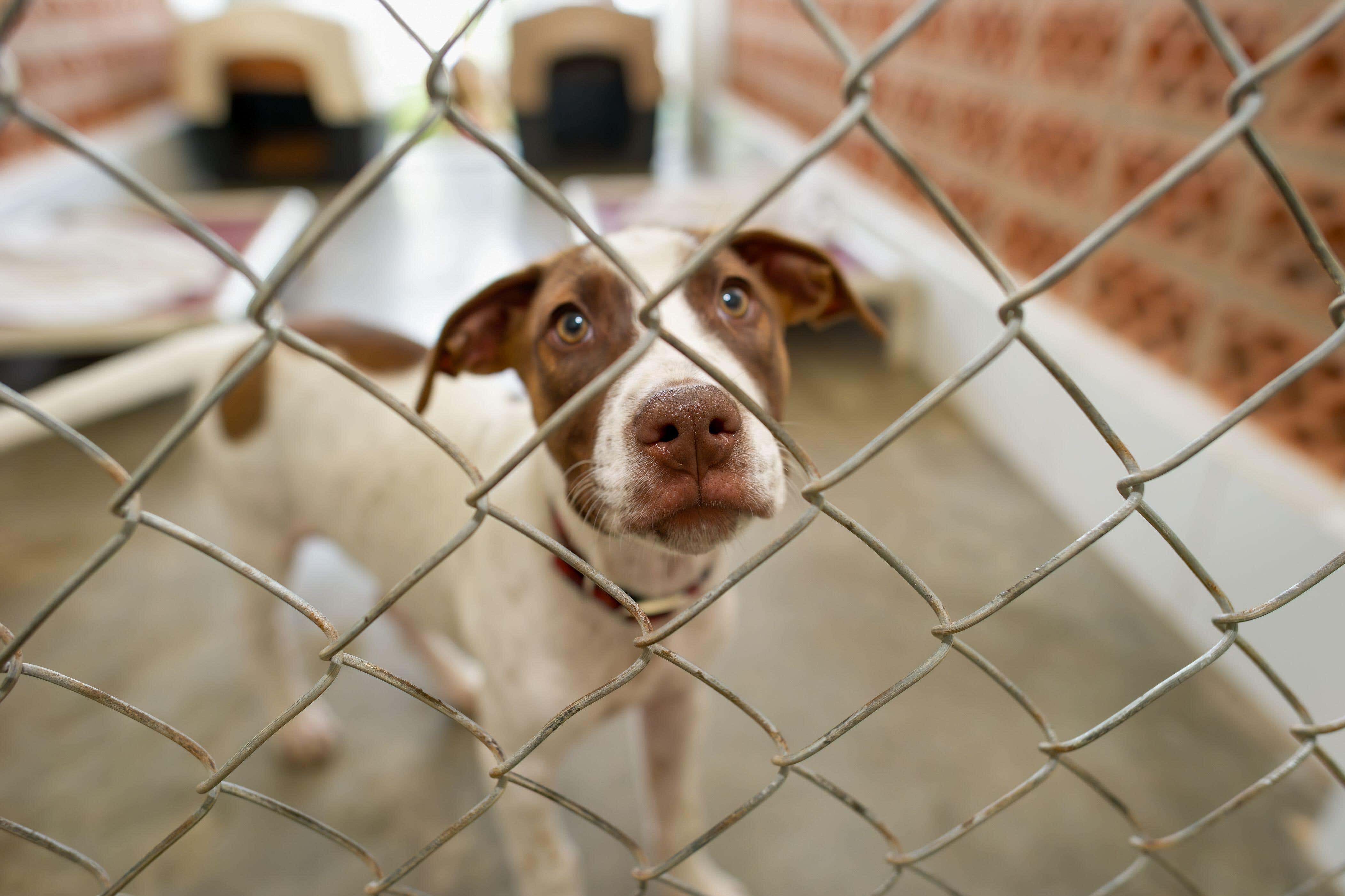
Rescue centres filled up. Trainers became oversubscribed. Vet fees soared. Dog‑anxiety medication has – astoundingly – become commonplace. Streets have grown dirtier, parks more contested and the tension between dog owners and everyone else more brittle. The dog economy, meanwhile, has boomed: posh city centres are awash with luxury food, wellness products, daycare clubs and behavioural consultants, even as the dogs themselves seem increasingly stressed, overstimulated and medicated into tolerability.
Dog culture has also become oddly moralised. To question the ubiquity of dogs is to risk being labelled cold, joyless or mean.
But cities are shared spaces. Not everyone wants dogs under the table while they eat, beside them on the train, or brushing against their legs while they work. And not every dog wants to be there either. Somewhere along the line, consideration for animals became indistinguishable from indulgence – and indulgence became compulsory.
There is a deeper ethical question that tends to surface only briefly before being smothered by talk of love and companionship: does everyone actually need a dog?
For most of history, dogs had roles: they worked, guarded, hunted, herded, retrieved and protected. Even companion dogs existed within a broader framework of utility and shared purpose. Now many exist solely to absorb affection, regulate loneliness and provide a sense of meaning in lives stripped of other forms of communal structure.
That can be beautiful. It can also be profoundly one‑sided.
The modern dog is expected to be endlessly emotionally available, grateful for confinement and content with a life structured almost entirely around human convenience. When it fails at this impossible task, we train it harder, medicate it faster or resent it for not fulfilling the fantasy we purchased it to sustain.
None of this is to say dogs are the problem. They are doing exactly what they have always done: adapting to us. The problem is the scale, the speed and the cultural insistence that dog ownership is an unambiguous good – a moral upgrade, a sign of emotional maturity rather than, in some cases, a symptom of how thin our social fabric has become.
We may need fewer dogs. But we definitely need fewer illusions about what they are for, and greater honesty about what we are asking them to replace.
And perhaps, occasionally, it would be healthy to leave them at home.
Join our commenting forum
Join thought-provoking conversations, follow other Independent readers and see their replies
Comments
Bookmark popover
Removed from bookmarks