What the Budget has really done to the housing market
The homes that are for sale aren’t shifting and there are more people in desperate need of somewhere to live than ever before. This is a national emergency and why some are saying we need a meeting of Cobra to sort it out, writes Chris Blackhurst

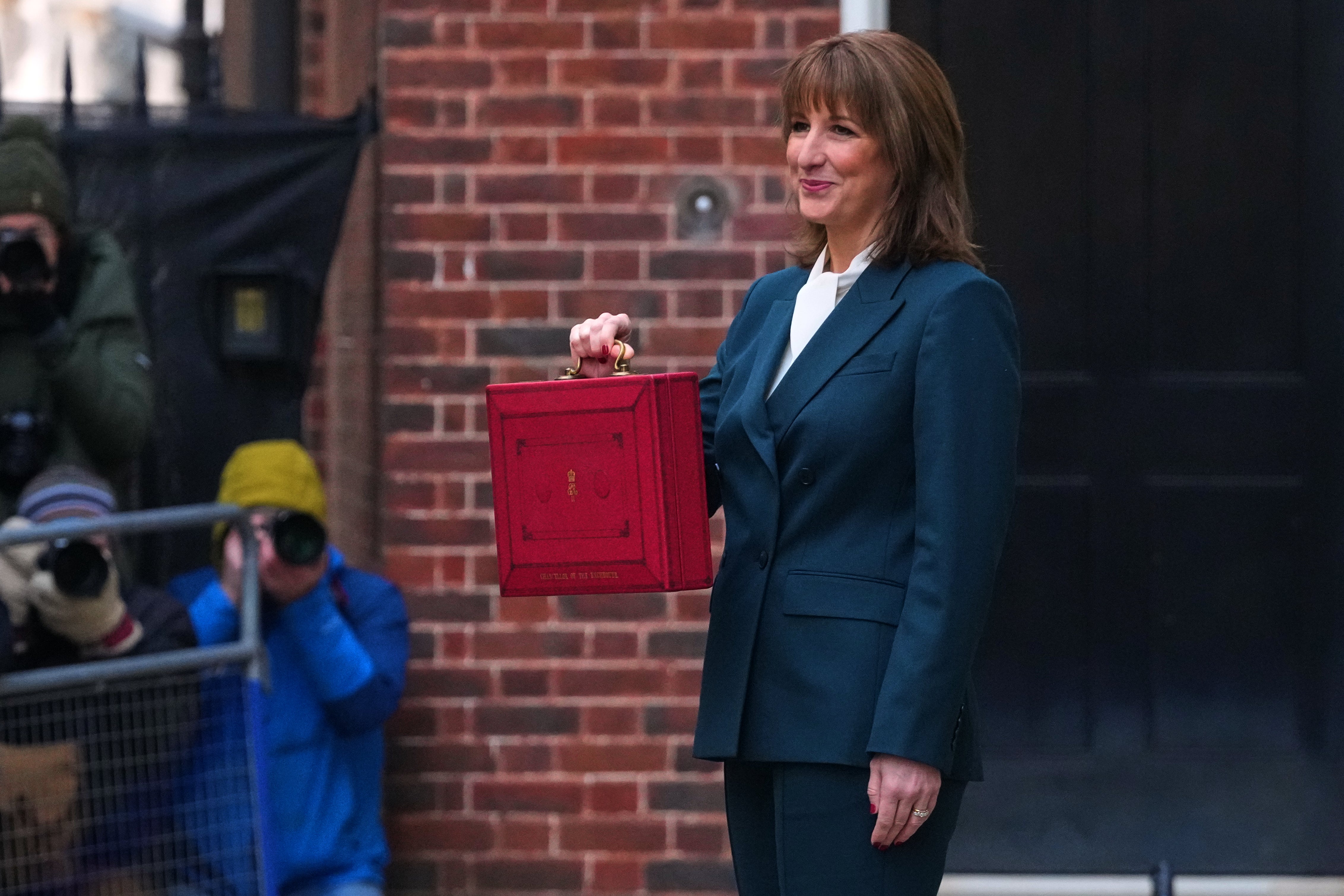
My local estate agent is despairing. They’ve got their decorations up, but the mood is flat. The properties in the window aren’t shifting.
They’re based in south-west London, prime territory for Rachel Reeves to get her teeth stuck into “mansions” and grab some extra revenue. They do deal in houses caught in the chancellor’s council tax surcharge net, like all the other nearby agents – but those slightly above the £2m threshold can hardly be classed as mansions, such are London prices.
They also market plenty below that limit and those houses and apartments are not moving either. Trade is dead. It’s been like this for months as well, in the chaotic run-up to the Budget, when people waited to see what was coming, unwilling to commit amid speculation regarding moves on stamp duty, extra charges on high-end residences and second homeowners, and now, afterwards. Nothing has changed.
It’s not confined to the capital – the same picture applies right across the country. The latest national Halifax data for November shows prices virtually frozen. They grew by 0.7 per cent, versus 1.9 per cent for the 12 months to October.
That’s against a backdrop of lower mortgage costs. Those interest rate cuts, however, also came against a depressed permanent employment market (exacerbated by Reeves’ shock hike in employers’ national insurance), uncertainty around the effects of AI and fears about the impact of the Budget. Those latter concerns have not gone away – Reeves offered little in the way of encouraging economic growth.
Jonathan Hopper, chief executive of Garrington Property Finders, said the Halifax survey reveals, ‘just how nervy the market became in the weeks running up to the Budget’. He said: ‘In November, large swathes of the market were suspended between confidence and caution. Every deal was hard-fought and sentiment was fragile, especially in areas with higher average prices - where pre-Budget jitters had a sharp chilling effect’.


Back at my neighbourhood agent, they’re not expecting much uplift in the first few months of next year either. That’s when the £2m-plus bracket will learn what exactly they must pay and there is no sign of the economic gloom lifting. If anything, it may worsen, depending on how retailers and the hospitality sector performed over the crucial peak spending season. “Merry Christmas,” said my agent, pointing to the tree in the window and shrugging, his voice laden with sarcasm.
The property industry’s mood then is dismal. It’s not helped either by the sleight of hand delivered by Reeves, in that the mansion levy is being portrayed as helping plug the national public funding gap, when the council tax is earmarked for local communities.
This matters because, as well as the secondary market of existing homeowners buying and selling, first-time buyers and new housing are similarly blighted. That’s important because housebuilding, construction a proven key economic drivers, creating jobs, drawing investment. Vital, too, for another reason, which is that the UK faces a chronic shortage of affordable housing. Put simply, more and more people have nowhere to live.
That’s why the government made it a central manifesto pledge, but where housebuilding is concerned, they have woefully failed to deliver. Labour said they would build 1.5 million new homes over their period in office – 300,000 a year. They are nowhere near that number. They declared they would ‘build baby build’, yet the number of new builds in London alone is the lowest for decades.

Shamefully, the cost of supplying temporary accommodation is putting even greater strain on already hard-pressed councils. More folks are technically homeless than we have known in generations. Currently, more than 169,000 children are living in temporary housing; others are in homes that are desperately in need of improvement and some still bear cladding of the sort that caused a fire hazard at Grenfell.
Housebuilding, or the lack of it, represents a national emergency – economically and socially. The entire system is sclerotic, with blockages occurring everywhere, in the availability of sites, planning, supplies, and finance. There is no impetus to get things done. It’s so bad that an expert in government and planning, Nick Kilby, who runs the Cratus communications agency, is advocating the calling of Cobra, the Cabinet Office committee that usually sits when there is a major incident, to knock heads together.
Kilby has written an open letter to Steve Reed, the housing secretary, to use Cobra to quickly convene’ the major housebuilders, developers and housing associations, alongside representatives from all the relevant bodies from local government, transport, planners, regulators for utilities, environment and Treasury. “Systematically go through each obstacle, deal with every issue and agree how the barriers will be removed”.
Then, suggests Kilby, “keep the pressure up with weekly meetings to ensure everyone delivers. Make your own demands to the housing sector to get on-site and get building. You will not be able to solve all the issues instantly, and you will not have all the answers, but you will be able to get people to make things happen. The system needs to be unblocked, solutions found, money and resources allocated and where the system says ’no’, we must transform it to say ’yes’”.
It may seem extreme, but these are extreme times requiring extreme measures. There is no downside, only upside, and right now, given the state of the economy and mounting deprivation, that is surely worth pursuing. Politically expedient too, which must appeal enormously to this government. We must get Britain moving (and building) again.
Join our commenting forum
Join thought-provoking conversations, follow other Independent readers and see their replies
Comments
Bookmark popover
Removed from bookmarks