An earthquake in Wales sending shockwaves through Westminster
Editorial: Labour must hope that the prospect of a Reform UK government at the next general election focuses voters’ minds on the need to stop Farage from taking power


The most obvious conclusion to be drawn from the result of the Caerphilly Senedd by-election is that the Labour government is in deep trouble. That may not come as a great surprise, but even a few weeks ago, the party might have hoped for a stronger showing than the 11 per cent vote share it achieved.
Even allowing for a significant amount of tactical voting by those who normally vote Labour, once it became clear that only Plaid Cymru could stop Reform UK from winning, it is a pitiful spectacle in a constituency that has stuck with Labour consistently for over 100 years. Really, there are no excuses for Sir Keir Starmer’s loss of a seat in the Welsh Valleys, once the base of Keir Hardie, the party’s first leader.
The reasons for the loss are clear. There are some special factors at work – as is always the case in a by-election – aside from the tactical voting. The Plaid Cymru candidate is an authentic voice, well known in the area.
Labour in Wales also has to deal with the inevitable consequences of a prolonged run in office. The party has governed the country, occasionally with minor party support, since 1999 – a hegemony unmatched in British political history outside of the long unionist ascendancy in Northern Ireland. After nigh on three decades of Labour rule – latterly marred by scandals involving a short-lived first minister, Vaughan Gething – Wales could be forgiven for wanting a change.
Still, much of the unpopularity of Labour in Wales derives from exactly the same issues that are causing voters elsewhere to feel let down – the economy, public services, and immigration. There is nothing new there, and every nation of the United Kingdom still awaits the arrival of a definitive narrative of the government’s aims.
The popularity of any administration rests not only on competent governance – and even here Labour has been a disappointment – but on successful communication. What the Starmer administration lacks above all is a sense of purpose: it needs to explain why difficult decisions have had to be made, why they could not be foreseen, and what the rewards for the government’s resolution will be. Instead, the electorate have witnessed a series of missteps, misjudgements, U-turns, tax hikes, and scandals, alongside a modest effort to reform social security that couldn’t be pushed through the Commons even with a government majority of 148.
At such a low point, optimism is needed – but, as Sir Keir and his colleagues peer ahead, there is precious little to look forward to. Shortly, the Labour Party will confirm its traditional tendency towards self-destruction by electing an openly hostile deputy leader expressly to kick the prime minister while he’s down.
If, as seems certain, Lucy Powell does succeed Angela Rayner, we may be sure that she will appoint herself “shop steward” for the membership, trade unions, and parliamentary Labour Party, and exacerbate a deeply destabilising dynamic between the government and its backbenchers. That will make the Budget, due in three weeks, even more difficult than it already promises to be. Whatever the chancellor, Rachel Reeves, chooses to do will be deeply unpopular in the country, but she should signal that Labour cannot simply tax its way to economic growth – or to electoral recovery. Ms Powell will beg to differ. There will be trouble.
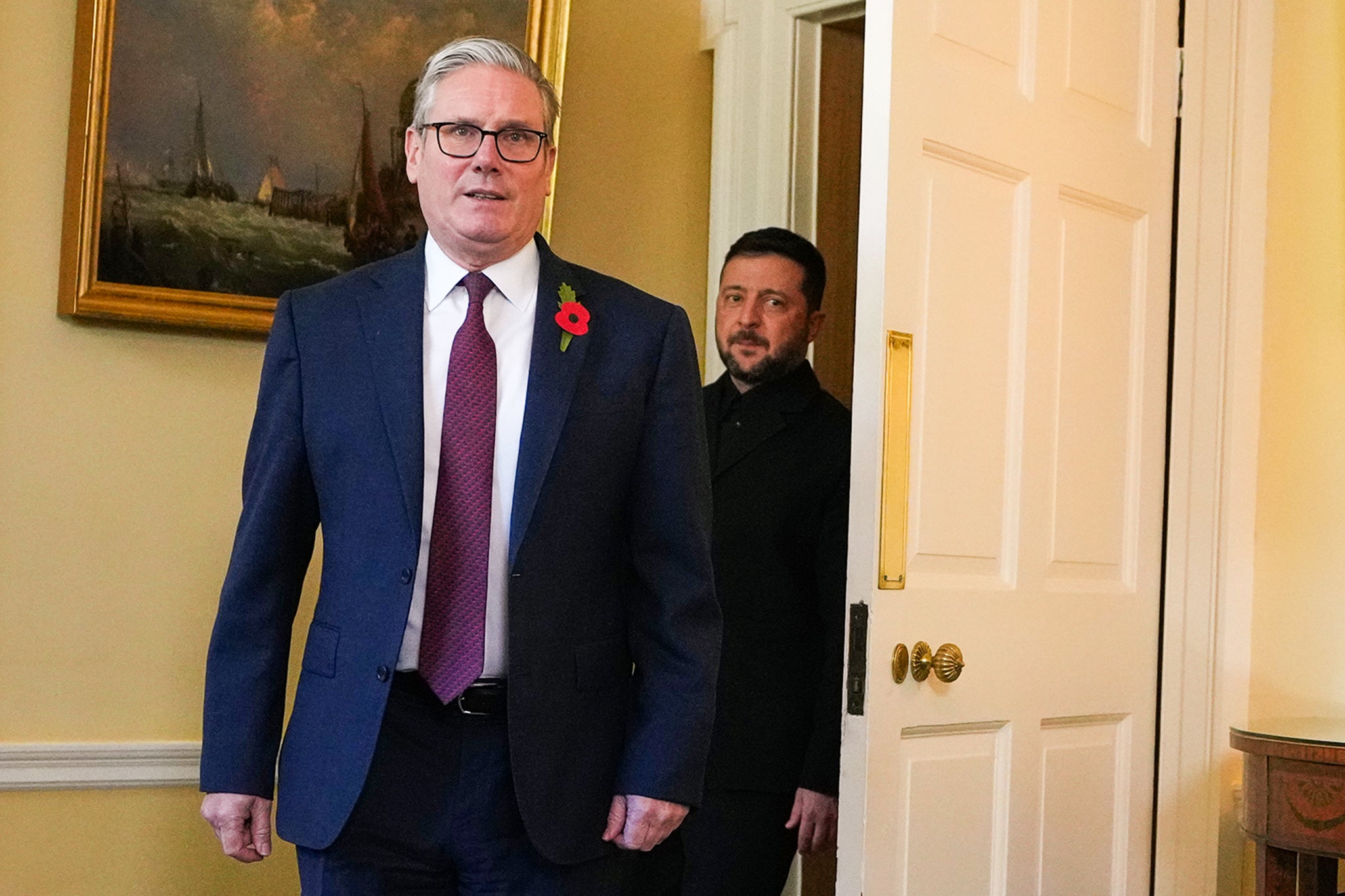
Sooner or later, the government will have to return to the reform of social security, and to putting the public finances on a demographically sustainable footing. Here, there seems to be nothing but an impasse. Labour MPs have already vetoed the welfare reforms proposed earlier this year, and now the party members have appointed Ms Powell leader of the internal opposition to any such moves in the coming months. The government, in other words, is drifting towards another brutal battle with its backbenchers and its members. The work and pensions secretary, Pat McFadden, is one of the most capable of Sir Keir’s ministers, and if anyone can find a way through this intractable problem it is he – but the scope for another debacle is all too clear.
Caerphilly will not be the last of Labour’s electoral humiliations, or the worst. When it won the general election 14 months ago, the party could confidently look forward to more or less retaining power in Wales, regaining Scotland, and expanding its base in mayoralties and local government. Now, there is no such thing as a safe Labour seat. It will be hit in 2026 by a series of crushing defeats, assailed by the populist hard right of Reform UK, with the Greens, the Scottish and Welsh nationalists, Liberal Democrats and Corbynites attacking from the progressive end of the poltical spectrum. Even the Conservatives are showing signs of life.
As things stand, Labour’s best hope is that the next general election will present a stark choice between itself, as the incumbent party, and Reform UK running Britain, with the effect that widespread tactical voting will secure Labour what now seems like an elusive second term in office. Caerphilly shows that when constituents are faced with such a clear choice – between a party they don’t really want, and an alternative they actively fear – it can persuade them to vote in a way that they would otherwise not.
That situation might well transpire in the coming years, but such a grotesquely negative strategy is no substitute for what Labour promised not so long ago – growth, delivery, stability, competence, and change for the better.
Join our commenting forum
Join thought-provoking conversations, follow other Independent readers and see their replies
Comments
Bookmark popover
Removed from bookmarks