Jesse Jackson lifted us up. He knew how to keep hope alive
For Black Americans like me who came of age in the turbulent 1960s, civil rights leader Jesse Jackson was a bridge between us and our parents – and so much more, says Bonnie Greer
Jesse Jackson – everyone called him just “Jesse” – epitomised a belief in the American dream, of a kind that was possible to achieve; possible to be able to live. Deep inside all of us young Black people who followed him, we held it, too.
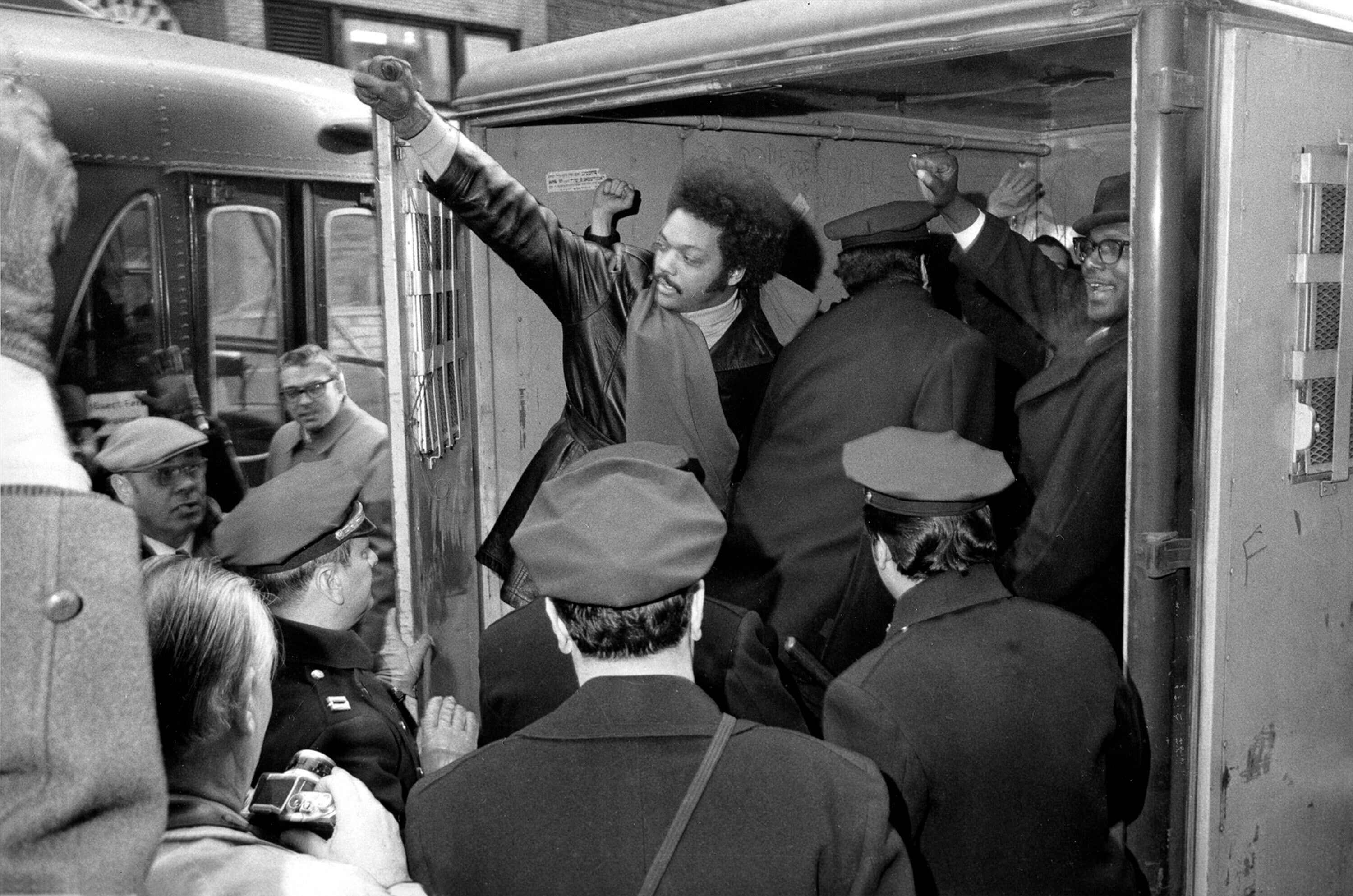
Those times, from the mid-1960s when he began his ascent, were dark. People were killed; disappeared. A leading civil rights leader in his own right, he was on that Memphis balcony in 1968 where Martin Luther King was assassinated. When we burned the cities down in grief and rage, when we tore up our draft cards, Jesse was there for us. Especially for Southsiders like me, native born to the ’hood and Chicago-bred.
Our parents were represented by Dr King, who turned the other cheek, who marched, who sang, and who believed in a divine presence that would help them to overcome.
We did not want to overcome. We wanted to overrun, to wipe away the tragic and ironic circumstances of being born in the land of the free and the home of the brave.
Jesse was completely aware of that feeling, of that need for transition; of what we had to have in order to be part of the land in which we were born. He was a preacher, and in his preaching – in his urging for us to go higher – he gave us the idea of fulfilment, and our idea of overcoming.
My generation of Black people did not believe so much in the American dream, though we did understand. We saw the American nightmare – and our job was to try to find a path through it to make our lives not only liveable but transcendable.
Dr King saw the shining city upon a hill. Jesse Jackson saw the work needed to get there, the price to be paid. He understood the Black American link with the slave boat, and the link with the kind of colonisation that created the minds of which he fought so hard to take charge.
He understood the saying that was the motto of the college fund that supported Black universities: a mind is a terrible thing to waste.
Jesse understood from a very young age that his job was to tell the truth and to be the truth at all times, and to never delay that in himself, there or anywhere. Which is why, at the beginning at least, he distrusted Barack Obama, as any Black person of Jesse’s class would.
By the mid-2000s, when the junior senator from Illinois started on his journey to the White House, I was living in London. When I was first told about him, I asked what his real name was, because no one who was born in the United States was born “Barack Obama”.
For me, and for those where I came from, Obama was posh. Within that class divide, it took courage for Jesse, who had made history by becoming the first African American to campaign twice to run for the presidency, to see Obama for what he was and could be.
After a decade living with Parkinson’s, Jesse had been very ill for a long time, and so his death, aged 84, was expected. But yet, in the way that sometimes spirits and gods depart, he leaves an omen, a signal that the terrain has shifted.
When a man of this complexity, of this stature, is taken away, where do we go? The question that Jesse would ask us is, what do we do now? Who are we now?
That he could not speak at the end, having been hospitalised with a rare neurological disorder, is also a kind of sign: that, in America’s 250th year, there are no words for what is happening to the United States. We are in Post-America. What do we do now?
Jesse would say to us to speak about it. Say it right. Say everything you can about it, and find a beautiful phrase to catch the ear of the people so that they may be lifted up. Something to take us higher, to take us to the mountaintop, to the farther shore.
Jesse always lifted us up. He would know how to Keep Hope Alive.
Bonnie Greer is a playwright, novelist and critic, and a former chancellor of Kingston University
Join our commenting forum
Join thought-provoking conversations, follow other Independent readers and see their replies
Comments
Bookmark popover
Removed from bookmarks