Labour has been remarkably straight with us — except on the one matter where it really counts
The party should have come clean on breaking its manifesto pledge sixteen months ago, says chief executive of Full Fact Chris Morris — but their biggest problem isn’t dishonesty, it’s that no one trusts them when they tell the truth


Politicians are invariably keen to explain the context for their decisions. This week, however, the chancellor did something that most of us can’t remember seeing – she set out a broad rationale for a major decision three weeks ahead of her Budget.
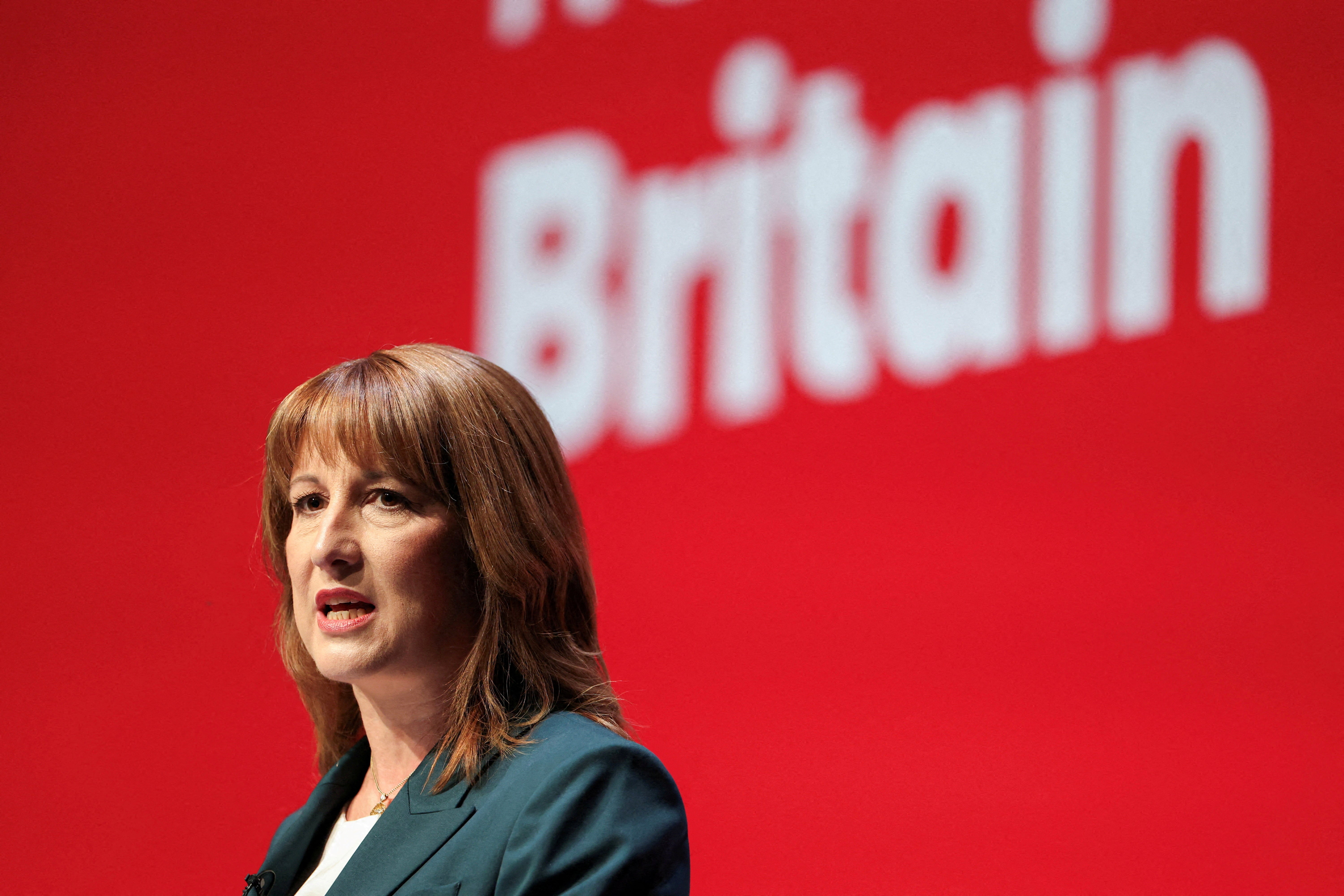
In a novel press conference on Monday, Rachel Reeves set the stage for a climbdown from one of the Labour Party’s key manifesto commitments not to raise taxes on working people.
In some ways, the chancellor’s effort to get on the front foot about what is affecting her decisions is a refreshing break with a Westminster culture that struggles to think beyond a single news cycle. Fact checkers like me know only too well that context matters – it is good policy making, and ultimately good politics, for Ms Reeves to try to help us understand why she’s doing what she’s doing.
But in a broader sense, Labour sowed the seeds for this difficult manoeuvre back in June when they published their manifesto for government. Full Fact has identified four Labour commitments on tax matters: pledges not to raise Income Tax, VAT, or National Insurance. These sit under the fourth commitment, a broader and blurrier promise not to raise any taxes on “working people”.
Of the four tax pledges we have identified, Full Fact has rated two of them as unclear or disputed: the government has increased employer contributions to National Insurance, and is yet to actually say who they consider to be a working person. The pledges on income tax and VAT appear on track for now - but if there’s one thing to take away from Ms Reeves’ news conference, it is that we should expect at least one of those to change on 26 November.
The bigger issue for the chancellor and the government is not just that they’re having to ditch one of their central promises - it’s that it’s taken sixteen months to do it. Governments always have the opportunity to change course as the prevailing economic winds dictate, but building public trust requires transparency and sticking to a rigid script on taxation has proved distinctly unhelpful.
It’s fair to say that these pledges – and alternative views launched by the Conservatives – were in the vanguard of what turned out to be an election campaign dominated by the issue of tax. The consensus was that neither party was being entirely honest about their tax policies and was more interested in bludgeoning the other over the head with dodgy calculations and misleading claims.
But once in power, and at the time of her first Budget, economists urged the chancellor to be clearer about taxation. This was the moment to be honest, a slim window of opportunity to demonstrate trust and bring the public with them as they set out a rationale for a different approach, born out of the evidence in front of them.
Since Labour won power in July last year, Full Fact has been running our first ever Government Tracker project to shine a light on the need for transparency and accountability. Our goal has been simple – to show the government that if they want credit for their achievements, they need to make sure the public understands what they plan to do, how it will be measured, and when ordinary people can expect to feel the difference.
On the whole, our Tracker tells a surprisingly positive story about the government’s progress. But public trust isn’t an equation or a balance sheet, it’s a much more human judgement about where people should put their faith. It’s going to require a lot more discomfort as politicians surrender their precious news cycle to a more open dialogue with the electorate.
While we applaud the chancellor’s effort to do things differently and open up her decision-making to scrutiny earlier, unfortunately that won’t be enough to turn the tide on historically low trust in politics.
The solution is a radically different political and campaigning culture. We have serious questions which demand an answer, such as whether manifestos are really the best way to make promises, given they are published before political parties have access to the governing information. And if a chancellor breaks a promise - but tells you about it first - are they still being honest? We’ll be attempting to answer these questions on 26 November.
Chris Morris is CEO of Full Fact
Join our commenting forum
Join thought-provoking conversations, follow other Independent readers and see their replies
Comments
Bookmark popover
Removed from bookmarks