What I taught my daughter about power – and why the world needs her to have it
When Sharon Amesu’s daughter followed her into the legal profession as a barrister, both women found that justice doesn’t just happen in court, but when people can stay in the room and change it


As a former criminal barrister, I’ve spent most of my career studying power through the lens of the law, watching how it’s argued, defended, and sometimes denied. Power lives at the tables where verdicts are reached and policies are set, yet titles and robes don’t guarantee integrity. True power belongs to those who bring truth into the room; who speak when it’s risky, listen when others won’t, and stay when the work gets hard.
I have most often been confronted with this reality in the courtroom. As one of only a handful of Black women practising in the North West, I saw how power could look impartial on paper but partial in practice.
And now, my daughter has followed me into the same profession. Two generations in the same sector facing the same architecture of power: one that still too often decides who belongs where before a word has even been said.
When I began my career, I thought power came through the wig and gown I wore and my ability to stand and speak with authority. But I soon realised that power in the courtroom, and indeed in most institutions, isn’t distributed evenly. In a system that prides itself on impartiality, I still saw who was interrupted, who was doubted, and who was quietly dismissed. There were moments when I was mistaken for the defendant instead of the advocate.
The data reinforces what I saw. Women make up more than half of practising solicitors in England and Wales, yet only one in three partners in law firms. The ethnicity pay gap across the profession is around 17 per cent, and Black women remain almost invisible in senior legal and judicial roles. Behind every statistic is a woman negotiating self-doubt in the face of structural doubt.
Those experiences shaped how I spoke to my daughter about the world she was joining. As she grew up, I told her that justice may be blind, but people aren’t – and that her task was not to fit into the system but to change its shape. I wanted her to understand that real authority doesn’t come from title or tradition, but from courage and conscience.
When my daughter started her own legal career, our conversations deepened. She told me how, through her work, she’s witnessed how a woman’s conviction can be recast as confrontation. I smiled – I’d seen it too many times before. So, I told her what I’ve told so many other women before her: “You don’t need to dim your light to make others comfortable. Power used well always unsettles someone.”
Through similar conversations, I’ve watched women step from hesitation into conviction. I’ve seen my daughter mentor others with a level of confidence that was alien to me when I was at her stage in the profession. That’s what I want to see continue: each generation standing taller because the last refused to shrink.
This Black History Month, I’m reminded that our story isn’t about survival; it’s about succession. I’ve taught my daughter that power isn’t something to seize, but something to steward. It’s not about winning every argument, but about building spaces where more voices can be heard.
If she holds that truth and uses it, then the legacy I’ve spent a lifetime shaping will have done its work. Because justice doesn’t just happen in court. It happens when women like her, and like us, finally have the power to stay in the room and change it.
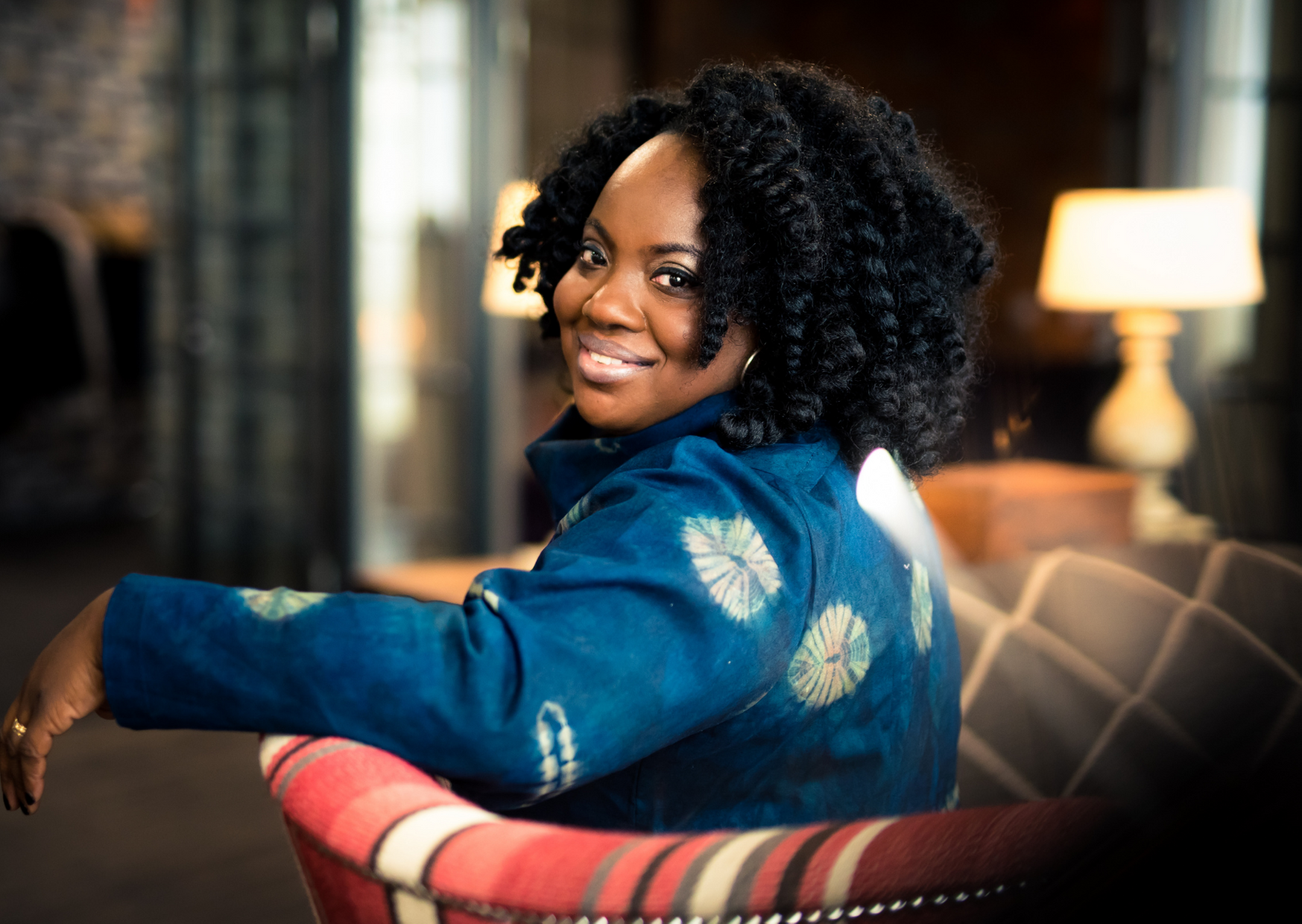
Sharon Amesu was a barrister at the criminal bar for 16 years. She is now an executive coach and motivational speaker
Join our commenting forum
Join thought-provoking conversations, follow other Independent readers and see their replies
Comments
Bookmark popover
Removed from bookmarks