The anti-Farage Tories who want Labour to win
The cross currents that decide the next election could include Conservative supporters voting tactically for Labour to keep Nigel Farage out of No 10, says John Rentoul


Gavin Barwell may hold the key to the next election. He was the Conservative MP for Croydon Central until Theresa May thought it would be a good idea to cash in her huge opinion-poll lead to win the substantial majority she thought she needed to Get Brexit Done.
She lost the small majority she had inherited from David Cameron, and Barwell lost his seat. Barwell went to work for May as her chief of staff in No 10, and spent two fruitless years trying to persuade Labour MPs that they should vote for May’s soft Brexit – warning them that the alternative was a hard Brexit under Boris Johnson.
There is not much reward for being right in politics, but he got to be in the House of Lords, as Baron Barwell of Croydon, and he continues to offer a thoughtful centrist Tory perspective on social media.
Two days ago, he took issue with Kevin Hollinrake, the chair of the Conservative Party, who had unwisely allowed himself to answer a forced-choice question. Asked by The Telegraph if he would rather enter into an alliance with Nigel Farage or Ed Davey, Hollinrake said: “If that was my only choice, of course I would choose Reform. We are the only parties who believe in controlling our borders.”
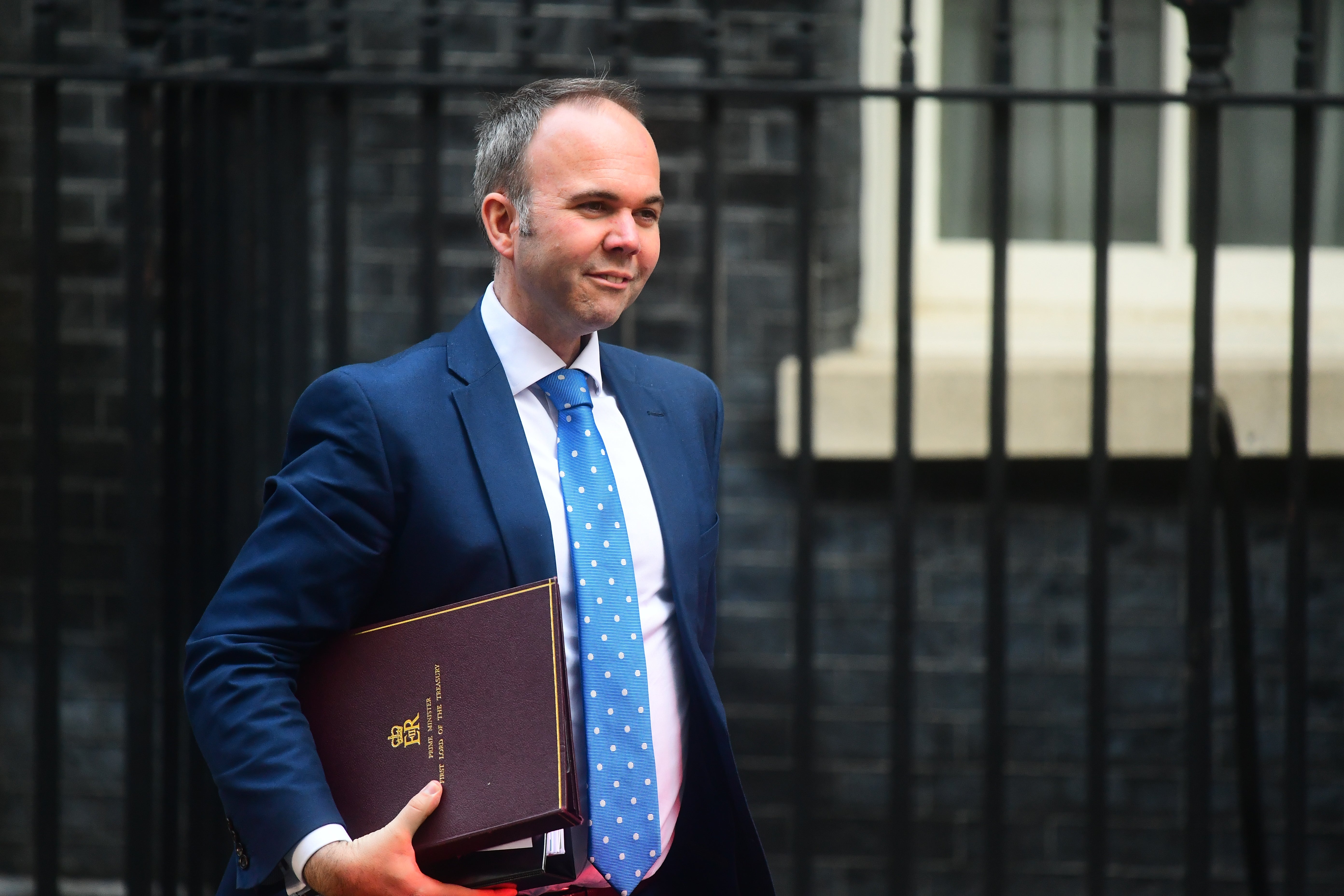
Barwell did not agree. “This is politically insane,” he said on what I continue to call Twitter. “As things stand, the Conservatives will face a challenge from Reform in many of the seats they hold. If they don’t rule out coalition with Reform, they won’t be able to get the tactical votes they will need from Labour, Liberal Democrat and Green supporters.”
He is right, you know, and it will probably do him as much good as it did in 2017-19. He and Hollinrake both understand that pre-election deals by which parties stand down candidates in each others’ favour are unlikely at the next general election. They are thinking ahead to possible deals in a hung parliament after the election. Hollinrake said out loud what most Tory MPs are thinking: that they would rather work with Farage than Davey, assuming that is the choice. Most of them assume that Reform and the Tories will come together at some point.
Barwell, on the other hand, pointed out why Tories shouldn’t say that bit in public: because they want to benefit from anti-Farage tactical voting.
What was really interesting, though, was what Barwell said in his next tweet: “I also think it would be morally wrong to go into government with Reform, but I accept some in my party will feel differently about that.”
The implication of what Barwell says is that, if he faced a different forced-choice question, he might vote tactically to stop Farage becoming prime minister, and that he would prefer a Labour prime minister if that was the only alternative.
This is where the “Macron” strategy of Keir Starmer and his chief of staff Morgan McSweeney starts to bite. Starmer wants to force voters to choose for or against Farage, just as Emmanuel Macron twice forced French voters to choose for or against Marine Le Pen.
And this is where the fashionable “bloc” theory starts to break down. Some recent academic commentary points out that most vote-switching occurs within blocs rather than between them. Since the last election, most of the traffic has been from Tories to Reform, within the “right-wing” bloc, and from Labour to the Greens, within the “left-wing” bloc. Therefore, it is argued, Labour should concentrate on getting Zack Polanski’s voters back, rather than “appeasing” those parts of the electorate considered to be unworthy.
I disagree. Green protest voters will come back to Labour anyway if the alternative is Farage as prime minister. Labour should focus on socially conservative voters who might be persuaded to cross bloc lines. They may not be as numerous as defectors to the so-called left, but they count double, because they take a vote off Reform and add a vote to Labour.
They do exist. I have come across Labour Party members who say they would vote Tory if it stopped Farage becoming prime minister, and lifelong Tories who would vote Labour for the same reason. I don’t know if Barwell is one of them, but he seems to be most of the way there.
I have one prediction for 2026, which is that these cross-party currents are going to grow. You do not have to be a conspiracy theorist to think, for example, that Starmer is happy to allow Tory county councils to postpone elections affected by local government reorganisation. He does not want the Tories to be utterly smashed by Reform.
He may not like the kicking he gets from Kemi Badenoch at Prime Minister’s Questions every week, but he does not mind that the Tories are currently gaining support at Reform’s expense. They are only a couple of points up and Reform a couple down in the opinion-poll average since October, but every little helps.
Anti-Farage tactical voting could be an important feature of the next general election, and within that one of the most interesting groups will be centrist Tories who would rather have a Labour government than a Reform one.
Join our commenting forum
Join thought-provoking conversations, follow other Independent readers and see their replies
Comments
Bookmark popover
Removed from bookmarks