Rachel Reeves is right to blame Brexit – now she needs to fix it
After years of silence, Labour’s leaders are finally naming Brexit as a key cause of Britain’s malaise, writes Chris Blackhurst, but honesty must now lead to action


Finally. It has taken a long time coming, but at last the country’s leaders are telling the truth about Brexit. Sir Keir Starmer and Rachel Reeves are blaming exiting the EU as being partly responsible for the UK’s economic woes.
The chancellor this week linked Brexit, austerity and Covid as causes of the UK’s poor productivity record. At his party’s recent conference, Starmer dialled up his own, previously softly-softly rhetoric on the departure by referencing the “lies on the side of that bus”, meaning the Brexiteer campaign assertion that by leaving the bloc, money otherwise earmarked for Brussels would be redeployed towards the NHS.
The shift is striking, not least because there was virtually nothing said before. Those around government are quick to point to the arrival in Downing Street of Tim Allan, an arch-Remainer and hardened communications bruiser, as being responsible for the switch.



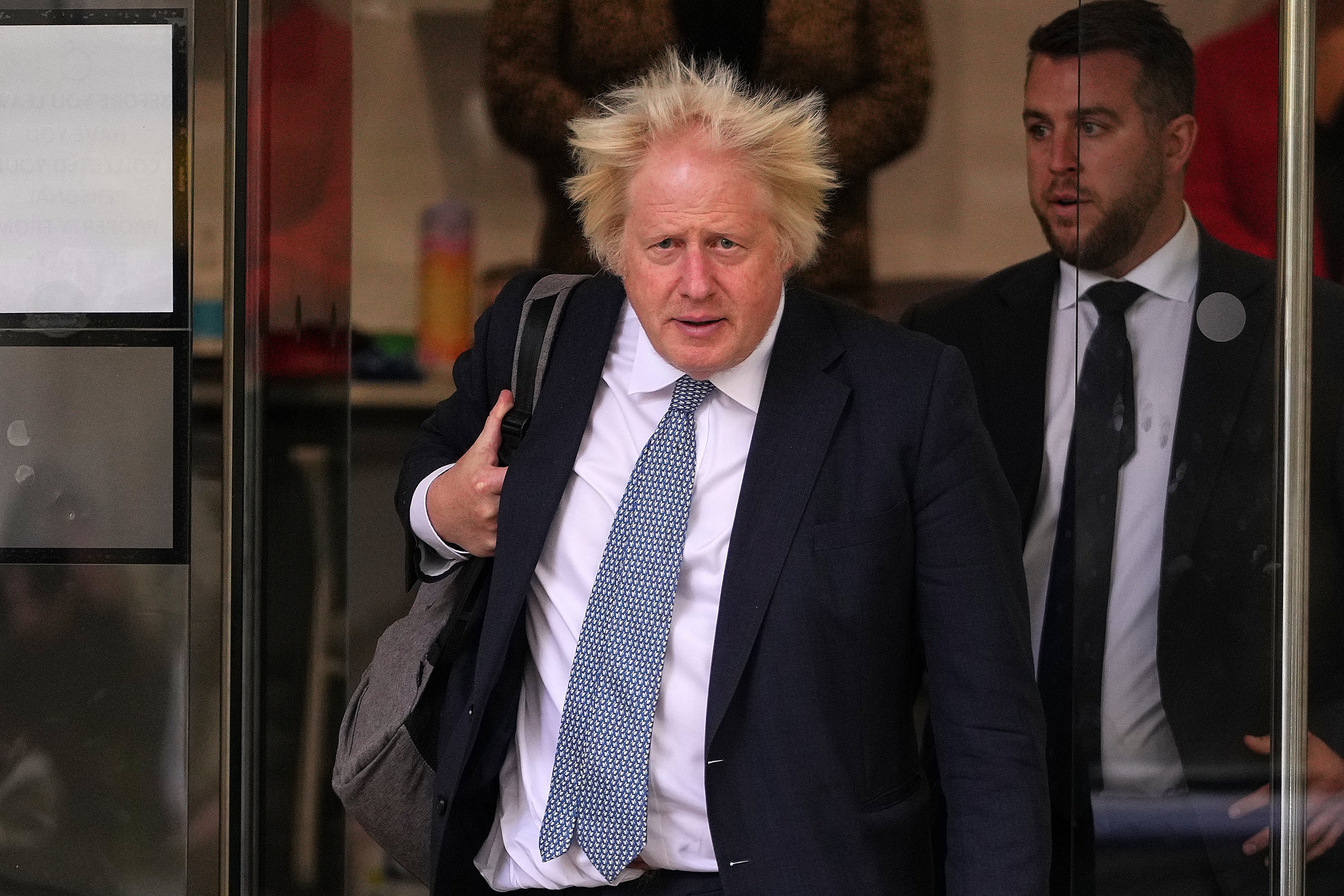
Whatever, it is certainly smart. Reeves is facing a monumental battle in filling the gaping hole in the public finances. A torrid time, for her and for Starmer, which will stretch their credibility and right to govern, awaits. In advance of the Budget, they are seeding the thought that it’s not their fault, that the damage was the result of Boris Johnson’s recklessness and simplistic attitude. In that respect, it’s similar to the “Boriswave” argument on immigration that has also struck home. Kemi Badenoch is not regarded as much of a threat, but a brooding Johnson who may, just may, conceive of a comeback, remains one.
As, of course, is Nigel Farage. Flagging Brexit nails them both. The evidence is incontestable. The Office for Budget Responsibility, the very same OBR that the opposition loves to quote on the state of the nation’s finances, has said that Britain’s long-term productivity is 4 per cent lower than it would have been if we’d stayed in the EU.
At the Bank of England, governor Andrew Bailey is of the identical opinion, charging that Brexit will have a “negative” impact for the “foreseeable future” on the British economy. Business is also in no doubt. Company bosses overwhelmingly deplore Brexit. Yet, finding others to agree with them, who are prepared to voice their misgivings publicly, has been nigh impossible.
Much of the national media has stayed away, partly because they bought the Brexiteer line and also because the country voted to quit. Democracy determined the outcome – even if it was achieved by the peddling of untruths – and it cannot be undone. It’s over, live with it, move on. That has been the prevailing approach. The effect, though, has been one of induced torpor. Britain elected to go; it was wrong, but we did, and nothing of note has happened since to repair that injury.
To use the word Starmer and his colleagues love to trot out in other contexts, a “reset” of relations with the EU is urgently required – one that will undo some of the harm caused and begin to see the free flow of goods and people between the two again. That is what businesses would like to see: an end to the red tape and hold-ups and the restoration of the ability to hire the best-qualified people where and when they want.
We’re not going back, not rejoining – not any time soon, if ever. But we can make the best of a bad job and, in the process, boost the economy. Until recently, Starmer was not even prepared to venture there. It was too risky, likely to reopen old wounds, galvanise the right and those on his own side who were also pro-Brexit, spark an unnecessary row and become a distraction, in a period when Starmer and his ministers had to keep focused.
Allan, the rise of Reform and financial needs have combined to force a change. Tax rises are undoubtedly coming, and Labour is turning defence into attack. Upset? Don’t point your finger at us, but at the other lot who got us into this mess.
The beauty of the Starmer-Reeves play is evidenced by imagining if they did not do this, if the “B-word” as it became known in circles too afraid to mention it, was unsaid. What then? They would have nothing. This way, they are on the front foot, knocking back the critics, and it will be interesting to see how those enemies will respond. Probably, the new tack will be dismissed as a cynical attempt by Labour to park the guilt away from its own mismanagement. But the OBR, Bank of England and, if it steps up, as it should, the business community, can underline Labour’s claim.
Starmer and Reeves have to be careful. Too great an emphasis on the decision, on the referendum vote, and they will appear rooted in the past, pointing to a ballot from nine years ago, currently going nowhere. As with George Osborne’s austerity programme and Johnson’s handling of the pandemic, they took place under former administrations. Likewise, in her first few months in office, Reeves harped on about the surprise “black hole” she had inherited, an accusation that grew tired and ultimately fell on deaf ears and in the end, did her no favours.
Moaning is not enough; worse, it will weaken. Instead, Labour should use the Brexit catastrophe as a reason for forging ahead. No apologies, no Starmeresque fence-sitting and hand-wringing, no ifs and buts – Britain must craft a new blueprint for relations with the EU and do it quickly, since for many businesses reeling in the face of global uncertainty and headwinds that include the effects of Brexit, time is of the essence.
They’ve said it; now do something about it.
Join our commenting forum
Join thought-provoking conversations, follow other Independent readers and see their replies
Comments
Bookmark popover
Removed from bookmarks