I am sick to the back teeth of striking doctors
As frontline NHS doctors walk out again over pay, this time until Christmas, their defence that they are doing more good than harm is increasingly hard to stomach, says Sean O’Grady


Are our striking resident doctors becoming the “new Just Stop Oil?” If you catch my drift immediately, the unfortunate answer to that is “yes”. If not, then you probably soon will, and that is not good for the standing of the medical profession.
You may well, like me, feel that these doctors are just the very same kindly people who’ve helped you when you’ve been in need: hard-pressed and dedicated medics, people with a cause people feel an instinctive sympathy for. In the case of the climate protesters, it is saving the planet by getting governments to take the necessary action to reduce greenhouse gas emissions. In the case of the docs, it is saving the NHS by making Wes Streeting treat medical professionals fairly. Both feel they are being driven to radical action.
There is even the superficial resemblance of the resident doctors adopting Just Stop Oil’s bright orange as their combat dress, but also the much more fundamental parallel in that they are spoiling a good campaign by winding the public up and losing the popular support that, in the end, is their best chance of success. The fight against climate change and the drive for net zero seems to have suffered in recent months, not least because the public has been more preoccupied with the cost of living and business, in Britain at any rate, has had to deal with crippling energy bills.
The extreme tactics of the climate protesters became counter-productive when they looked like spoiled kids stopping people from getting to work (and ambulances taking patients to hospital, as it happened). You can agree that climate change is the transcendent issue of our times, but still get very annoyed when someone glues themself to a road and messes your day up – or chucks soup at some masterpiece in a gallery just to get attention. There’s a balance to be struck.
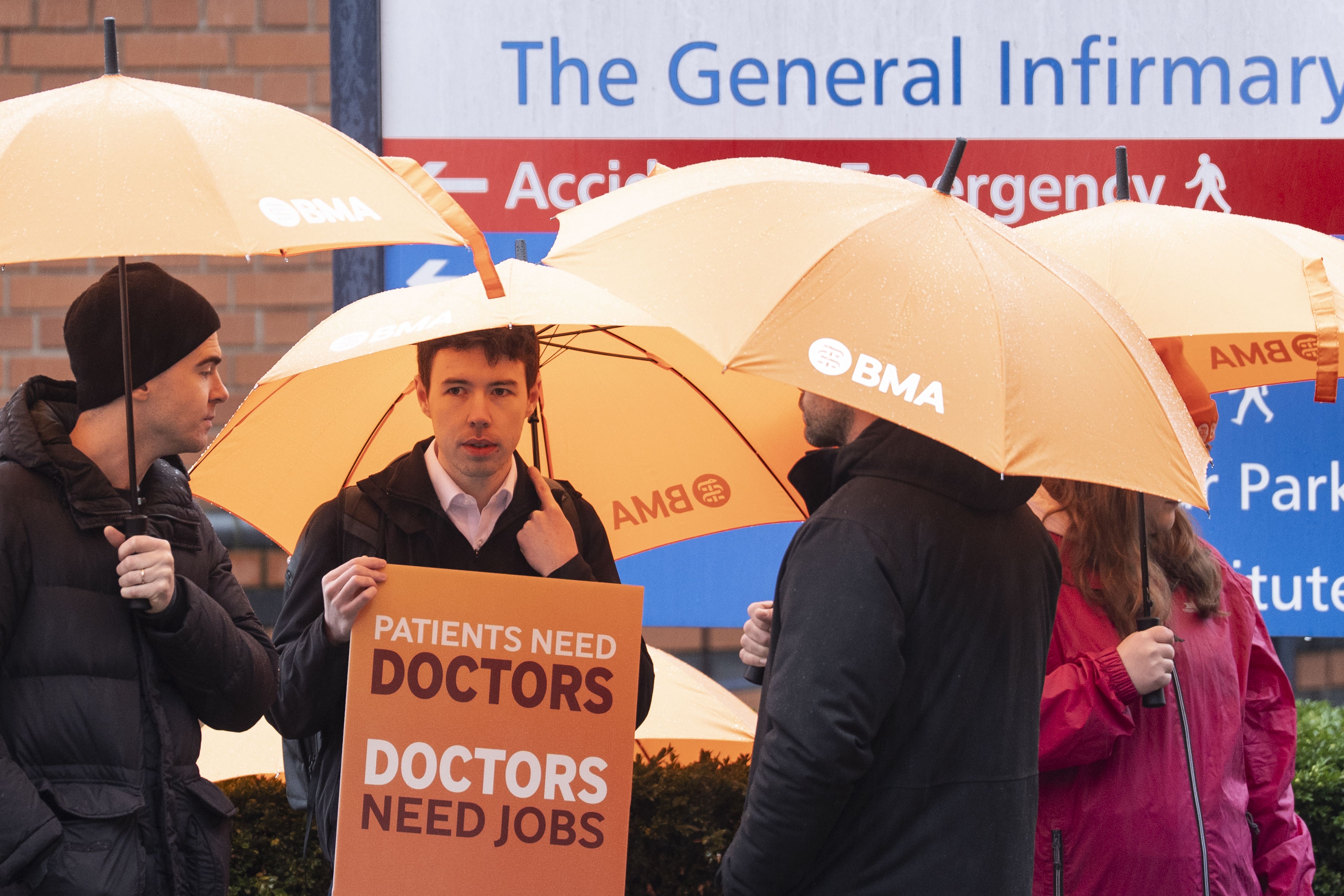
As there is with the current wave of industrial action. Of course, the whole point of industrial action is to cause disruption, and therefore the rational course of action for a trade union is to strike at a time and in a manner that causes maximum damage – the rail unions have perfected such techniques, with some success. But the NHS is surely different, for obvious reasons, and striking at this particular moment, during the annual winter crisis and during a nasty epidemic of flu, just feels wrong. It seems unnecessarily harsh when there is the option of postponing the action until a time when the situation is less acute. Put more bluntly, more lives will be lost and more pain inflicted needlessly this week than in, say, a month’s time.
But the doctors’ leaders sound peculiarly complacent, if not hard-hearted, in their attitude to such arguments. They sound unreasonable – and that is dangerous for their campaign. The doctors may feel that they have to administer unpalatable treatment for the greater good, but you cannot then blame people who’ve had their operations postponed or have to wait even longer for treatment to wonder if this is really the best way to sort out the problems in the NHS. At the end of the day, patients are taxpayers, and it is they who pay the doctors’ wages.
The British Medical Association was always a trade union, zealously protecting its members’ interests, but in a rather more subtle, smoother, more camouflaged manner than the average hairy-arsed shop steward in a car factory yelling “everybody out”. In recent times, that has changed. The BMA is more like the GMB, if you like. I even heard one BMA leader this morning talk about the mood on the “shop floor”, and they call their withdrawal of medical care “industrial action” in the form of a “full walkout” until just before Christmas Eve – even they wouldn’t strike on Christmas Day.
The hardline attitude also attracts more media scrutiny on behalf of a frustrated public to the details of their claim, which lack merit. The idea of a full “pay restoration” to some arbitrary point in the past, for example, looks completely fanciful to most people. Journalists, for example, would love to go back to the salary and working conditions of 2008, but it’s a fantasy.
A BMA rep might argue that everyone should fight for “pay restoration” to whatever historic benchmark suits them best (I’d pick the newspaper industry in 1988), but you can’t run an economy like that. They did get a 29 per cent hike last year, and the government is offering them more jobs as specialists so that they can become consultants more quickly – and that means earning six figures, much more than the vast majority of their patients could ever dream about.
There is also the question of whether the wages the doctors lose by striking could be made up by earning overtime when the NHS struggles to bring the waiting lists back down again. I’d also like to know what the fees are for consultants working the resident doctors’ shifts.
In the end, if they carry on like this then the resident doctors will help destroy the Labour government, which may not matter much to them, but also kill the thing they profess to love – the National Health Service. Ironically, turning the British health system into a privatised insurance system might actually mean higher salaries for some in the medical professions, depending on market forces.
In the post-NHS world, the BMA would have to deal with private-sector management and paying clients who would be generally much less responsive to claims about fairness and bending to industrial action. Like the climate activists who won and then lost so much public sympathy, the doctors should take a long, hard diagnostic look at the probable consequences of what they are doing. If they can find any, they could just ask the print unions, the car workers and the coal miners how industrial militancy worked out for them.
Join our commenting forum
Join thought-provoking conversations, follow other Independent readers and see their replies
Comments
Bookmark popover
Removed from bookmarks