I’ve changed my mind – young people should be banned from social media
As Keir Starmer fast-tracks Labour’s plans for new social media laws to protect young people, Andrew Griffin explains how the rapid rise of artificial intelligence – and the real-world impact of fake content – convinced him of the need for age protections for under-16s


I was raised by the internet. And while I’ll leave it to people who know me to decide whether that’s a good thing, I am at least astonishingly grateful for what it gave me: access to a near-infinite amount of knowledge, a community that I would never otherwise have found, and a host of skills that I would never otherwise have been taught.
And so I have always rebelled against the idea of taking it away from young people. Even as the idea that young people are being damaged by social media took hold, I saw drastic measures such as banning it entirely as a kind of fearful failure. The job should be about making the internet safer, not admitting defeat and giving up entirely.
But in the last few years, that long-held idea and ideal – one that has shaped my entire worldview – has become more shaky. It is not, I think, that I have changed, but that the internet has. And all of a sudden, the idea of banning or at least limiting access to social media for young people seems altogether more sensible.
Once, social media was both smaller and bigger than it is today. You could find your niche, which was exactly what the internet was best at: whatever you were interested in, there was a community ready to accept you and a knowledge base ready to make itself available. Not all of those niches were good – some of them were outright harmful – but that danger was nothing that a bit of wiliness and street smarts couldn’t keep you from.
None of this is to suggest that the internet was in any way secure in those good old days. But safeguarding was primarily a matter of keeping people away from the bad bits, in a way that was largely similar to any other place full of strangers. As long as you kept children away from the dangers – and ensured that they knew what to do when they encountered them – then there were plenty of joys to be found online.
Now, however, the web is a much darker place. And the change is fundamental: the very nature of what the internet is has changed so substantially that I think it represents a whole new kind of threat.
The rise of artificial intelligence – and the sort of misinformation and outright lies that it makes trivially easy – means that you are no longer able to trust what you see online. The breadth of social networks has grown, so that you are no longer able to find those niches, and are more likely to be exposed to mainstream and harmful voices. At the same time, the power of those running the social networks has grown too, so that those harmful voices are no longer a part of social media but are the very people running them.
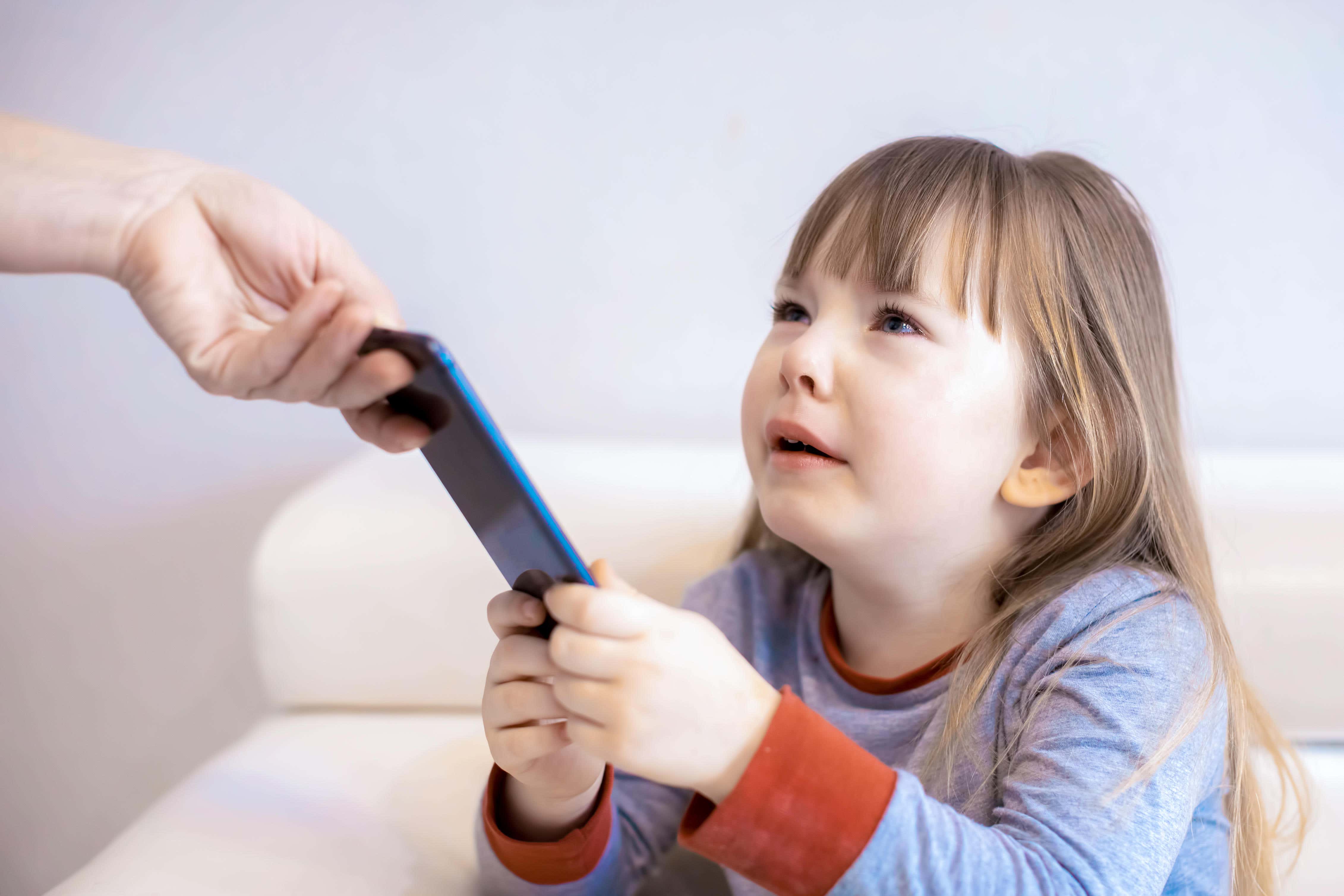
It is not all the internet’s fault. The broad availability of smartphones and the social apps that are available on them has come at the same time that the healthy offline experiences that should supplement them have fallen away. The iPhone and the destruction of youth clubs were tragically simultaneous, and have had much the same effect as each other.
Any ban must be undertaken with that in view. We can’t just ban things, but must also offer alternatives. Those could be online, such as healthier spaces that are focused not on division and outrage but on community and discovery. But they should also be offline, offering better places to be away from the computer and the phone, which is altogether more expensive and difficult than the cheap and easy response of banning those online spaces entirely.
Because the web is only half the problem. We need to build a real world that is safer, and time is running out.
Join our commenting forum
Join thought-provoking conversations, follow other Independent readers and see their replies
Comments
Bookmark popover
Removed from bookmarks