How a Chopin piano competition helped me find joy in a dark world
It’s called the Olympic Games of the piano – the Chopin Competition, which takes place every five years in Warsaw. Here, novelist Richard Mason explains why this great composer’s music is needed more than ever – teaching important lessons about why beauty and light always triumph over violence and destruction
I remember where I was, what I was eating and what I was reading the first time I heard Chopin’s Nocturne in C Minor, Op 48 No. 1. It was the early 1990s. Simply Red, Kylie and PM Dawn dominated the airwaves – but something about this extraordinary piece of music landed in my pre-frontal cortex and ignited a lifelong love affair with the soundtrack of a vanished age.
Except for a handful of my closest friends and a few (but not all) members of my immediate family, Fryderyk Chopin is the human being for whose existence I am most grateful. Learning his music, attempting to decipher the mass of notes on the page, to use my body to unleash the beauty that poured in such torrents from him (he was only 39 when he died) has given me a respite from every sadness and taught me much of what I know about joy.
Every piece, even the simplest, is a work of genius. I do not presume to conquer them, much less to achieve perfection – and there are compositions, like the Ballade in F Minor (Op 52 number 4) that I have been working on for a decade and of which I can still only play five pages.
The destination doesn’t matter with Chopin, all that matters is the journey. And that journey has taken me to the very centre of the piano world: the Chopin Competition, which has taken place every five years in the concert hall of the Warsaw Philharmonic for nearly a century. Not for nothing is it called the “Olympic Games of the piano”.
Hunger Games would be more accurate. Even to enter, you must have conquered the complete repertoire – because each finalist must play an entire piano concerto with the Warsaw Philharmonic.
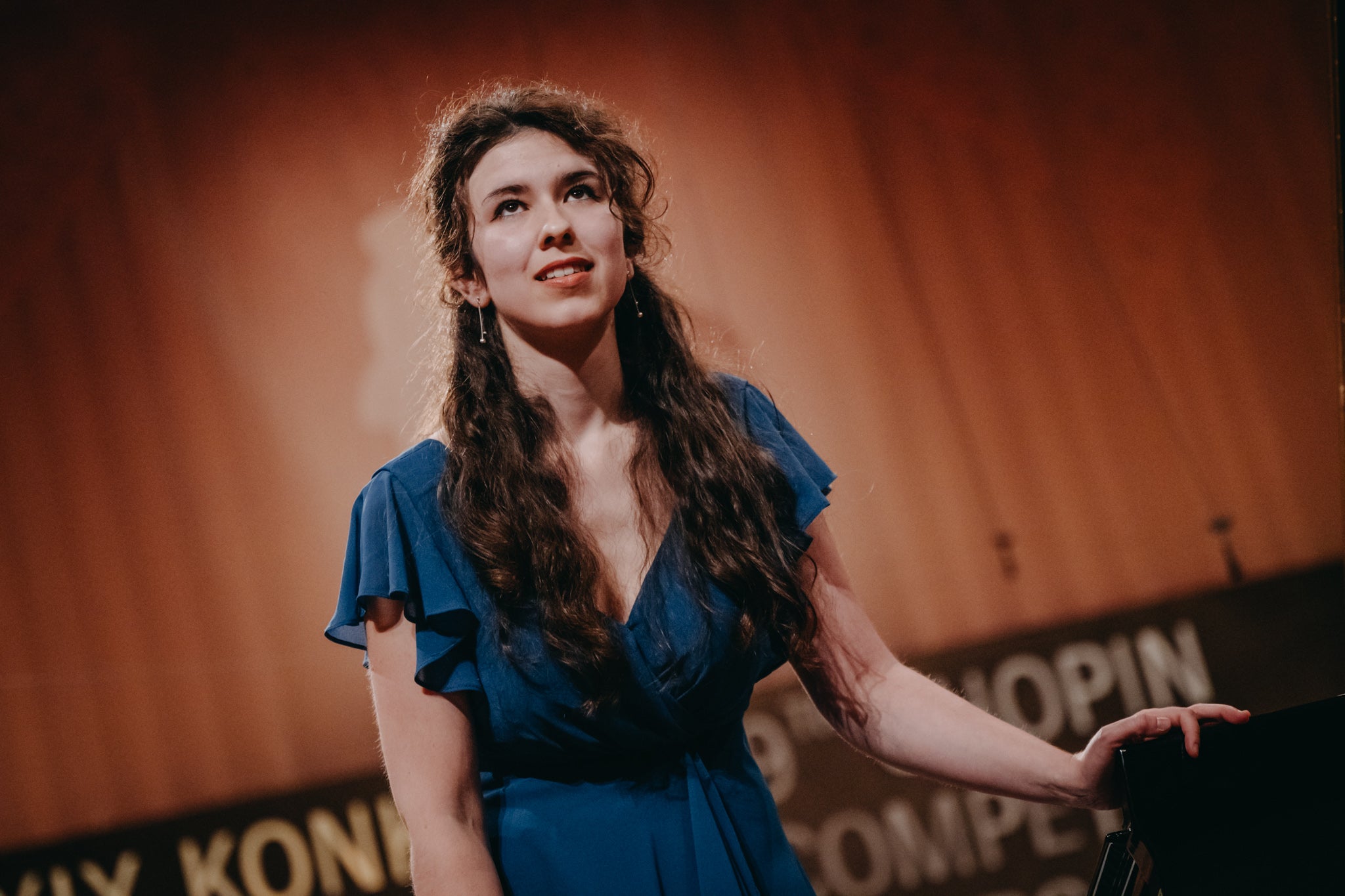
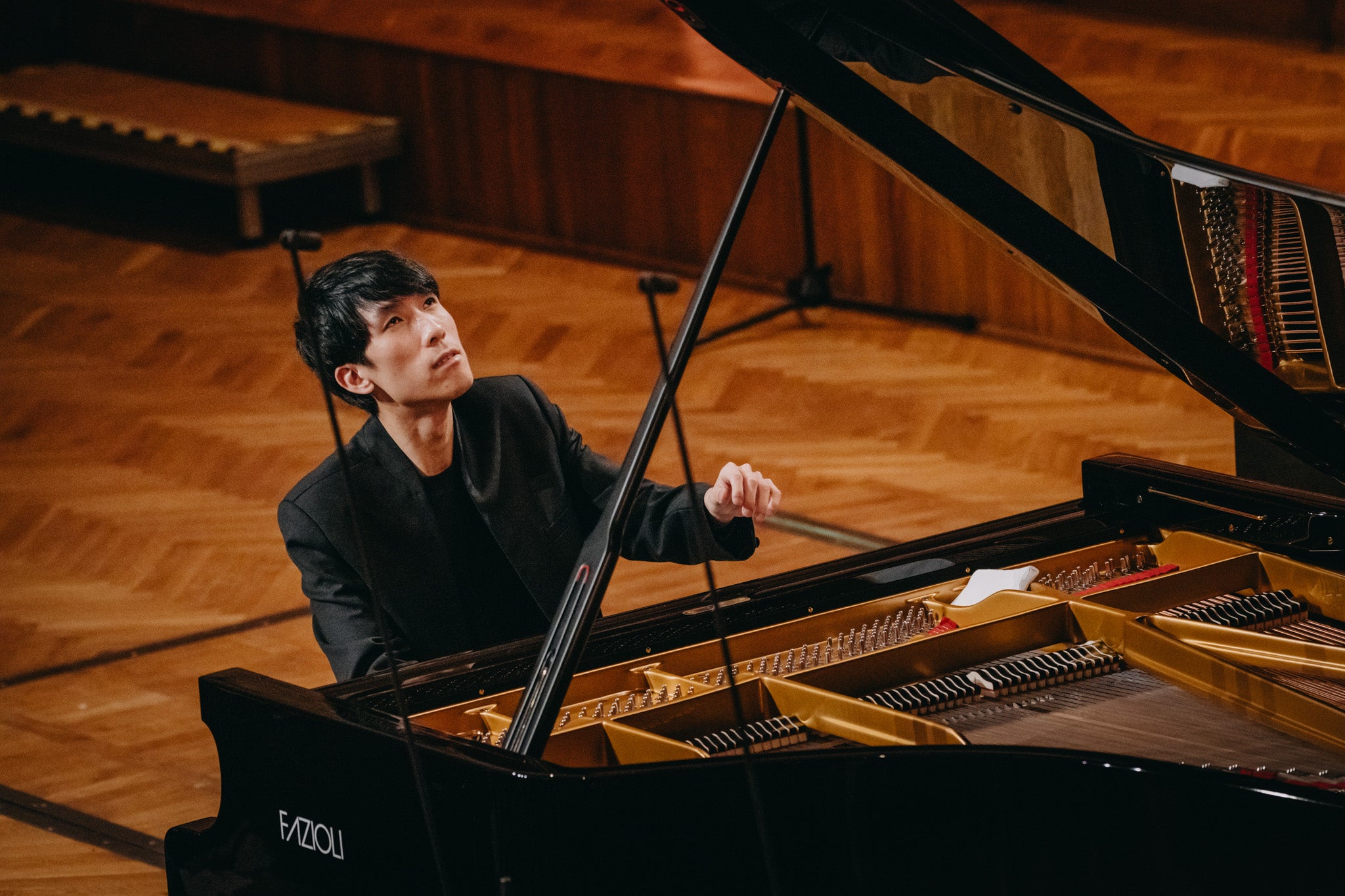
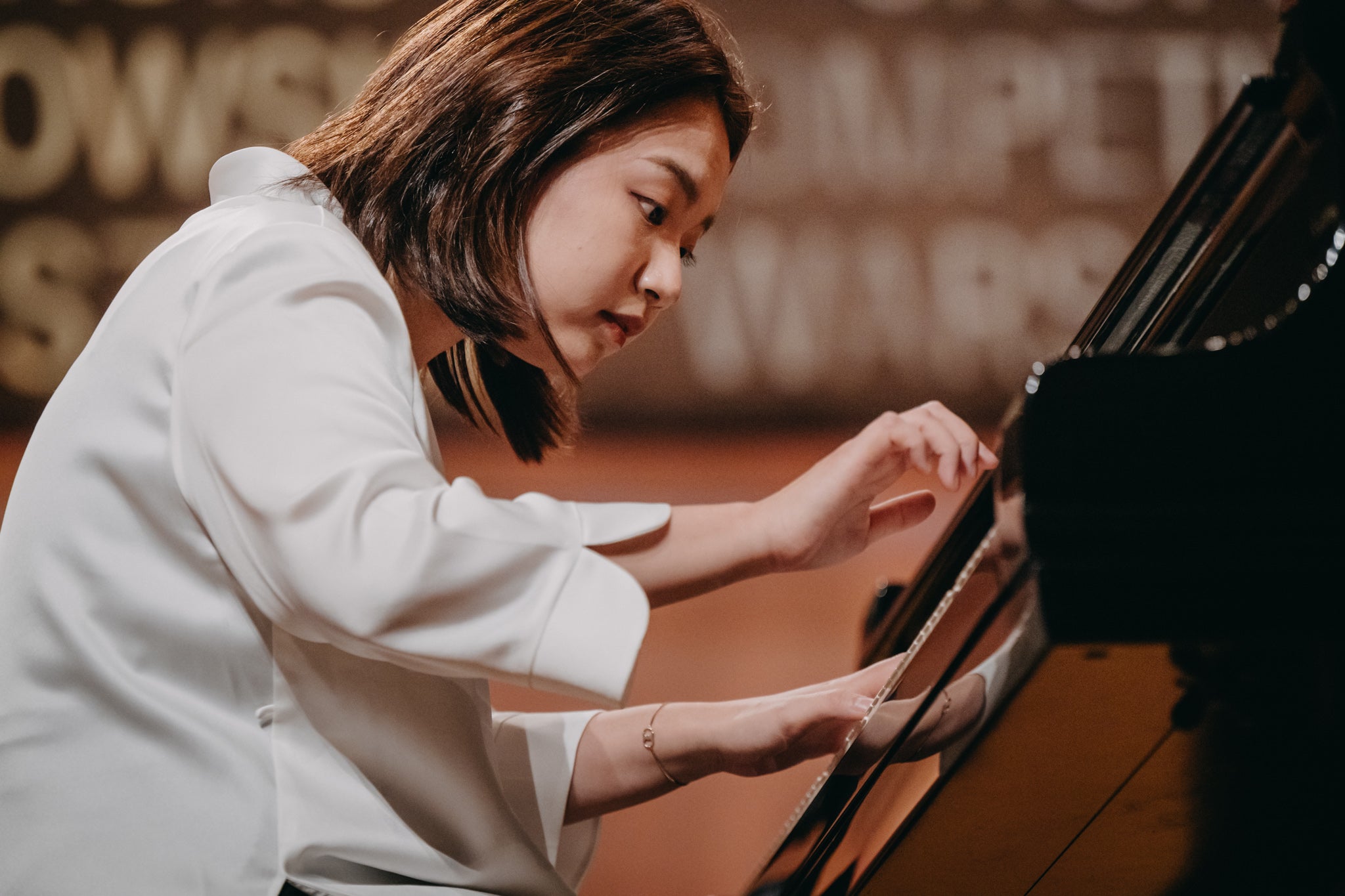
More than 600 international young hopefuls, aged between 15 and 30, apply. Of these, 162 make it to the preliminary round. They are cut to 85 for the first round, then 40 for the second, 20 for the third. Only 11 make it to the finals – and all must face the toughest jury on earth.
“Zero stars,” said the music critic Maria Milovanovic, who was sitting next to me, after a performance that had left me in tears. A member of the jury was heard to sniff, “there have been no good polonaises in this competition”, after hearing dozens of the world’s most talented young pianists, many of whom had clocked up 10,000 hours of practice by the time they turned 14, play their hearts out.
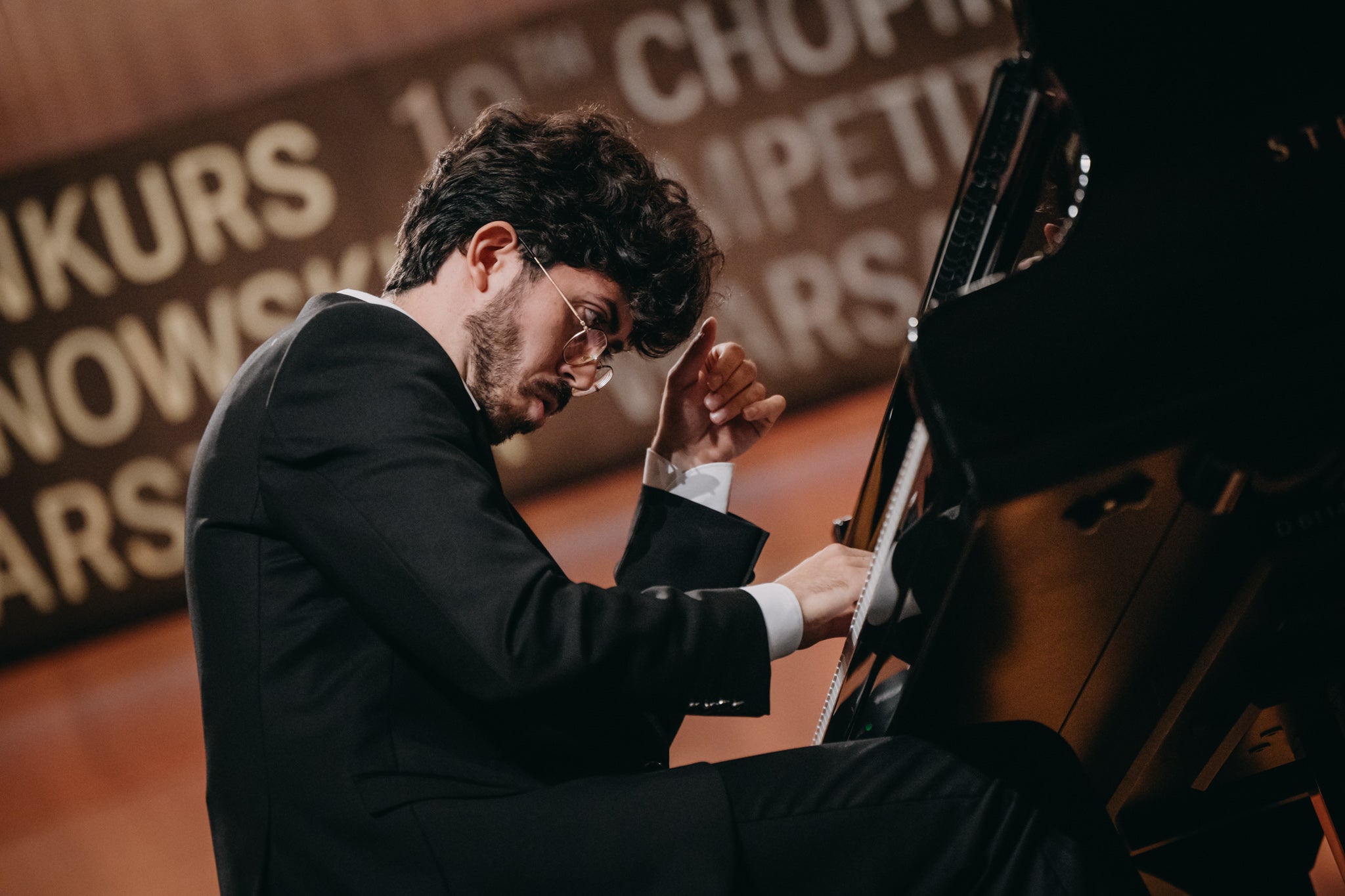
One of these is Ruben Micieli, one of Italy’s most exciting young pianists, whom I catch playing in the second stage of the 19th Chopin Competition. Listening to him play made me think of a passage in a novel I wrote called The Lighted Rooms, in which a concert pianist in the grip of dementia uses her auditory hallucinations to play Chopin again – long after her hands have been frozen by arthritis.
After a dazzling performance, full of nuance and originality, I interviewed Ruben over lunch. Unlike other young virtuosi, who seem to struggle with words – as though the only way they can express themselves is through music – Ruben is a bundle of dark-haired, garrulous energy. As he demolished a ribeye, the 28-year-old talked to me about finding the piano at the age of four. His dad is a pizza-maker, and his parents now run an office cleaning company – but they loved music and recognised that Ruben had perfect pitch.
His first professor is now in the grip of dementia – she “doesn’t remember who I am. Which is very difficult to accept.” As a teenager, he practised so much that “my mum started to say: ‘Maybe practice less. There’s no need to do as much.’” But he couldn’t slow down because, “by then I [had] started loving it.”
Ruben has since emerged victorious from 40 piano competitions. Other pianists I loved in the first and second rounds – like Britain’s Diana Cooper, China’s Rao Gao and Italy’s Gabriele Strata – did not advance to the finals, the piano concertos on which they had worked so hard left unplayed. Even Micieli, whose performance won triumphant applause, didn’t make it through – but his enthusiasm remained undimmed.
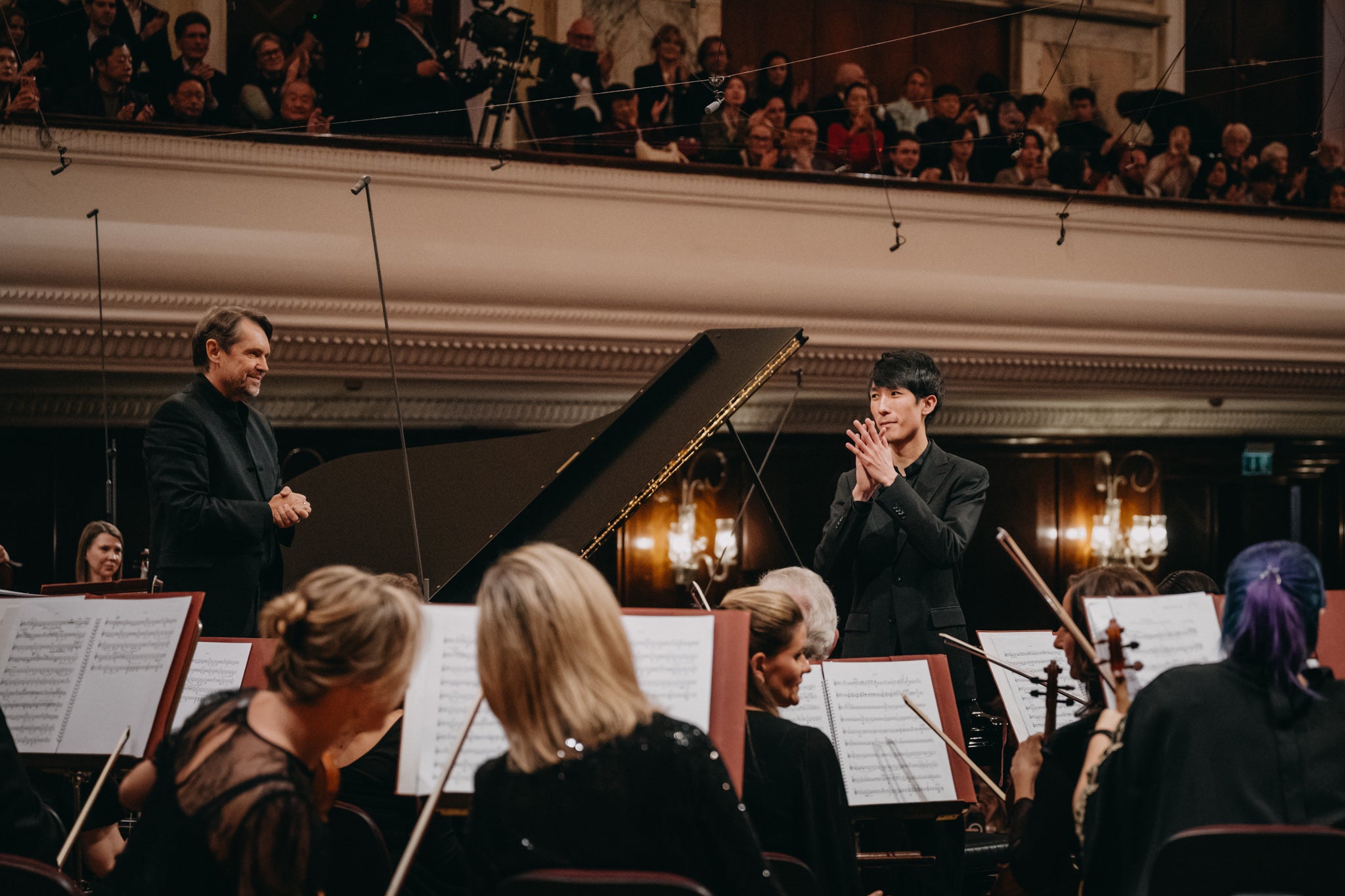
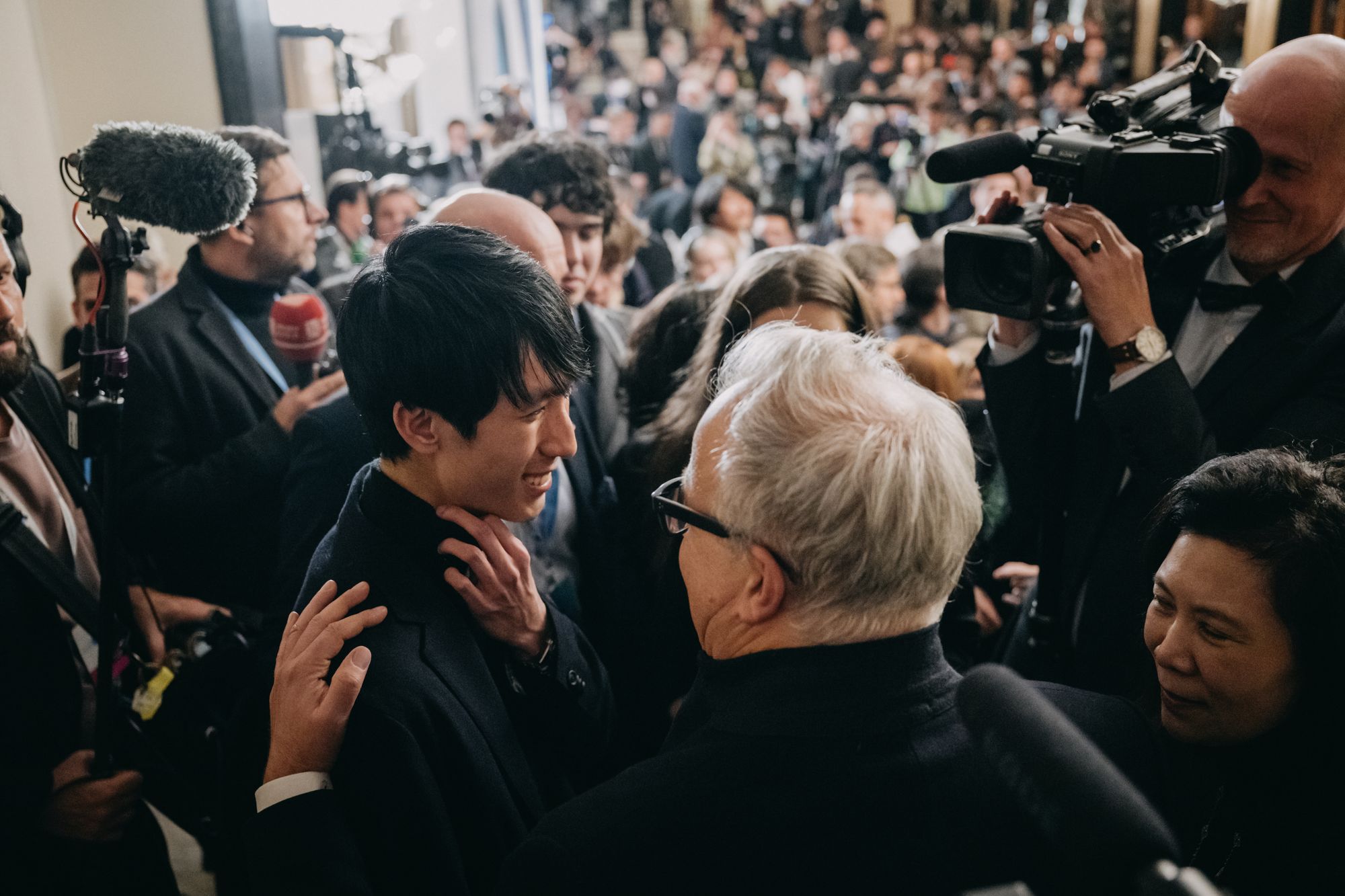
“I learned so much from Chopin. I learned so much about what it can mean to suffer – and the more I grow up, the more I understand how failure is so important. Especially if you take it in the best way, which is you learn something from it. Always, always.” In the end, the winner was Eric Lu, an American pianist who performed a Polonaise-Fantasy Op 61 and one of Chopin’s concertos in the final.
In our age of AI, a certain kind of mechanical “perfection” may be easy to achieve – but there is no shortcut with Chopin. As I listened to these young pianists, I marvelled at Chopin’s capacity to inspire devotion. It’s you, your body, your brain and your soul in collaboration with an instrument made by human hands with natural materials. That’s all you have. Add time, devotion, resilience, rigour and empathy – and a beauty rings out that has endured, undimmed, through all the atrocities of the 176 years since his death.

Chopin’s music is an enduring testament to the fact that human beings are capable of kindness and beauty and light; that violence and destruction will have their day and fade away. As children around the world stumble into his enchanted labyrinth, as I did, and grapple bravely with its challenges – in some cases devoting their lives to unleashing his subtleties, the rewards are immense.
To hear 10 hours of Chopin a day requires a certain discipline, and few have the capacity to withstand so much magic. I decided not to force myself, and, when I had my fill, decided to return to my hotel and work on my new novel in solitude.
I gave my ticket to one of the crowd standing outside the Philharmonic. These people had been waiting in the cold since 5am. One young woman had flown all the way from South Korea, without a ticket – just hoping to be admitted.
One evening, a woman with a pinched, worried face caught my eye.
As I passed, she said: “Could I please have your ticket?”
“Why do you want it?” I asked.
“Only if you aren’t coming back,” she said, stumbling over her words.
“But why do you want it?” I asked again.
Our eyes met.
“Because I love Chopin,” she said.
I gave her my ticket because we both understood.
If you’d like to experience the beauty of the Chopin Competition without waiting until 2030, visit www.chopincompetition.pl or search Chopin Competition on YouTube
Join our commenting forum
Join thought-provoking conversations, follow other Independent readers and see their replies
Comments
Bookmark popover
Removed from bookmarks