Seven out of 10 Air India aircraft have recurring technical defects, parliamentary report shows
Nearly half of all commercial aircraft analysed across India’s airlines flagged for repeated issues
More than seven out of every 10 aircraft in the Air India Group fleet were found to have recurring technical defects, according to data presented in the Indian parliament.
On Thursday, civil aviation minister Murlidhar Mohol presented the figures in the Lok Sabha, or lower house of parliament, detailing inspections carried out since January last year.
Inspectors identified repetitive defects in 191 of the 267 aircraft operated by Air India Group, the highest proportion among the airlines reviewed, according to NDTV. Air India Group encompasses both the nation’s main flag carrier and Air India Express.
The ministry logged which aircraft had “repetitive deficiencies” detected during surveillance and audit inspections conducted by India’s aviation regulator, the Directorate General of Civil Aviation (DGCA).
From a total of 754 aircraft inspected from six airlines, 377 were flagged for having recurring technical problems – about half of those reviewed.
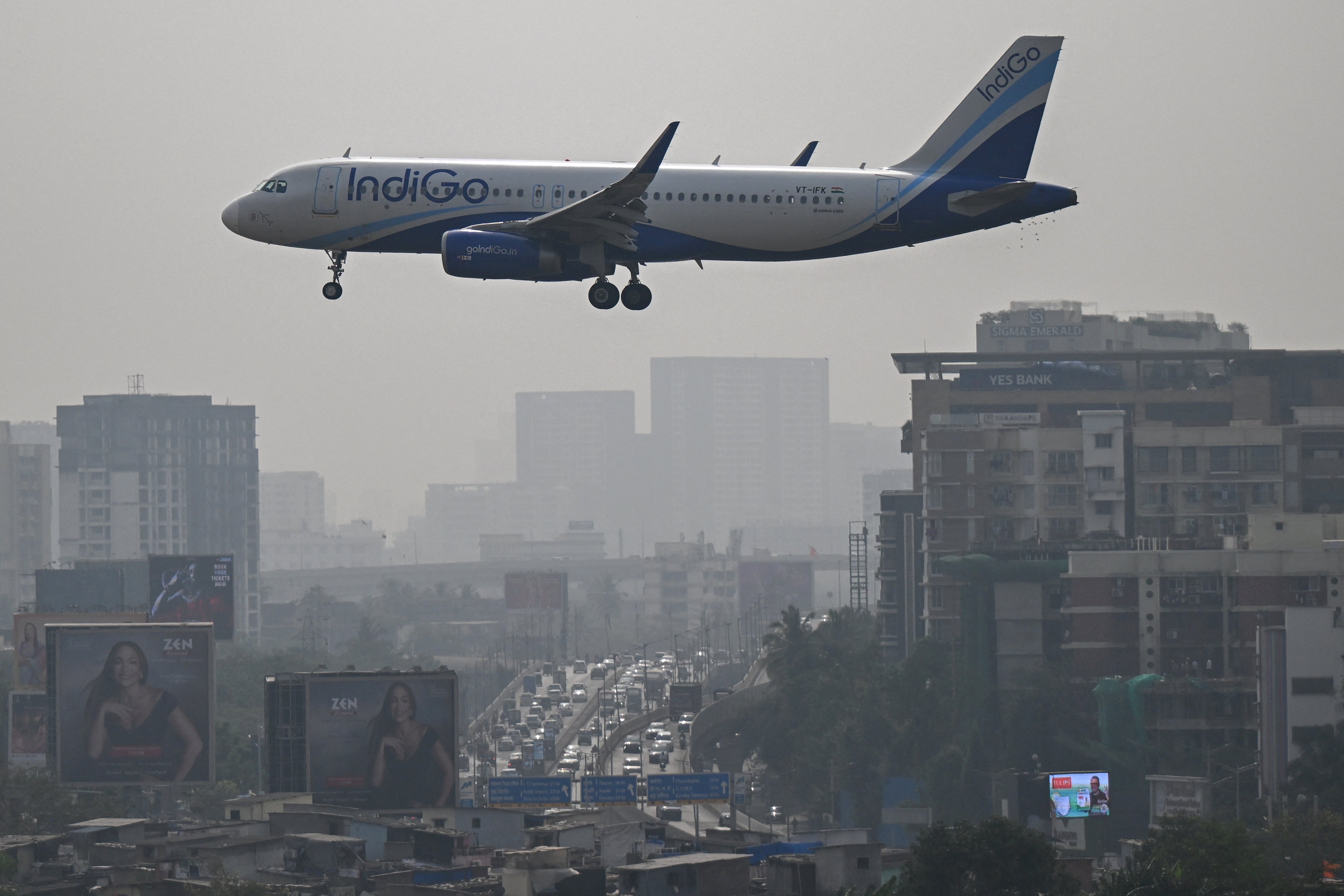
IndiGo, India’s largest carrier, had 405 aircraft examined, and inspectors identified repetitive defects in 148 of them as of 3 February this year. SpiceJet recorded 16 affected aircraft out of 43 analysed, while Akasa Air reported 14 aircraft flagged from 32 reviewed planes, according to an Economic Times report.
The Independent has reached out to Air India, IndiGo, SpiceJet, and Akasa Air for comment.
“We have, out of abundant caution, carried out checks across our fleet. Hence, numbers are higher,” an Air India official told NDTV.
They said that most of the defects fell under lower-priority Category D items, including “seats, tray tables, screens (on the back of seats), and so on,” rather than systems critical to flight safety.
“These are not related to the safety of the aircraft,” the executive said, adding that a retrofit programme for narrow-body aircraft over the next two years would address many of the identified issues.
The ministry also outlined the scale of oversight the DGCA carried out during the previous year. Regulators conducted 3,890 surveillance inspections, 56 regulatory audits, 84 checks on foreign aircraft, and 492 ramp inspections as part of planned monitoring.
They also carried out 874 spot checks and 550 night surveillance inspections under unplanned oversight measures.
The government told parliament that it has expanded the number of roles for technical officers in the DGCA from 637 in 2022 to 1,063 following a restructuring exercise designed to strengthen regulatory capacity.
The disclosure in parliament came following a period of heightened scrutiny in India’s aviation sector, which has been tested by a series of high-profile safety and operational events in recent months. In June 2025, an Air India Boeing 787 crashed after take-off from Ahmedabad, killing 241 of the 242 people on board and 19 on the ground.
In December 2025, IndiGo cancelled nearly 4,500 flights over a 10-day period after failing to adjust to revised crew duty rules, leaving tens of thousands of passengers stranded.
Earlier this week, a pilot reported a potential fuel control switch defect on an Air India Boeing 787 operating from London to Bengaluru. The UK Civil Aviation Authority has sought detailed explanations and maintenance records from the airline after the aircraft continued operations despite the anomaly.
Join our commenting forum
Join thought-provoking conversations, follow other Independent readers and see their replies
Comments
Bookmark popover
Removed from bookmarks