Thailand’s PM vows to build border wall as conservatives celebrate surprise election victory
Unofficial results show the prime minister’s party short of a majority but comfortably the largest party, meaning they will lead coalition talks


Thailand’s ruling conservative party has secured a surprise victory in the country’s general election, meaning prime minister Anutin Charnvirakul is likely to remain in power.
With results reported from about 94 per cent of polling stations, the Election Commission’s running count showed the ruling Bhumjaithai party securing roughly 193 seats in the 500-member House of Representatives.
That leaves the party short of the 251 needed to govern alone and paves the way for coalition negotiations in the coming days.
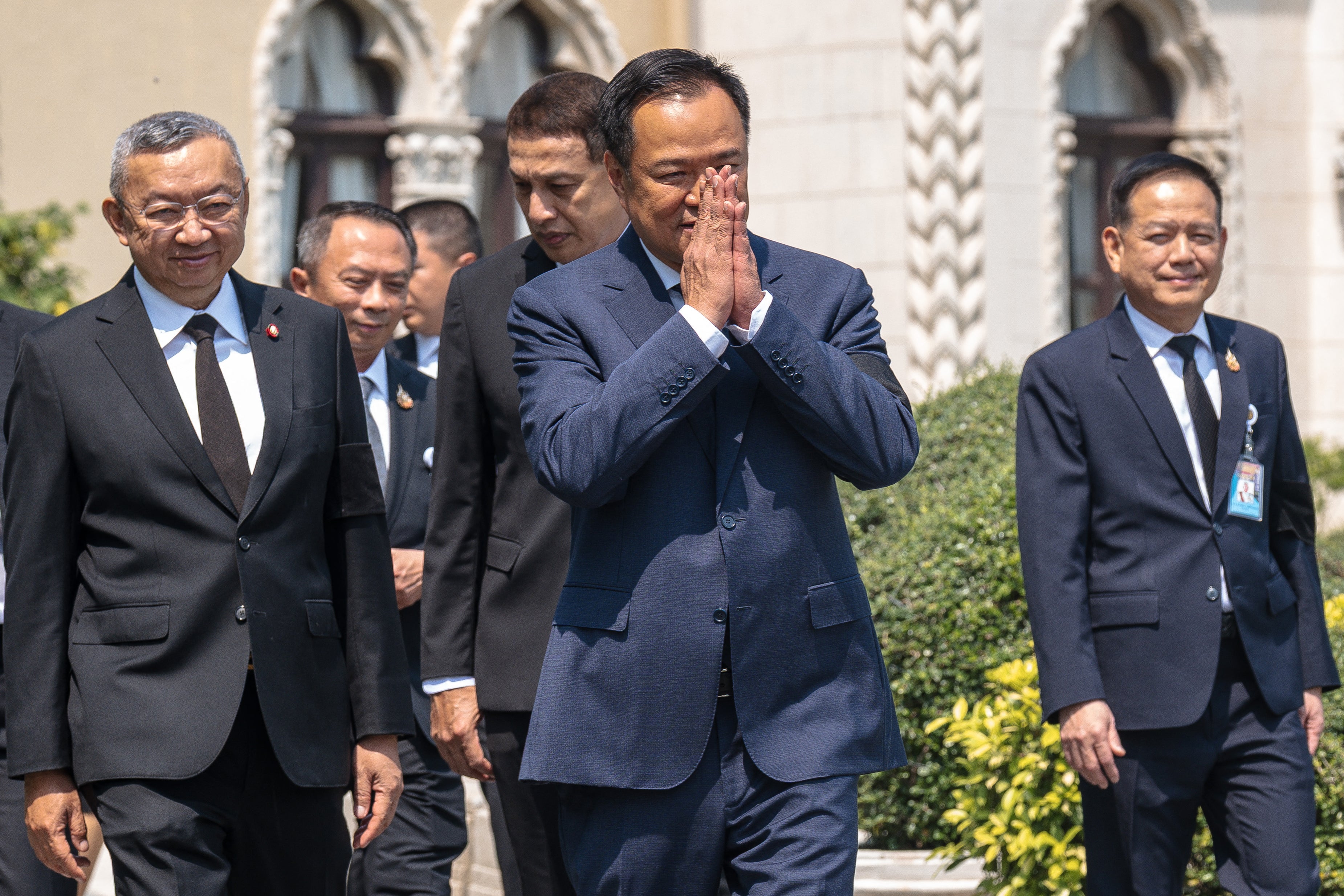
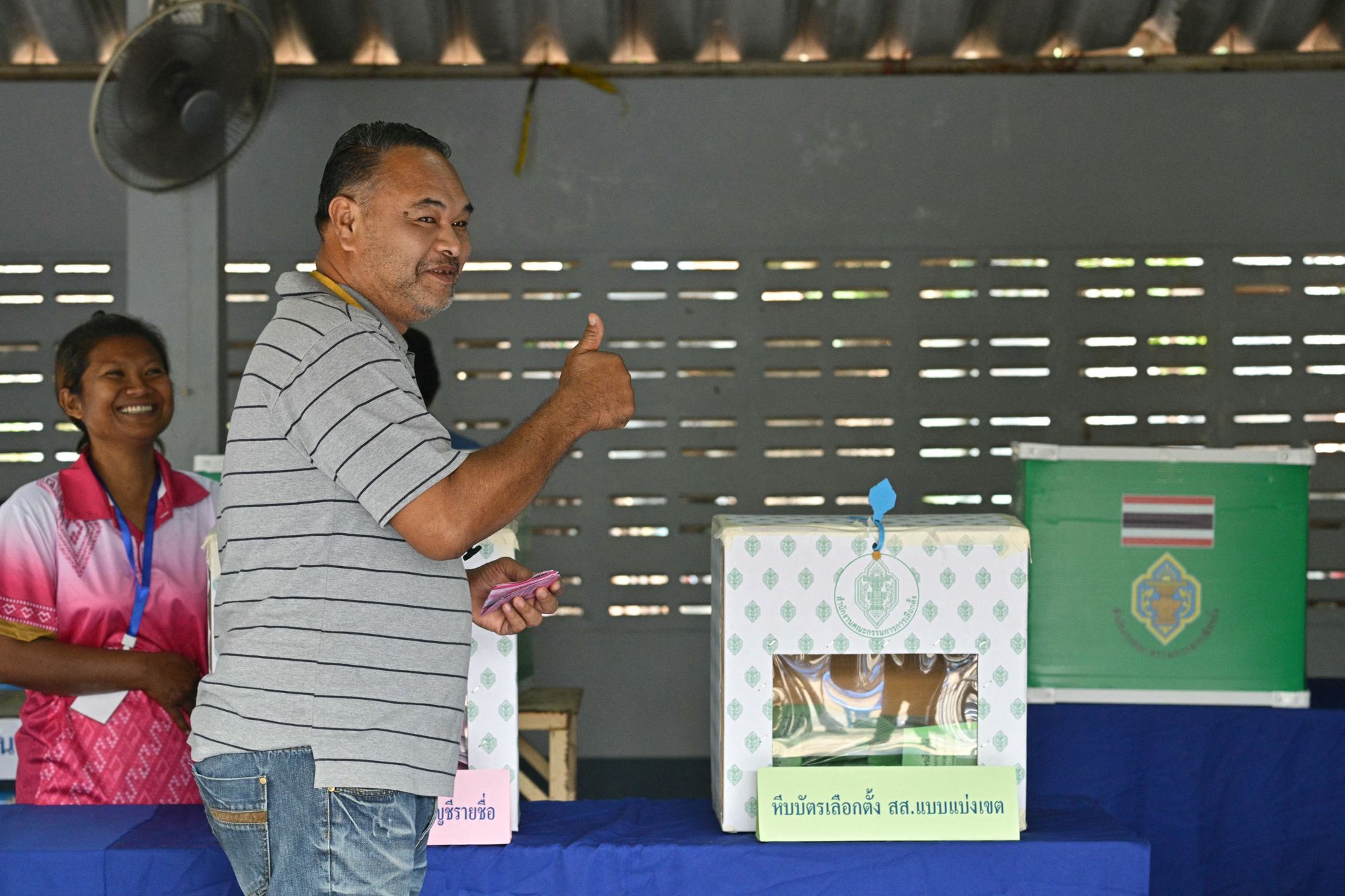
The poll, held on Sunday, drew a turnout of about 65 per cent, lower than the 2023 election. It unfolded amid sluggish economic growth and a surge of nationalist sentiment following recent border tensions with Cambodia.
Thailand’s lower house is elected through a mixed system. Four hundred lawmakers are chosen directly in constituency contests, while 100 seats are allocated from party lists in proportion to votes cast on a separate ballot indicating party preference. The final distribution of list seats may still change.
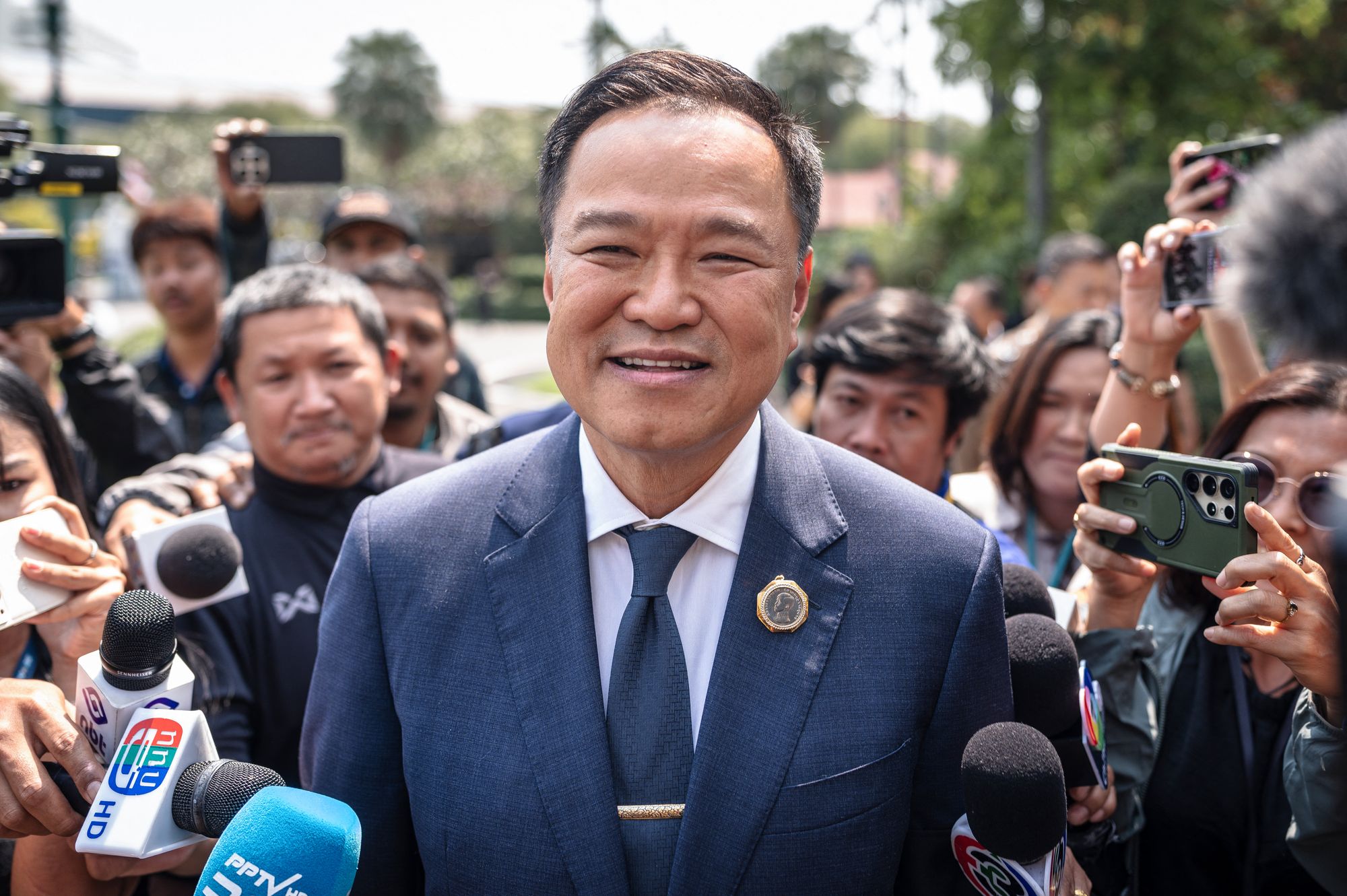
The progressive People’s Party placed second with 118 seats, despite leading most pre-election surveys. It swept all constituencies in Bangkok and won most of those in surrounding provinces, and it topped the party-list vote with about 3.8 million more ballots than Bhumjaithai.
Pheu Thai, the populist party long associated with former prime minister Thaksin Shinawatra, finished third on 74 seats, a poor showing for a movement that has often dominated Thai elections. It is widely expected to accept an invitation to join a Bhumjaithai-led coalition if one is offered.
A collection of smaller parties won a combined 115 seats, according to Reuters calculations based on commission data.
The result marks the first clear nationwide victory for a conservative party in several years.
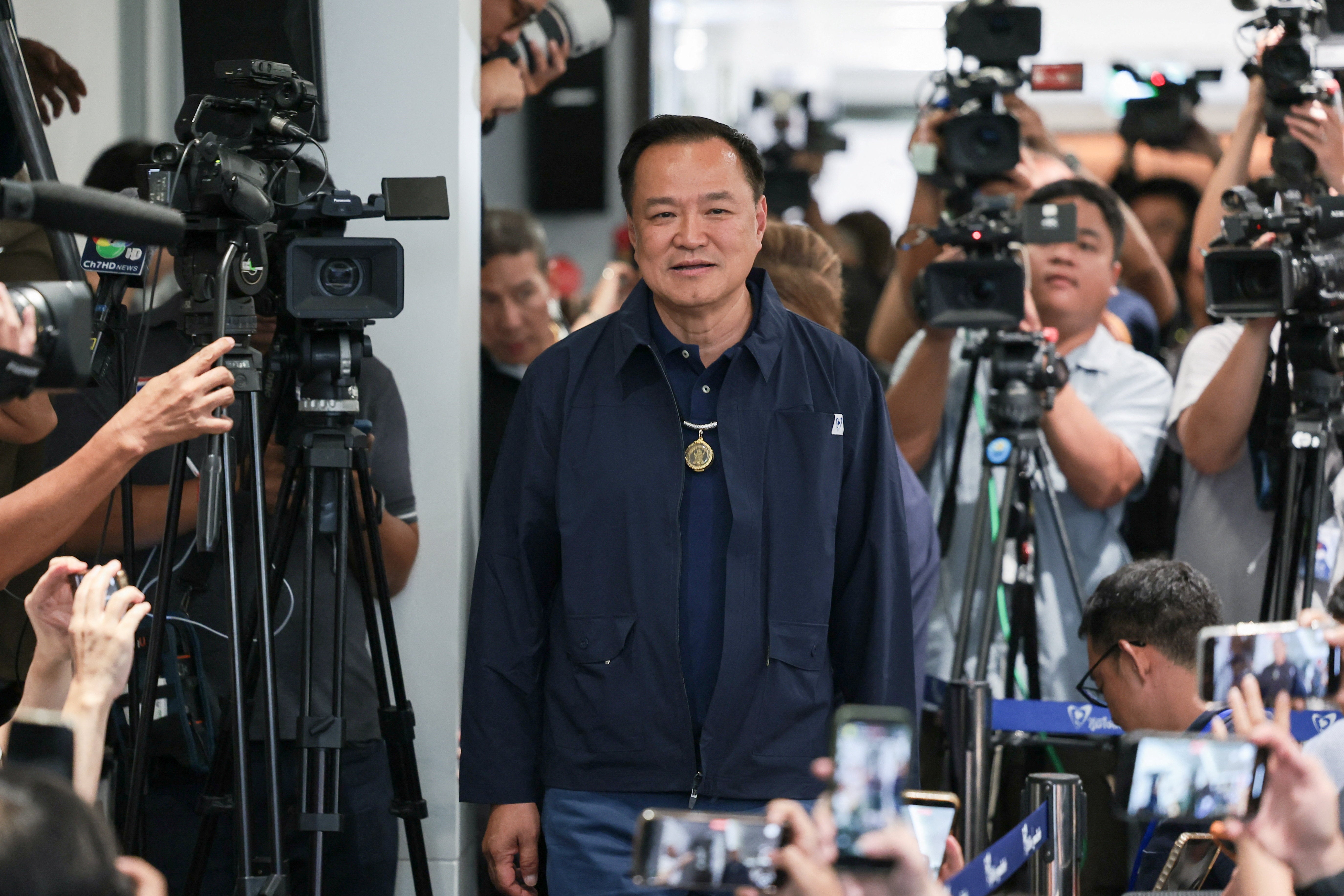
Analysts said Bhumjaithai benefitted from nationalist fervour sparked by a three-week clash with Cambodia in December and from deep-rooted patronage networks beyond Bangkok and other major cities.
While the outcome diverged from earlier polling, it was not unexpected, said Napon Jatusripitak, director of the Center for Politics and Geopolitics at Thailand Future, a Bangkok-based think tank.
“The result may have resolved a recurring dilemma in Thai politics, whereby conservative interests have repeatedly intervened to curtail democratic politics after losing at the ballot box. Whether this configuration produces genuine stability, however, remains to be seen,” he said.
Mr Anutin has been prime minister since September. He dissolved parliament in December, less than 100 days into his term, after facing the threat of a no-confidence vote following the removal of his predecessor, Paetongtarn Shinawatra, over an ethics breach linked to relations with Cambodia.
Flooding and financial scandals had dented his popularity before the border dispute allowed him to recast himself as a wartime leader, campaigning on national security and economic stimulus.
Reacting to the outcome, Mr Anutin described it as “a victory for all Thais”. Asked about forming a government, he said he wanted a strong majority but would wait for the final count. “We need a strong government,” he said.
He also reiterated hardline pledges tied to the border dispute.
“I will still have to build the wall. I must keep strengthening the military's capabilities. I believe Thai soldiers can win against anyone. And I still believe we need to keep the border checkpoints closed, not open them,” he said.
He has previously indicated that, if returned, the incumbent ministers for finance, foreign affairs and commerce would remain in their posts.
The People’s Party has ruled out joining a coalition led by Mr Anutin and said it would not attempt to assemble a rival administration.
Financial markets welcomed the result, with Thai shares rising about 3 per cent to their highest level in more than a year as concerns about renewed political instability eased.
Alongside the parliamentary vote, Thais were asked in a referendum whether parliament should be authorised to begin drafting a new constitution to replace the 2017 charter written under military rule.
Polls at the end of January had the People's Party significantly ahead of Bhumjaithai, but analysts said the surge in nationalism provoked by the Cambodia conflict favoured the conservatives.
Voters also backed a proposal to change the constitution, with nearly two-thirds in favour of replacing a charter put in place after a 2014 military coup, which critics say gave too much power to an undemocratic senate.
It is expected to take at least two years to implement the new constitution, with two more referendums required to endorse the drafting process and the final text.
Join our commenting forum
Join thought-provoking conversations, follow other Independent readers and see their replies
Comments
Bookmark popover
Removed from bookmarks