The Independent's journalism is supported by our readers. When you purchase through links on our site, we may earn commission.
I interview nutritionists for a living – here are the diet tips they all agree on
Senior fitness writer Harry Bullmore spends his days interviewing the best experts in the health and fitness space. Here are the most useful pieces of advice about weight loss that they have revealed this year


There is a lot of diet advice on the internet – some good, some not so good, some terrible. As The Independent’s senior fitness writer, I interview experts weekly in an attempt to cut through this noise and bring readers accessible, effective tips that benefit their health.
No matter which expert I’m speaking to, there are several underlying features of a nutritious adult diet that remain largely undisputed:
- Eat a wide variety of plant-based foods including plenty of vegetables
- Choose wholefoods where possible
- Focus on hitting fibre requirements – at least 30g per day
- Consume adequate protein from lean sources
- Stay hydrated
- Foods with excessive saturated fat and added sugar should form only a small portion of your diet
- Consume an appropriate number of calories for your build and activity levels
If you were to follow this advice consistently, chances are your health would be in a pretty positive place. Add regular exercise into the mix and you’re running in the right direction. But there are other key tips that have stayed with me in 2025 – which I have compiled for you below.


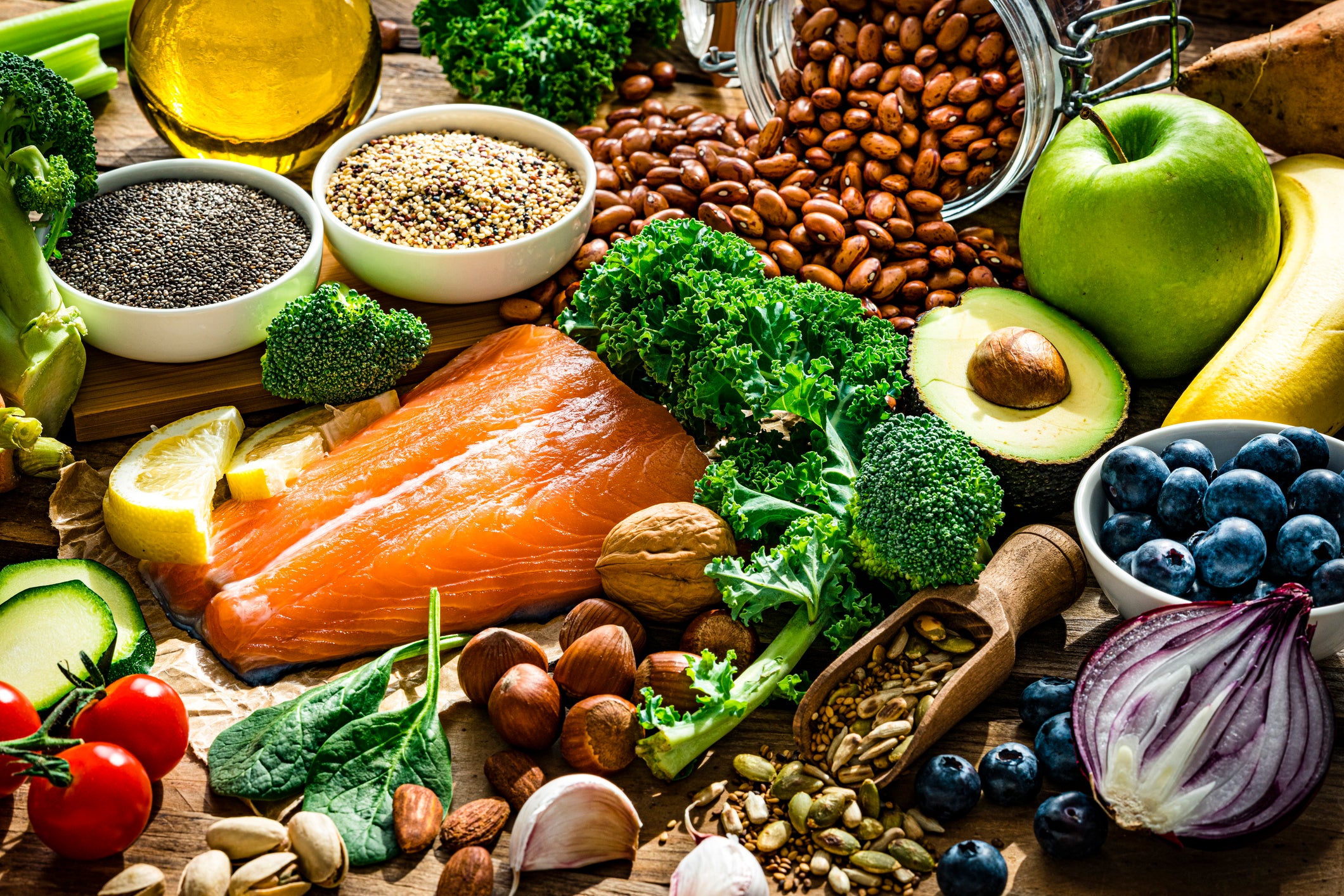
Prioritise nutritious foods you can add to your diet
“Appetite is finite,” Everything Fat Loss author and experienced trainer Ben Carpenter tells me. “I like focusing on adding nutritious foods into your diet because they tend to displace other foods.”
For example, one study Carpenter cites found that children encouraged to eat more apples – a food rich in nutrients and high in fibre – actually lowered their daily caloric intake. The fruit had elbowed other less nutritious, energy-dense food out of the picture.
He says most people have a good idea what is meant by nutritious food, but adds that opting for items that “tend to be slightly less processed” is a good rule of thumb to follow.
“For example, fruits and vegetables, lean proteins [white fish, white meat, soy, tofu], beans, lentils and wholegrains,” Carpenter lists. “Even things like rice and oats as opposed to donuts, pancakes and waffles.”
Read more: How fibremaxxing became the secret to better gut-health and easy recipes to use now
Balance wins over ultra-extreme every time
From carnivore to keto, extreme diets will continue to grab headlines – yet the definition of diet isn’t something short-term, but rather the foods you habitually eat. By this logic, it makes sense to stick with something sustainable and health-promoting, rather than following an unmanageably restrictive regime for a few weeks before inevitably falling back into old habits.
“Rather than being ultra-extreme, focus on balance,” advises NHS GP Dr Radha Modgil. “One of the big things we can all do is look at how many fruits and vegetables we’re eating each day.
“They don’t have to be fresh, they can be canned, dried or frozen, but the evidence shows that if we at least eat our five a day, we have a lower risk of heart disease, stroke and some cancers.”
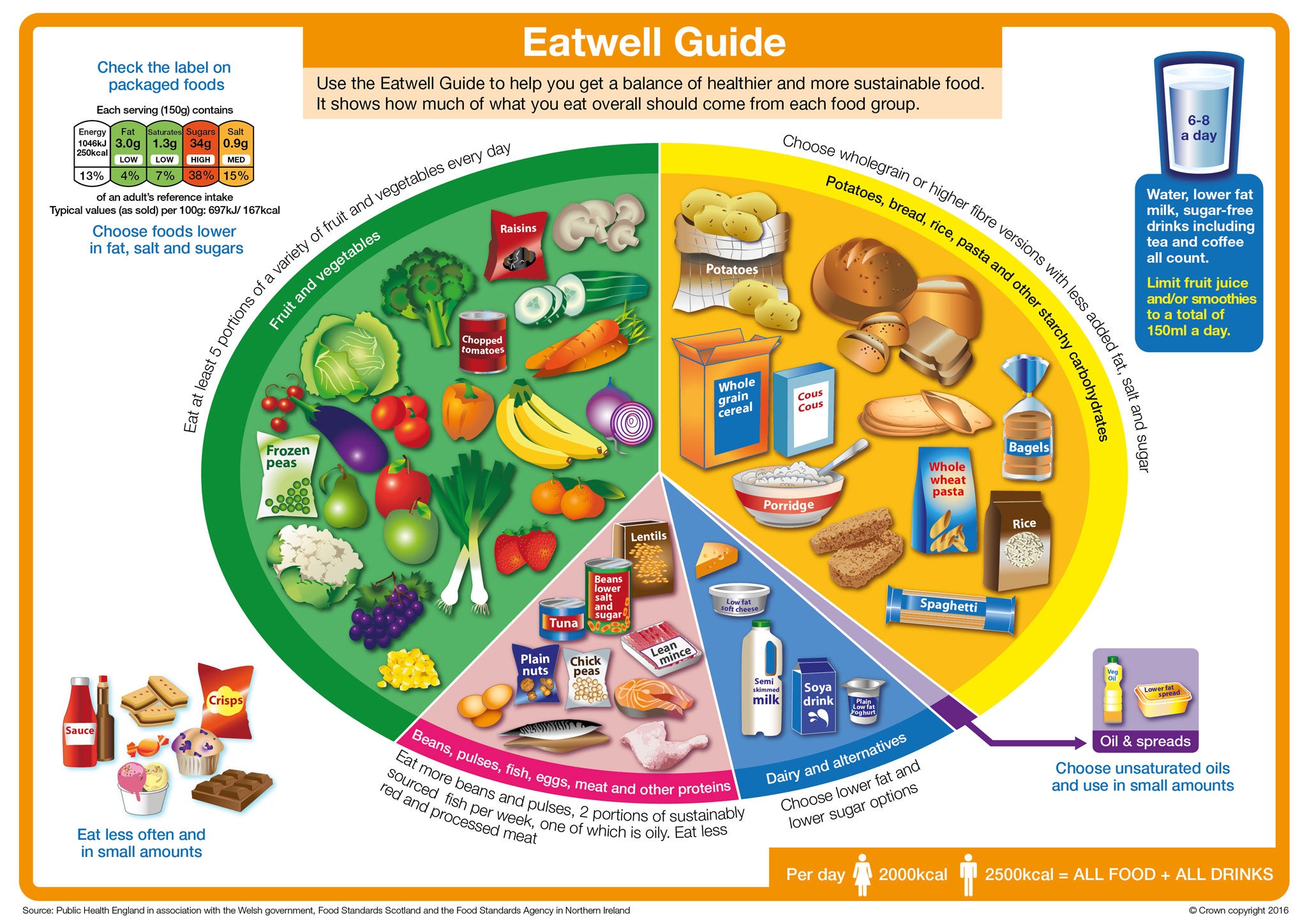
Dr Modgil points to the NHS’s Eatwell Guide as an example of how to structure a balanced diet. It recommends that a third of the food we eat should be fruit and vegetables, another third should be starchy foods high in fibre such as wholegrains, then the remainder should comprise items such as beans, pulses, lean protein sources and dairy (or dairy alternatives).
Foods such as chocolate, cakes, biscuits, sugary soft drinks, butter and ice cream are non-essential additions to your diet, “so should be eaten less often and in smaller amounts”.
Read more: What the shape of your buttock muscles might mean for your future health – and how to change it
Alter your food environment
The human body and brain like to take the path of least resistance, particularly when your schedule becomes hectic. If you can make healthy options more practical, you drastically increase your chance of choosing them.
There are many ways to do this. Preparing your lunches in advance is the most obvious, stopping you from splashing the cash on fast food during office days. But there are other quick things you can do that will push your eating habits in a positive direction.
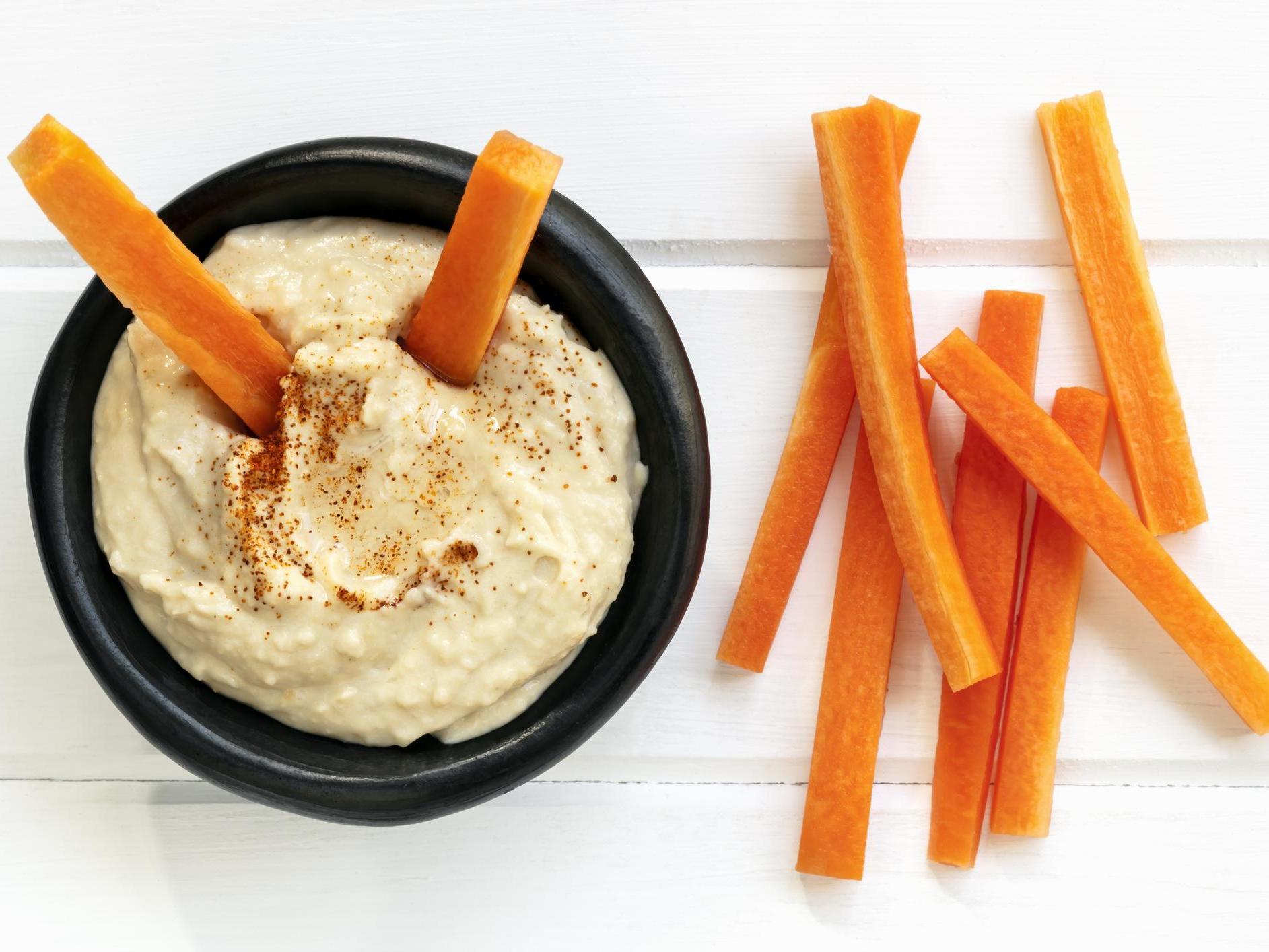
Cooking up a lean protein source like a chicken or block of tofu at the start of your week, then having it in your fridge, can make it easier to whip up nutritious meals when you’re short on time in the evenings. Having fruit on your desk in the office can encourage smarter snacking, while placing nutritious snacks such as carrots and hummus in compartments at the front of your fridge or cupboard means you can mindlessly graze on these nourishing foods with minimal effort.
One final tip is omitting products high in saturated fat and added sugars – such as crisps and chocolate – from your weekly food shop, meaning you have to leave the house and buy them if you want to eat them. Putting an extra hurdle between you and the action you’re looking to cut back on makes you less likely to do it, and if you do pop to the shops you’ll be adding a bit of extra movement into your day – a win-win.
Read more: The science-backed two-minute daily workouts for improving heart health

Focus on fibre as well as protein
“Both protein and fibre are essential,” says Dr Karan Rajan, a surgeon and author of This Book May Save Your Life. “There are plenty of foods and meal combos where you can get both, but if I had to over-index on one, it would be fibre. I’d say the average person probably consumes enough protein and nowhere near enough fibre.”
According to the National Diet and Nutrition Survey, 96 per cent of UK adults are falling shy of their 30g daily fibre requirements.
“When it comes to human physiology, there [aren’t many processes that] fibre isn’t involved in, either directly or indirectly,” Dr Rajan continues. “Its benefits include regulating hormones, metabolism, appetite, the gut microbiome, mood, bowels and more.”
Fibre can be found in plant-based foods such as lentils, beans and peas, as well as wholegrains such as oats and barley, fruits, vegetables, nuts and seeds.
Protein is also important, playing a role in many bodily processes such as building and repairing tissues (including, most notably, muscle) and supporting immune function.
“The recommended nutrient intake for protein in the UK is 0.75 grams per kilogram of body weight,” says Professor Javier Gonzalez, a professor of nutrition and metabolism at the University of Bath’s Centre for Nutrition, Exercise and Metabolism.
“There are some good arguments that a little higher than this – up to 1.2g/kg – may have additional benefits for muscle health and weight control. The requirements of athletes can be even higher than this – up to around 1.8g/kg.”
Most experts I speak to argue that the majority of people are already consuming enough protein. However, as Dr Gonzalez explains above, those who exercise may benefit from a slightly higher daily intake.
For this reason, Nichola Ludlam-Raine, a specialist registered dietitian and author of How Not to Eat Ultra-Processed, recommends aiming to include both protein and fibre in your snack choices.
“Think apple and cheese, berries and yoghurt, carrots and hummus, or nuts and dried fruit,” she says.
Read more: The five ultra-processed food ingredients to avoid on packaging – and what to buy instead
Eat your CAP
Gut health is a buzz term in the fitness industry right now. Fermented items such as kimchi, kombucha and sauerkraut are widely seen as the key to a more settled stomach – something that plugs into a huge range of systems in the body.
Dr Johnny Drain, a fermentation expert and author of Adventures in Fermentation, says his golden rule for gut health is to “eat your CAP” – an acronym for “colourful array of plant-based foods”.
“There are associations between a more diverse gut microbiome and improved mood and cognition, improved mental health, improved immune function and improved digestion,” Dr Drain explains.
“Humans are essentially a tube – you put something in at the top and other stuff comes out of the bottom. The game is getting as many nutrients from it as possible in the process.”
Microbes in our gut help us extract nutrients from the food we eat. Research, such as this 2023 study from the University of Oxford, suggests improved gut microbiome diversity is associated with better health outcomes, and vice versa.
“People that have some diseases, such as metabolic diseases, might have a less diverse microbiome,” explains Dr Drain.
The American Gut Health (or Microsetta Initiative) study showed that consuming 30 or more different plant foods per week can increase gut microbiome diversity, and consequently gut health.
These foods include fruits, vegetables, whole grains, beans, lentils, nuts, seeds and even herbs and spices.
The inclusion of fermented foods with live cultures such as kefir, live yoghurt, sauerkraut, kimchi and miso has also been associated with positive impacts on gut health.

Know where to find polyphenols
Polyphenols are plant-based dietary compounds found in a wide variety of foods and drinks, from berries to green tea to dark chocolate. They overlap heavily with fibre, although emerging research points towards these compounds having health perks in their own right.
According to Dr Rajan, they have anti-inflammatory properties, they can improve cardiometabolic function and they support endothelial function (related to the lining of the blood vessels). Polyphenols may also aid lipid modulation and directly impact gut microbiome health, he adds.
A review article, published in the Ageing Research Reviews journal in 2025, also pointed towards polyphenols having anti-ageing effects.
So where can you find them?
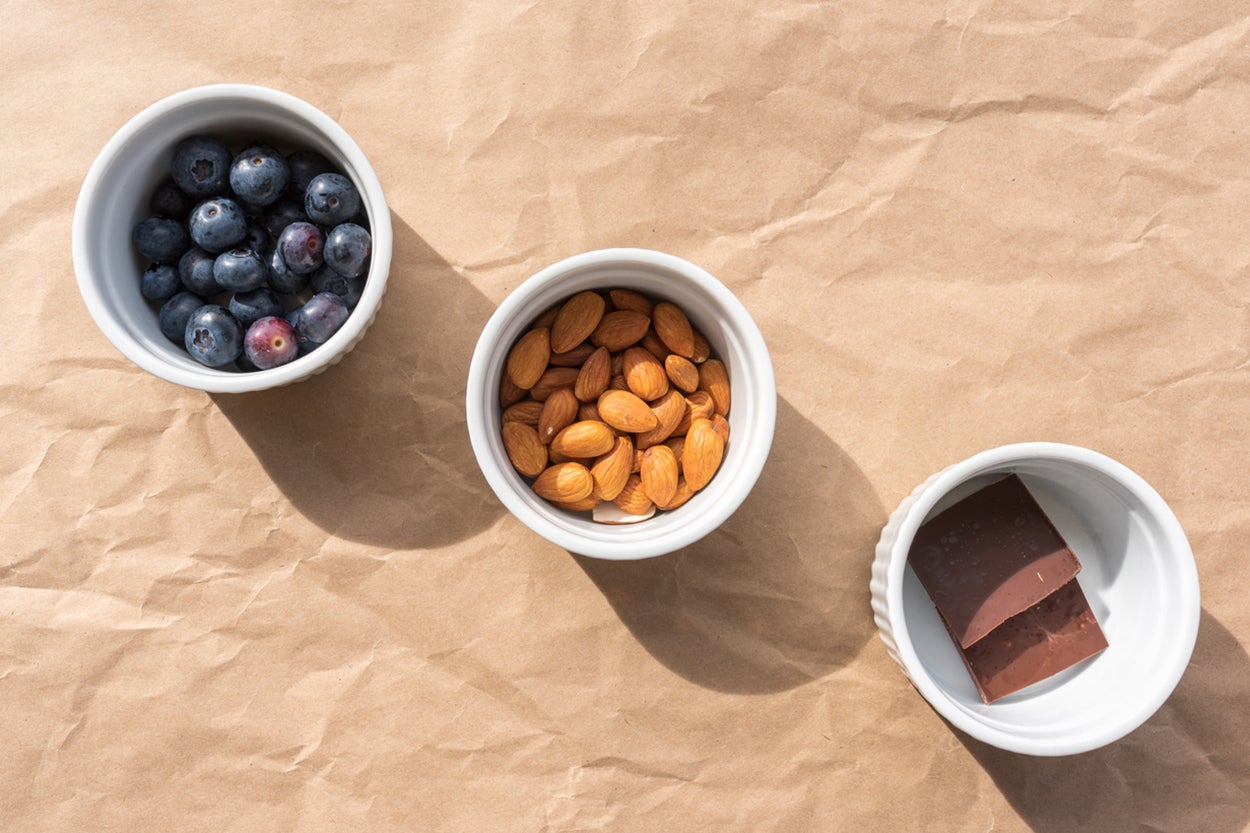
- Berries – especially blueberries, blackberries and strawberries
- Cocoa and dark chocolate – 70 per cent cocoa or higher
- Green tea and coffee
- Grapes and red wine – “Though alcohol obviously has downsides for gut health and it is more generally linked to increased risk of cancers, so grapes are better,” says Dr Rajan
- Apples and pears
- Turmeric – curcumin is the active compound – and other herbs and spices
- Olive oil
- Nuts such as almonds or walnuts
- Onions and garlic
Rather than targeting specific polyphenols in the supermarket, Dr Rajan recommends shaping your wider diet to include several sources.
“A Mediterranean-style diet is naturally rich in polyphenols,” he says. “Small daily choices, like opting for black coffee, snacking on a couple of squares of dark chocolate, eating some mixed berries and having olive oil with meals, will add up over time.”
Prioritise wholefoods
Ultra-processed food (UPF) is another phrase that has hit the mainstream in recent years.
Professor Chris van Tulleken, a professor of global health and infection at University College London, and author of Ultra-Processed People, applies the working definition: “If the packaging you are reading has an ingredient that you don’t typically find in a domestic kitchen, like an emulsifier or a flavouring, then it’s very likely to be an ultra-processed food.”
The concept of UPF continues to stir up debate, but a systematic review published in The Lancet medical journal this year detailed a link between UPF consumption and non-communicable diseases.
“If you can find a way of eating real food, we’re very sure that’s better for you,” says van Tulleken. “You don’t have to believe any of the evidence around ultra-processed food to say that’s true – that’s established in nutrition.”
To achieve this, he recommends asking yourself a simple question before you buy or eat any food and drink.
“Was this food prepared with the purpose of protecting my health and nourishing me? If the answer to that question is no, then I think you should contemplate if you want to eat it.”
Count your drinks in your diet
What we drink is often seen as separate diet, but everything we put in our body will have some sort of impact – large or small, positive or negative.
“Water is always the healthiest option of any drink,” says Dr Modgil. “Our brains are nearly 80 per cent water, so it’s something we obviously need to stay healthy.
“It’s important to drink regularly throughout the day and avoid sugary drinks.”
This includes the usual suspect such as energy drinks and fizzy drinks, as well as limiting fruit juices and smoothies to one small glass per day.
“Even though there is fruit in there, they are still quite high in sugar,” Dr Modgil explains.
Other small changes you can make include adding less sugar to your tea and coffee, and drinking alcohol in moderation.
“The current guidelines are 14 units per week,” says neuropsychopharmacologist and Sentia co-founder Professor David Nutt. “If you can stick within those, the harms of alcohol are relatively minor. Most people who stick within these limits will not experience significant harm.
“The advice we give is, if you do drink, always have at least two days a week where you don’t drink at all because that allows your liver and heart and blood vessels to recover. And don’t stockpile. If you’re going to try and stick to the 14 units, don’t take them in one go because that’s going to be more deleterious to your brain.”
Read more: Inflation is down – so why is your food shop getting even more expensive?
Join our commenting forum
Join thought-provoking conversations, follow other Independent readers and see their replies
Comments
Bookmark popover
Removed from bookmarks