What the shape of your buttock muscles might mean for your future health – and how to change it
Scientists have found a link between the quality of your gluteus maximus muscles and your risk of developing type 2 diabetes. Harry Bullmore discovers that the consequences actually go a lot deeper

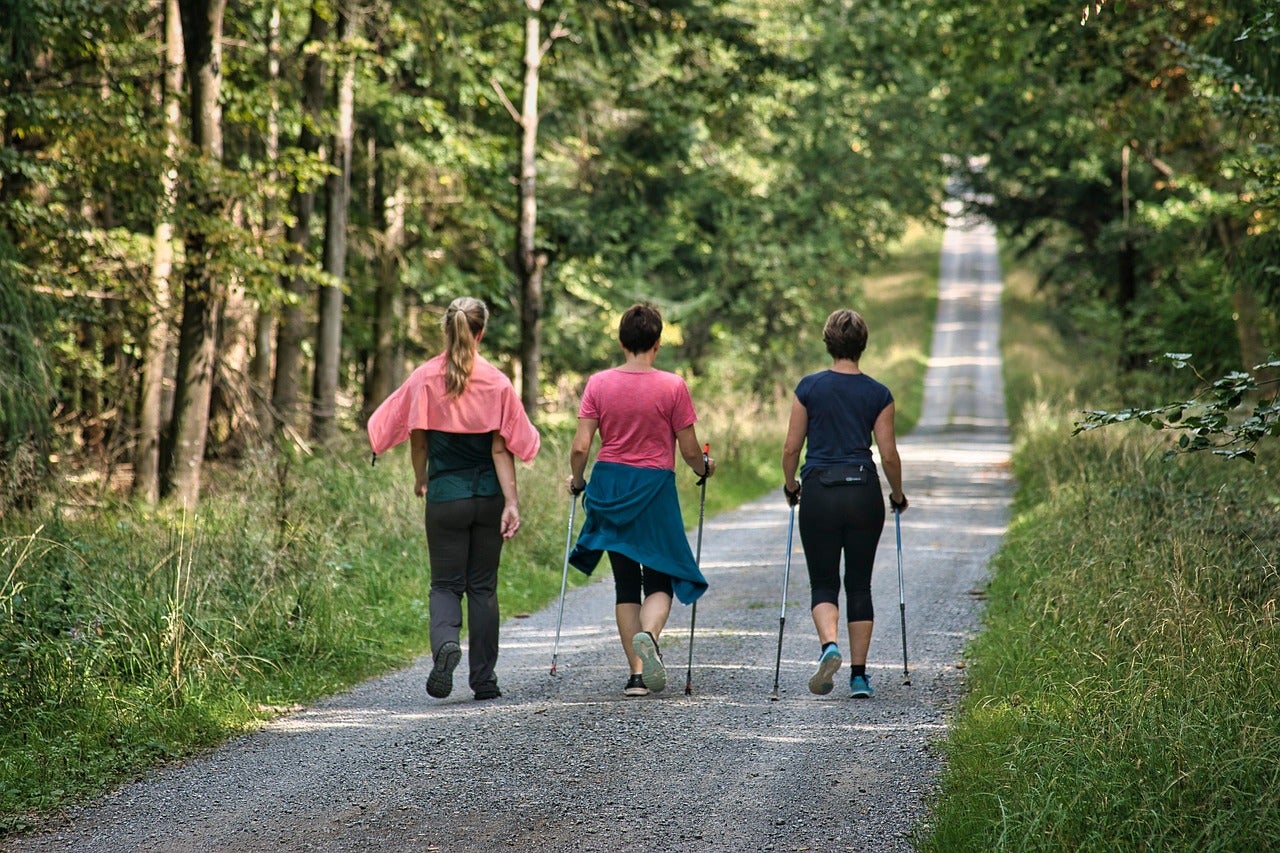
Recent research made associations between the shape and composition of the main muscles in the buttocks to the development of type 2 diabetes.
Men who experienced shrinkage in certain areas of the gluteus maximus muscles as they aged, and women whose muscles increased in size with age due to a growing fat content, had a higher chance of developing type 2 diabetes. This sparked headlines that had everyone twisting to check their bum in the mirror.
But can a cursory check really provide an accurate prediction? In short, no, the study’s senior author Professor Louise Thomas tells me. Her team looked at the composition of the muscles themselves, which are buried under skin, subcutaneous fat and other bodily tissues. Yet the results of their research can have significant implications for your health, both now and in the future.
“This research is part of a much bigger programme of work we’re doing – we are not just gluteus maximus people,” Professor Thomas jokes. Her team analysed MRI scans from tens of thousands of people to identify relationships between their organs and a wide variety of health conditions.
“We started looking at the gluteus maximus because that’s our biggest muscle, and as well as looking at its volume we look at its quality – that is, how much fat you store in it,” she explains.
Higher levels of fitness were associated with healthier gluteus maximus muscles, while frailty and sedentary lifestyles were linked to muscle thinning.
To find out how to look after your behind, and your whole body for that matter, read on – Professor Thomas and her colleague, exercise physiologist Paul Hough, explain all below.
 New research reveals the exercise six times more effective than walking
 The science-backed two-minute daily workouts for improving heart health
 What foods nutrition experts really eat to stop chronic illness in old age (and always avoid)
 Longevity expert says this diet is more effective than Ozempic at changing the human body
The dangers of having high fat content within your muscles
When most people think of body fat, it is subcutaneous fat they picture – the visible fat stored just beneath the skin. The focus of this research is intramuscular fat.
“Think about when you got to the butchers to buy a steak,” Professor Thomas explains. “You get marbling in steak, and that is happening to us as we get older.”
This process, she says, has several negative health implications.
“It’s linked with metabolic diseases in general, not just type 2 diabetes,” says Professor Thomas. “This includes things like cardiovascular disease, and it’s even really important for liver disease. There have been studies looking at mortality, and when they compare all the different parameters, muscle quality comes out as one of the biggest predictors of mortality.”
Another key predictor of mortality is frailty. One of the factors with the greatest association with frailty is having more fat in the muscle, Professor Thomas says.
“If you’re frail, you're much more likely to have falls and lose your independence,” she explains. “Muscle quality is something nobody really thinks about, but you can see it’s actually really important.”
The University of Westminster study used data from the UK Biobank – a detailed dataset of more than 100,000 people, including everything from neck-to-knee MRI scans to physical measurements such as blood pressure to activity levels. It honed in on those in their 40s, 50s and 60s.
“The UK Biobank, as part of their study, measured everything before and after two years without any intervention,” says Professor Thomas. “We assumed, because it's such a short period of time, we wouldn't see anything, but pretty much everybody lost a significant amount of muscle mass, and there was a reduction in grip strength too, which is extraordinary.
“Two years of just living your life is causing this decline in middle age. It makes me wonder what's going to happen over 10 or 20 years? And there’s evidence that you start losing muscle from your 30s.”
Read more: Mobility expert says you should swap stretching for this exercise to ease tight hips
-and-women-(below)--Blue-represents-inward-deformation.jpeg)
How to fight against intramuscular fat
Those with higher fitness levels are most likely to swerve the deteriorating muscle quality linked to a higher risk of type 2 diabetes. The greatest intervention to achieve this is adding more movement and exercise into each week.
Move more
If you have a generally sedentary lifestyle, the first thing you can do to combat intramuscular fat is to move more.
“It’s about being active and using all of your muscles,” Professor Thomas says. “We’ve used lots of lifestyle interventions, and if you try to get anybody to do something too much, they don't stick to it. People don't like changing their diet and they don't like changing their exercise habits, so that's why simple things like walking and steps are quite easy for people to do.
“But people are working and might have caring responsibilities, so even fitting in 10,000 steps a day is quite a long-term commitment.”
The key is finding ways to squeeze more movement into your day, which allows you to do so on a consistent basis. This could mean taking a work call while going for a walk, stepping off public transport one stop early when heading to the office or using exercise snacking techniques.
Strength Training
The University of Westminster’s research highlights the importance of building and maintaining healthy muscle mass. The gluteus maximus, as the body’s biggest muscle, is an excellent signifier of this.
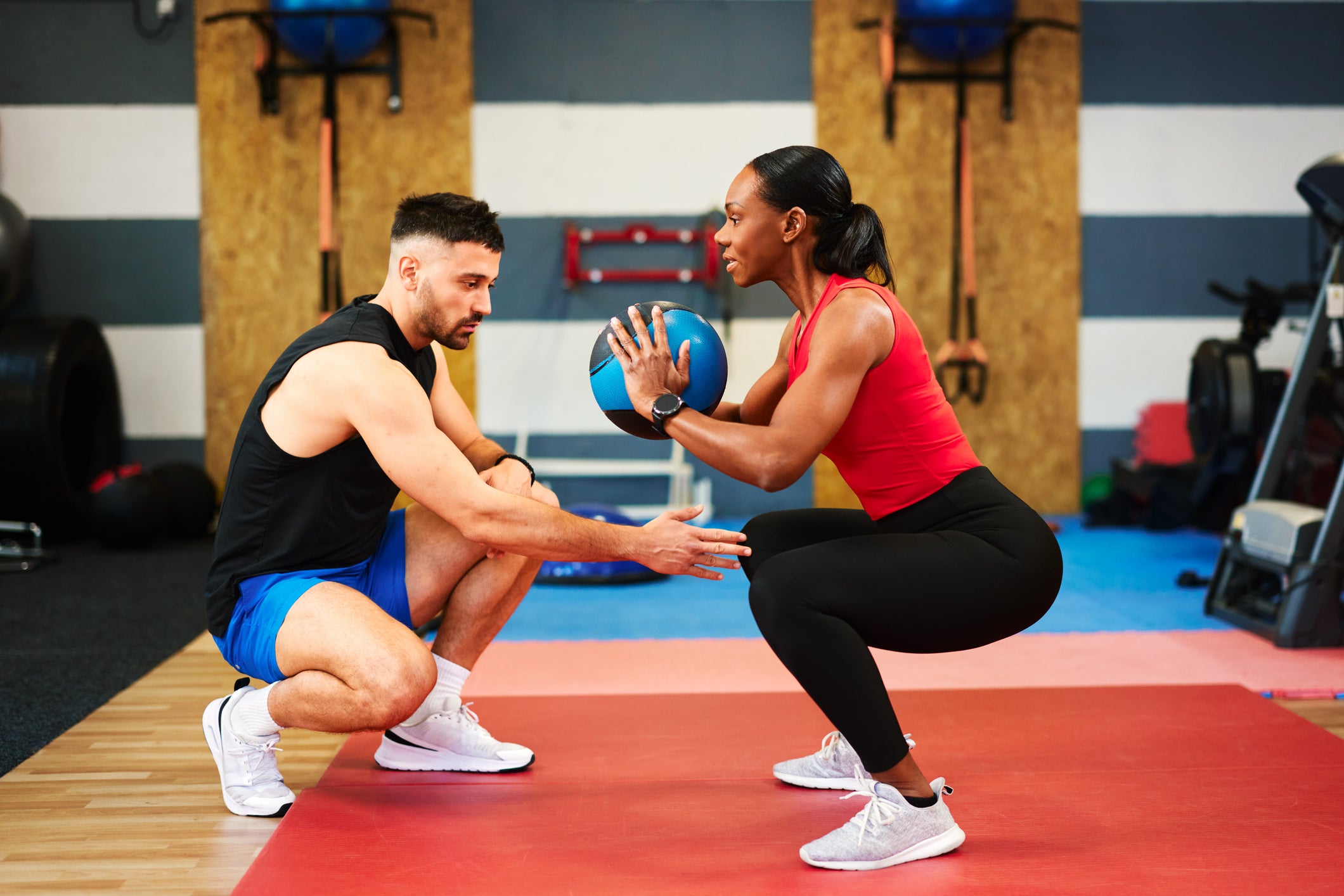
The best way to increase muscle strength and size is strength training – any activity that involves overcoming an external force by contracting your muscles. This could mean lifting weights or simply overcoming gravity using bodyweight exercises like squats and press-ups.
“Regular strength training is best known for its effects on increasing strength and muscle size,” says University of Westminster sport and exercise scientist Paul Hough. “However, regular resistance training can also cause favourable metabolic changes within skeletal muscle, which improve glucose metabolism. Performing two to three resistance training sessions per week has been shown to reduce the risk of diabetes by approximately 17 to 30 per cent.”
He prescribes compound exercises, or those that recruit multiple muscles at once, for those looking for the greatest impact on total-body strength and glucose metabolism. These include movements like the squat, deadlift, glute bridge, hip thrust, bench press, overhead press, pull-up and bent-over row.
“Choose a weight or resistance level that allows you to complete five to 10 repetitions with proper technique,” suggests Hough. “The final few repetitions should feel challenging, but there is no need to reach complete exhaustion. A practical guideline is to end the set when you feel you can only complete one or two more repetitions with good form.”
If you want to target the gluteal muscles specifically, it is best to choose exercises that load your hip joint through a full range of motion, Hough adds.
“Three effective exercises are back squats, barbell hip thrusts and glute bridges. Another good option is the rear-foot elevated split squat or Bulgarian split squat [demonstrated in the video below].
“Additionally, overall glute development requires training all the gluteal muscles, not just the gluteus maximus. Including exercises that bias the gluteus medius and minimus muscles is necessary for overall glute development. Examples include hip abduction exercises, such as cable abductions or banded side steps.”
Moderate - and vigorous - intensity activity
Higher-intensity activities have been linked to greater positive health impacts. This informs the World Health Organisation’s weekly physical activity guidelines for adults aged 19-64, which prescribe at least 150 minutes of moderate-intensity exercise, 75 minutes of vigorous-intensity activity per week or a combination of both.
“These minutes should be spread across the week, with no more than two consecutive days without activity,” says Hough. “Moderate-intensity activities increase your breathing rate but still allow you to maintain a conversation. For example, walking at a brisk pace [4-6kph] or cycling on level ground.
“During vigorous-intensity activities, your breathing rate increases further and speaking in full sentences becomes difficult. Examples include running or walking up a steep hill.”

High-intensity exercise
For those who are able, including some form of high-intensity interval training (HIIT) in your week can offer attractive health perks, Hough says.
“HIIT involves brief (anything from five seconds to four minutes), intermittent bouts of high-intensity exercise separated by periods of rest or low-intensity exercise,” he explains. “It differs from vigorous intensity activities because the intensity cannot be sustained. HIIT has been consistently demonstrated to improve cardiovascular fitness and glucose metabolism among healthy adults and type 2 diabetic patients.
“Although many studies have shown that HIIT can improve health outcomes with less total exercise time than moderate-intensity activity, it was not included in previous physical activity guidelines (Department of Health, 2011). More recent evidence has confirmed that HIIT can be just as effective as, or even more effective than, moderate-intensity activity for improving key health measures. As a result, the UK physical activity guidelines now recognise HIIT as a suitable exercise option for the general population.”
One well-studied and popular protocol Hough recommends is performing one minute of hard work followed by a one-minute recovery period for 10 total rounds. This can be done with walking, running, swimming, cycling or using exercise machines such as exercise bikes and rowing machines.
For the hard work, assume a pace that corresponds to approximately 90 per cent of your maximal heart rate, or an eight out of 10 effort, Hough says. The light work could be walking or cycling at an easy pace, or complete rest.
“Including a warm-up and cool-down, this protocol takes approximately 25 to 30 minutes and is typically performed on three non-consecutive days per week,” he says.

How to find out how much fat you have in your muscles
If you want to find out about your intramuscular fat levels, Professor Thomas says an MRI is necessary.
You can’t tell the quality of the gluteus maximus muscles just by looking because of the subcutaneous fat over it, she says. “What you’re seeing is a mix of muscle and fat. You have to use an MRI to measure it, so it’s never going to be a population screening tool because it’s too expensive.”
A private MRI scan can cost anywhere from £200 to £1,500, with a hospital near me listing one for £525 on the Nuffield Health website. For this reason, it is not an option – or, at least, an attractive one – for most people.
“But, if you are scanning somebody for one thing, it’s no extra effort to get a measurement in their muscle quality, size and shape,” Professor Thomas suggests.
Implications of the research
The body is often viewed as a collection of independent parts. If you have a kidney problem, you go to a kidney clinic; if you have a liver problem, you go to a liver clinic, Professor Thomas says.
“But most people have multi-organ diseases,” she continues. “If you have a problem with one organ, such as having too much fat in your muscles, you’re also likely to have problems with others, like fat in the liver. You might also have a bit of kidney dysfunction and dysfunction with your heart. The reality of our bodies is that we have this multi-organ involvement.
“We measure everything [in our research] because it gives you a much better picture of health – understanding how your fat is affecting everything in your body.”
Professor Thomas uses type 2 diabetes as a case study to demonstrate the interconnected nature of the human body, and how it is impacted by disease.
“If you look at someone with type 2 diabetes, you know their pancreas is affected in some way because they'll have an issue with insulin production,” she explains. “But then you also know their muscles aren’t healthy because the muscles are insulin resistant and they’re not taking up glucose, then they store too much fat.
“We also know their kidneys aren’t functioning properly and their liver is affected, and then they have problems with their heart. Yet when you talk about disease, you don’t really think about all of these things that are going on. That’s why I think you get a really holistic picture of health through scanning.”
The UK Biobank scans people from their necks to their knees in roughly nine minutes, using automated scripts to analyse the results. Most of these scripts are freely available.
“It’s quite remarkable what you could do if you could roll this out in the NHS,” says Professor Thomas. “Say you go for a gall bladder scan – in the same image, you could get lots of information about your body composition.”
Through this, people could gain early warning signs for certain chronic diseases.
“Liver disease is one of the conditions that is rapidly growing in the UK,” Professor Thomas says. “One of the reasons is it is often picked up late because you don’t get symptoms.
“If it’s picked up early, you can actually reverse a lot of the effects through lifestyle changes. If everybody who happened to be scanning for one thing also had their liver measured, it might really save the NHS money, because you could pick things up while you are still able to intervene with just lifestyle changes.”
The UK Biobank plans to revisit participants in future years, helping researchers map patterns in the readings. It is hoped this will give them the ability to predict which people will develop which diseases based on a multitude of measurable factors.
“Then what you can look at is, ‘Are there simple biomarkers we can apply to the whole population so that you wouldn’t need to scan people?’,” Professor Thomas says.
“...I think until we start looking at the person rather than just the disease in one organ, we’re not going to understand how people are affected by these conditions. To understand health, you look at fat and muscle and all of the organs that get affected by them."
Read more: The science-backed exercise method that can help fight the effects of ageing
Join our commenting forum
Join thought-provoking conversations, follow other Independent readers and see their replies
Comments
Bookmark popover
Removed from bookmarks