Why energy-saving grant eligibility is stricter than many homeowners expect
From income and EPC ratings to heating systems and property type, eligibility rules are far tighter – and more nuanced – than many households expect
.png)
Energy-saving grants can sound straightforward on the surface: improve your home, lower your bills, and let a government-backed scheme cover the cost. In reality, eligibility is far more tightly defined than many households expect.
Factors including household income, property type, and the current efficiency rating of your home will affect whether you qualify, as will your current heating type. For example, certain types of gas-heated homes fall outside the rules, and many people only discover this once they start an application.
Understanding how these rules work up front can help avoid wasted applications and disappointment later.
Who is eligible for the UK energy saving grant?
Most UK energy-saving grants are delivered through the Energy Company Obligation (ECO4) scheme, which is designed to improve the efficiency of homes that are expensive to heat and most at risk from high energy bills. Eligibility is assessed using several factors, including:
- Household income and whether certain benefits are received
- The property’s current energy efficiency (usually EPC bands D–G)
- The type of heating system already in place
The last factor is where many people are caught out. Some suppliers or eligibility-checking websites run by brokers will prohibit owners of gas heating systems from applying for the ECO4 grant, and limit it to other forms of heating – for example, electric or oil.
However, official ECO4 guidance does not prohibit gas boilers or warm air systems outright. It emphasises that household eligibility depends on energy efficiency needs and means testing, and that obligated energy suppliers ultimately decide whether to fund any specific improvement, including heating upgrades.


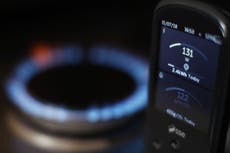
Because ECO4 funding is limited and targeted, applications are assessed as a whole rather than on a single criterion. Two households with similar homes may therefore receive different outcomes depending on their circumstances and the efficiency improvements available.
It is also worth noting that ECO4 was originally set to run until 31 March 2026, and many industry resources still reference that date. But the government has confirmed that the scheme will be extended to 31 December 2026, to give suppliers extra time to meet targets and manage the wind down of funding.
Do you have to pay back an ECO4 grant?
No, ECO4 grants do not need to be repaid. They aren’t loans, and they don’t add debt to your home.
However, the funding is usually provided for specific improvements rather than as cash. That might include insulation, heating upgrades, or other energy-efficiency measures chosen based on what will deliver the biggest reduction in energy use.

Advertisement
Advertisement
In some cases, households may be asked to contribute towards the cost if the improvement goes beyond what the grant covers, but this should always be made clear up front.
Can renters benefit from the energy-saving grant?
Yes, renters can benefit, but with additional conditions.
For private renters, the landlord’s permission is required before any work can be carried out. The property must also meet minimum eligibility criteria, including energy efficiency thresholds. Social housing tenants may qualify if their property has a low EPC rating and meets scheme rules.
This extra layer of approval is another reason eligibility feels restrictive for renters, even when the household itself might qualify on income grounds.
How much money can I save?
The savings depend on the type of improvement installed and how inefficient the home was to begin with. Households with poor insulation or outdated heating systems often see the biggest reductions in energy use.
Typical benefits include:
- Lower monthly energy bills
- Improved warmth and comfort
- Reduced exposure to future energy price rises
While savings vary, many households report meaningful reductions in heating costs, particularly when insulation upgrades are combined with more efficient heating.
So how can I get the energy-saving ECO4 grant?
Energy-saving grants are designed to help, but they’re carefully targeted. Eligibility rules are stricter than many people realise because funding is focused on households most at risk from high energy costs and inefficient homes.
Checking the criteria carefully, understanding how applications work, and knowing what to expect can make the process far smoother, and help you decide whether it’s worth applying in the first place.
If you think your home may qualify, the next step is an initial eligibility check. You can do this online through a supplier or broker, who then work with installers and local authorities to assess whether a household meets current ECO4 criteria before any work is considered.
And if you are not eligible for an ECO4 grant, there may be other financial assistance available to you. You can find out more at the OFGEM website.
Join our commenting forum
Join thought-provoking conversations, follow other Independent readers and see their replies
Comments
Bookmark popover
Removed from bookmarks