Bird-proofing solar panels: UK costs, benefits and is it worth it?
We explain the costs, the most effective solutions, and when it’s worth paying to bird-proof your solar panels
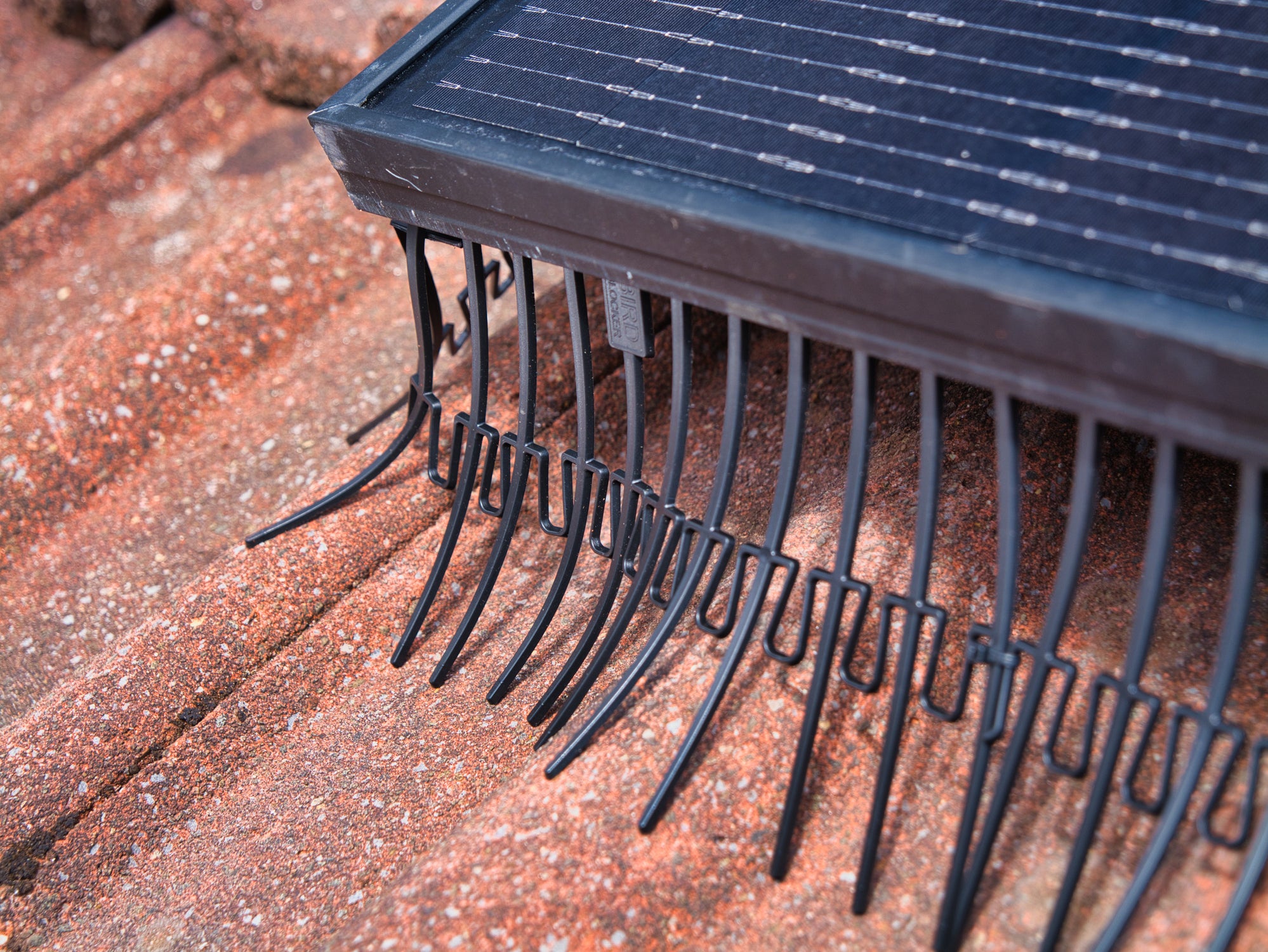
Solar panels are designed to be low‑maintenance, but for some homeowners researching the best solar panels, they come with an unexpected side effect: birds. The small gap between roof‑mounted panels and the tiles beneath can create a warm, sheltered space that’s ideal for nesting. Over time, that can lead to noise, debris and, in some cases, damage that’s costly to put right.
Bird proofing is often presented as a must‑have extra when installing solar panels, but it isn’t always essential. Understanding when it’s genuinely needed — and what it costs — can help you decide whether it’s worth the investment, particularly if you’re weighing up whether solar panels worth it in the long term.
Here’s what bird proofing costs, the most effective solutions, and when it’s worth paying for protection.
Why birds target solar panels
Most solar panels are mounted a few inches above the roof surface to allow airflow. For birds such as pigeons, starlings and gulls, that gap offers protection from wind and predators, as well as residual warmth from the panels themselves.
Once birds have nested under a solar array, they tend to return year after year unless access is blocked. In built‑up areas, where food sources are plentiful, this can quickly become a persistent problem.
What problems can birds cause under solar panels?
The most common issue homeowners notice first is noise. Nesting birds can be loud, particularly early in the morning, and scratching or fluttering sounds can be amplified through the roof.
Droppings and nesting debris are another frequent complaint. These can collect in gutters, stain roof tiles, patios and walls, and create an ongoing cleaning problem. Over time, acidic bird droppings can also contribute to corrosion on metal roof components.
There is also a small but real risk of damage. Nesting materials can obstruct airflow beneath the panels, causing them to operate at higher temperatures and slightly reducing efficiency. In rare cases, birds may damage cabling or fixings, leading to more serious faults.


Do birds damage solar panels or reduce efficiency?
Solar panels themselves are robust and designed to withstand harsh outdoor conditions. Birds are unlikely to damage the panels directly, but indirect effects can build up over time.
Poor airflow caused by heavy nesting can raise panel temperatures, which may reduce output during warmer months. The impact is usually modest, but over several years, it can contribute to lower overall performance. Regular soiling from droppings can also reduce generation if panels are not cleaned periodically.
Is bird-proofing solar panels necessary?
Bird proofing is not a universal requirement. Many solar installations never experience nesting issues, particularly where panels sit close to the roof or are installed on steeper pitches.
However, bird proofing is often recommended if:
- Birds have already nested under your panels
- You live in an area with a high pigeon or gull population
- You’ve experienced repeated noise or debris problems
Once birds have established a nesting site, simply removing the nest without proofing the panels usually leads to the problem returning.
Types of bird proofing for solar panels
Mesh bird-proofing systems
Mesh systems are the most common and effective solution. A galvanised or stainless steel mesh is fitted around the perimeter of the panels, preventing birds from accessing the space underneath while still allowing airflow.
These systems are typically clamped to the panel frames rather than drilled into the roof or panels, making them suitable for retrofitting to existing installations.
Bird spikes
Bird spikes are sometimes installed on roof ridges or ledges near solar panels. While they can discourage perching, they are generally less effective at preventing birds from nesting beneath panels and are rarely a complete solution on their own.
Visual and sonic deterrents
Reflective strips, fake predators and sound devices are widely sold, but their effectiveness is usually short‑lived. Birds tend to adapt quickly, and these measures rarely provide lasting protection for solar installations.
Nest removal and cleaning
Removing nests and cleaning affected areas can provide temporary relief, but without proofing, birds often return. It’s also important to note that active bird nests are legally protected in the UK, and removal may be restricted during breeding season.
How much does bird-proofing solar panels cost?
In the UK, bird proofing typically costs between £300 and £800 for a standard residential solar system, on top of the upfront cost of solar panels themselves. These figures are based on pricing gathered from UK pest control technicians and specialist bird‑proofing firms, and reflect typical costs for mesh systems fitted to existing roof‑mounted solar arrays. The final price depends on several factors, including the number of panels, roof height and ease of access.
If scaffolding is required, costs can rise further. Systems with existing nests may also need cleaning and sanitisation before proofing is installed, adding to the overall bill.
While bird proofing is a one‑off expense, it can help avoid repeated cleaning costs and potential repairs over the life of the system.
Can bird proofing be installed on existing solar panels?
Yes. Most bird-proofing systems are designed to be retrofitted to existing solar arrays. In practice, the work is most often carried out by specialist pest control or bird-proofing technicians who have experience working on roofs and around solar installations, rather than general solar panel installers.
Installers usually attach the mesh using clips or brackets that don’t require drilling into the panels.
Because working at height carries risks, and incorrect installation can cause damage, bird proofing is generally best carried out by professionals with experience working on solar systems.
Does bird proofing affect warranties or performance?
When installed correctly, bird proofing should not affect the performance of your solar panels or invalidate manufacturer warranties. Reputable systems are designed to maintain airflow and avoid contact with sensitive components.
Problems are more likely to arise from poor installation, which is why it’s important to choose an installer familiar with solar‑specific bird proofing rather than general pest control alone.
Is bird-proofing solar panels worth the cost?
For homeowners who have never experienced nesting issues, bird proofing may be an unnecessary expense. But where birds have already moved in, it can be a cost‑effective way to prevent ongoing noise, mess and maintenance problems.
As with many solar add‑ons, the value lies in prevention. Once birds are excluded, the system can continue operating with minimal intervention for years to come.
How to choose a bird-proofing installer
Look for installers who:
- Have experience working with solar panels
- Use non‑invasive fixing methods
- Offer warranties on materials and workmanship
It’s also worth being cautious of high‑pressure sales tactics, particularly if bird proofing is offered as an expensive add‑on during routine solar servicing.
Join our commenting forum
Join thought-provoking conversations, follow other Independent readers and see their replies
Comments
Bookmark popover
Removed from bookmarks