Types of solar panels in the UK: Monocrystalline, polycrystalline and thin-film compared
Here’s how monocrystalline, polycrystalline and thin-film solar panels compare on efficiency, lifespan and suitability for British homes
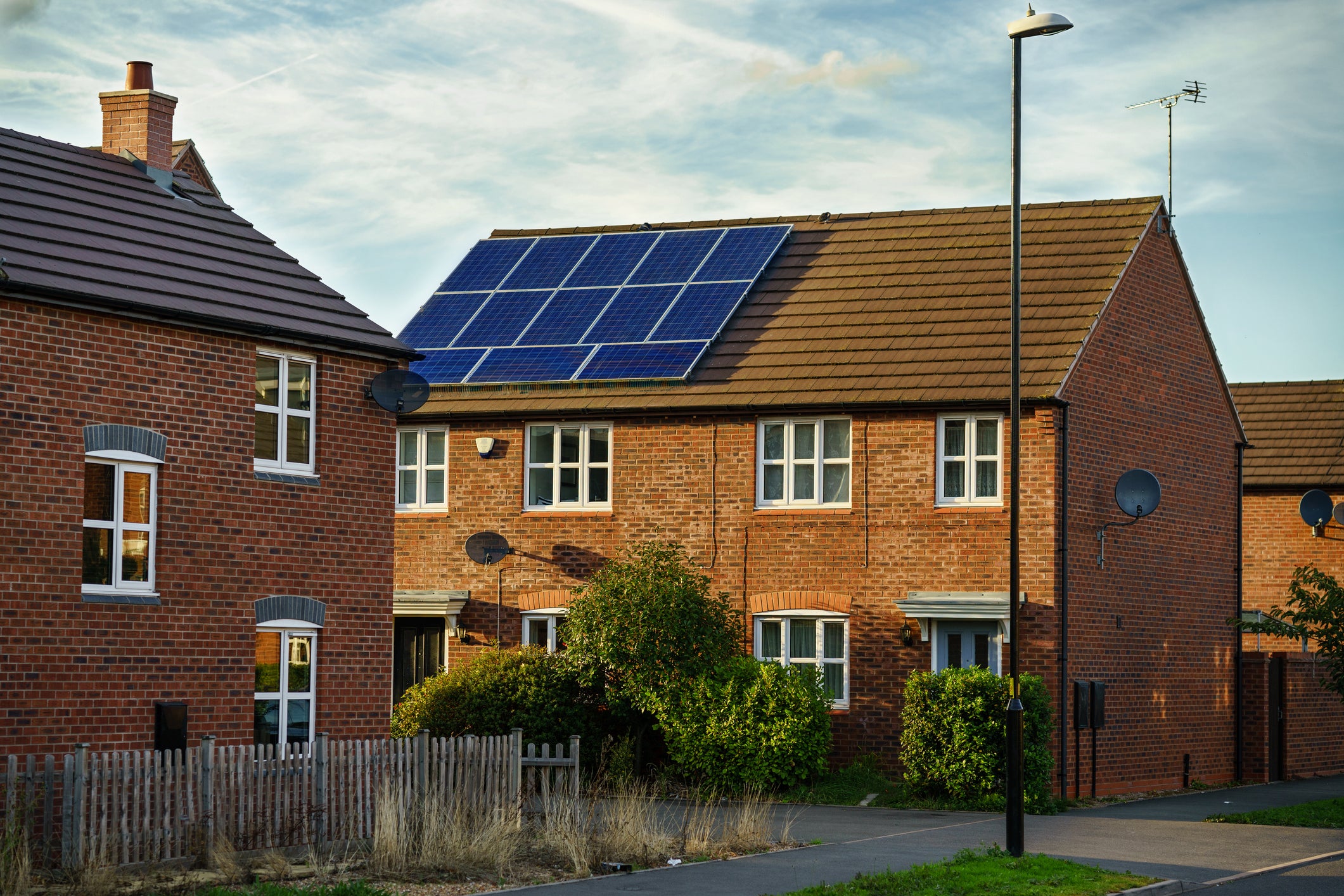
With energy prices remaining unpredictable, more UK households are exploring solar panels as a way to cut bills and reduce reliance on the grid. But once you start researching the best solar panels, one question comes up quickly: what type of solar panel should you choose?
There are three main types of solar panels used in the UK: monocrystalline, polycrystalline and thin-film. Each converts sunlight into electricity, but differences in materials and manufacturing mean they vary significantly in efficiency, lifespan and how much roof space they require. For most homes, choosing the right type is just as important as deciding whether solar panels are worth it in the first place.
What are the main types of solar panels?
Most domestic solar installations in the UK use silicon-based panels, either monocrystalline or polycrystalline. These dominate the market because they balance efficiency, durability and cost. Thin-film panels, which use different photovoltaic materials applied in very thin layers, are far less common on residential rooftops and are typically used in commercial or specialist settings.


Monocrystalline solar panels
Monocrystalline panels are now the default choice for most UK homes. They are made from a single, pure silicon crystal, allowing electricity to flow more efficiently through the panel. Visually, they are usually black with a uniform finish.
Modern monocrystalline panels typically achieve efficiency ratings of around 19-23 per cent, meaning they produce more electricity per square metre than other panel types. This makes them particularly well-suited to UK housing, where roof space is often limited and typical systems are sized at around 3-4kWp.
Installers generally point out that while monocrystalline panels cost more upfront, the gap has narrowed in recent years. In practice, the higher output often means fewer panels are needed, which can offset the initial price difference. Lifespans are long, with performance warranties commonly lasting 25 years or more.
As one installer we spoke to explained, efficiency tends to matter more than panel price in the UK, because most homes are restricted by roof space rather than budget.
Best for
- Most UK households
- Smaller or shaded roofs
- Homeowners focused on long-term performance
Polycrystalline solar panels
Polycrystalline panels are made by melting together multiple silicon crystals. This process is simpler, but it results in slightly lower efficiency. These panels usually have a blue, speckled appearance.
Typical efficiency ratings for polycrystalline panels sit at around 15 to 18 per cent. As a result, more panels and more roof space are needed to achieve the same output as a monocrystalline solar panel system. For homes with larger roofs, this may not be an issue, but it can be a limiting factor for many UK properties.
Polycrystalline panels were once popular because they were noticeably cheaper, but installers say that price differences have narrowed to the point where many households now opt for monocrystalline instead. Lifespans are still strong, with warranties often covering 20 to 25 years, but lower output means long-term returns can be reduced.
Best for
- Homes with larger roof areas
- Installations prioritising lower upfront cost
- Situations where panel availability is limited
Thin-film solar panels
Thin-film solar panels are produced by applying thin layers of photovoltaic material to surfaces such as glass or metal. They are lighter and more flexible than silicon panels and can be used on curved or non-standard roofs.
However, thin-film panels typically achieve efficiency ratings of just 10-13 per cent, making them far less suitable for UK homes. In a climate where sunlight is limited and roof space is at a premium, this low efficiency means significantly more surface area is required to generate useful amounts of electricity.
Thin-film panels also tend to have shorter lifespans, with warranties often ranging from 10 to 20 years. While the panels themselves can be cheaper, installers note that the cost per unit of electricity generated is usually higher.
For these reasons, thin-film panels are rarely recommended for domestic rooftops in the UK and are more commonly used in commercial or specialist applications.
Best for
- Commercial buildings
- Large, unobstructed roofs
- Non-standard or lightweight structures
Types of solar panels compared
Panel type | Typical efficiency | Lifespan | Key advantage | Main drawback |
Monocrystalline | 19–23% | 25+ years | High output per m² | Higher upfront cost |
Polycrystalline | 15–18% | 20–25 years | Lower initial cost | Needs more roof space |
Thin-film | 10–13% | 10–20 years | Lightweight, flexible | Low efficiency |
Which type of solar panel is best for UK homes?
For most households, monocrystalline solar panels are the best option. Their higher efficiency allows homeowners to maximise electricity generation from limited roof space, which is a key consideration in UK housing. They also tend to perform more consistently in low-light conditions than older panel technologies.
Polycrystalline panels can still be a viable choice for homes with larger roofs or tighter budgets, but they are becoming less common in new installations. Thin-film panels are generally unsuitable for domestic use and are best reserved for specialist projects.
Installers consistently emphasise that panel type is only one part of the decision. System design, inverter quality, installation standards and warranties all play a major role in determining whether solar panels are a worthwhile investment. Comparing full-system quotes, rather than focusing on panels alone, is the most reliable way to choose the right setup for your home.
Join our commenting forum
Join thought-provoking conversations, follow other Independent readers and see their replies
Comments
Bookmark popover
Removed from bookmarks