The Independent's journalism is supported by our readers. If you submit a form or click links to other sites on this page, we will earn commission.
EDF Energy solar panels: what they offer and is it worth it?
Find out more about this solar service, including suitability, eligibility and potential energy bill reductions
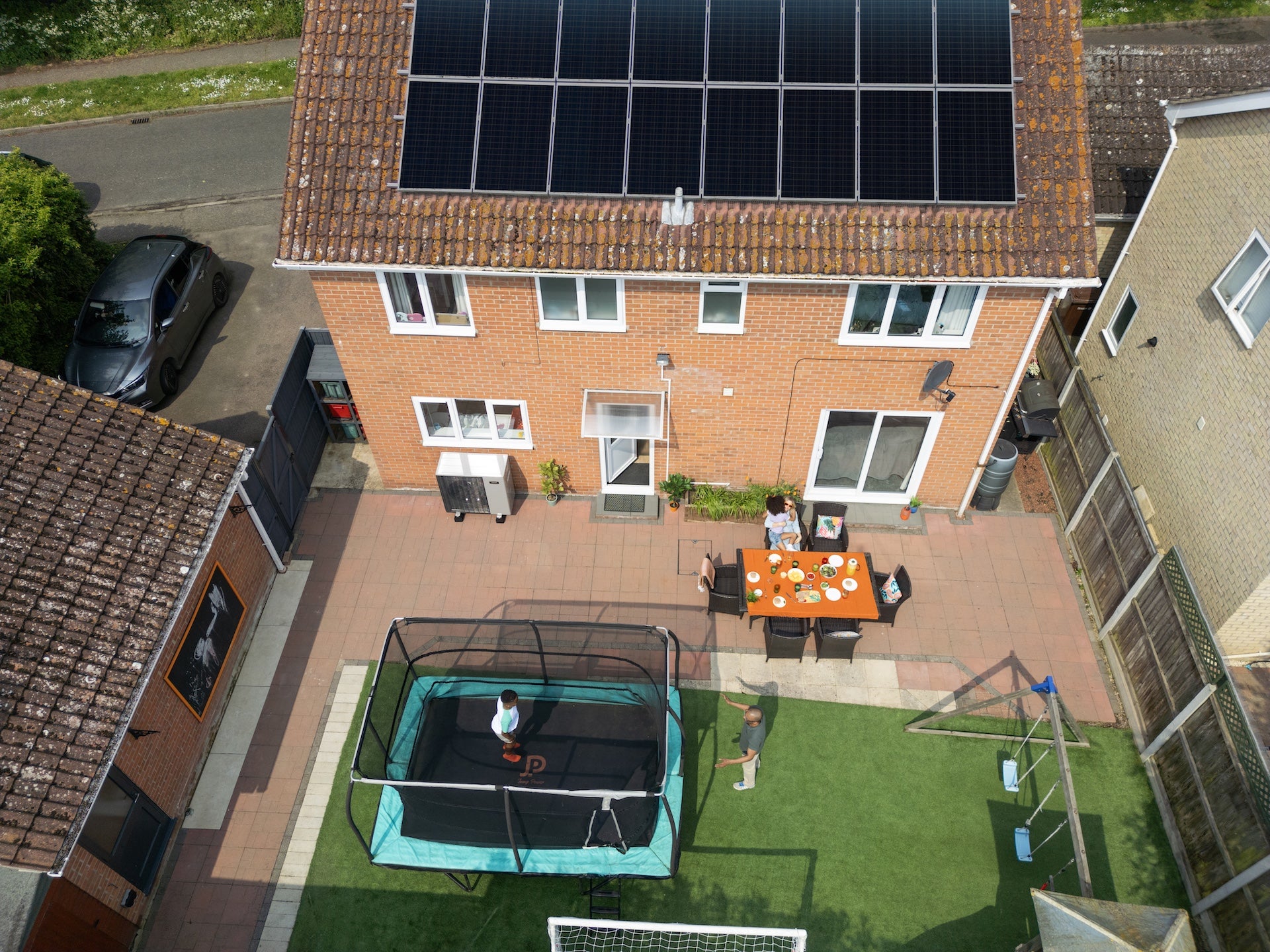
EDF Energy, one of the UK’s largest energy suppliers, now offers homeowners the option to install rooftop solar panels and battery storage systems. The service is delivered through Contact Solar, a Which? Trusted Trader, and comes with the added incentive of specialist electricity tariffs designed for solar users.
This overview of the service examines EDF Energy‘s solar panel offering and is aimed at helping readers understand the cost of solar panels through EDF, what’s included in the price and what to ask during the quotation process.
Get a quote for solar panels for your home
Use our comparison tool to get a range of free quotes for solar panels from leading installers across the UK.
What EDF’s solar service includes
EDF’s solar package covers the supply and installation of monocrystalline photovoltaic (PV) panels, an inverter and optional battery storage. A property assessment determines roof suitability, including size, pitch, shading and orientation. South‑facing roofs typically perform best, while east‑ and west‑facing roofs can still be used with slightly reduced efficiency.
EDF also provides a monitoring system that allows homeowners to track their generation and usage. This is particularly useful for optimising self‑consumption, but exact app features and performance metrics are not detailed publicly.
Installations are carried out by Contact Solar, which has a Which? Trusted Trader accreditation and boasts a near-perfect 4.8 customer rating score (out of 5) on Trustpilot.


How much do EDF solar panels cost?
EDF lists indicative pricing online – a level of transparency that many installers do not provide, it should be noted – but these estimates should still be treated as starting points rather than guaranteed totals.
Example pricing (panels + inverter):
- 2kW (4-5 panels): around £5,645
- 3kW (6-7 panels): around £5,845
- 4kW (8-9 panels): around £6,495
- 5kW (10-11 panels): around £7,095
A typical three‑bedroom home with around nine panels is quoted at approximately £7,995, including installation, scaffolding, an inverter and the monitoring system.
You’ll probably note that this is higher than the £6,495 example price listed for an 8-9 panel (4kW) system. This is because EDF’s lower figure reflects only the panels and the inverter, whereas the worked example represents a fuller, more realistic installation cost. It factors in other costs, like labour, scaffolding, the monitoring hardware and other standard site requirements, which generally add around £1,500 to the total.
Battery storage
Battery packages with EDF start from around £3,995 and include an upgraded inverter. EDF occasionally offers promotional deals such as a complimentary 5.32kWh battery with certain system sizes. As with the solar panel pricing, these battery costs may vary depending on installation conditions and electrical configuration.
What solar panels does EDF use?
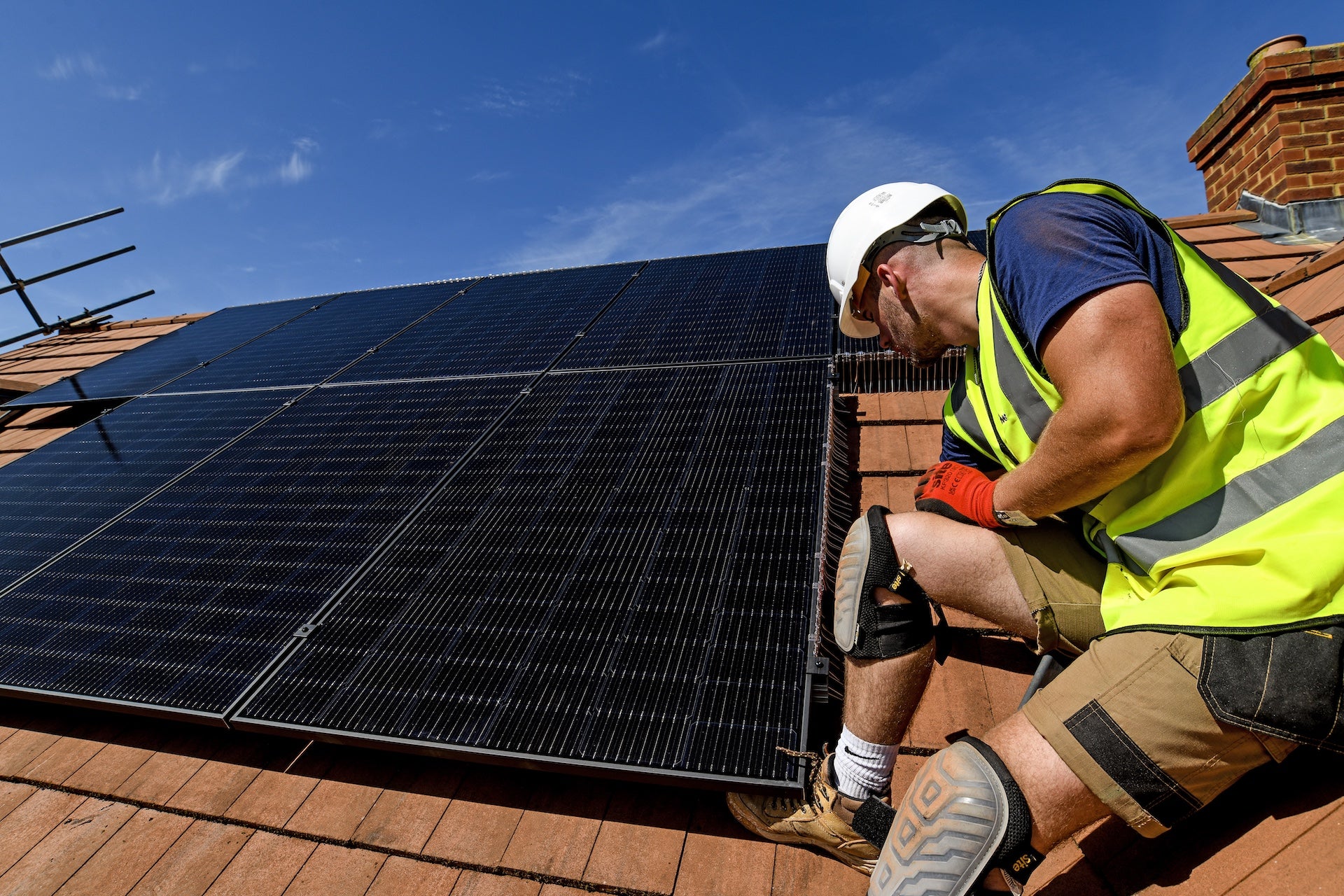
EDF states it installs modern monocrystalline solar panels, the current industry standard for residential systems. For homes affected by shading from trees or neighbouring buildings, EDF may recommend microinverters so that one shaded panel does not affect the whole array.
EDF doesn’t state which specific solar panels it provides, nor their efficiency ratings, expected degradation rates or manufacturer guarantees. However, Contact Solar states that it supplies both Jinko Tiger Neo 430W and JA Solar 405W solar panels for its domestic installations.
The Jinko Tiger was our top solar panel for UK weather and low light in our round-up of the best solar panels available in the UK. It boasts an efficiency rating of 22 per cent and comes with a 25-year warranty on the product and 30 years on degradation, owing to its N-type cells which are slower to degrade.
The JA Solar is another quality solar panel from a well-known manufacturer. It offers 20.7 per cent efficiency and a 12-year product warranty and an extended 25-year power output warranty, guaranteeing annual degradation of just 0.55 per cent.
Tariffs, savings and export payments
EDF promotes the EMPower Exclusive tariff, which can be paired with a solar‑plus‑battery installation. Under certain scenarios, involving average consumption, optimal roof conditions and strategic use of battery storage, EDF suggests that households could achieve the equivalent of £0 electricity bills for 12 months.
EDF also references Energy Saving Trust estimates of annual bill reductions of up to around £690.
However, these figures depend on a wide range of variables, including household energy habits, system size, roof orientation and whether the battery is charged overnight using cheaper off‑peak electricity. Every system and household consumption rate is different, so these savings should be viewed as models rather than guarantees.
Customers can also earn money through the Smart Export Guarantee (SEG) by exporting surplus electricity back to the grid. EDF provides SEG tariffs, though specific export rates for solar‑installation customers are not published alongside the installation information.
Suitability and eligibility
EDF assesses homes based on roof size, pitch, structure and shading. The company notes that flat roofs are not eligible under its standard offering. Homes with significant shading may require microinverters or optimisers, which could increase installation costs.
Because EDF does not publish minimum roof dimensions or structural requirements, some homeowners may not know whether their property is suitable until after the survey.
Pros and Cons of EDF solar panels
Pros
- Transparent example pricing for complete systems
- Battery storage options available
- Installation by a Which? Trusted Trader
- Access to a solar‑optimised electricity tariff
- Monitoring app included
- Free survey and no‑deposit option
Cons
- Savings claims depend heavily on ideal conditions and user behaviour
- No long‑term or independently verified performance data
- Limited detail on export rates and tariff terms after the first year
Conclusion
EDF offers a straightforward, competitively priced solar solution backed by a major UK energy supplier. The involvement of a Which? Trusted Trader for installation adds reassurance, and the ability to pair solar panels with a battery and a solar‑friendly tariff could help some households lower their bills.
However, homeowners should request full written details on panel specifications, warranty lengths and any additional costs during the quotation process.
For those who prefer the convenience of dealing with a large, established energy provider, EDF’s solar service may be a good fit.
Join our commenting forum
Join thought-provoking conversations, follow other Independent readers and see their replies
Comments
Bookmark popover
Removed from bookmarks