Leona Lewis: Save the Children appeal — as a mother, I look at the world and shudder
Modern weapons are devastating young lives on a scale the world has never seen before, says Save the Children UK ambassador Leona Lewis – but life-saving innovations are giving some hope, resilience and the chance to dream again
As a mother and someone who has always cared deeply about protecting children, I’ve found this year especially hard to take in. It’s easy to feel helpless in the face of the relentless news cycle, with images filling our social feeds from places like Ukraine, Sudan and Gaza.
But through my work this year with Save the Children, I’ve learnt not only about the scale of the challenges children in conflict face, but also about the incredible, innovative work underway in the UK to address them. So instead of helplessness, I feel a cautious sense of hope.
That’s not to say the threats children face aren’t monumental. A new report from Save the Children reveals something heartbreaking and difficult to absorb: explosive weapons are now killing children on a scale the world has never seen before.
Not long ago, most children in war zones died from hunger or disease. Today, that picture has changed. More than 60 per cent of children killed or injured in conflict are now victims of bombs, missiles and drones. Bombs and drones are striking the very places that should keep children safe – their schools, homes and hospitals. The spaces where children sleep, learn and play are coming under missile attack, and children and their families are paying the heaviest price.
This feels like a tragic step backwards for children. No child should ever be exposed to the horrors of war or have their childhood stolen by conflict – yet explosive attacks are now destroying young lives at an unprecedented level.
Whenever I see news of yet another deadly attack against children, I’m left feeling overwhelmed and questioning how things have come to this. How have we allowed the world to become so unsafe for its youngest and most vulnerable? I worry about the future we are creating for the next generation. And when I think of parents who have lost their children to conflict, I can’t begin to comprehend the depth of their grief.
Yet I still hold on to hope – because hope is what keeps me speaking up for children who cannot speak for themselves. Now more than ever, they need us to stay strong, to keep pushing for change, and to stand with them when they have no one else.
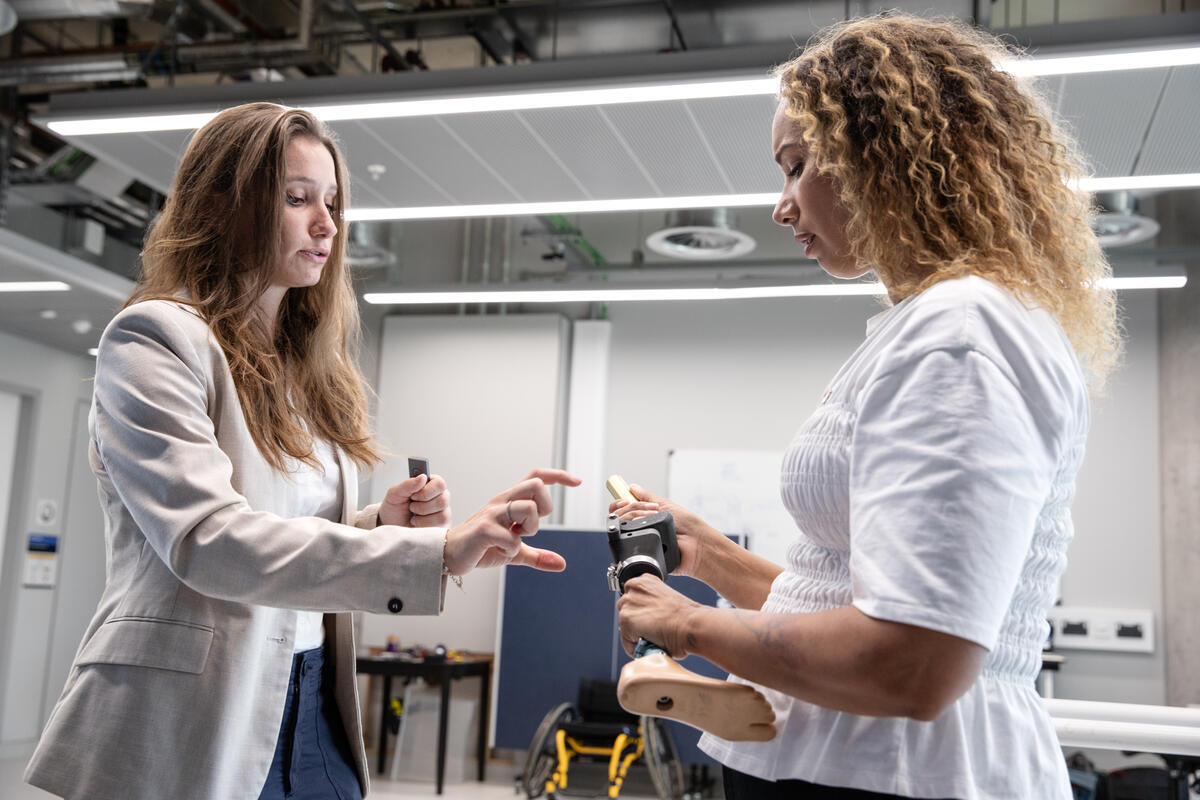
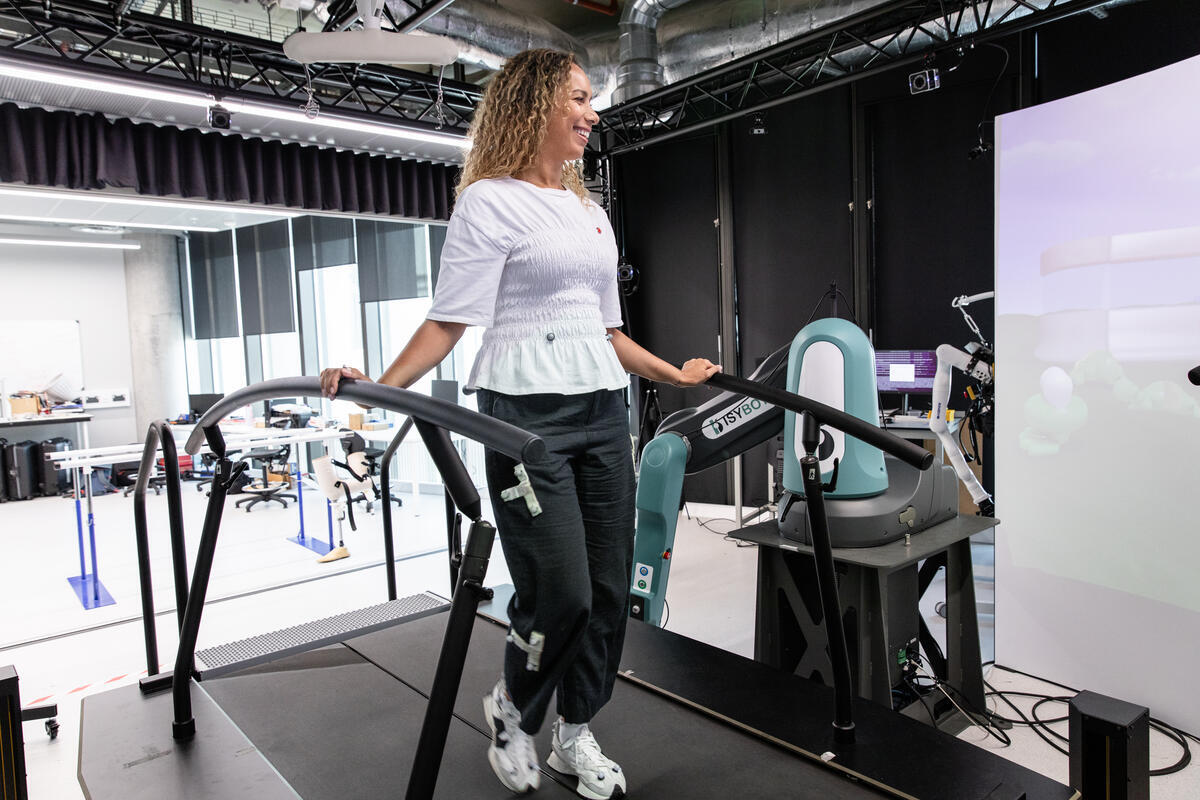
Earlier this year, I saw that hope in action when I visited a research centre at Imperial College London. There, dedicated medics and engineers are developing life-saving innovations and bespoke prosthetics for young survivors of explosions and natural disasters – work made possible thanks to a groundbreaking partnership with Save the Children.
I was saddened to learn that many children do not survive blast injuries and that, even when they do, the prosthetics they are given often fail to meet their needs. Research into how best to treat child-specific injuries is years behind where it should be. Yet prosthetics designed for growing, rapidly changing bodies are essential – not just for mobility, but for accessing education, healthcare and play – the very things that allow a child to grow, thrive and dream.
What I saw at Imperial gives me hope. This research is beginning to change the picture, giving children the chance not only to move freely and reconnect with friends, but also to imagine a future again. From motion-capture treadmills with playful, child-friendly graphics to 3D printers producing bespoke, lightweight prosthetics, these innovations are helping children to walk, run and explore once more.
I also spoke to Save the Children staff about what daily life is really like for children living through conflict. I heard devastating stories of families who have lost everything, and of children so traumatised by violence that they wake screaming from nightmares. But I also heard stories of extraordinary resilience – like that of a nine-year-old girl in Gaza who survived a shrapnel injury that damaged part of her skull. Despite everything she has endured, she dreams of becoming a teacher so she can one day help rebuild her community.
When children enduring the very worst refuse to give up hope, neither can we. Seeing at first hand how these innovations are helping young survivors reclaim movement, confidence and joy was a powerful reminder of what is possible when we lead with compassion and refuse to look away. I left feeling proud to champion this vital work – which relies on public generosity to continue – and more determined than ever to speak up wherever I can. Protecting children must always be our starting point, no matter where in the world they are.
Leona Lewis is a singer and ambassador for Save the Children UK
Join our commenting forum
Join thought-provoking conversations, follow other Independent readers and see their replies
Comments
Bookmark popover
Removed from bookmarks