Braden Peters is the new Andrew Tate: What every parent needs to know about teen boys and ‘mogging’
In a new shift in the manosphere, boys are being told their looks now matter more than their brains, as being AMOG *Alpha Male of the Group is seen as above and beyond anything else. Chloe Combi looks at the pressure boys are being put under to ‘mog’, which includes bone smashing, extreme diets and cosmetic procedures
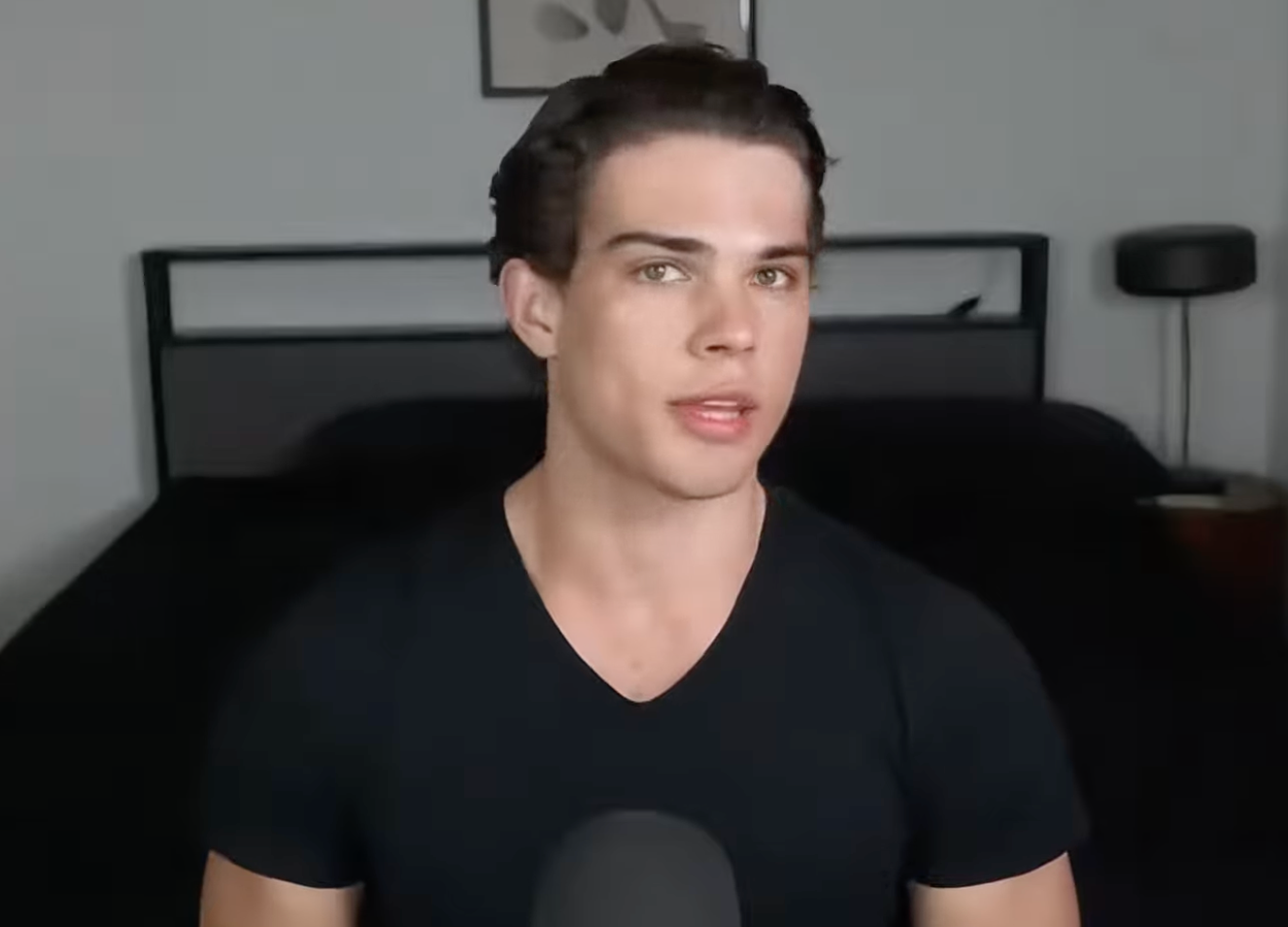
In 1997, the sci-fi noir film, Gattaca, starring Ethan Hawke, Uma Thurman and Jude Law, was released. Though not a box office hit at the time, the film has gained something of a cult following over the last 30 years, not least because of its prescience about the future we now find ourselves increasingly living in. The film depicted a dystopian future where children conceived “in love” and not via genetic modification have become the true underclass.
Vincent, played by Ethan Hawke, manages to beat the system and infiltrate an elite space programme by purchasing the identity of genetically “perfect” Jerome Morrow, who has become a disabled recluse after a failed suicide attempt. In order to pull off “becoming” Jerome, the most extreme and painful modification Vincent must undergo is to have his legs broken and the bones reknitted to hit the perfect height of Jerome’s 6’1.
This year, what was once the stuff of dystopian sci-fi entered the Gen A chat. Ryan (15), a Year 11 student, informed me that if he doesn’t hit the magic six-foot (183cm) he’d “absolutely” consider getting his bones smashed and reset – and most of his friends agreed. Leg elongating is a procedure that gets an increasing amount of coverage and discussion on TikTok and Instagram, and alarming numbers of teenage boys seem very familiar and interested in it.
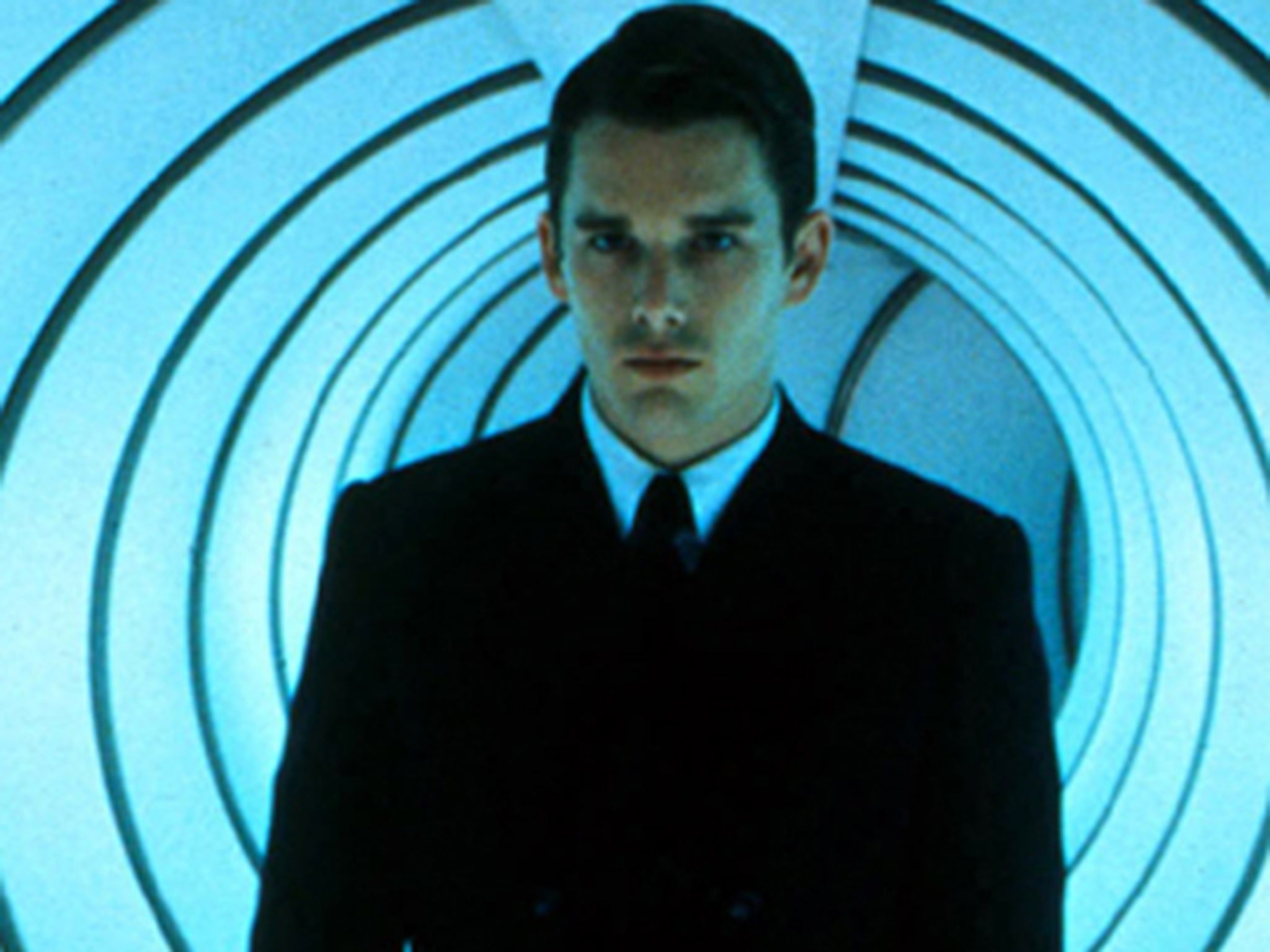
Ryan explains: “Short guys just don’t mog. They can call themselves ‘short kings’ all they want. I’d do anything to not be short. It’s one of the worst things that can happen to a man. At least if you’re ugly, you can have plastic surgery and fat people can shred. Thank god, there’s technology coming in that means there’s a cure for being short. You can only mog if you’re tall. Facts.”
Welcome to the world of “mogging”, a term that originates from AMOG (Alpha Male of the Group), a new manosphere-adjacent set of laws that decrees boys are only worthy and one of the golden 20 per cent if they are mega attractive. By the laws of mogging, this means Adonis-level facial proportions, a ripped and fat-free body, tall (only over 6-feet is really acceptable, hence the interest in bone smashing), and beautifully dressed and styled.
There are no limitations placed on what you should do ‘to mog’, and so Gen A boys are being encouraged to take things to absolute extremes in order to mog. The facemasks and mewing of the #looksmaxxing trend suddenly seems quite tame compared to the demands of mogging, and anyone tempted to write this off as another daft online trend only needs to take a look at the state of teenage boys’ mental health. Globally, Gen A boys are starting to display similar levels to Gen A girls in terms of eating disorders diagnoses and mental health disorders connected to anxiety about how they look.
A name that has started to come up in the discussions with boys about looks and vanity with the same kind of frequency and intensity Andrew Tate’s started to around 2021, is ‘Clavicular’ – real name, Braden Peters, a “looksmaxxing influencer” with a huge and growing Gen A boy following. Peters or ‘Clavicular’ is evangelical in his belief that a young man’s highest priority is to be hot, hot, hot – or mog.
In order to achieve maximum mog, Clavicular has whacked himself in the face with a hammer, and reportedly even tried crystal meth to control his appetite and remain ripped, and views the world with a flat sort of beauty-nihilism, where the beautiful matter and those who aren’t can just go and die in mog-less misery.
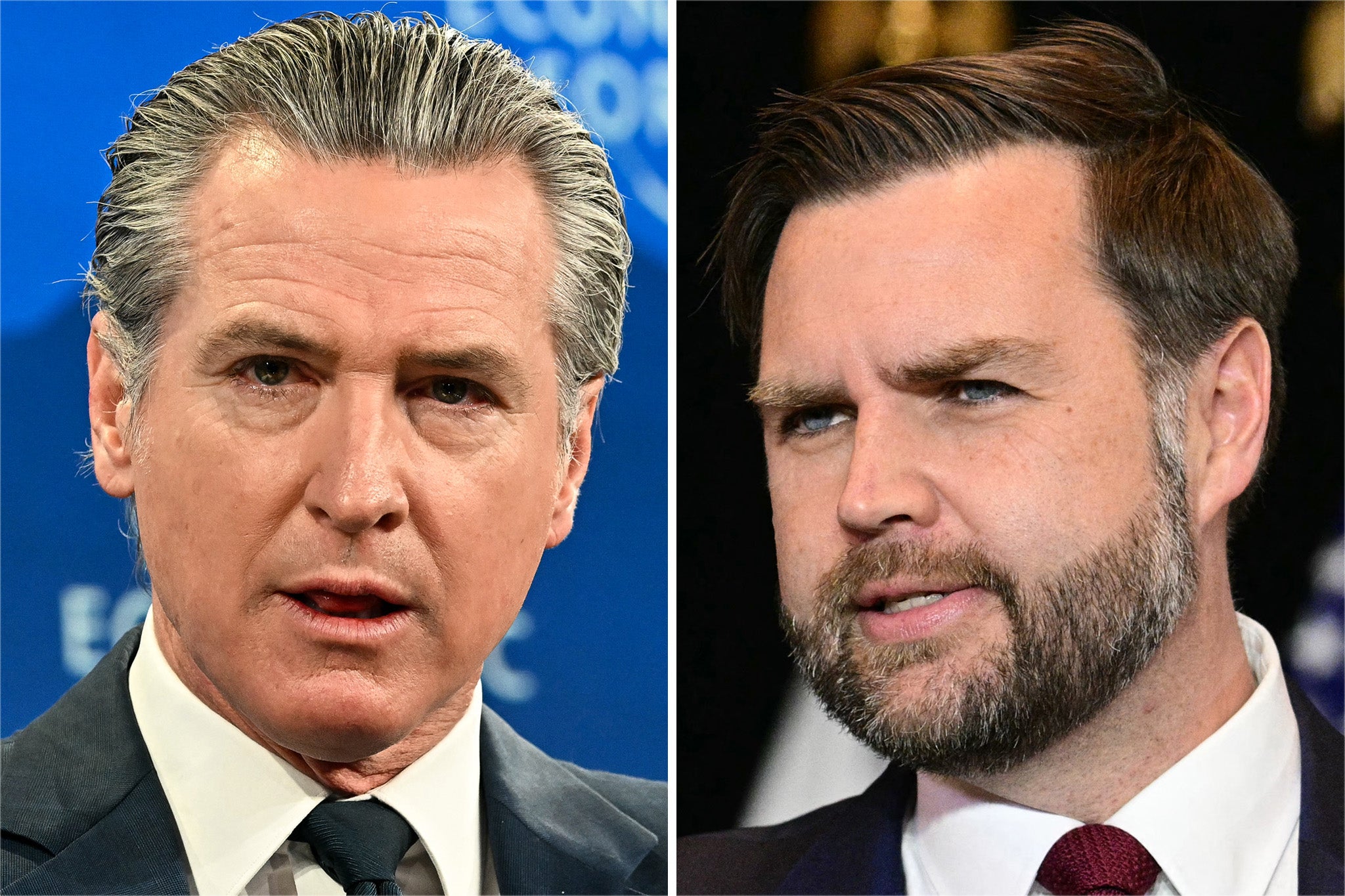
In December 2025, Clavicular summarised his worldview and even managed to shock the often bleak The Daily Wire when he was asked to comment on the current state of American politics. Clavicular described Vice-President JD Vance as “subhuman” but not because of his politics or treatment of citizens, but because of his looks. He criticised Vance for having “a recessed side profile” and “being obese”, going on to question “How are you fat and expected to lead a country?”

He spoke much more glowingly of Gavin Newsom, the person lots of people view as the current Democrat frontrunner for the 2028 Presidential election. Clavicular described Newsom as a “6’3 handsome Chad” and assured the gobsmacked Michael Knowles he would “totally” vote for Newsom because “he totally mogs Vance”. This is despite Clavicular also believing Newsom is a “degenerate” and “liar”. In this world, being tall and handsome wipes out any other transgressions or shortcomings (provided you’re not actually short, of course.)
At this point, women around the world might be feeling a slight inkling of justice. After all, girls and women have been subjected to similar beauty standards and cruel assessments of their looks for centuries. But this is no win for equality nor a balancing of the scales. The global obsession with looks and beauty, now as rife in young men as young women, is symptomatic of something dark and lost in younger generations.



Beauty – including male beauty – is seen less as a win and more as a kind of modern absolution. There is a widely held and not unsubstantiated belief in Generation A and Z that beauty is not only a ticket to wealth, fame and popularity, but also something that can save you from the grind of modern life that only ‘normies’ should have to submit to. For the average looking, there are jobs, bills, boring relationships and family cars. For the beautiful or those that mog, there are followers, lucrative brand deals, CyberTrucks (because of course Clavicular drives one) and sex on tap if and when you deign to bother with the opposite sex.

The problem is it is distorting for a generation what happiness and success is. I have spoken to thousands of Gen As who view what would have once been considered elite, totally aspirational jobs like surgeon, architect, writer or spy as ‘failures’ – something you do if you’ve failed to become a content creator or CEO of something vague, usually funded by crypto. If a little bone crunching is required so you can commandeer a CyberTruck and tell your millions of followers to vote for the guys who mogs – so be it.
We failed to spot how bad things were for boys, and this enabled the worst messages and messengers of the manosphere to take hold, and their influence remains more powerful than ever. Not to spot that this growing obsession with obsessive beauty signals something rotten is a mistake. Teenagers have always worried about their looks; those years are a perfect storm of hormonal anxiety and a brand-new biological impetus to attract a mate by standing out from the pack. But technological shifts and a new guard of influencers are pushing Gen A through the looking glass of normality and reality, and we’ve arrived in a place Gattaca once imagined as a kind of warning. Human beauty is no longer enough; young people are hammered with AI depictions of beauty that simply aren’t achievable, so they are encouraged to seek them by any means necessary.
Influencers are no longer telling kids to work out, eat clean and apply makeup but treat their looks as a new kind of religion, where everything else – intelligence, kindness, bravery, values – simply can take a number in the pursuit of mogging or maxxing hotness.

Lawrence, 17, who attends a mixed boarding school, has noticed lots of his peers being pulled into this obsession: “My brother, who’s only 23, is training to be a teacher at my school and is an assistant housemaster to the equivalent of Year 9 boys. He cannot believe how obsessed they are with their looks and the amount of time they spend on making themselves looking good, working out, talking about their looks and all the products they have.
“It’s even worse in the Sixth Form. I didn’t use to care that much about how I looked, other than being fit, but you get pulled into it. I spend a lot more time thinking about and worrying about how good-looking I am, more than I ever have in my life. And yes, I follow Clavicular. He’s sort of awful but also so good-looking.”
In the book, The Adonis Complex: The Secret Crisis of Male Body Obsession, by researchers Harrison Pope, Katharine Phillips, and Roberto Olivardia, the complex is described as “causing sufferers to believe they are never enough no matter how others see them.”
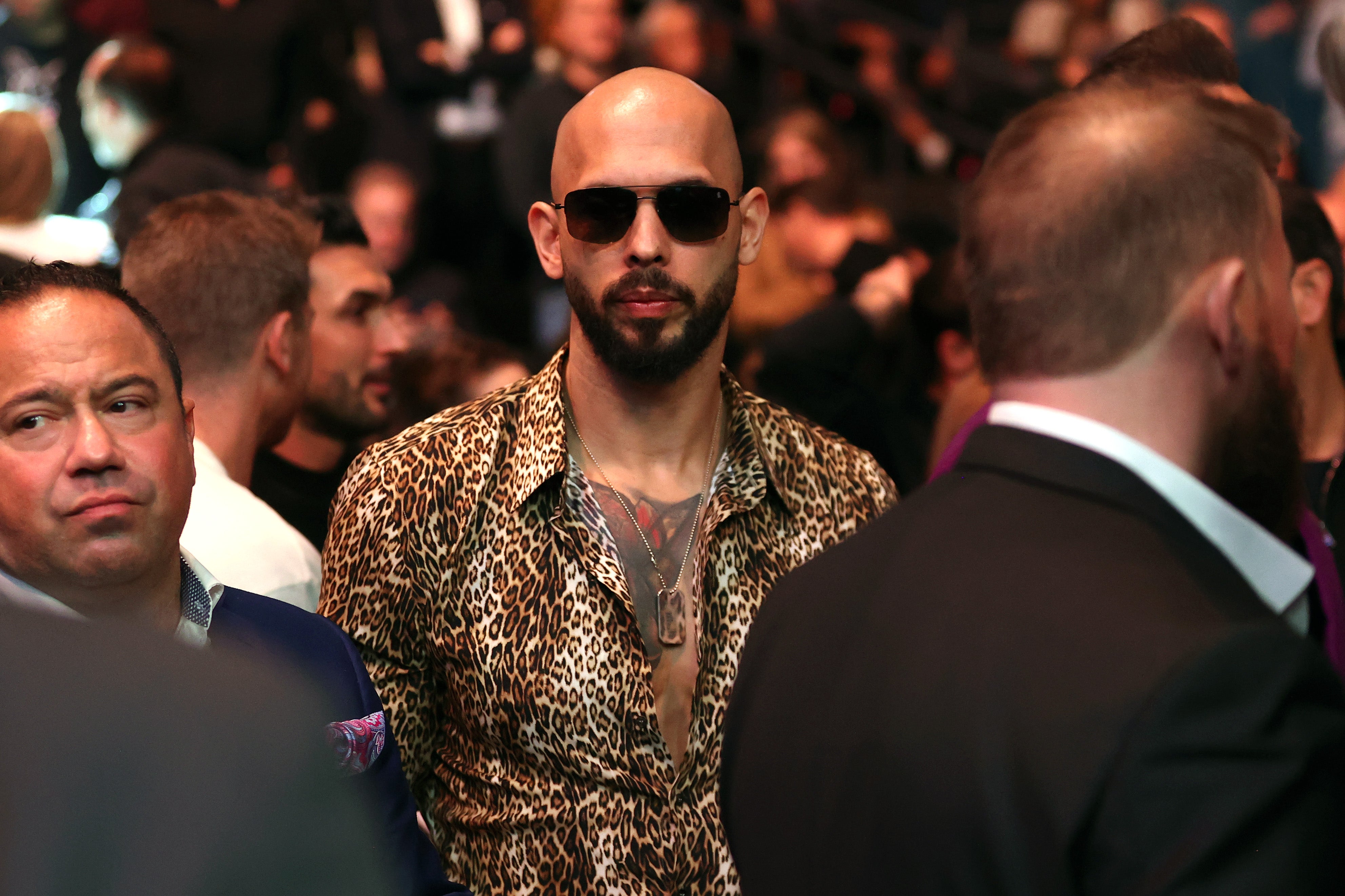
Talking to young men, this is evident everywhere, but the driving forces behind the mogging craze also brings to mind another famous Greek myth. Narcissus, the handsome hunter was so enamoured by his reflection he drowned in a pool of water.
Likewise, young people have been staring so long into their phones at AI-images of beauty and videos of people with insane views on looks and beauty, they are also starting to drown. It’s time to pull them back into the real world, where how you look still does matter, but we care about other things, people, places, ideas and the relationships you make along the way more than how much you mog.
Join our commenting forum
Join thought-provoking conversations, follow other Independent readers and see their replies
Comments
Bookmark popover
Removed from bookmarks