When is Pancake Day? The history of the centuries-old Shrove Tuesday tradition
The ritual of eating pancakes to mark the start of Lent has been observed in Britain since around the 16th century
Get your spatulas ready: Pancake Day, or Shrove Tuesday, is just around the corner, arriving on Tuesday 17 February in 2026.
This year's celebration falls notably earlier than the previous one, so you’ll need to prepare your batter ingredients if you haven’t already.
Whether you favour the crepe-style pancakes or prefer the thicker, fluffy variations enjoyed in Scotland and the US, this annual culinary event is embraced by countless individuals worldwide.
Signifying a period of indulgence before the Christian festival of Easter, Pancake Day holds both religious significance and offers a chance to enjoy delicious treats.
What is it and when does it take place?
Shrove Tuesday, also commonly referred to as Pancake Day, is a celebration that’s observed the day before Ash Wednesday.
Ash Wednesday marks the first day of the Christian observance of Lent, a 40-day period of abstinence that precedes Easter (which is a moveable feast).
As such, Ash Wednesday is the last day on which those who observe Lent can enjoy richer foods before abstaining for them, should they choose to.
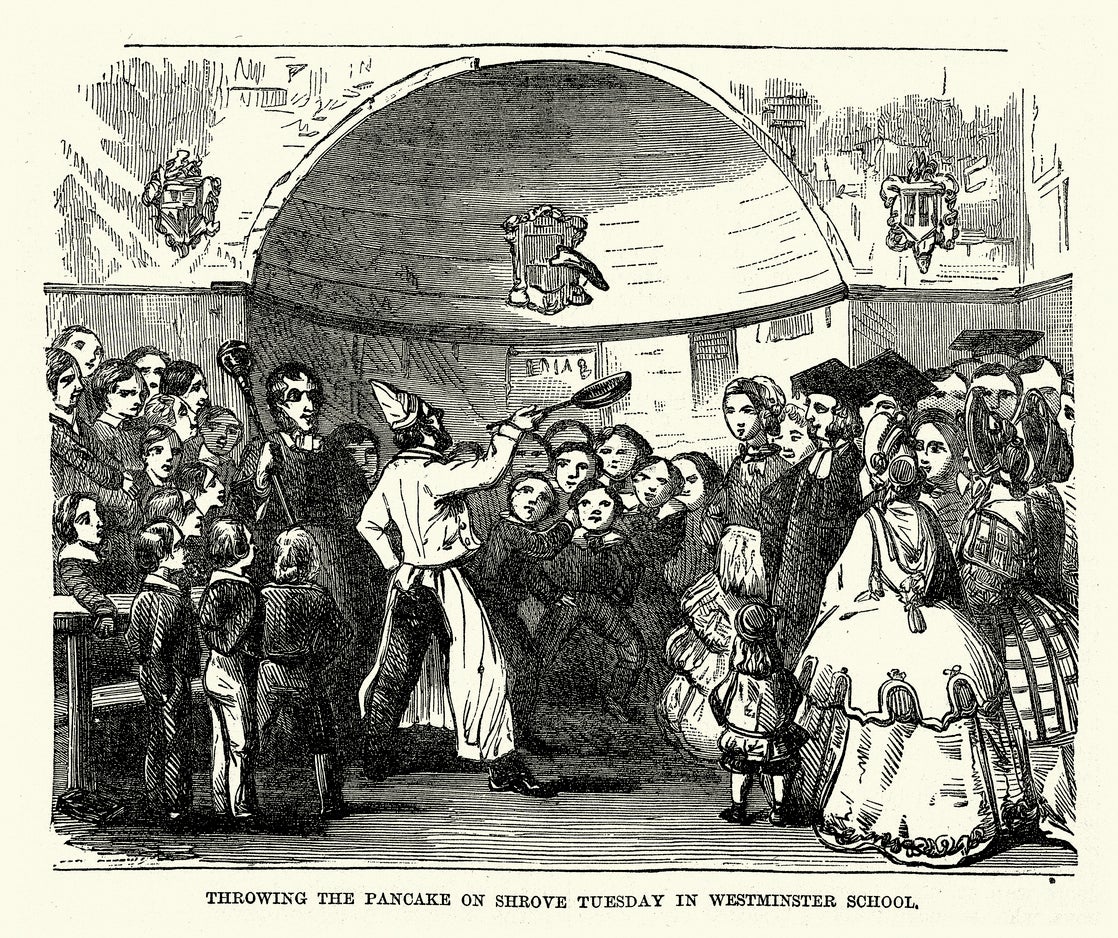
Throughout the centuries it’s become tradition for people to eat pancakes to mark the beginning of Lent to use up ingredients that they wouldn’t be allowed to eat during the 40-day period, which is how Pancake Day obtained its name.
As Pancake Day always takes place 47 days before Easter Sunday, its actual date on the Gregorian calendar can vary.
According to Historic UK, the term Shrove Tuesday derives from the act of Anglo-Saxon Christians confessing their sins before Lent, and thus being “shriven” of them.
In some countries, including France, Germany and the United States, the day before the start of Lent is recognised with a celebration called Mardi Gras.
Translated as meaning “Fat Tuesday” in French, the festivities often involve Carnival activities such as extravagant parades.
How did it start?
The tradition of eating pancakes to see in the beginning of Lent has been observed in Britain since around the 16th century.
The Encyclopedia of Traditional British Rural Sport outlines that this occurred because the ingredients that make up pancakes – namely eggs, butter and fat – would typically be banned during Lent.
“In some parishes it was the custom for the church bell to ring at noon as the signal for people to begin frying their pancakes,” the authors of the book state.
This bell became known as the “Pancake Bell”, Historic UK explains, and is still used in parishes today.
While pancake eating on Shrove Tuesday has been a custom for the past few centuries, the act of marking the beginning of Lent prior to Ash Wednesday has been around for far longer.
According to the Anglo-Saxon Ecclesiastical Institutes, a text reportedly translated by writer Abbot Aelfric around 1000AD, in the week preceding Lent it was custom for Christians to confess their sins so that “the confessor shall so shrive him as he then may hear by his deeds what he is to do [in the way of penance].”
Centuries later, around the time of the 16th-century Western Christian Reformation movement, “Shrovetide”, the period of celebration before the fast of Lent, would last around a week.
How is it celebrated?
First and foremost, the primary focus of many people on Pancake Day is the excessive consumption of palate-pleasing pancakes.
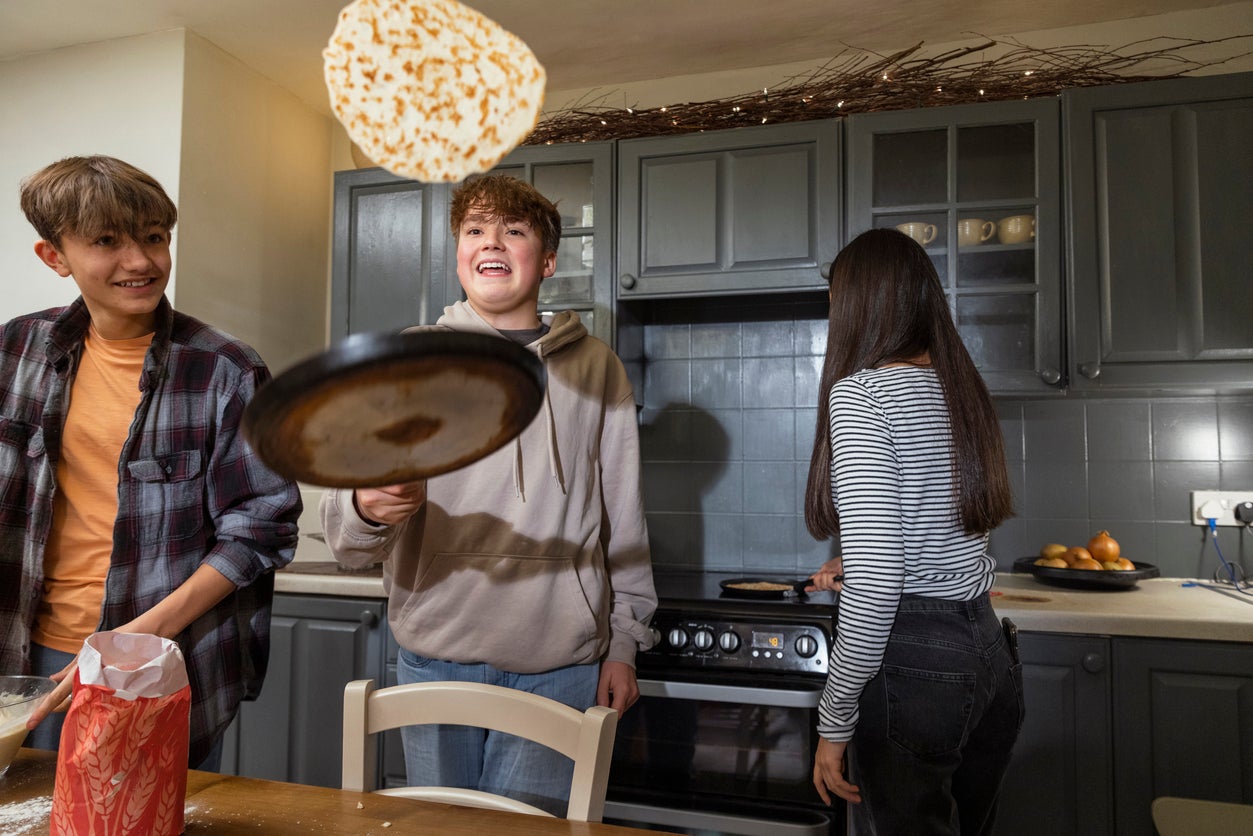
Some also take part in an activity called “pancake racing”, which, as the name suggests, involves participating in a race while flipping pancakes in a frying pan.
It’s believed this tradition originated in 1445, when a woman lost track of time while making pancakes on Pancake Day.
As she heard the church bell ring, calling for the community to head to the church for confession, she ran out of her house to make her way to church, all the while still holding her frying pan with the pancake on top.
In the UK, some also celebrate Pancake Day by taking part in “mob football” matches.
This centuries-old tradition used to be more common, and involves teams kicking a ball around on public roads.
While many no longer partake in the activity, some villages, such as Atherstone in Wawrickshire, continue to uphold the tradition.
Some pancake recipes you can try
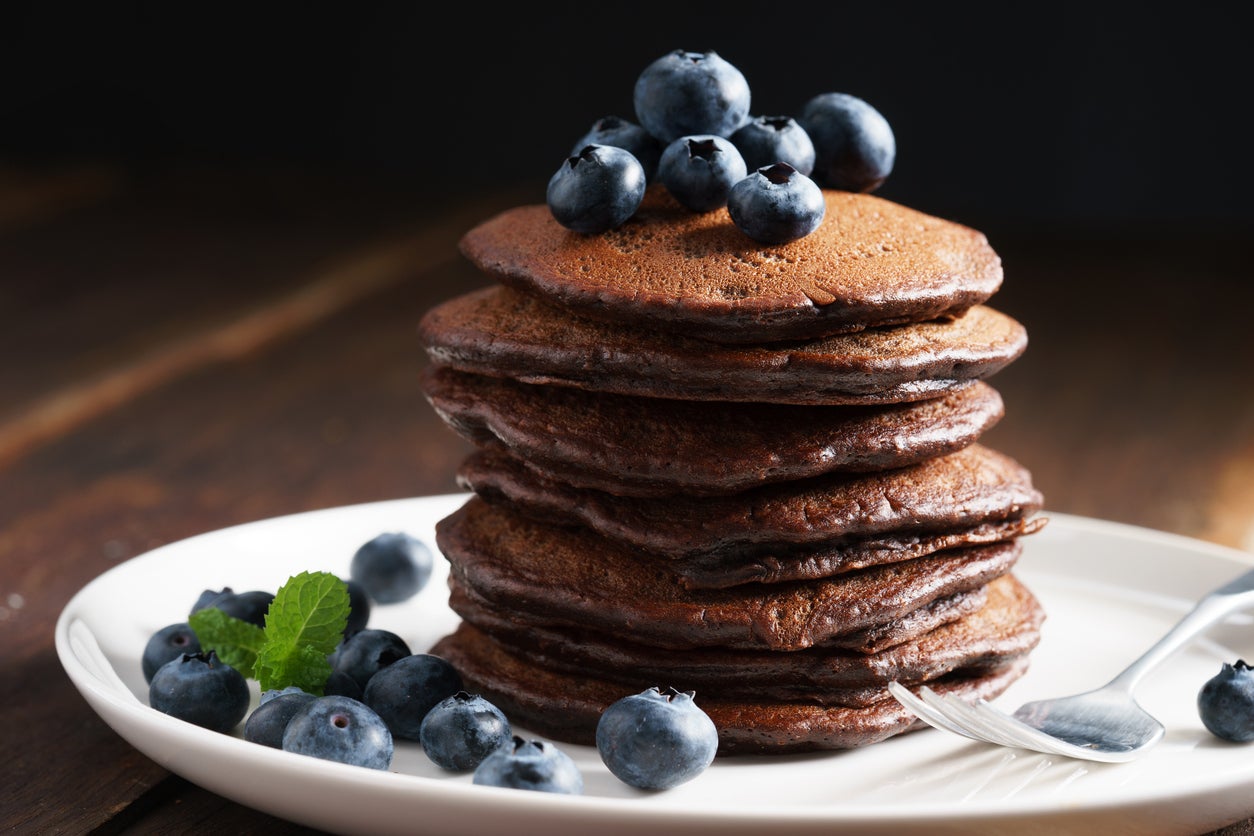
From simple crepes topped with sugar and lemon juice, to fluffy pancakes adorned with chocolate spread and banana, there’s no end to the creative pancake recipes you could fry up on Pancake Day.
If you’re looking for inspiration, look no further than The Independent‘s list of appetising recipes below:
If you’re in need of a decent frying pan, click here to take a look at 10 of the best varieties on the market.
Join our commenting forum
Join thought-provoking conversations, follow other Independent readers and see their replies
Comments
Bookmark popover
Removed from bookmarks