I watched shoplifters empty shelf after shelf in Boots and make mugs out of paying customers like me
As shoplifting spirals, the trend for stealing in bulk is taking it to another level. Victoria Harper describes what it was like being a customer in the middle of a ‘daylight’ robbery when two men strolled in and helped themselves to hundreds of pounds worth of products, and nobody was able to stop them


It started with that feeling that something was off. A slight crackle in the air, worried looks, and people scuttling away. Then a slightly raised voice from a security guard asking – yes, asking – two shoplifters to stop what they were doing.
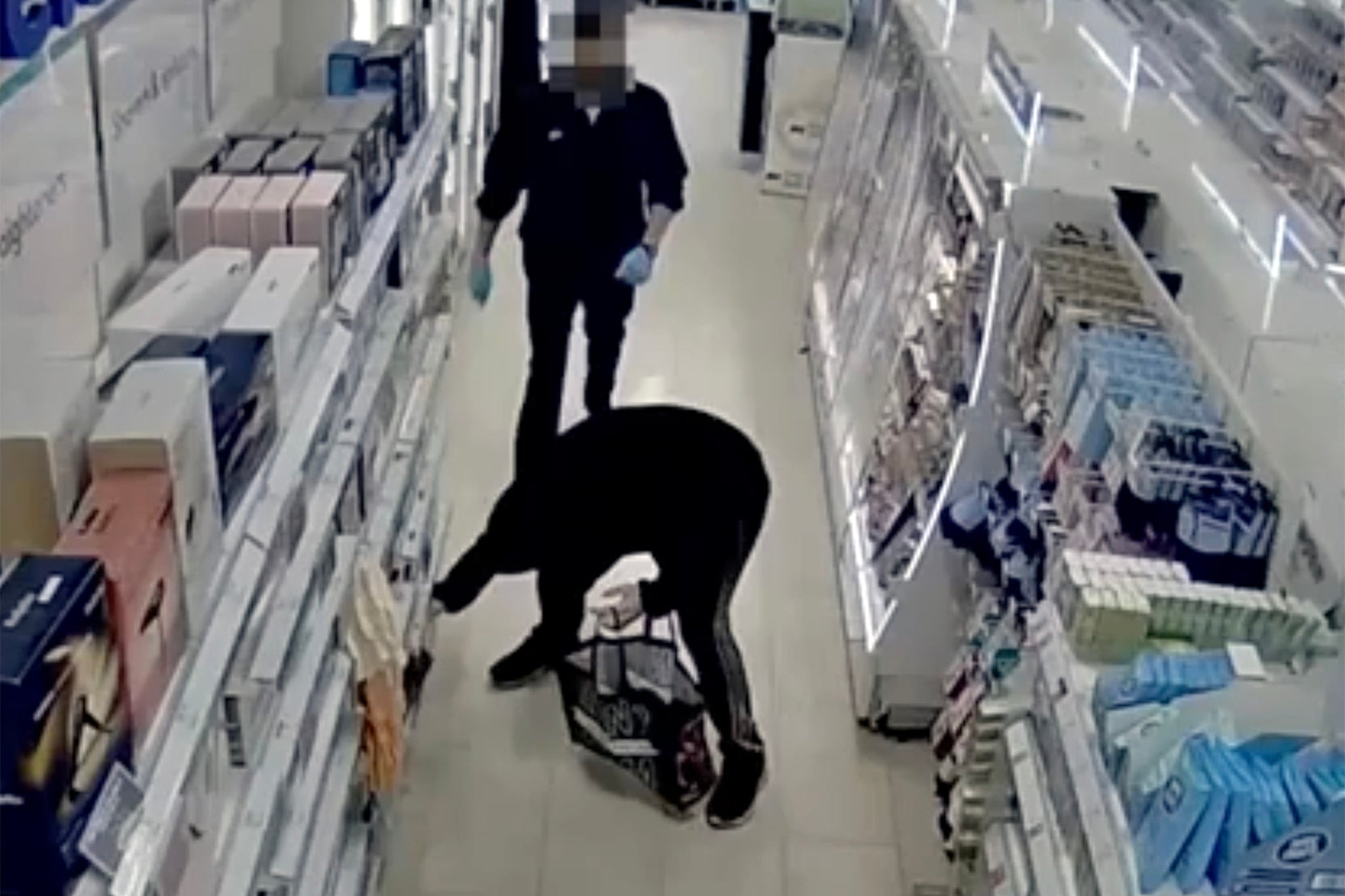
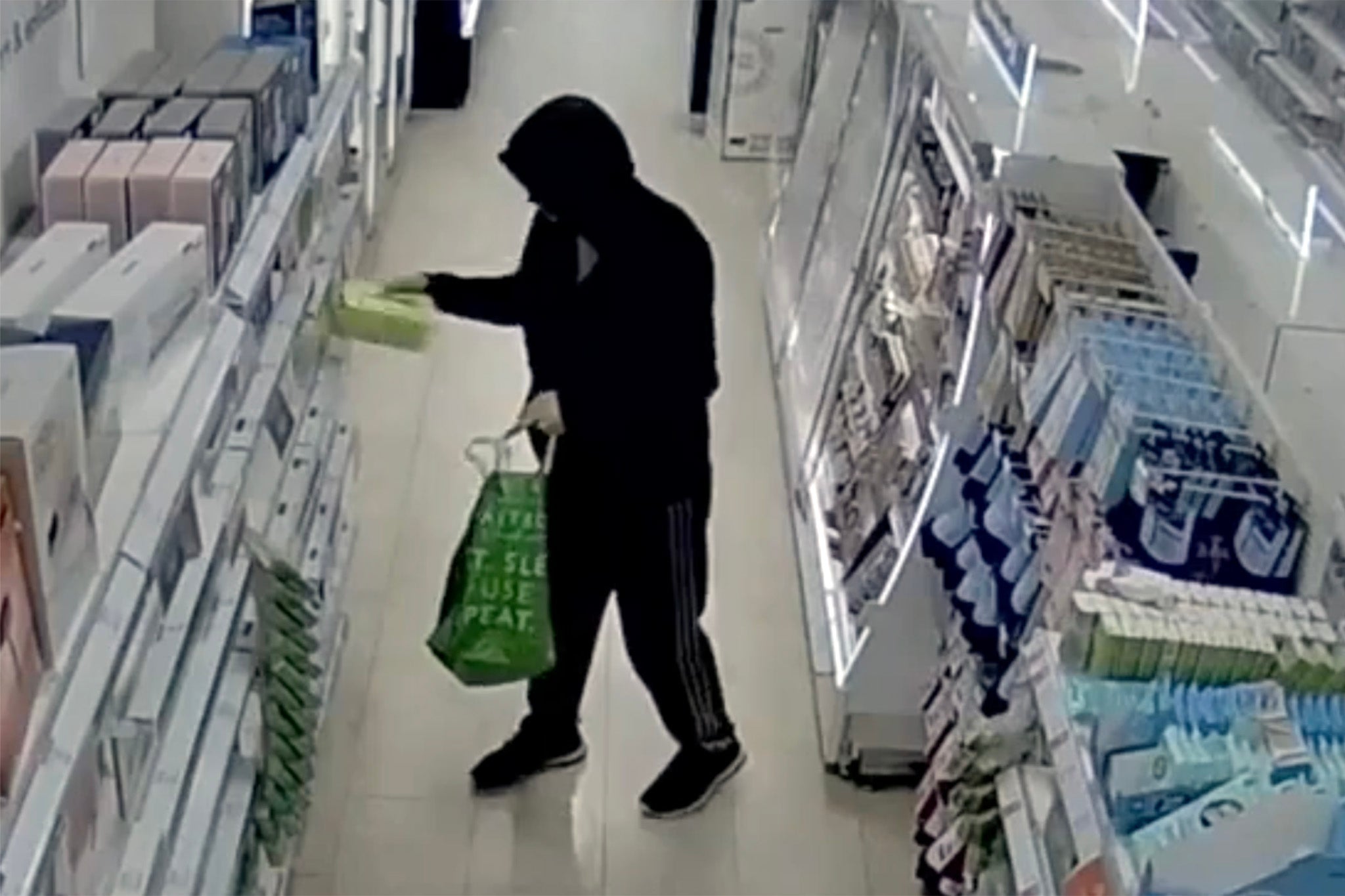
Well, when I say shoplifters, I’m being kind. This was a robbery. A full daylight robbery that happened just after lunchtime at a small Boots store in the heart of the City. Barely covering their faces, two early twentysomething blokes were calmly clearing the shelves of hundreds of products in the cosmetics aisle. They’d come equipped too: two large H&M bags, which they were happily filling, leaving the shelves entirely empty as everyone watched on, trying to believe their own eyes.
Next to me was a young American. Aghast, she could hardly get her words out. “Wait, what? They are just robbing the store? Are they just taking things? What is happening? Is this really happening?”
And yes, it really was – right in front of us, with no one apparently doing one thing about it. This wasn’t someone at the self-service till not scanning a few items. This was self-service in its realest sense, as we stood slack-jawed and frozen to the shop floor (I counted at least three sales assistants) watching the men helping themselves to whatever they liked.
A day later, there was a headline saying that one of Britain’s most prolific shoplifters had been banned from every Boots store in the UK for 10 years after he was jailed for stealing £107,000 worth of goods. Liam Hutchinson was jailed after committing a total of 99 shoplifting offences between May and August 2025, which involved grabbing several large quantities of electrical items and razors, and placing them in a bag.


The robbery I witnessed only stopped when one of the lads started to get anxious (bored?) that they were taking too long. After a few more swipes and a paper H&M bag so full I couldn’t believe it didn’t rip, they eventually calmly sauntered out of the shop with their swag and disappeared into the Underground station next door. That’s when the manager finally popped up like Mr Benn, apparently completely unfussed. “It happens all the time,” he shrugged. “What can we do?”
The shaken-up security guard was left to call the police while the other staff milled about, also shrugging their shoulders and rolling their eyes and tutting. “We can’t touch them,” they said, over and over again.
I get it. The probably-just-above-minimum-wage security guard isn’t paid enough to risk being punched or stabbed, and the peculiarities of our topsy-turvy legal system mean he’d risk being accused of assault if he did touch them. (Go figure?) But, I asked, couldn’t one of the other staff at least have called the police while it was happening? Why leave it to after the event? Another shrugged: “It just happens all the time.”
But if it does happen “all the time”, shouldn’t there be a protocol beyond just idly standing by and watching it happen? I don’t know – a really loud alarm button, a system for calling the police. At the very least, maybe just move the aisle of the most expensive creams in the shop away from the door?
Because while they “can’t do anything”, the rest of us are paying the price. I looked down at my own basket: three packets of expensive vitamins. How much had they been marked up to help offset these “all the time” robberies? Retailers report that shoplifting costs them over £2.2bn in 2023-24. As losses rise and they invest in theft deterrents such as more security guards, locked cabinets, or behind-counter displays for “hot product” items, what is the cost to the rest of us? And what is the point of paying a security guard if he can’t do anything?
So, I asked the manager: “I guess then, I can just walk out of here with these vitamins now and you’re saying that’s absolutely fine? You can’t stop me? Is that OK?” Another shrug. And it was then I realised the only thing stopping me was my own sense of what is right and wrong.
I didn’t walk out with my basket – but I decided not to buy the vitamins either. I just felt that honest customers like me were footing the bill for the audacity of daylight robbers and the apathy of shrugging, eye-rolling managers. By continuing as normal and pretending this was absolutely fine, I felt like I’d be adding to the problem, too.
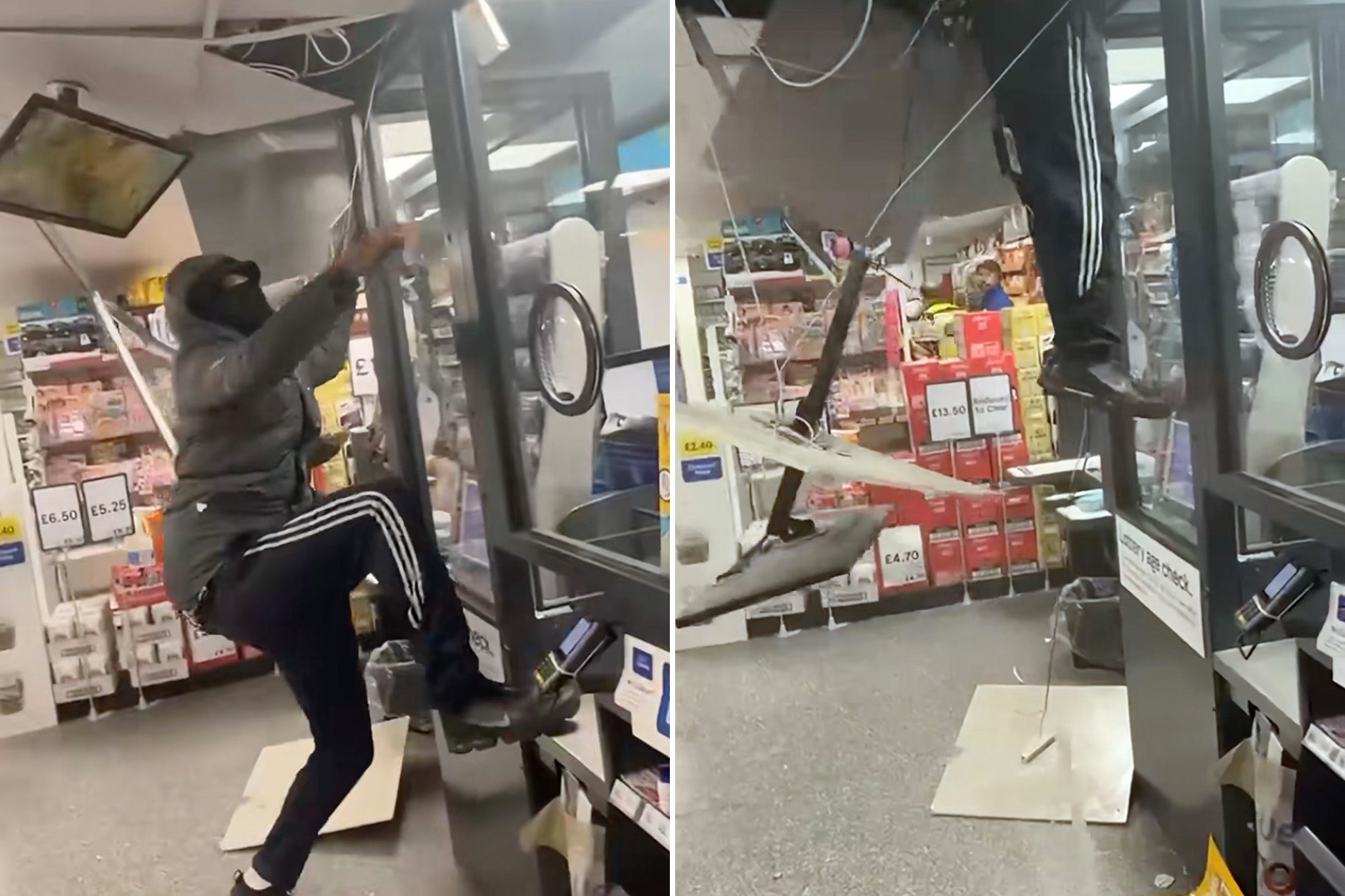
Recounting the tale at my desk an hour later, similar stories came thick and fast. One colleague showed me a viral picture of a robbery in his local Tesco where the robbers took panels off the roof to escape with their stash in broad daylight.
Another told me she had once watched a woman fill an entire XL camping rucksack with frozen legs of lamb as a security guard looked on. Another recounted how in their local shop there was hardly anything left on the shelves any more, especially high-ticket items, which had literally now become “ticket” items, as there were only photos of products left on the shelves, with customers taking a slip to the counter if they wanted to buy them.
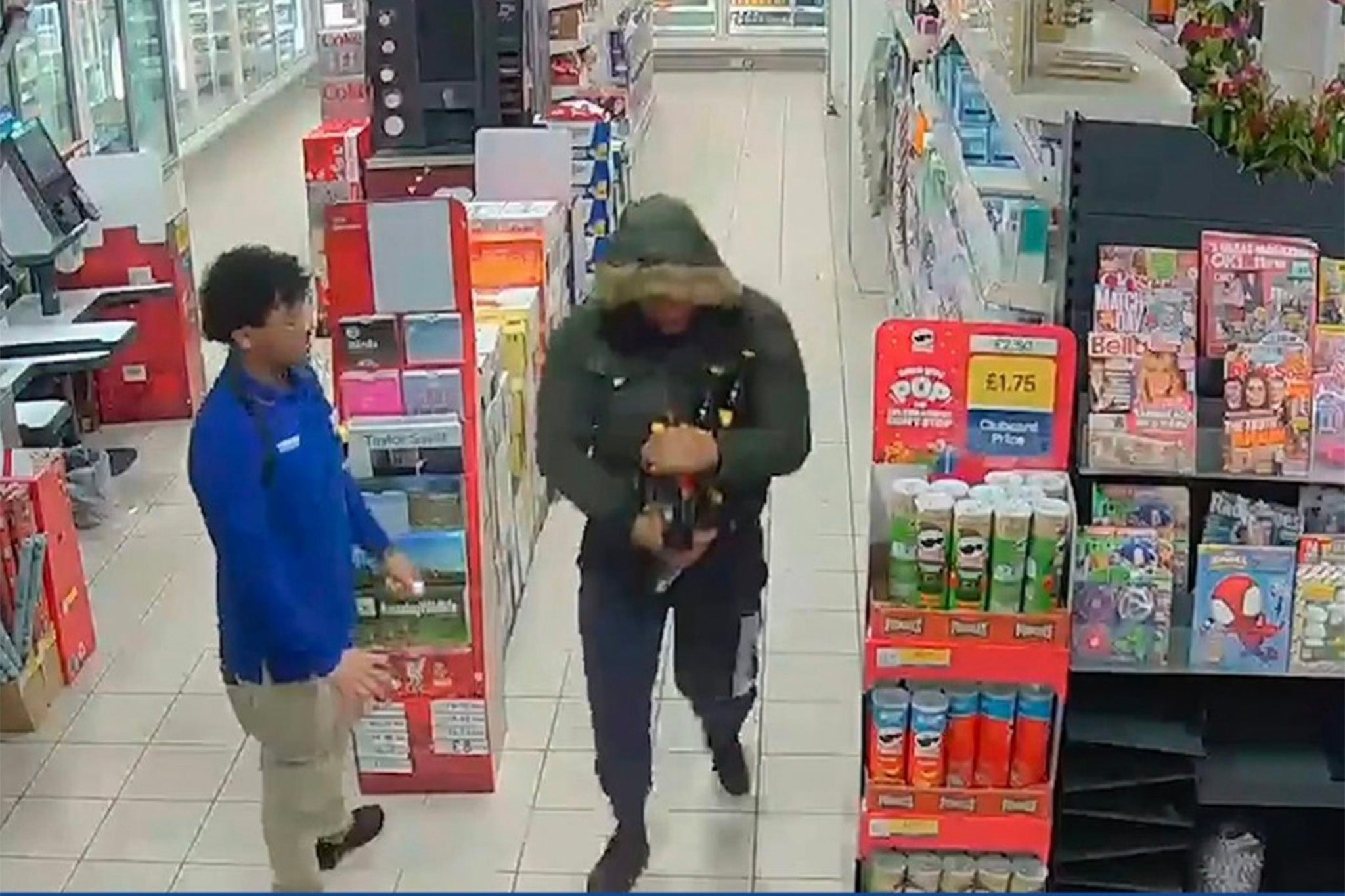
And it was affecting us not just financially, but in how it made us feel generally. A hard-to-pinpoint sense that something isn’t okay. A sort of knowing that lawlessness is happening all around us, leaving us with an unspoken feeling that something is breaking down. Normal rules and laws weren’t applying any more. And as more and more lads, kids, whoever, realise that… then what? As if to cement that unease, barely two hours later, another colleague WhatsApped me with news that, on his way home, he’d stood by and watched someone walk into an M&S garage shop and help himself to six to eight bottles of wine. “And no one did anything.”
While the Met Police report that arrests for anti-social behaviour are up by a third in London compared to the previous year, they also recognise there is a problem with prolific offenders, who come into stores and shoplift in bulk, clearing the shelves of high-value items.
I became acutely aware of a security guard (a different one from the day before) clocking me
In the US, stores like Walmart and Target are using AI-powered cameras at self-checkouts to flag suspicious behaviour (eg, an item not scanned). Smart tags and RFID chips track items taken from shelves. In South Korea, facial recognition can flag persistent offenders and link directly to payment systems. “Smart trolleys” automatically scan items as customers place them inside, reducing scope for “skip scanning”.
But the men I saw never intended to make it to the till – nor did the woman my friend saw stuffing frozen lamb into her rucksack. Meat products (steak, bacon, lamb) and baby formula are some of the most stolen items, a trend clearly tied to the cost of living crisis. In response, countries like Portugal and Finland are trialling social support schemes (eg food vouchers, charity partnerships) when theft spikes are linked to hardship. In the Netherlands, youth diversion programmes enrol first-time shoplifters in work or training instead of criminalising them, making a real effort to bring them into society, not push them apart.
Was this why the daylight robbers (I refuse to call them shoplifters) cleared the shelves in Boots in Moorgate that day? My hunch is that they were targeting the high-value face creams to sell at a market stall for a quick buck and the audacious way they went about it felt more about their confidence in getting away with it. Why not, when hapless security guards “can’t do anything”, and under-resourced police may not even turn up, and prosecutions often lead to nothing because the courts and jails are full.
It all contributes to a feeling that law and order is crumbling around us – exposing just how flimsy the social fabric keeping everything in check really is. And it feels very disconcerting.
Returning to the scene of the crime the following day, I could see the shelves were still sparse. Looking at the price of the items they took – around £30 to £40 each – I tried to cost up the value of their swag, and reflected on how sad and neglected this Boots looked. Suddenly, I became acutely aware of a security guard (a different one from the day before) clocking me. I wandered to the next aisle, distracted by mascaras and lip glosses, scrabbling to match them to the samples (they’re never in the right place). As I did this, the security guard closed in, almost on top of me, giving me an absolute death stare.
And it dawned on me: he now had me down as a shoplifter. Whereas the day before, a guard, and at least three members of staff, had calmly stood by as two thugs emptied hundreds of pounds worth of stock into bags and sauntered out, apparently, now I was not a potential paying customer, I was a potential thief. He was showing me who was boss. Feeling the heat of his stare, I felt so uncomfortable that I left the products. Again.
How have we got to the point where on the high street today only daylight robbers and shoplifters feel welcome? Answers on a postcard, please.
Join our commenting forum
Join thought-provoking conversations, follow other Independent readers and see their replies
Comments
Bookmark popover
Removed from bookmarks