UK inflation latest: Price growth drops to 10-month low prompting hopes of interest rate cut
Economists expect rates to reach the government target of 2 per cent by around April
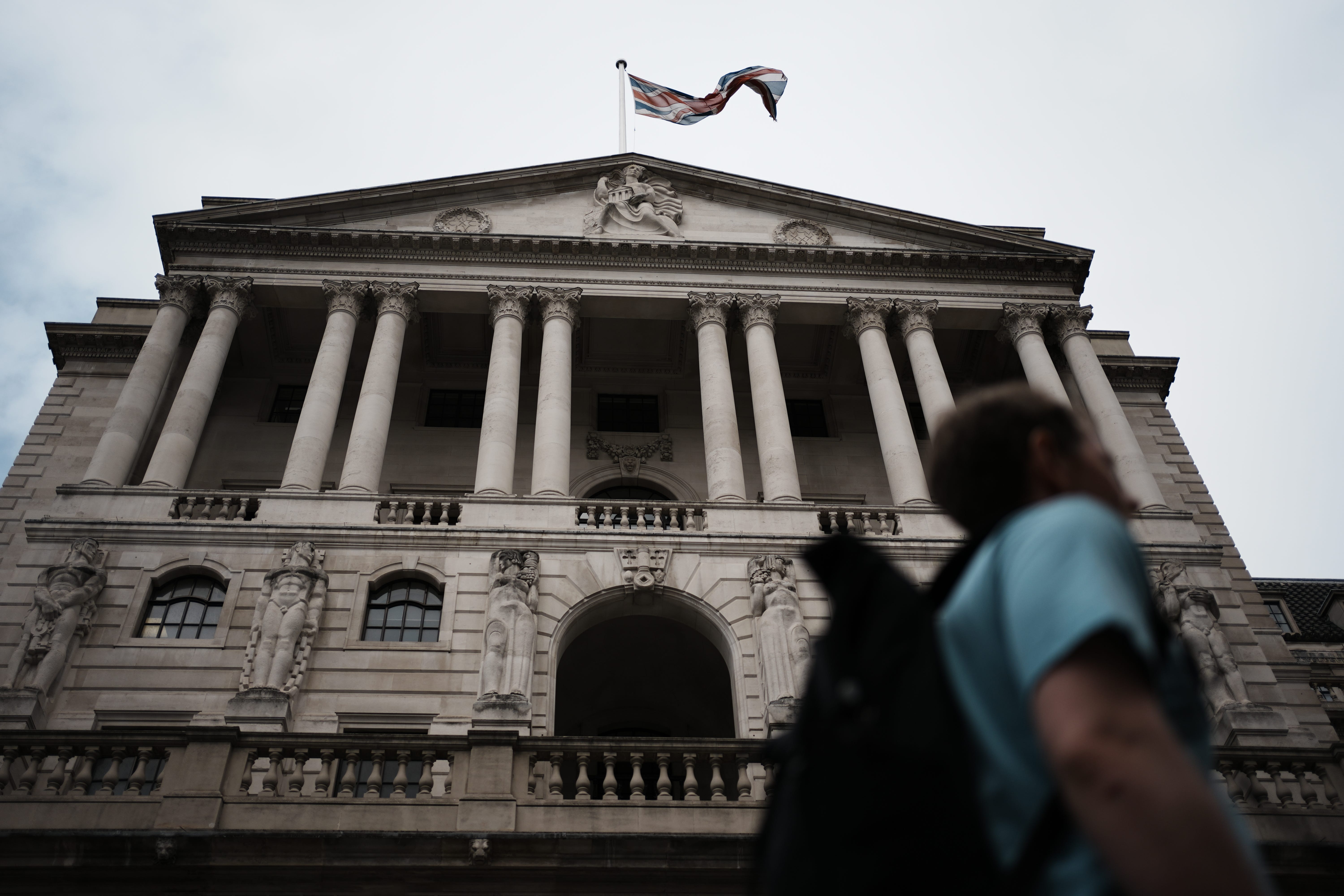
UK inflation has fallen to 3 per cent, its lowest since last March, prompting hopes that an interest rate cut will follow.
The fall in the Consumer Price Index (CPI) data, published by the Office of National Statistics, follows a surprise rise in December to 3.4 per cent.
It shows a return to the gradual downward trend seen at the end of last year, with analysts estimating it remains on course to hit the government’s 2 per cent target by April.
After this week’s rising unemployment and slowing wage growth data, and a continually weak economy, it is hoped the fal could spur the Bank of England (BoE) to cut interest rates next month when the Monetary Policy Committee convenes to vote on 19 March.
Inflation hit a high of more than 11 per cent in October 2022, and while it has returned to more manageable levels in the past year, the pace has been slower than businesses and households would have liked, resulting in interest rates staying higher for longer.
Falling household bills and the reduction of the energy price cap in April are expected to contribute to bringing CPI inflation back to 2 per cent by spring. Food inflation is also expected to moderate, having been a big contributor to high inflation last year.
'Doesn’t rule out a third cut later in the year'
Thomas Pugh, chief economist at tax and consultancy firm RSM UK said: "Today’s drop was just the start of a steep slide that should take inflation to 2 per cent in April, which will set the stage for another interest rate cut in the summer.
“Downward pressure on inflation was broad based, which will give policy makers more confidence that the disinflation trend is still intact.
“Food and non-alcoholic drink inflation as well as energy inflation, which are both key drivers of inflation expectations, slowed sharply, fuel inflation turned negative and December’s big increases in airfares unwound.
“However, given almost all the survey measures of prices suggest disinflation has slowed, the MPC will still have to be cautious this year, even as headline inflation drops. Indeed, services inflation is proving to be much stickier than headline inflation.
“It only marginally slowed to 4.4 per cent from 4.5 per cent in December and core inflation ticked down to 3.1 per cent from 3.2 per cent both above the MPC’s latest forecasts.
“That doesn’t rule out a third cut later in the year, especially if the labour market remains weak, but it means a third rate cut is a downside risk rather than the base case at the moment."
'Softer inflation raises the prospect of further mortgage rate cuts'
Regarding the impact on mortgages, Alice Haine, personal finance analyst at BestInvest said: “Softer inflation raises the prospect of further mortgage rate cuts for homeowners and prospective buyers hoping for fresh respite from high borrowing costs.
“Lenders have upped mortgage rates in recent weeks amid shifting expectations on the interest rate path, so the possibility of renewed declines is likely to buoy the housing market.
“If we do see a rate cut next month, the impact on borrowers will depend on the timing of their current deal.
“Those on fixed-rate mortgages with several months or years left to run will see no change in their monthly repayments. Borrowers on tracker products, however, may see an almost immediate reduction.
“Homeowners emerging from short-term fixes secured at the peak of the mortgage rate cycle may find they can lock in a more favourable deal.
“Conversely, those nearing the end of ultra-low five-year fixes secured before the rate-hiking cycle began in late 2021 still face higher repayments, with monthly costs likely to rise unless they have made significant overpayments – though easing mortgage rates will at least soften the blow."
'Prices are clearly moving in the right direction'
Scott Gardner, investment strategist at J.P. Morgan Personal Investing said: “Inflation fell sharply in January, providing some relief to UK consumers at the start of the year.
“Prices are clearly moving in the right direction, with closely watched core and services inflation continuing their downward trend from previous months.
“Behind the headline figure, motorists were helped as petrol pump prices continued to decline in January to their lowest level since summer 2021.
“Food inflation also fell after the Christmas period but is still a key area to watch in 2026 as it accounts for a large part of the UK’s everyday spending.
“Industry barometers suggest that weekly supermarket shops are still elevated with fresh produce prices rising over the month.
Inflation remains a 'real worry for household budgets'
Dr Liliana Danila, lead economist at the Food and Drink Federation said: "It's positive to see a lower rate of food inflation in January, however it still remains a real worry for household budgets and above long-term averages.
“After many years of rising costs, businesses across the supply chain have had their margins eroded, leaving manufacturers particularly susceptible to the supply chain shocks caused by geopolitics or climate change.
“We’ve previously seen the impact that this can have on inflation, with prices of ingredients like cocoa and coffee skyrocketing, so the UK’s recent extreme wet weather flooding farms is a concern for the year ahead.
“To help stabilise food inflation in the long term and protect shoppers from future price spikes, government must incentivise investment in business resilience.”
'Should ease the pressure on the weekly shop'
Reacting to the budget, Holly Mackay, founder of Boring Money said: “Consumers can take comfort from lower inflation numbers which should ease the pressure on the weekly shop and also signal a strong likelihood of lower interest rates next month.
“The direction of travel is down which means mortgages are likely to come down as we head into summer and those with cash savings accounts should really shop around now and consider locking in a fixed rate if possible.
“The best fixes today are paying over 4% which looks pretty good to me given what is likely to happen to rates over the coming months.
“There is a sting in the tail. Slower inflation also comes with less growth and a difficult jobs market.
“As employers seek to keep costs low we should all make sure we build a cash buffer – ideally at least 3 months’ income – to cushion us in the event of redundancy.
“Homeowners coming off fixed rate mortgages should shop around. Passively accepting your lender’s standard variable rate which is offered at the end of a fixed term is almost always a bad idea so contacting an independent mortgage broker is a sensible move.”
Motor fuels a big driver in fall of inflation
Data showed that motor fuels particularly contributed to the fall of inflation, with the average price of petrol falling by 3.1p per litre between December 2025 and January 2026.
The average price of petrol stood at 133.2p per litre in January, down from 137.1p per litre in the same month a year earlier.
Meanwhile, diesel prices also dropped, falling by 3.2p per litre compared with the previous month.
Inflation slows to ten month low
UK inflation has eased to its lowest since March last year on the back of falling petrol prices and slower food price increases, according to official figures.
The rate of Consumer Prices Index (CPI) inflation decreased to 3 per cent in January from 3.4 per cent in December, the Office for National Statistics (ONS) said.
'Welcome news for working people', TUC says

Trades Union Congress general secretary Paul Nowak said: “Inflation easing is welcome news for working people.
“And it’s right that the government has reduced the pressure - cutting energy bills, freezing rail fares and prescription charges, and raising the minimum wage.
“But after years of falling living standards millions of families are still struggling to make ends meet.
“With households squeezed there’s less money being spent on the high street - holding back businesses and choking off growth.
“The Bank of England must now act.
“Quick fire interest rate cuts would put money back into people’s pockets, give businesses the confidence to invest and help Britain finally move on from a cost-of-living crisis that has dragged on for far too long.”
Airfares also a downward impact for inflation
ONS chief economist Grant Fitzner said: “Airfares were another downward driver this month with prices dropping back following the increase in December.
“Lower food prices also helped push the rate down, particularly for bread and cereals and meat.
“These were partially offset by the cost of hotel stays and takeaways.”
Join our commenting forum
Join thought-provoking conversations, follow other Independent readers and see their replies
Comments
Bookmark popover
Removed from bookmarks