I’m a doctor but I wasn’t prepared for my trauma giving birth – and neither was the NHS
Clara Doran is a GP who’s delivered babies and counselled new mums, but when she found herself terrified and crying on a maternity hospital ward at 5am, she realised that even with all her medical training, she wasn’t prepared for the birth of her child – and, more alarmingly, neither was the NHS


You always remember hearing your first birth story. While I’d been privy as a GP to snippets of tales from the labour ward, it was the story from one of my oldest school friends that imprinted itself on my brain. “I was alone for hours… Andrew had to go to get the midwife, but by the time she came back, it was too late for pain relief.”
Four years later, it was my turn. By now, more friends had become mums. Thanks to their feverishly regaled horror stories, I could now add delivering at 30 weeks, obstetric cholestasis and severe postpartum haemorrhage to my ever-expanding list of worries about giving birth. But I’d be OK, I was a doctor after all. And yet, and yet... there I was now, days past my due date, decorating our nursery with stickers, saying the words to my husband I’d been holding onto for most of my pregnancy: “What if I die giving birth?”
Was this irrational fear, or was I justified in being scared?
I have worked in healthcare for all my working life, and despite working alongside so many people determined to care and do good work, there was one statistic that I could not ignore. Maternal mortality in the UK has increased by 27 per cent between 2009 and 2022. Even considering the impact of Covid, this figure has increased by 10 per cent. Asian and Black women are two and three times more likely to die than white women, respectively.
When my waters broke at the stroke of midnight, two things immediately struck me. Firstly, that is a lot of fluid. Secondly, from my junior doctor experience, I knew the early hours of Sunday morning were the absolute worst time to become a patient, thanks to shift patterns and weekend resource issues.
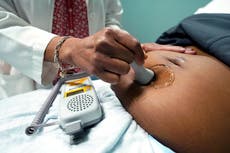


My birth plan was basic – all my doctoring years had taught me already that anything can happen when it comes to our bodies, so I only had three things I was sure of: yes to drugs as and when needed; communication at all times; and no to being left alone.
How long I could wait it out and cope with the pain felt like my first test of upcoming motherhood. I’d listened to hypnobirthing CDs, so I felt confident that I could get my breathing under control to steer me through. However, I hadn’t been in labour when I had listened to these, nor was it the middle of the night when I’d usually be asleep.
After 5 hours of pain and no sleep (I couldn’t even distract myself with The Real Housewives), I was really beginning to worry, as was my husband. I’d done everything “right” so far; I was healthy and a medical professional, but after the earliest contractions, I had no idea how I was going to handle what was to come.
As we made our way to the hospital, we received a phone call to tell us that the labour ward was closed to admissions. We had to make a diversion and go to our next nearest unit, which was 20 miles away. Thankfully, this one did have capacity, because the one beyond that was another 50 miles from home. I was told by the midwives later that this would become the receiving unit for women going into labour in the days following my admission. It was the first of many changes of direction that the next 48 hours would bring.
Once we arrived, I began to mentally relax. The midwives were helpful, caring and, most importantly, present. Even having to have an epidural resited three times didn’t faze me as it did my husband. When you’ve worked in the NHS, you understand and accept that things like this are par for the course.
But apparently, 34 hours of work wasn’t enough for the obstetrician who was going to help me finally give birth. “We are going to have to take you to theatre – I’ve never pulled a baby out of mum before, you need to try harder, Clara,” she said. I can still hear the sharp tone that confirmed my own fear that I wasn’t trying hard enough.
I’d heard many times from patients that consultants had spoken down to them or dismissed their concerns before they had even finished their sentence. Professionally, I’d always supported my patients, but I also tried to see things from both sides. Now I was the patient and the consultant’s words triggered a wave of self-doubt that would take me months to recover from.
As healthcare professionals, the words we use and how we communicate with patients matters. Whether it’s due to medical gaslighting or burnt-out healthcare professionals, the issues are complex and require self-awareness by both individuals and institutions.
In the end, my son was delivered by emergency caesarean section just 30 short minutes later. In the days that followed, there were more challenges of communication between maternity staff and myself. I couldn’t breastfeed and my son was readmitted for “failing to thrive”. Everyone just told me to keep trying, so when nothing was happening, I felt it was a problem with me, my body.
I had two infected wounds that needed pain relief and antibiotics, all of which would impact recovery. I had pictured my first few weeks as a mum as all cake and congratulations. Instead, I was in constant pain and feeling anxious that I couldn’t keep up with my antenatal classmates who were already jogging with their prams. I’d heard new mums talk about problems feeding and feeling drained, and I’d always reassured them that it was normal and would pass in time. But no matter how many times I told myself I was fine, I just didn’t feel like it. While my baby was now growing well and beginning to smile, I feared my sense of inadequacy might never pass.
Other countries do things better – Sweden, Finland and Denmark are just some that have reduced maternal mortality, improved postnatal mental health, and produce a higher satisfaction score for new mums. One consistency in their approach is education and empowerment of women, supporting their physical and mental health in the run-up to the birth and beyond.
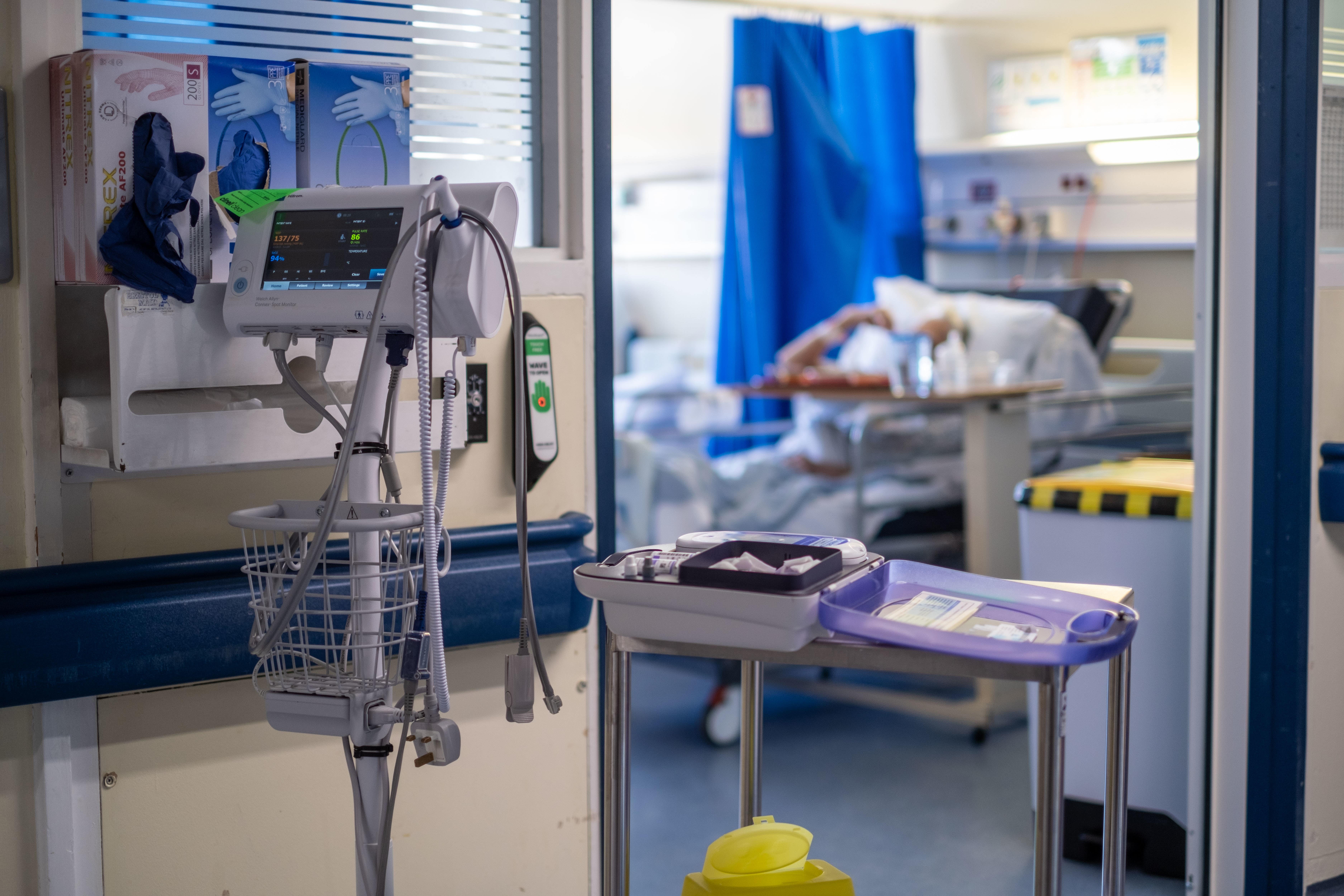
In the UK, maternity services are in crisis. The 2023 Care Quality Commission report highlighted that 65 per cent of units are inadequate or need improvement on safety – up from 54 per cent the previous year. One in three women reported being denied adequate pain relief or support during and after giving birth. Maternity staff are often unable to complete essential emergency training due to rota pressures – little wonder, then, that Wes Streeting called the UK maternity services a national shame. This week, watchdog Health Services Safety Investigations Body (HSSIB) published its exploratory review of maternity and neonatal services, which recommends a national approach to tackle systemic issues.
While my experience was far from perfect, many experiences are far worse. A joint report by baby charities Tommy’s and Sands earlier this year revealed that delays in improving NHS maternity care in England have resulted in the preventable deaths of at least 2,500 babies since 2018. These deaths could have been avoided had the government met its 2015 goal of halving stillbirths, neonatal, and maternal mortality by 2025.
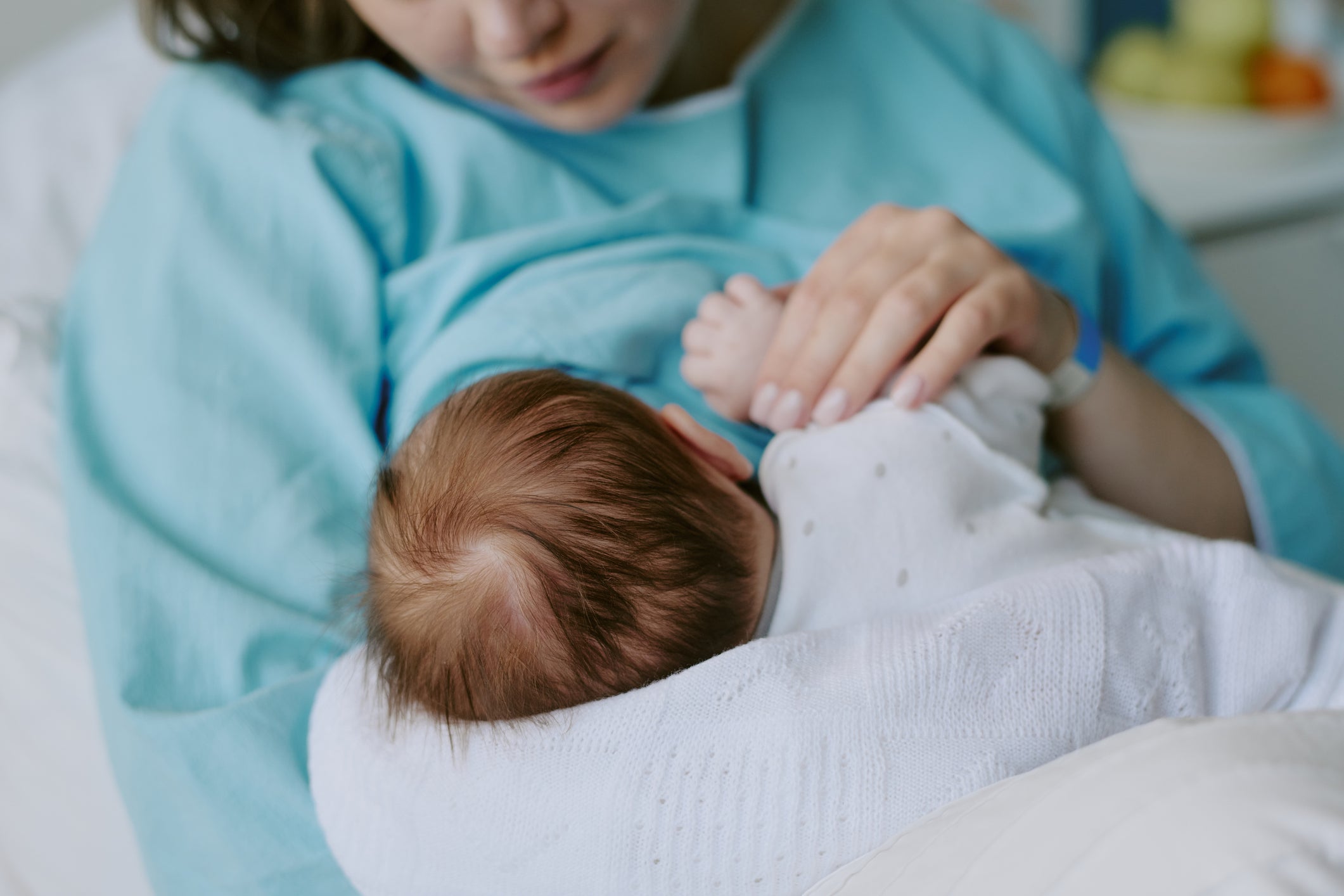
So much of what we understand about childbirth is through the stories we hear, from our family and friends and, thanks to social media, from complete strangers. Our brains are built to keep us safe and avoid danger, so they hold onto these dramatic stories and can increase our fear and anxiety around the experience of giving birth.
I was lucky to have a health visitor who helped me see that what had happened had been complicated. She validated my experiences and reassured me about using formula. I know this sounds ridiculous, as I knew the research and had explained this to many of my patients over the years, but giving birth changes you and your mindset.
Those first six weeks can be a vulnerable and scary time for new mums, at a time when we think we will feel constantly happy and excited. Support for our fluctuating emotions is essential to both identify and support new mums’ mental health – research suggests it can even reduce the onset of postpartum depression.
We need to listen to ourselves and our own experiences. If we are lucky, we will have people around us to help, but not everyone has the capacity to help in the way you need, so your voice matters. Speak up to your GP and community midwife about your specific concerns. If you don’t feel heard, try again – write a letter to your healthcare professional (as there is never enough time in appointments) or ask to see someone else next time. As a medical professional, I hope that finally, the women in the UK can feel heard and safe when it comes to giving birth.
Clara Doran is a GP; her memoir ‘Doctor, Interrupted’ is out now
Join our commenting forum
Join thought-provoking conversations, follow other Independent readers and see their replies
Comments
Bookmark popover
Removed from bookmarks