The Independent's journalism is supported by our readers. When you purchase through links on our site, we may earn commission.
This Jurassic Park science is now a reality
Researchers say they can use the talents of pesky blood-sucking mosquitoes to their benefit
In the 1993 blockbuster film Jurassic Park, scientists brought dinosaurs back into existence by extracting their DNA from blood sucked by mosquitoes that had been frozen in amber.
“A hundred million years ago, there were mosquitoes, just like today,” said a narrating John Hammond, the park’s owner, who actor Richard Attenborough played. “And, just like today, they fed on the blood of animals - even dinosaurs.”
Now, researchers in Florida say they’ve done something similar.
Over the course of eight months, the University of Florida team identified the DNA of 86 different species of animals from blood sucked by tens of thousands of Florida mosquitoes.
“Using mosquitoes, we captured vertebrates that ranged from the smallest frogs to the largest animals like deer and cows,” Dr. Lawrence Reeves, an entomologist at the school, explained in a statement. “And animals with very diverse life histories: arboreal, migratory, resident, amphibious, and those that are native, invasive or endangered.”
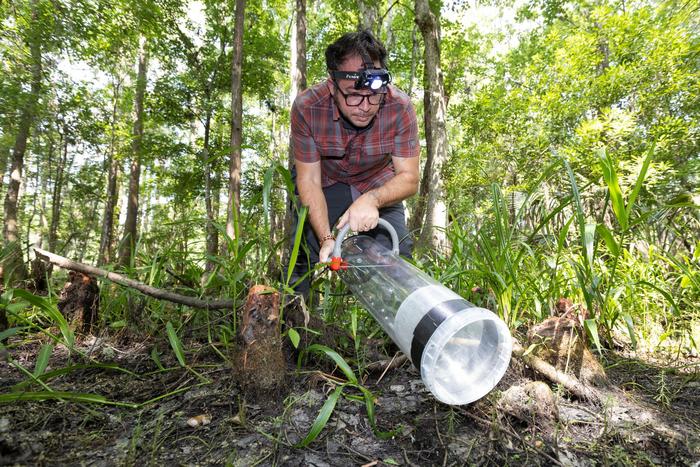
The idea was not to bring back extinct species, but to capture a snapshot of all of the animals living in and around the university’s watery DeLuca Preserve.
The preserve is a protected area located 80 miles south of Orlando that is managed by the university.
To do this, the scientists needed to catch mosquitoes that were well-fed. Fortunately, these mosquitoes are often at rest until they lay their eggs, and were handily caught by the researchers’ vacuum trap.
Female mosquitoes are the only biters because they use the protein from blood to reproduce. The blood they suck is stored in their abdomens and later used to grow their eggs, sometimes laying 200 at a time.
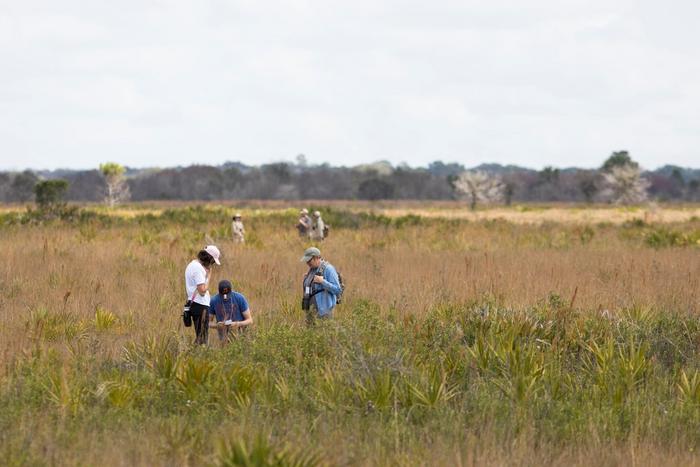
Over the course of eight months, Reeves and other researchers were able to collect more than 2,000 “blood meals” from 21 species of female mosquitoes.
An analysis of the blood found that the mosquitoes were feeding fairly indiscriminately.
Bald eagles, coyotes, rattlesnakes, otters, toads, tortoises, alligators - it didn’t matter. No species was safe.
The blood included nearly all of the biodiversity with spines in the area, the researchers said.
Only one of the large mammals eluded the mosquitoes’ suck.
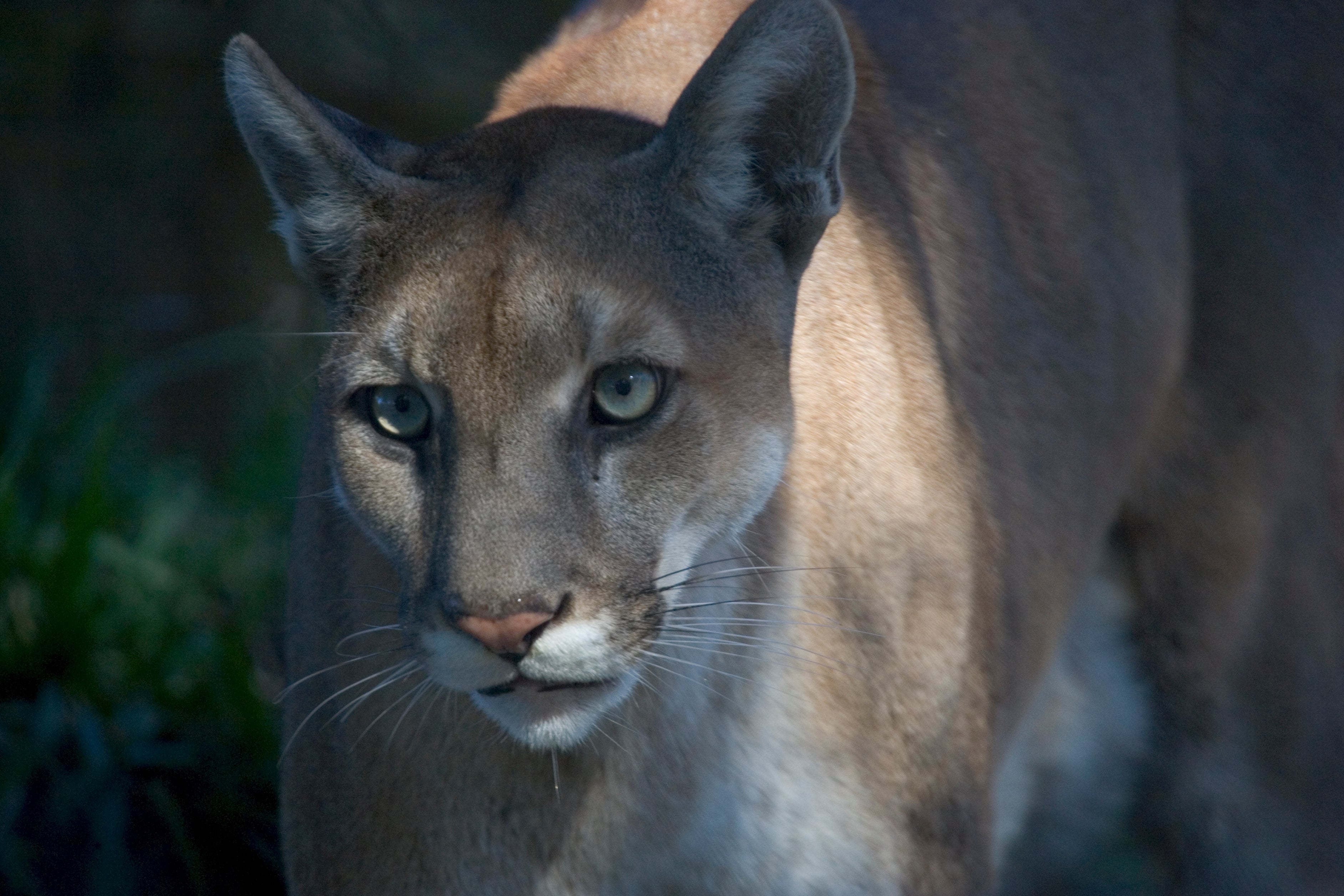
The endangered Florida panther - one of the state’s two big cats, alongside the bobcat - escaped detection using the mosquito blood.
But that might actually be a win on a technicality, the researchers noted.
There are only around 120 to 230 adult panthers left in the wild, south of southeastern Florida’s Lake Okeechobee, according to the Florida Fish and Wildlife Conservation Commission.
The panthers may be so rare that it’s hard to even find the mosquitoes that feed on them.
Join our commenting forum
Join thought-provoking conversations, follow other Independent readers and see their replies
Comments
Bookmark popover
Removed from bookmarks