Suffolk Strangler: How it took 26 years to finally solve Victoria Hall’s murder
Police are facing renewed calls to investigate unsolved disappearances after Suffolk serial killer Steve Wright admitted to kidnapping and murdering Victoria Hall, 17, seven years before his other murders
Staggering to his feet in the dock of the Old Bailey this week, serial killer Steve Wright uttered a word he has refused to use for 20 years: “Guilty.”
The seismic moment marked the first time one of Britain’s most notorious murderers, now a balding pensioner who will die in prison, had ever admitted to one of his crimes.
But his confession to the murder of Victoria Hall in 1999, seven years before the horrific killing spree which earned him the moniker, the Suffolk Strangler, has also sparked major questions.
Was Ms Hall, who he kidnapped and murdered aged 17 as she walked home from a night out in Felixstowe, his first murder victim? And did he simply lie dormant for the seven intervening years until the six-week rampage in 2006, which led to his capture for killing five women whom he snatched from Ipswich’s red-light district? On Friday, he was jailed for 40 years for her killing.
In the wake of the guilty plea, police are facing renewed calls to investigate Wright over a string of other unsolved murders and disappearances.
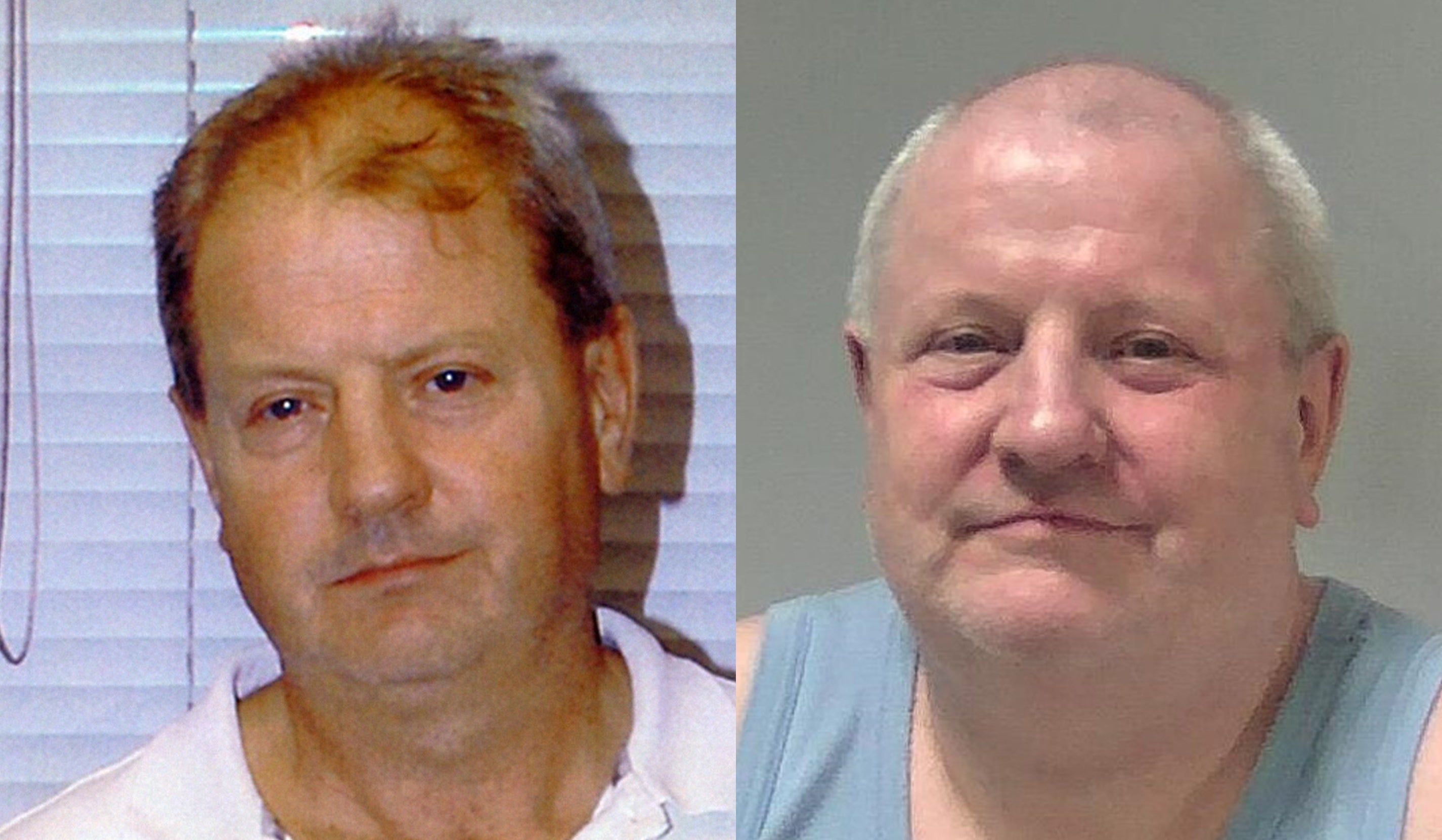
Wright’s ex-wife, Diane Cole, 71, said: “I think this is just the beginning. I suspect he has killed quite a few other women.”
She urged police to question him over the 1986 disappearance of 25-year-old estate agent, Suzy Lamplugh, who he used to know when they worked together on board the QE2 ocean liner.
Ms Lamplugh vanished without a trace after leaving her London office to meet a client known as ‘Mr Kipper’.
Murderer John Cannan, who died aged 70 last year in HMP Full Sutton, East Yorkshire, was the prime suspect in her disappearance, but the Crown Prosecution Service said there was insufficient evidence to charge him.
Ms Cole told the Mirror: “He [Wright] needs to tell the families and give them closure if he's responsible. Maybe he realises he's not getting out and might start confessing more.
“He should tell the truth for the sake of Suzy's family. And for anybody else he's done in. It's cruel. I definitely do think the police really need to look at him again. I know how bad he could be.”

Wright's brother, Keith, 57, also urged police to investigate his brother over other crimes.
“It’s time he did the right thing and told the police everything,” he toldThe Sun. “There's still so much we don't know, so many unanswered questions. How many more victims are there?”
Criminologist Professor David Wilson first linked Ms Hall’s murder to Wright in his 2008 book, Hunting Evil, years before police investigated him for the crime.
“From the get-go, I felt what was happening in Ipswich was very criminally sophisticated,” Prof Wilson, who followed the case since 2006, toldThe Trial podcast.
“Wright put the bodies of these young women in water to dispose of any forensic evidence. I felt that whoever had done it was probably known to police because everything suggested the perpetrator had done this before.”
He believes investigators should also look into the unsolved disappearances of Amanda Duncan, who vanished in Ipswich in 1993, and Kellie Pratt, who was last seen in Norwich in 2000.

Ms Hall had been studying for A-levels in English, sociology and business studies when she was targeted by Wright, a former forklift truck driver and merchant seaman.
The sixth former, from Trimley St Mary, had left home on the evening of 18 September 1999 for a night out with her best friend at the Bandbox nightclub in neighbouring Felixstowe. They left the venue at around 1am the following morning and walked back, saying goodnight at 2.20am, just 300 metres from Ms Hall's home.
However, the teenager, who was hoping to study sociology at university, never made it inside. Her parents raised the alarm when they discovered she was not in her bedroom the following morning.
Ms Hall’s naked body was found by a dog walker five days later in a ditch in Creeting St Peter, around 25 miles from where she was last seen.
A post-mortem revealed that she had been asphyxiated, a pattern Wright would repeat in later murders.
At the time of her disappearance, Wright was living less than a mile away. He had tried to kidnap Emily Doherty, 22, a day earlier as she was walking home from Felixstowe, but she escaped and sought shelter in a nearby home.
Wright matched the description of Ms Doherty’s attacker, which included a partial number plate, yet Suffolk Police officers failed to identify him as a suspect for her ordeal or Ms Hall’s disappearance.
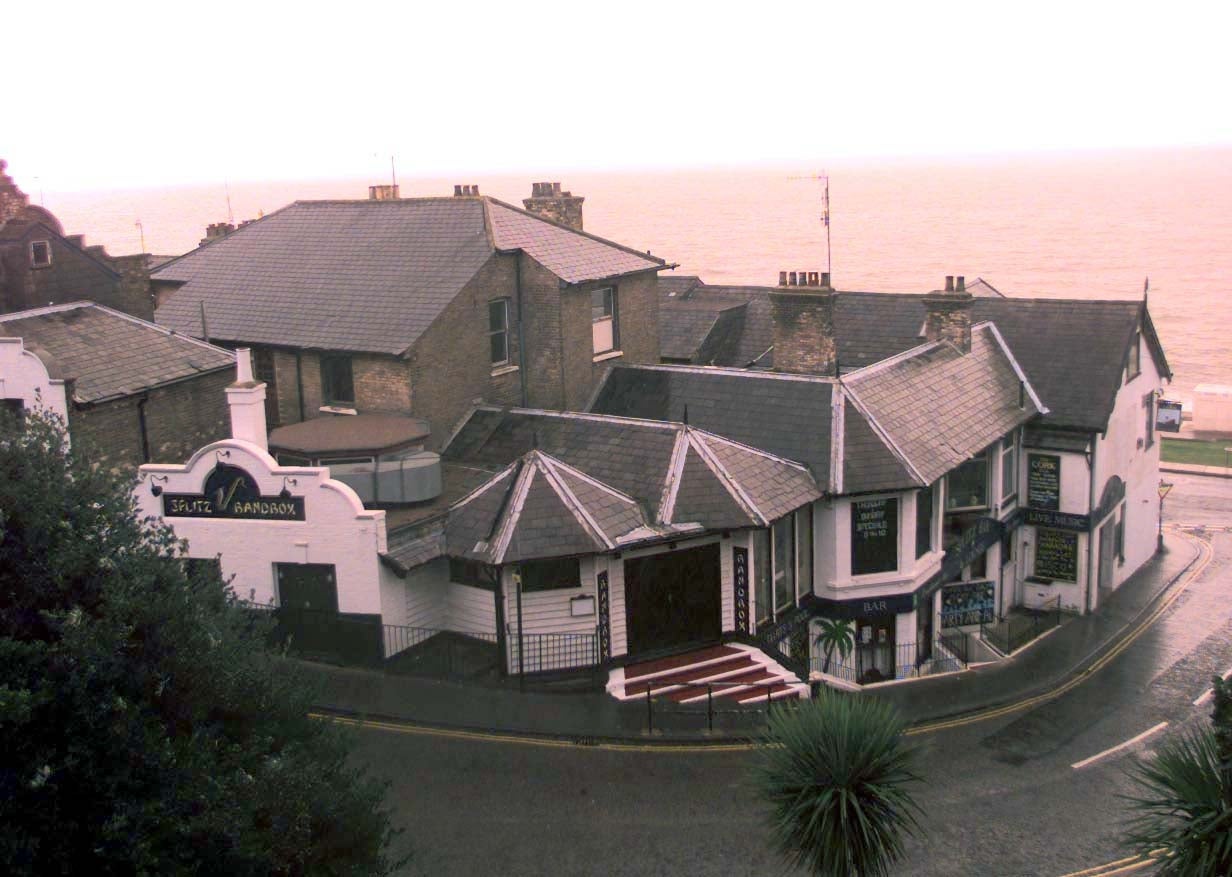
Instead, they charged innocent businessman Adrian Bradshaw with murder. Prosecutors argued that soil samples on the pedal of his Porsche 944 were similar to samples from the murder scene, but jurors acquitted him in just 90 minutes after hearing those samples could have been found anywhere in East Anglia.
Mr Bradshaw, who had also been at the Bandbox nightclub on the night Ms Hall vanished, had always insisted he had simply been in the wrong place at the wrong time.
Following his acquittal in November 2001, Mr Bradshaw described being wrongly accused as “probably the most difficult moment of my life”, adding: “The police spent £2m on this inquiry and it took a jury of 12 normal people to acquit me in a little over an hour. I think that speaks for itself.”
Meanwhile, Wright was left free to kill again. His horrifying crimes terrorised Ipswich as he snatched five women over a matter of weeks in 2006.
Tania Nicol, 19, vanished on 30 October that year, followed by Gemma Adams, 25, around two weeks later, triggering a major police inquiry. Ms Adams's body was found in a stream on 2 December, followed by the discovery of Ms Nicol's remains, in a pond, on 8 December.
The remains of Anneli Alderton, 24, were found two days later in woodland, and sex workers in the town were urged to stay off the streets. On 12 December, the bodies of Paula Clennell, 24, and Annette Nicholls, 29, were also discovered near woods.
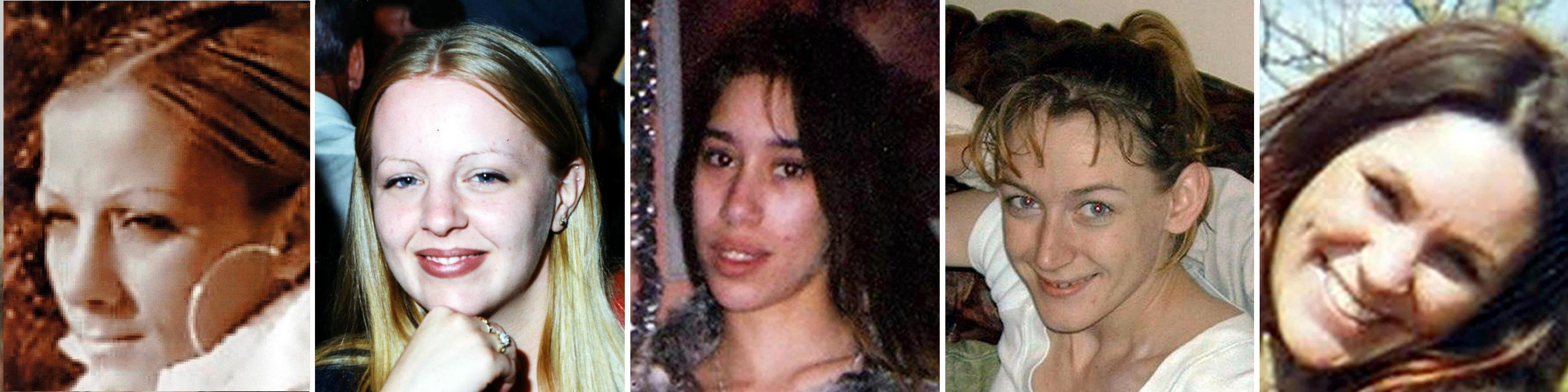
The bodies of two of those five victims, who were all sex workers in Ipswich's red-light area, had been posed in a cruciform shape with their arms outstretched. All of them had been choked or strangled, according to pathologists.
At Wright's trial at Ipswich Crown Court in 2008, prosecutors said he had “systematically selected and murdered” the women after stalking the streets around his home. He was seen cruising the red-light district around the time each of the women vanished. DNA and fibres linked to his clothes, house and car were found on the women.
Officers only connected the serial killer to Ms Hall’s murder after they reopened their investigation in 2019, on the 20th anniversary of her death.
Initially, Wright – now 67 and serving a whole life prison sentence in HMP Long Lartin in Worcestershire for the five other murders – denied killing the sixth woman.
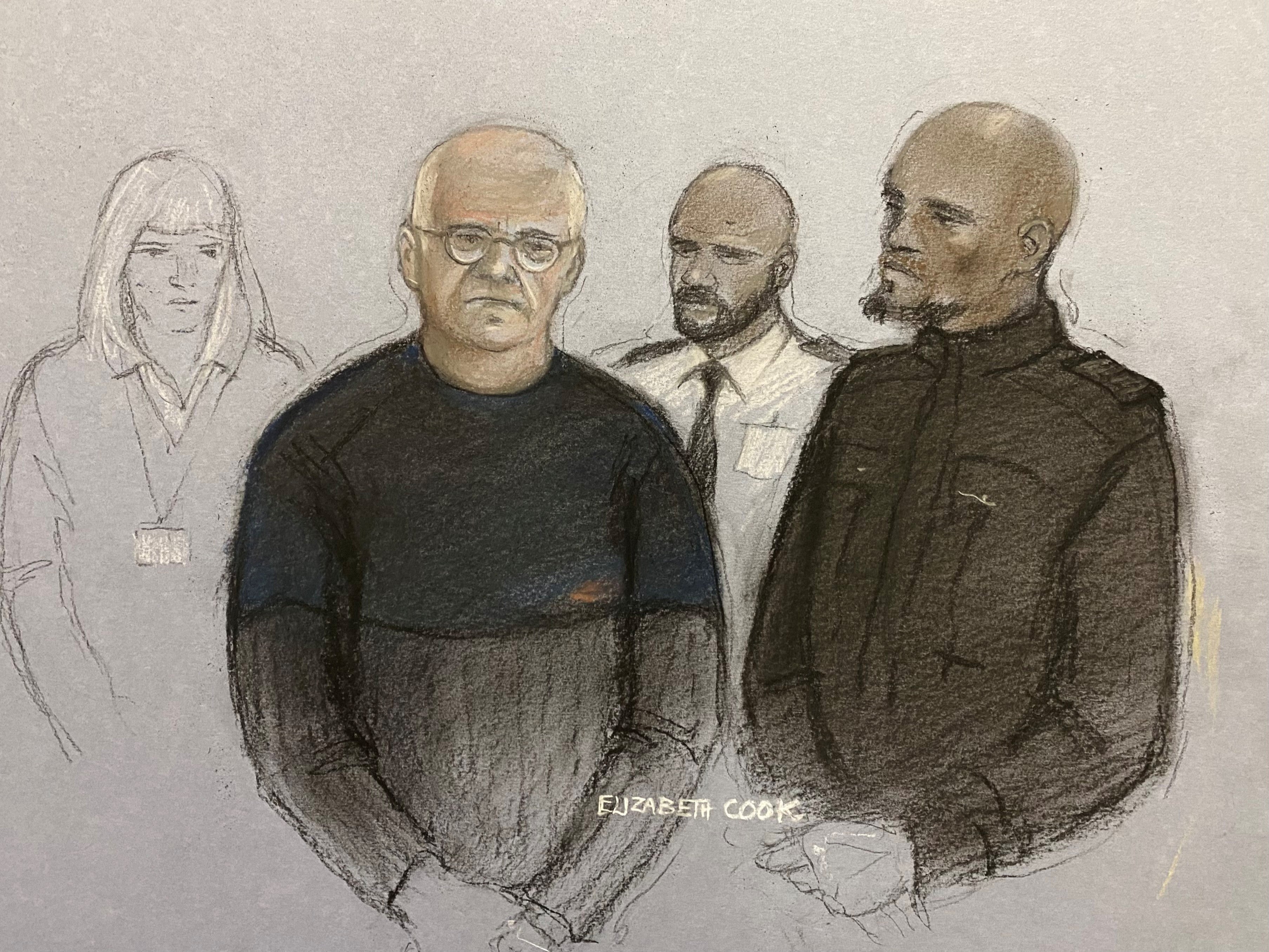
But he dramatically changed his plea on Monday, after Mr Justice Bennathan ruled at a previous hearing that jurors would be told about his other brutal murders. He also admitted attempting to kidnap Ms Doherty the night before.
Sadly, Ms Hall's mother, Lorinda, who died in December, did not live to see her daughter's killer brought to justice.
Speaking outside the Old Bailey after Wright was sentenced, Ms Hall’s heartbroken father Graham said he has endured “26 years of hell, which will continue from today onwards and forever”.
Bookmark popover
Removed from bookmarks