Dogs will soon outnumber children in the UK – but it isn’t the crisis people think it is
With new figures suggesting that there will soon be more dogs in the UK than children, UK, dog behaviourist Louise Glazebrook gives her take on why this could a unique opportunity for a reset

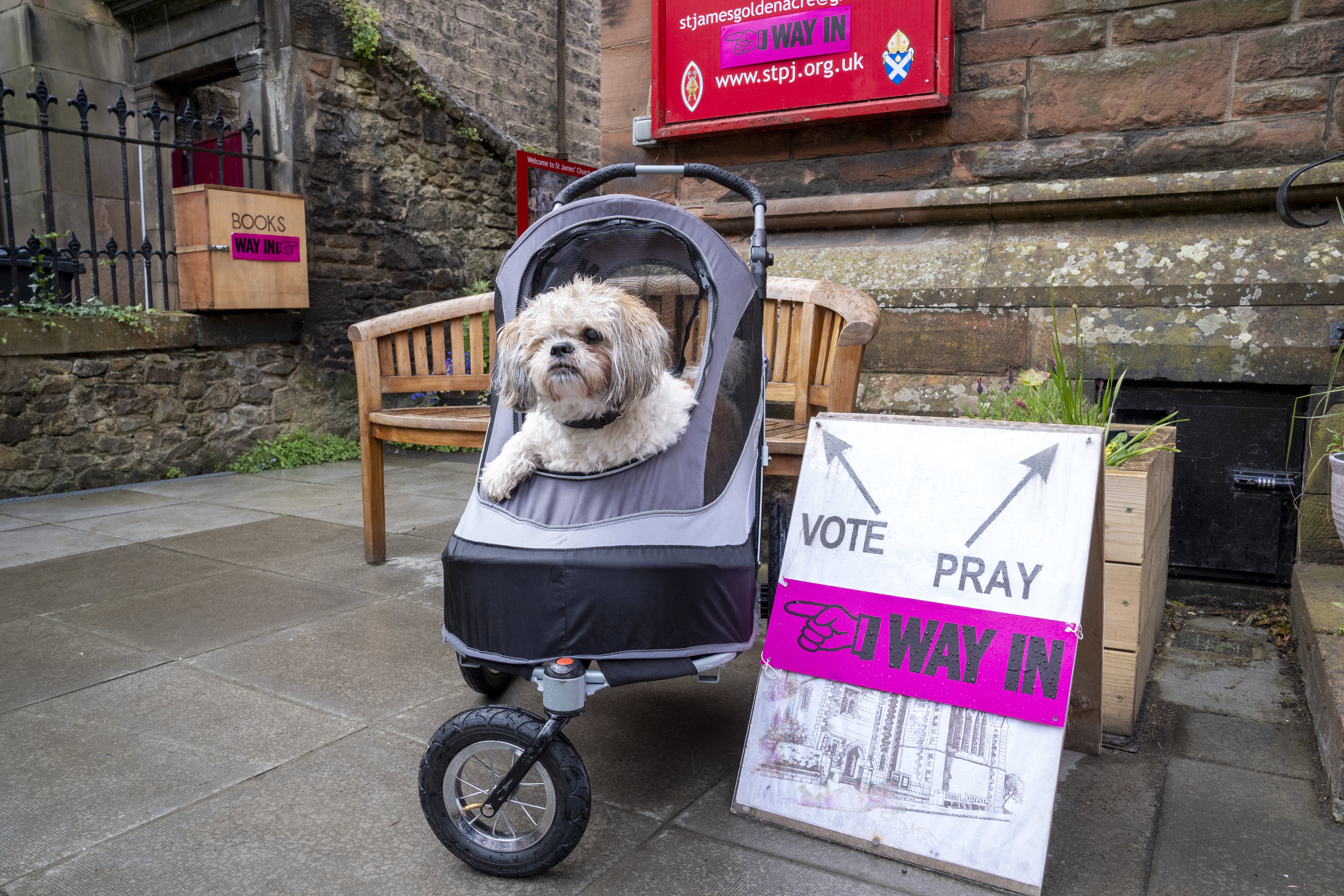
New research indicates that the UK now has 13 million dogs, a figure that could soon overtake the number of children in the country, which is pretty astonishing. It’s the kind of statistic that makes people mock, share screenshots, and immediately pick a side in the inevitable “what does this say about us?” debate.
But here’s what I see when I look at that number: not a crisis, not a symptom of societal decline, but one of the clearest signals we have about what motivates people in 2025 and where the real opportunities lie for businesses, policymakers, and anyone paying attention to how humans actually behave.
First, let’s be clear about what we’re looking at. Millions of households and individuals have made an active choice to take on a 10-year-plus commitment that costs money, demands time, restricts freedom, and requires daily attention. This isn’t people choosing an “easier life” as some would say. This is people choosing to take care. And that makes me happy.
The narrative around declining birth rates often frames it as selfishness or commitment-phobia. But you can’t look at 13 million dogs and claim people don’t want to care for something. They do. Desperately. They’re just choosing what to care for differently than previous generations did. Generations that had their parents nearby or their family on hand to offer childcare, which is no longer the case. With more women in the workforce and an increasing childcare deficit, of course, women like me need time to ponder and decide.
In my work with dog owners through The Wonder Club, I see this every day. These aren’t casual pet owners. These are people tracking sleep patterns, researching nutrition, investing in training, arranging their work schedules around walks, and genuinely agonising over whether their dog is happy. The level of devotion is extraordinary. And it makes me so happy, because when we take on a dog, it should involve all of these things. We chose to bring a dog into our lives, not the other way around.


The pandemic is a crucial part of this story. Pre-pandemic, dog ownership was at around nine million. By 2025, that had grown to 13 million.
People want something to nurture. The caregiving instinct doesn’t disappear just because fewer people are having children. Caring is caring, whether it is a dog, a grandparent or a child. They are seeking an unconditional relationship. In an era of social media exhaustion, algorithmic judgment, and online presence, dogs offer something increasingly rare: acceptance without conditions.
Dogs, who need morning walks, feeding schedules, and training routines, also provide the kind of meaningful structure and purpose that many people lack and yearn for. They show us that real life cannot be replaced, that looking at the small things in life has a big impact. This is especially the case when you work from home and have very little structure except to sit on endless Zoom meetings. Dogs also illustrate that connection that isn’t just transactional. Our dogs are there, just being by our side, at our feet, ready to go whenever we go. What could be more rewarding?
Understanding these motivations matters because they extend far beyond dog ownership. This is what drives purchasing decisions, career choices, and lifestyle preferences across the board. Yet you wouldn’t know it when you look at our society.
This isn’t dog ownership of yesteryear, where dogs roamed the villages and came home for dinner of their own accord. The 13 million dogs in this country are impacting their owners’ lives, where they work, where they live, what they buy, where they shop, and where they holiday, but none of this has caught on yet.

Stop at a service station and you are lucky to get a filthy water bowl for your dog to drink out of, in a gesture of being “dog-friendly”. Get on the train where you can take your dog; you are likely to be told to move because your dog is in the way. We have a long way to go.
There’s a tendency to frame the dogs-versus-children comparison as evidence of societal decay.
I’d argue the opposite.
Thirteen million dogs means 13 million daily acts of care. It means millions of people getting outside twice a day, regardless of the weather. It means communities forming around shared spaces. It means people taking on long-term commitments in an era supposedly defined by short attention spans and an existence only online.
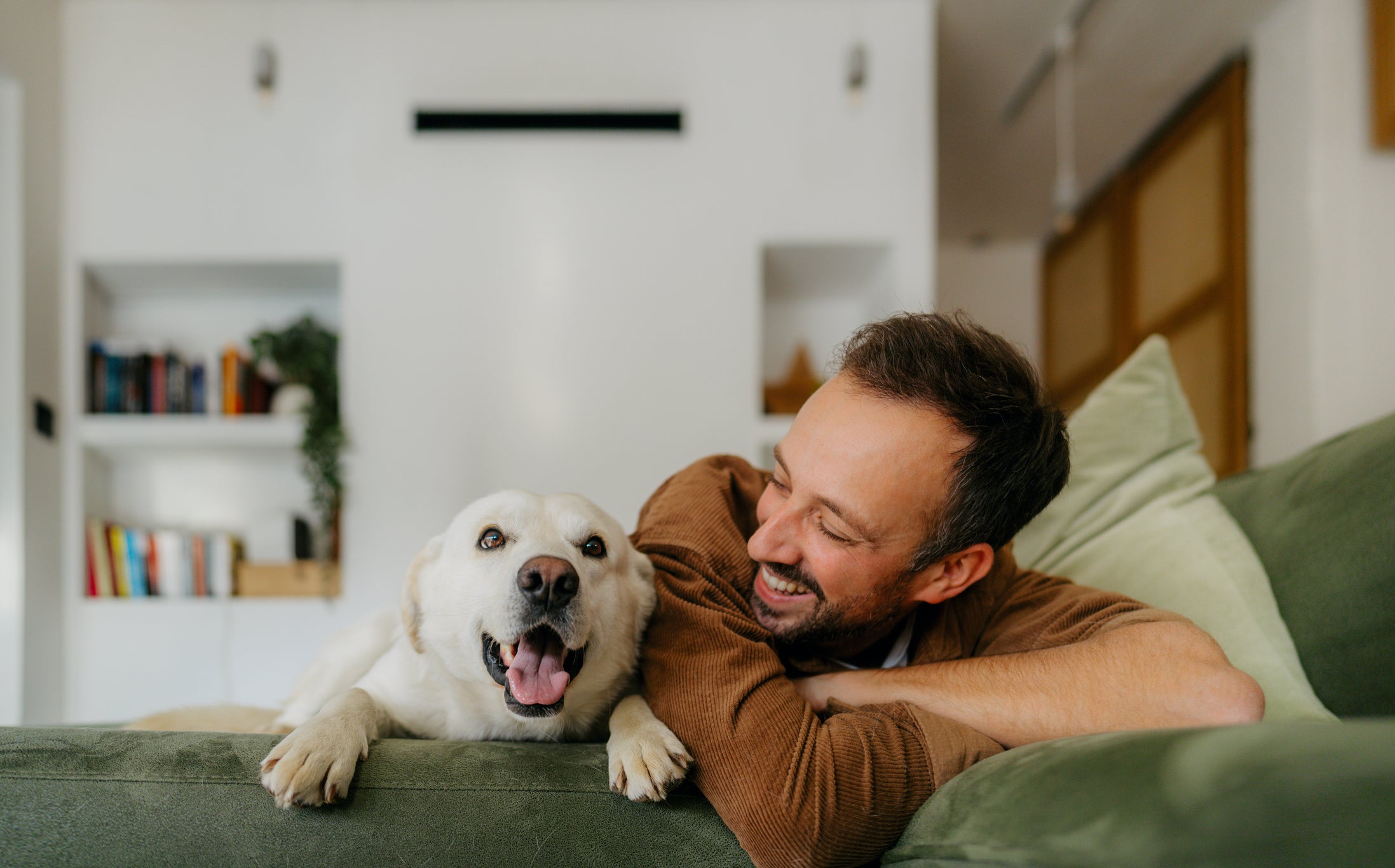
Yes, dogs are easier than children in many ways. But they’re not nothing, as some of the coverage might have you believe. And the choice to have a dog often isn’t instead of having a child – the two can coexist or a dog can be a preference. But there is no need for an undercurrent of judgement, as if those who do choose that are somehow inferior.
From where I sit, working daily with dog owners navigating complex behavioural challenges, I see people trying hard. Really hard. They’re reading, learning, investing, seeking help, questioning whether they’re doing enough. They’re taking responsibility seriously.
We’re also seeing people be more honest about what they can handle. Perhaps fewer children and more dogs isn’t about not caring – it’s about people making realistic assessments of their capacity, resources, and circumstances, then finding meaningful ways to channel their caregiving instincts. I watch dog owners strike up conversations with strangers in parks, check in on elderly walkers they met, who share the morning dog walk. They organise their social lives to ensure their dog isn’t left for hours on end. Dogs are forcing people into physical and emotional closeness with each other in increasingly rare ways. And this is encouraging, not depressing. Dogs are connecting us.
As a dog behaviourist who is working with hundreds of dog owners every month, I’m watching this shift, and what strikes me most is the gigantic gap between the desire by owners to do right by dogs and a minimal understanding of what dogs actually need – plus insufficient infrastructure to bridge that gap.
The 13 million figure isn’t just about dogs. It gives us a map of human behaviour, showing us what people value, where they want to invest their time and money, and how they're adapting to life in 2026. I believe many feel demoralised and scared for the future, and living with a dog feels like a way to reconnect with a confusing world and get back to basics. Anyone paying attention can join me in my quest to make the world a better place for dogs and their humans.
.jpeg)
Here’s three things you can do today to make your dog’s life so much better and beneficially impact society:
- Start a dog toy swap, we see it on the London streets with ‘book swap libraries’. Let's do the same for our dogs. Play is crucial to our dog’s happiness, so instead of sending stuff to the landfill that your dog won’t play with, swap it and give it away to those who will love it. Pop a basket outside your house, by the entrance to your park, and owners will soon join in.
- . Don’t take your dog to places they don’t like. “Just because they can doesn’t mean they should” is my motto for my clients. If we leave dogs at home that don’t want to be out and about, we are far less likely to have dogs who bite, growl, or lunge, because they are snoozing happily at home, enjoying the quiet.
- Do your homework so you understand why and what your dog is doing. When we understand, we can change the way we train, play and adapt our dog’s behaviour. Which means happier dogs on the streets, in the parks, and on the bus. This leads to happier employees, happier owners and a happier society. So misjudge these stats at your peril!
Louise Glazebrook is the author of The Book Your Dog Wishes You Would Read – a guide for understanding and raising happy, well-adjusted dogs and founder of The Wonder Club community for devoted dog owners. www.louiseglazebrook.com
Join our commenting forum
Join thought-provoking conversations, follow other Independent readers and see their replies
Comments
Bookmark popover
Removed from bookmarks