Finally, workplace bullies and abusers can no longer buy their victims’ silence
Too often, a boss’s reputation comes before protecting staff and bad behaviour at work is baked into HR policies, says Zelda Perkins. After finally winning her seven-year fight to get NDAs banned in the workplace, she explains why it is so important…


When it comes to the years-long, dogged battle to finally ban abusive non-disclosure agreements (NDAs) and end the harm they cause, it’s been quite a week. On Tuesday, crucial – and significant – new legislation banning them in cases of harassment and discrimination in the workplace was finally agreed. I’ve been waiting and working relentlessly for many, many years for a moment like this.
We’ve taken a huge step. This legislation broadly means that victims of harassment and discrimination can finally no longer be silenced by their employer or abuser, nor can those who speak out having witnessed wrongdoing.
For anyone who has watched their abuser walk free, who has lost their job, their mental health or their future because they dared to speak up, the change in legislation announced by deputy prime minister Angela Rayner was a monumental breakthrough.
The widespread, iniquitous use of non-disclosure agreements has for decades protected perpetrators of abuse, harassment and discrimination by buying the silence of victims, permanently gagging them and perpetuating the cycle of wrongdoing.
While they were once solely intended for use within trade secret and intellectual property protection, some lawyers now estimate NDAs are present in upwards of 90 per cent of civil settlements, including cases involving claims of sexual assault, race, disabilities, pregnancy and LGBTQ+ discrimination and other workplace misconduct.


The issues with these gagging orders run far deeper than the exchange of a signature and a cheque: statistics we collected with our data partner, Speak Out Revolution, gathered during years of campaigning shows that, according to one survey, 93 per cent of those who signed an abusive NDA had had ongoing mental health problems since: it really doesn’t end there for the victim.
If you can’t talk to your friends or family or to a new prospective employer about what has happened to you, the mental toll is huge. I can say for sure that 90 per cent of the victims who get in touch with my campaign group, Can’t Buy My Silence UK, say signing a NDA has catastrophically damaged their lives and their career prospects. In fact, the signing of an NDA is the beginning of a worse form of abuse. It’s just difficult to understand that unless you’ve been through it.
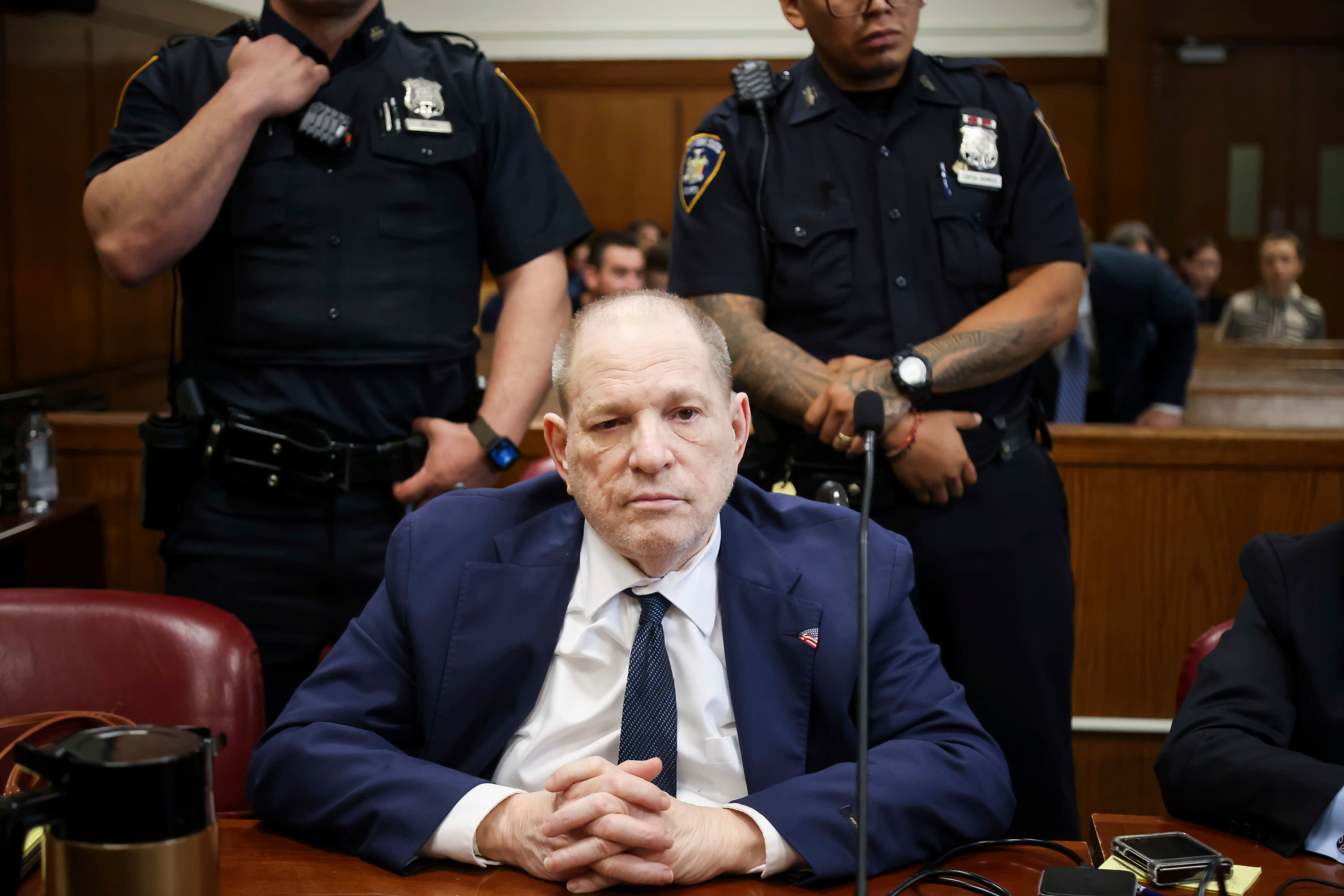
I have. An NDA from Harvey Weinstein cost me my career and seismically altered my job prospects – a situation that any whistleblower will relate to. I was in my early twenties when I worked as Weinstein’s personal assistant and my colleague alleged that he attempted to rape her. I had been advised our only option was to enter into a “compensation agreement” (notably it was never referred to as an NDA) which contained the most extreme confidentiality clauses many lawyers I’ve since shown have ever seen. The huge disparity of power and wealth between us and Weinstein really left us with no choice. It felt like, should we breach it – and break the protections around his predatory, criminal behaviour – we would find ourselves and our families in financial ruin or jail.
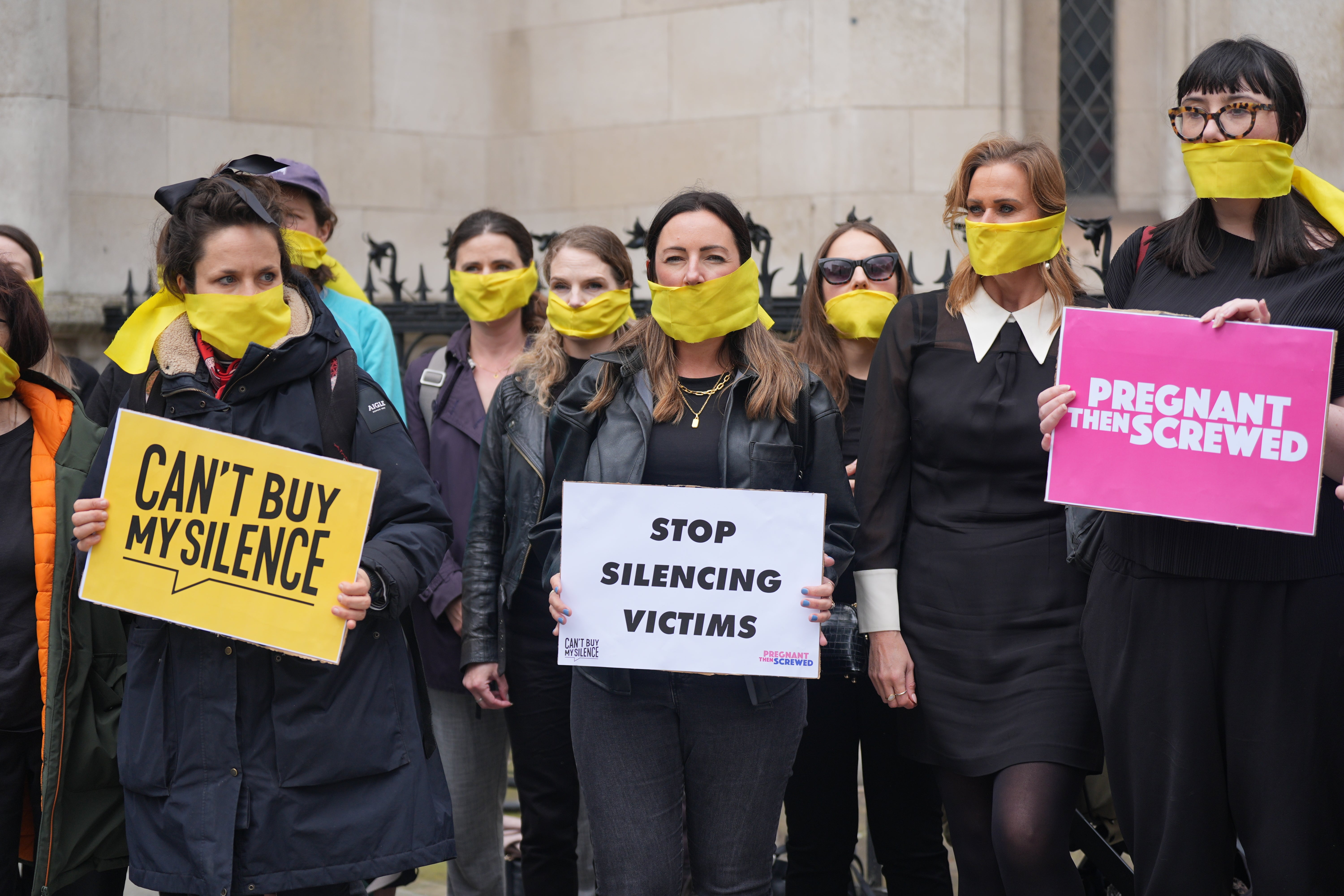
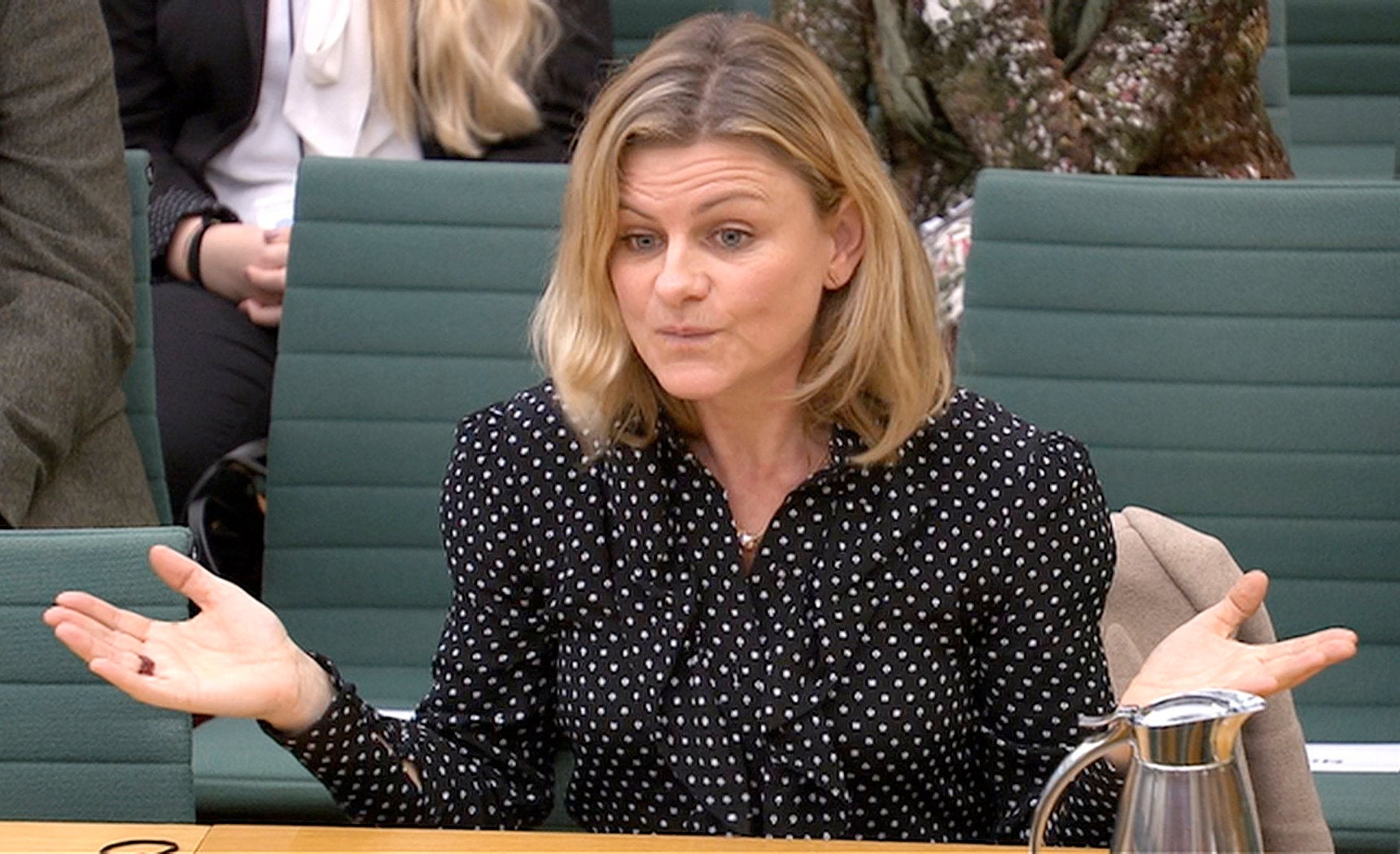
In 2017, two decades after I signed it and as the #MeToo movement really took hold, I did breach it by speaking to The New York Times and, later, the Financial Times. I became one of the first women to break my NDA contract in order to speak out about Weinstein. It was imperative to me that I called out the system that allowed him to continue his abuse with impunity. I felt like this was the key, and that everyone was almost looking in the wrong direction. The following year I also gave testimony to two select committees about how NDAs were being abused in the UK and listened as the Conservative government told me it would “end NDAs being used unethically”. That was seven years ago. Only now can I say real change has begun.
There have been ripples along the way – two other not-insignificant pieces of legislation, one of which gave any victim of crime under NDA the right to speak. The other – the Higher Education (Freedom of Speech) Act – as the will come into force this August 1st, requiring Universities and their constituent colleges that are registered to receive public funding to stop using non-disclosure agreements to cover up sexual misconduct, harassment and bullying. So, while this latest isn’t the only protection, it’s by far the most weighty, and the most consequential. At this point we’ve secured commitments: that no employer or alleged abuser will be able to pressure a victim into silence. Confidentiality must only come from the victim’s choice – not as a condition forced upon them.
We’ve also fought for time limits and opt-out clauses for victims, so they aren’t bound forever to silence that continues to harm them. The government has actually gone even further than we expected by broadening the legislation to include all employees, including the likes of freelance contractors and interns. But whether any of this actually becomes law in a meaningful way depends entirely on the regulations now being developed.
It has never been about vengeance – it’s about justice. After all this time, I can dare to say that it just might be catching up. But despite the headway we’ve made, we must still be vigilant – there is always room for things to slip. If you’d told me in March that we’d be here today, I wouldn’t have believed you. Back then, the answer from the government was a hard “no”. Dead in the water. I remember the meetings, the pushback, the disappointment.
And yet, here we are. So, what changed?
If I was being generous I would say that Labour had supported reform on this issue before coming into power. But once in government, I think they got overwhelmed. The Employment Rights Bill ballooned with amendments and reform points. I imagine they saw NDA reform as something that could be quietly dropped. But that wasn’t an option for me. Not after seven years. Not after everything survivors – especially whistleblowers – had been through.
We were lucky. Harriet Harman brought Louise Haigh into the conversation, and she has been extraordinary. Behind the scenes, several incredible peers, including Frances O’Grady, Helena Kennedy, Susan Kramer, and Helena Morrissey, fought tooth and nail in the Lords. Their push was crucial. I think it finally became clear to the government that this wasn’t just politically smart – it was the right thing to do.
And it’s not like this topic is lacking evidence. There have been consultations, reports, public inquiries – you name it. Honestly, there’s enough paperwork on this issue to sink the Titanic. One thing all of that reveals and that I want businesses to understand is this: removing the tool of enforced confidentiality isn’t going to hurt you. The data from the US and other countries shows that eliminating NDAs in harassment cases doesn’t stop people from settling. It doesn’t wreck business. In fact, it’s good for business.
When you take away the structures that enable secrecy, you force change at the root. You can run as many HR seminars and unconscious bias training sessions as you like, but if people know there’s a cover-up system in place, their behaviour won’t change. Transparency is what drives accountability.
The problem isn’t just cultural, it’s systemic. It’s baked into HR policies and legal practices. Too often, in-house counsel are asked to silence victims – often by the very people who employ them. It puts them in a terrible ethical conflict. Their duty should be to the law and to justice, not to their boss’s reputation. But the legal sector has largely failed to act.
And still, NDAs continue to be used to protect perpetrators – from charities and corporations to media giants and even public institutions like the post office. Silencing people is no longer reputational risk management. If anything, it’s a reputational time bomb.
One of the most frequent questions I’ve been asked since the announcement is: will these new protections be retrospective? The short answer is: no. Not for NDAs already signed under employment law. But in the case of the Victims and Prisoners Act, which would render NDAs void if you are a victim of a crime, we are still pushing hard for retrospective coverage. If the law says a contract is unjust, why shouldn’t that apply to agreements signed before the law changed?
I wish I could say it was over; I can’t: just as it has always been when it comes to NDAs, the devil is in the details – while the government has set its intentions, it’s the regulations being written right now that will determine how it comes into practice. We’re hoping that this law will be passed through parliament by September, meaning the protections can come into effect next year, but nothing is guaranteed. So onwards we go, still fighting, still shouting as loud as we can. So that one day I can say, finally, without doubt: justice really was served.
What does it really feel like to sign an NDA?
By Anonymous
“Imagine one of the worst, most damaging experiences you have ever had. Imagine that you cannot talk to a single person about it. That the secrecy brings with it a cloud of shame. With no way of lancing the boil there is a doubling down on its debilitating impact.
Imagine the weight of this act of silence, of not naming out loud what has happened and therefore knowing that their truth is louder than yours. Even though you know logically that the organisation would not have paid you or even asked you to sign an NDA if they did not want to hide their treatment of you, it feels like an empty victory. It is.
Step back a few years – imagine this: working in an industry for 19 years, slowly climbing the ladder step by step, and finally being offered your dream job. The pinnacle of your career. A moment to be proud of. At first, you're seen, valued, celebrated – and promoted. Annual reviews are glowing. Then the wind shifts.
It starts subtly. Small, inexplicable criticisms. Your ideas fall flat. In a meeting, your boss rebukes you publicly. You’re singled out as the fall guy on a major project – for reasons that seem petty and personal. You’re excluded from key meetings, though no reason is ever given as to why. You're told it’s due to your flexible working pattern – though it's been unchanged for years. You begin to notice you're being edged out, and junior colleagues are taking your place. Others pick up on the shift. You can feel it, but can’t quite name it.
Then the awful realisation dawns: this isn’t new. Over the past decade, you’ve watched a dozen brilliant, hard-working people grow quieter, thinner, less certain – until they vanish. You’d even half-believed the narrative: that they just weren’t up to the job. But you also know you are working in a culture of fear. If it is happening to someone else, then it isn’t happening to you. Until it is.
The sickening, silent sidelining consumes your thoughts. You go to HR. They listen with blank faces, saying everything seems fine. You realise they have been here before, and suddenly understand that they are not there to protect you – they’re protecting the organisation.
You want to fight back. But you’re up against a global institution with all the money, all the power. You feel like they want you to disappear quietly. And for a while, that’s tempting.
But walking away in silence feels like conceding they were right. You decide you have no choice but to speak up. To walk away without challenge is as good as admitting that they are right. If you do not name it and speak the truth about what has happened it will stay with you forever. You see a lawyer you and tell them everything that has happened in every appalling miserable detail, they confirm what you already know: you have a case. You weigh the options and try to figure out which will damage your mental health least.
You can’t imagine staying, or applying for another job. If you go to a tribunal, maybe you’ll never work again. You feel like someone trapped in a toxic relationship with the slow chipping away of self-esteem that comes with that.
But you do have a case. The evidence of unfair dismissal and discrimination is clear enough that the organisation offers a large settlement. They admit no wrong doing at all. Yet they insist that you sign an NDA in exchange for the money that you definitely need while you get back on your feet, try to dust yourself off and recover. You have to get away. You just want to make it stop. You feel you have no choice. You sign the NDA. And then it’s over. Except, of course, it isn’t.”
As told to Zoe Beaty
Join our commenting forum
Join thought-provoking conversations, follow other Independent readers and see their replies
Comments
Bookmark popover
Removed from bookmarks