Rare letter and doodles by young Queen Elizabeth II to go under the hammer
‘When I first saw the letter, it gave me goosebumps,’ says auctioneer
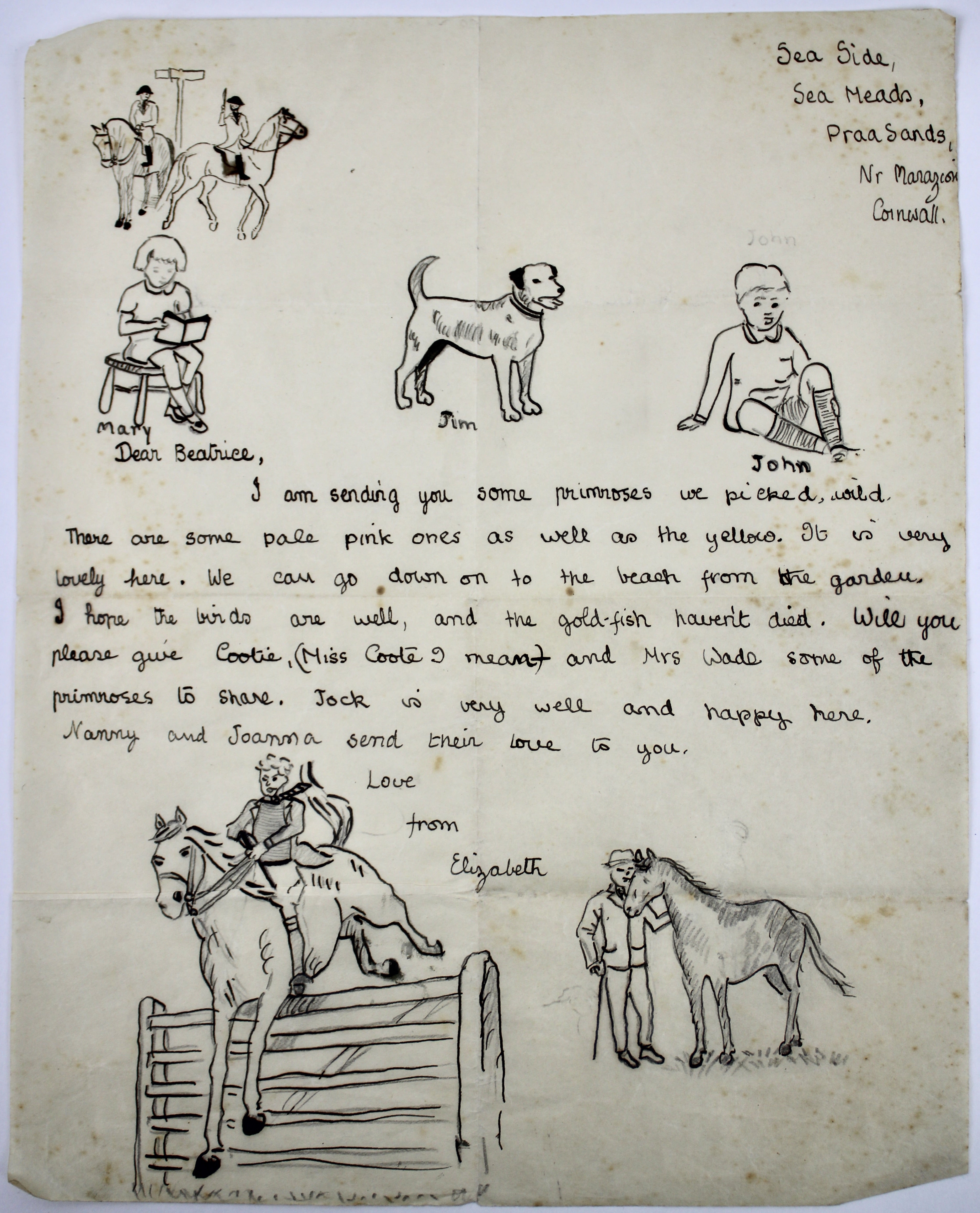
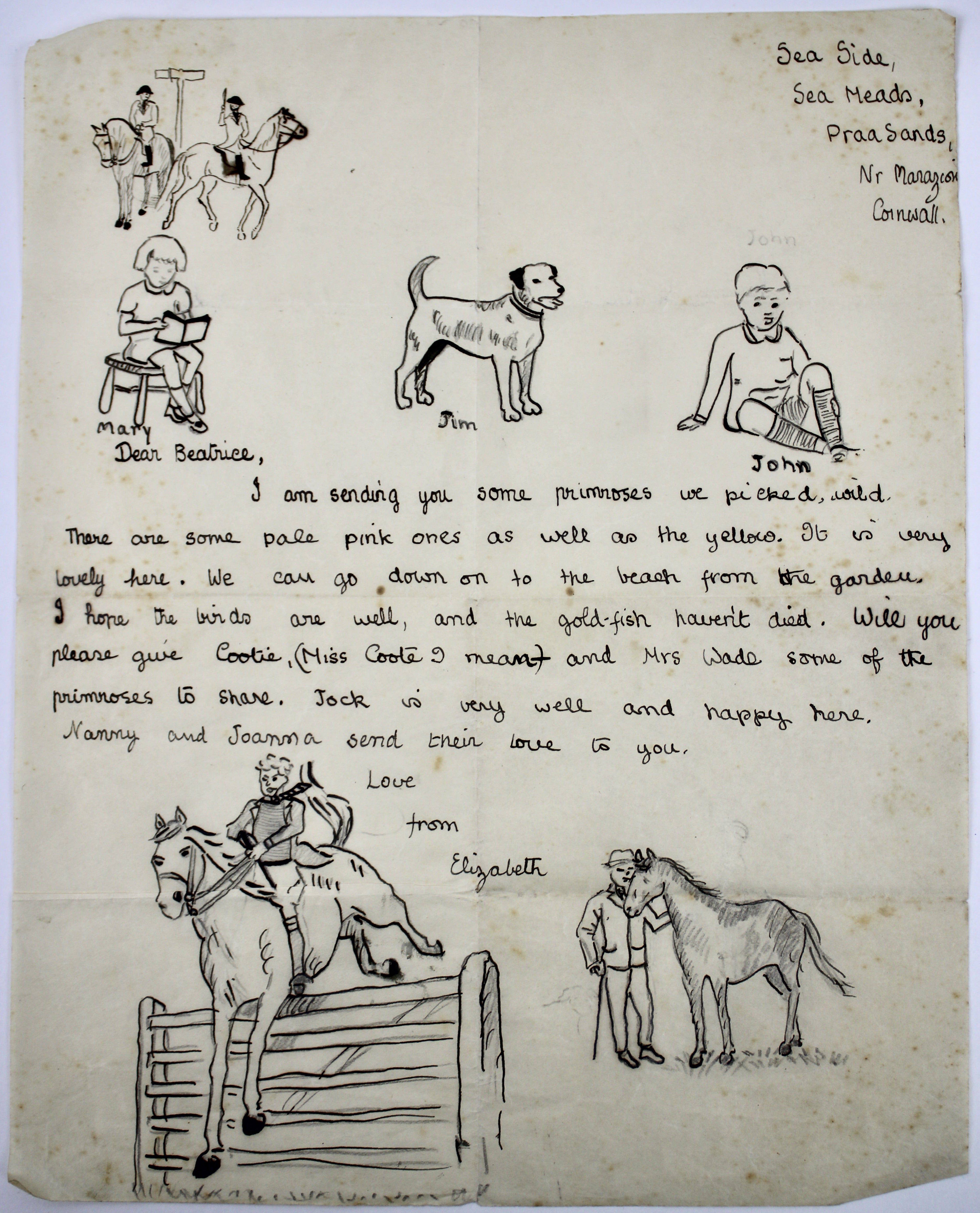
A rare and intimate glimpse into the childhood of Queen Elizabeth II has emerged with the discovery of a handwritten letter and accompanying doodles, penned by the future monarch at around 10 years old.
The charming artefacts, found hidden under a bed, are set to be made public for the first time before going under the hammer at auction in Kent on 27 February, where the letter alone is expected to fetch approximately £4,000.
The single-page letter, addressed to Beatrice Stillman, the head housemaid at Royal Lodge in Windsor, is adorned with carefully drawn sketches of dogs, horses, and children.
It remained concealed for decades within a suitcase before its rediscovery two years ago. Written during a holiday in Praa Sands, Cornwall, the young princess’s note enquires after her pets back home, expressing hope that "the birds are well, and the gold-fish haven’t died". She also mentions primroses she had picked, requesting they be shared among the staff at Royal Lodge.
Accompanying the letter are further delightful doodles, depicting a pair of horses and highwaymen, a seated girl named Mary, a dog called Jim, a boy named John, a boy and pony leaping a five-bar gate, and a man affectionately patting a horse.
Beatrice Stillman (1901–1991) joined the royal household in 1936, the year Princess Elizabeth turned 10 and Princess Margaret was six. Their relationship was evidently a warm one, fostering a lifelong correspondence between the Queen Mother and Beatrice, who later married Alfred Twyman, a gardener at Windsor Castle, in 1946.
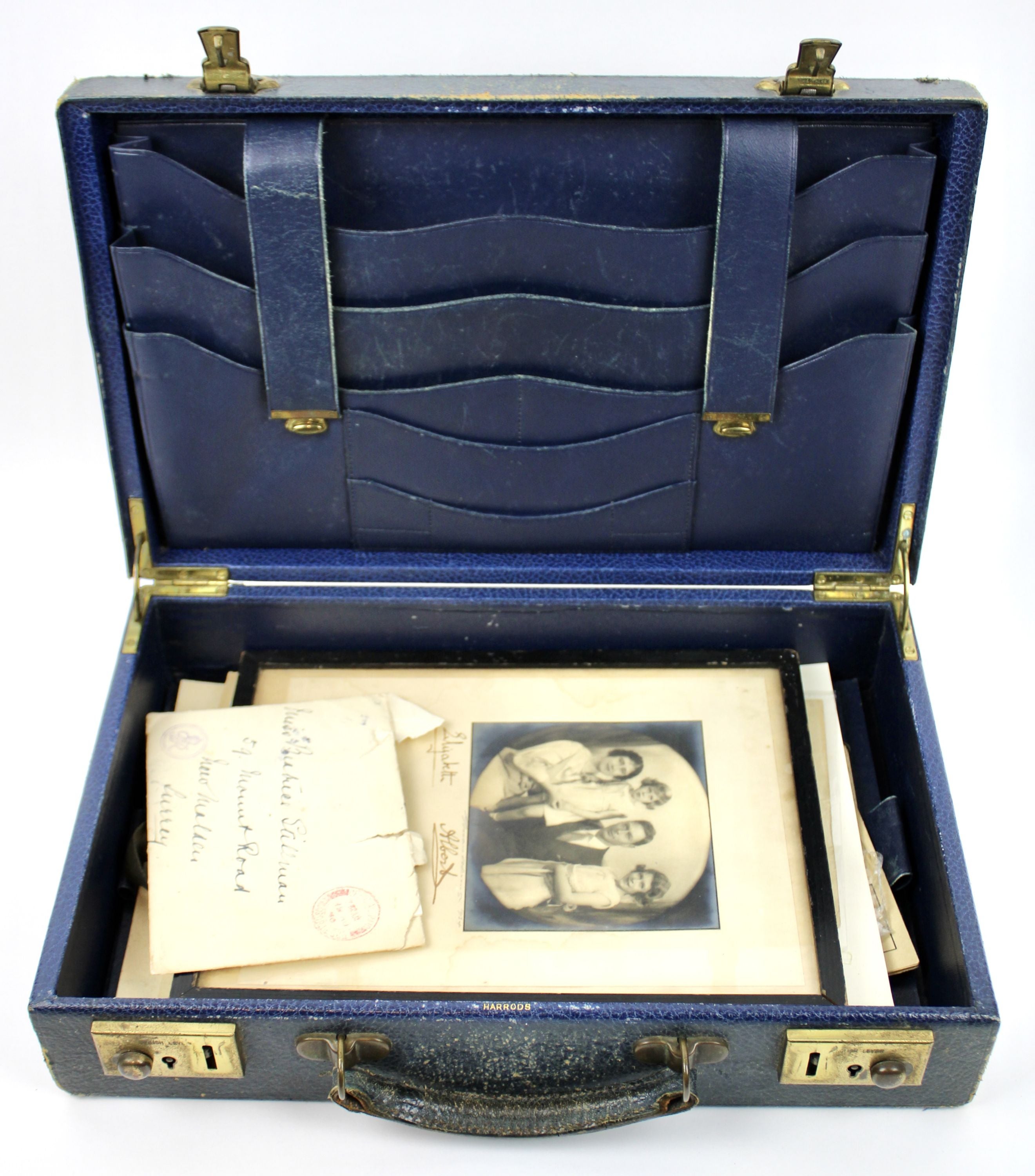
The warmth of this connection extended further during the Second World War. After Beatrice’s brother-in-law, John Dicker, was killed in an air raid in 1940, the Queen Mother invited his widow and her two daughters to play with the royal princesses at Royal Lodge.
A nephew, William Westacott, the current owner of the archive, shared: "Auntie Rene, now 95, fondly remembers being presented to George VI and the Queen and the princesses Elizabeth and Margaret. She also recalls playing in the large playhouse in the Royal Lodge garden that was gifted to Princess Elizabeth in 1932. It being wartime, the Queen kindly donated some of the princesses’ clothes to the children."
The suitcase containing the letters was passed to Beatrice Stillman’s niece, Jean Westacott, after Beatrice’s death. It was only upon Jean’s passing two years ago that the family discovered the hidden treasures beneath her bed. William, who resides in Sevenoaks, Kent, remarked: "We knew the letters existed, but to read them in the flesh was a ‘wow’ moment."
Justin Matthews, from Hansons Auctioneers Penshurst saleroom, where the letter will be sold, expressed his profound reaction: "When I first saw the letter, it gave me goosebumps. Queen Elizabeth II, as we remember her – with her love of dogs and horses – is astoundingly evident in this letter penned by her younger self."
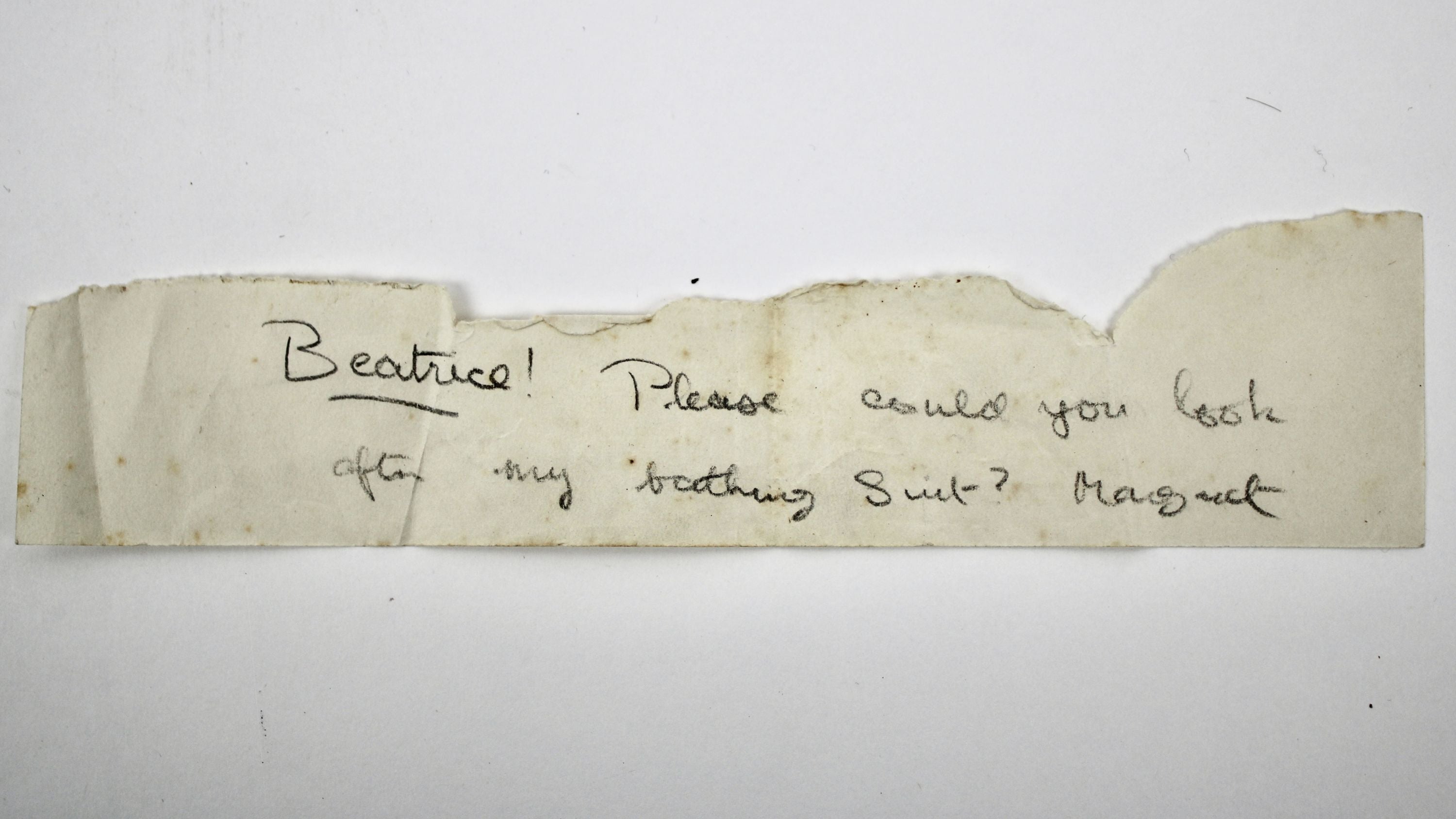
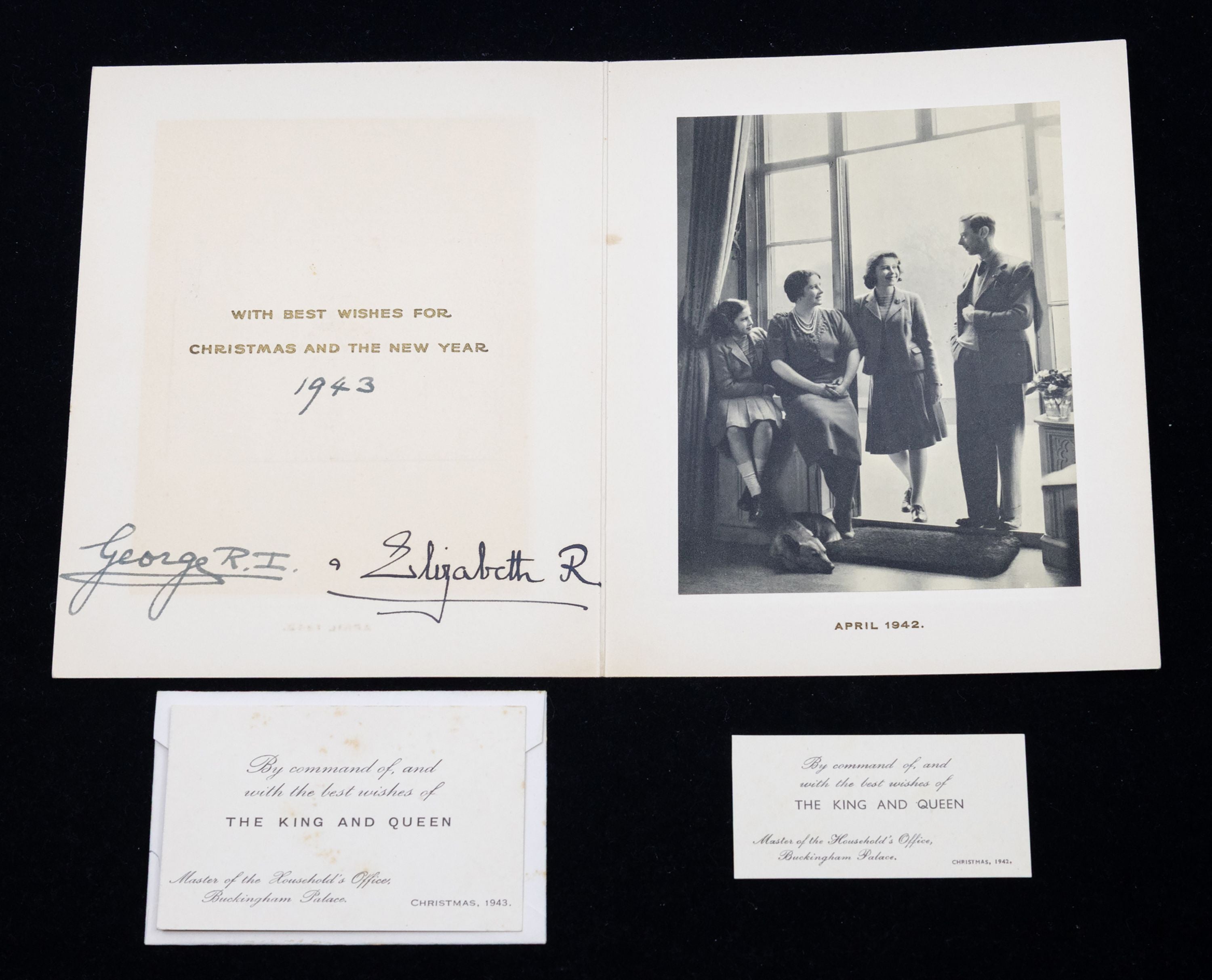
The letter forms part of a larger collection of correspondence between the Palace and Ms Stillman, which includes her letter of engagement dated 22 May 1936, written on behalf of the Duchess of York, later the Queen Mother. The archive also features an undated, urgent pencil-written message from Princess Margaret, stating: "Beatrice! Please could you look after my bathing suit? Margaret."
Mr Matthews noted the contrast between the sisters’ notes: "While Princess Elizabeth’s concerns are all about her pets and the welfare of staff, Princess Margaret’s are slightly more sartorial. Both seem rather fitting for the women they grew up to be." He believes the letter was written between 1936, when Ms Stillman joined the household, and May 1940, when the princesses moved to Windsor Castle for safety.
"The letter speaks of an idyllic childhood holiday before the war, when Cornwall was a popular destination for affluent and aristocratic families," he explained. "In those days, it was very common for children to correspond with household staff they were fond of – especially those who helped take care of their home life."
Mr Matthews concluded: "We are already seeing a great deal of interest in this incredible letter which, as well as revealing the innermost concerns of the future queen, is an important and charming historic document."
Join our commenting forum
Join thought-provoking conversations, follow other Independent readers and see their replies
Comments
Bookmark popover
Removed from bookmarks