Rachel Reeves is set to unveil her Budget. Here’s what to expect
The chancellor is expected to announce a raft of tax hikes as part of her 2025 autumn Budget
Rachel Reeves is poised to deliver her Budget, with intense speculation surrounding potential tax increases designed to stabilise the nation's finances.
The chancellor is expected to outline measures addressing a significant public funds deficit and establishing a more robust financial reserve, aiming to reduce future demands on taxpayers.
Follow our live Budget updates HERE
What time will the Budget be announced?
Ms Reeves is expected to outline the proposals at approximately 12.30pm today in the Commons.
The announcement will immediately follow Prime Minister’s Questions.
Income tax
The chancellor is said to have abandoned plans for a significant income tax hike, a move that would have broken manifesto pledges.
This U-turn follows less pessimistic forecasts received by the Treasury from the fiscal watchdog, leading to the measure being dropped from what Speaker Sir Lindsay Hoyle described as the “hokey cokey budget”.
Instead, Ms Reeves is now said to be favouring an extension of the existing freeze on income tax thresholds.
Should this be implemented alongside a freeze on national insurance thresholds, it could generate an estimated £8.3bn annually by 2029/30.
By not increasing the thresholds, Ms Reeves will benefit from a process called “fiscal drag”, where as wages go up, people are dragged into paying tax for the first time or shifted into a higher rate.
Read more: What is the ‘stealth’ rise in income tax and how will it affect me after the Budget?
Cash ISAs
Ms Reeves is expected to cut the annual cash ISA limit from £20,000 to £12,000 in order to push more households to invest their savings into the UK stock market.
Read more: Here’s what you could do with your money after cash ISA cut in Reeves’s Budget
Tweaking VAT
While the chancellor has reportedly backtracked on proposals to increase income tax in some way, ministers’ passive language on manifesto commitments has led to some speculation that the chancellor may instead look at some type of increase to VAT.
It is unlikely that the chancellor will raise the headline rate of VAT, which is currently charged at 20 per cent on most products and services. The levy is generally passed on to customers, and given recent warnings over living standards and inflation, it would mean more difficulty for already struggling households.
A different route the chancellor could take – arguably still in line with Labour’s commitments – would be to make the rate of VAT uniform.
For instance, food is one of the more complicated areas for the tax, with products like confectionery, hot food and ice cream attracting standard VAT, while meat, vegetables and juice do not.
Rail fares
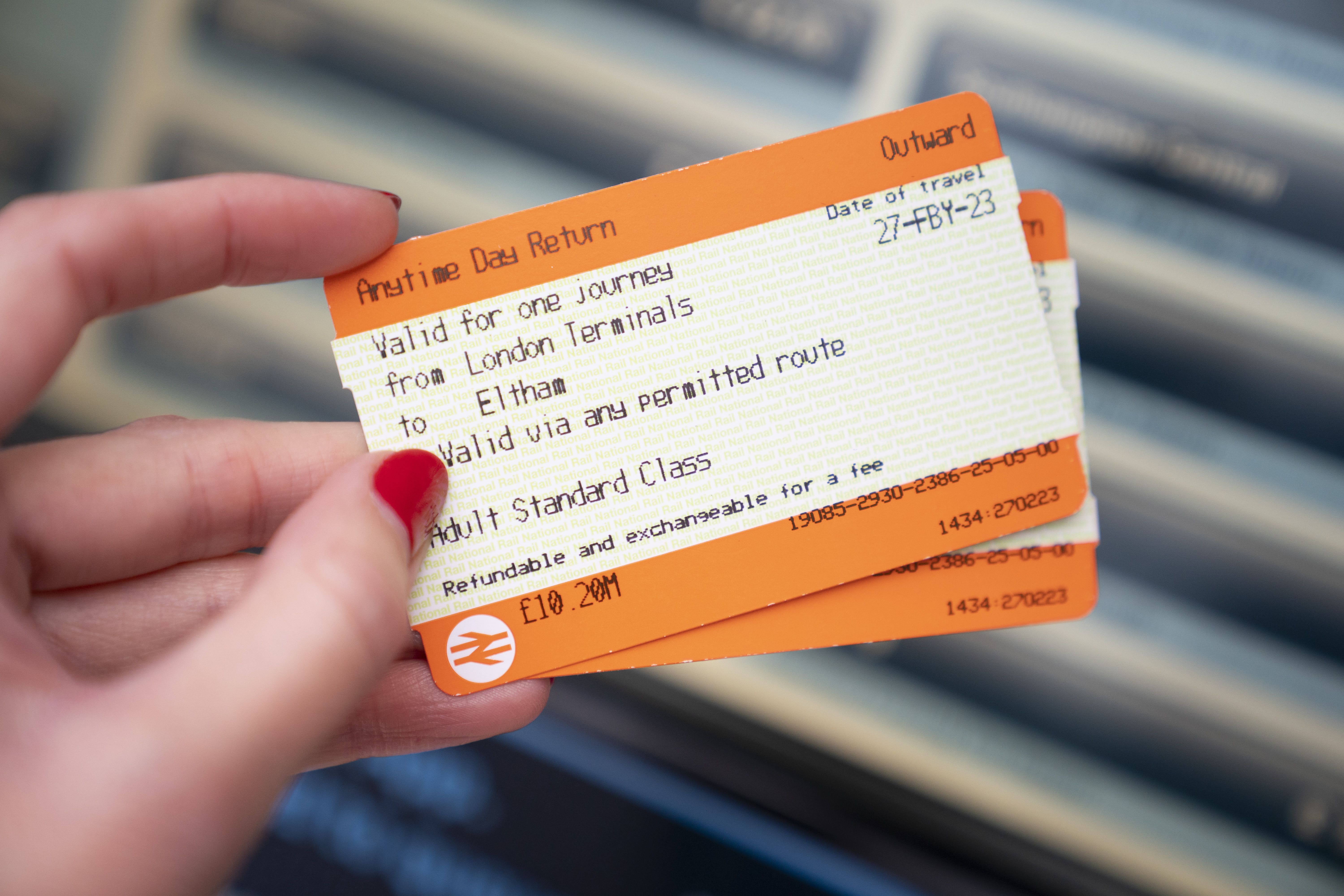
Rail fares will be frozen in the Budget, saving commuters on pricier routes more than £300 a year.
It is one of a series of measures aimed at easing the cost of living despite the increased tax burden many people and businesses are likely to face.
Simon Calder: Why the rail fare freeze is not necessarily good news for train passengers
Prescriptions
The cost of an NHS prescription in England is expected to be frozen at £9.90.
Mansion tax
Several versions of a so-called mansion tax have been floated in the build-up to the Budget. This would see owners of high-value properties hit with a new charge.
If the proposals are announced, the version understood to be most favoured by the Treasury is a simple levy placed on owners of properties worth at least £2m. These individuals would incur an annual charge of 1 per cent of the amount over that threshold – meaning a £10,000-a-year fee for homes worth £3m.
It is understood that revaluations of the top three council tax bands could take place to assess these values, and that the cost can be deferred until the homeowner dies or moves house to avoid forcing them to sell up.
Read more: What is a ‘mansion tax’ and how would it work?
Sugar tax
Health secretary Wes Streeting announced on Tuesday that pre-packaged milkshakes and lattes will be subject to the sugar tax, ending the exemption for milk-based beverages from the existing tax on sugary drinks.
The move will affect products such as packaged milkshakes, coffees and sweetened yoghurt drinks, but not drinks made on site in cafes and restaurants.
Read more: Milkshakes and lattes to be included in UK sugar tax in bid to tackle obesity
Tax for electric vehicles
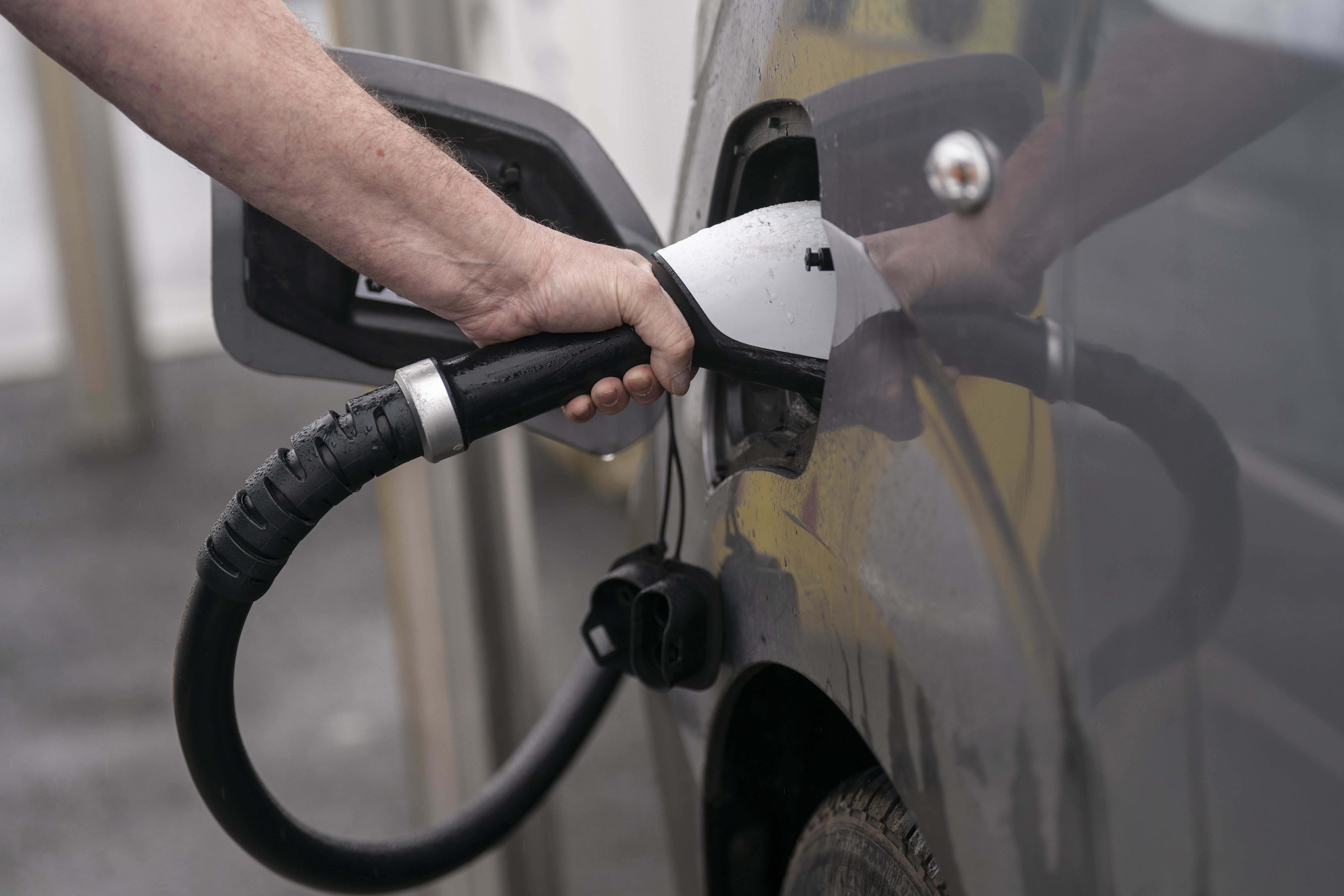
The chancellor is thought to be considering a 3p per mile tax for EVs as she seeks to protect revenues as people shift away from petrol and diesel – and the fuel duty that brings in to government coffers.
Freezing fuel duty
Ms Reeves is expected to announce she is retaining the 5p cut in fuel duty, which was introduced in 2022, and ensure it does not rise in line with inflation.
EV buyer subsidy
She is also set to add £1.3bn to a grant that knocks up to £3,750 off the price of an electric vehicle as part of a package that will also see £200m go towards the rollout of charging points.
Pensions – salary sacrifice and tax relief
The chancellor might introduce limits on how much employees can stash in their pensions under salary sacrifice schemes before it becomes subject to national insurance.
Reports suggest she could cap this at £2,000 a year, which would reduce how much people put away in their pension pots and put a dent in take-home pay for those who use the scheme to stay in a lower tax band.
Another widely speculated plan would see the higher rates of pension tax relief cut. This is the policy that effectively boosts savers’ contributions with a top-up from HMRC.
Savers who pay basic rate tax get a 20 per cent boost to their pension contributions, while higher rate taxpayers get 40 per cent and additional rate earners get 45 per cent. This essentially ensures that no tax is paid on the contributions.
The rumoured proposal would see this relief cut back for high earners, meaning everyone gets pension tax relief at a flat rate of 20 per cent, regardless of their income tax bracket.
Read more: Is Reeves mounting a pensions tax raid at the Budget?
Two-child benefit cap
As pressure has piled up, Ms Reeves is expected to scrap the limit that restricts child tax credit and universal credit to the first two children in most households.
Estimates vary on how much this would cost, with the Resolution Foundation estimating around £3.5bn by the end of this parliament (2029/30), while the Child Poverty Action Group and Joseph Rowntree Foundation have lower calculations of around £3bn by then.
Read more: What is the two-child benefit cap? The controversial policy explained as Labour U-turn expected
Increase in minimum wage
The government has announced this week that minimum wage rates will increase next year, giving a pay rise to millions of workers.
From next April, the national living wage will rise by 4.1 per cent to £12.71 an hour for eligible workers aged 21 and over, which the government said will increase gross annual earnings of a full-time worker on the rate by £900, benefiting around 2.4 million low-paid workers.
The national minimum wage rate for 18- to 20-year-olds will increase by 8.5 per cent to £10.85 an hour, narrowing the gap with the national living wage.
For 16- to 17-year-olds and those on apprenticeships, the national minimum wage will increase by 6 per cent to £8 an hour.
Tourism tax
Announced a day before the Budget, visitors to English cities and regions could face paying a new tourist tax to fund local projects. The government said mayors will be given the power to impose a “modest” charge on visitors staying in hotels, bed and breakfasts, guest houses and holiday lets.
Crackdown on benefits fraud
Ms Reeves will seek to raise £1.2bn by March 2031 by extending a crackdown on fraudulent and mistaken universal credit payments via the targeted case review (TCR) scheme.
Join our commenting forum
Join thought-provoking conversations, follow other Independent readers and see their replies
Comments
Bookmark popover
Removed from bookmarks