Israel becomes first country to recognise Somaliland
The recognition of Somaliland is seen as crucial for taking on terrorism and piracy, especially from the Houthis in the Red Sea and the Strait of Aden
Benjamin Netanyahu has piled pressure on Keir Starmer and Donald Trump to recognise a former British protectorate in a bid to take on terrorism in the Middle East.
The Israeli prime minister has unilaterally recognised the disputed state of Somaliland, which is seen as crucial in tackling the Houthi threat in the Red Sea and Strait of Aden, where Iranian-sponsored Houthi terrorists have been attacking shipping.
It means Israel is the first country to officially recognise Somaliland after it declared independence 34 years ago in 1991. Only Ethiopia has previously held an agreement with the previously unrecognised state in the Horn of Africa.
It comes as US President Trump is under pressure to recognise the breakaway African state, which declared independence from Somalia in 1991, after a bitter civil war, with the UK under pressure to follow suit.
Within hours of Israel’s historic decision South Sudan also followed also recognised Somaliland.
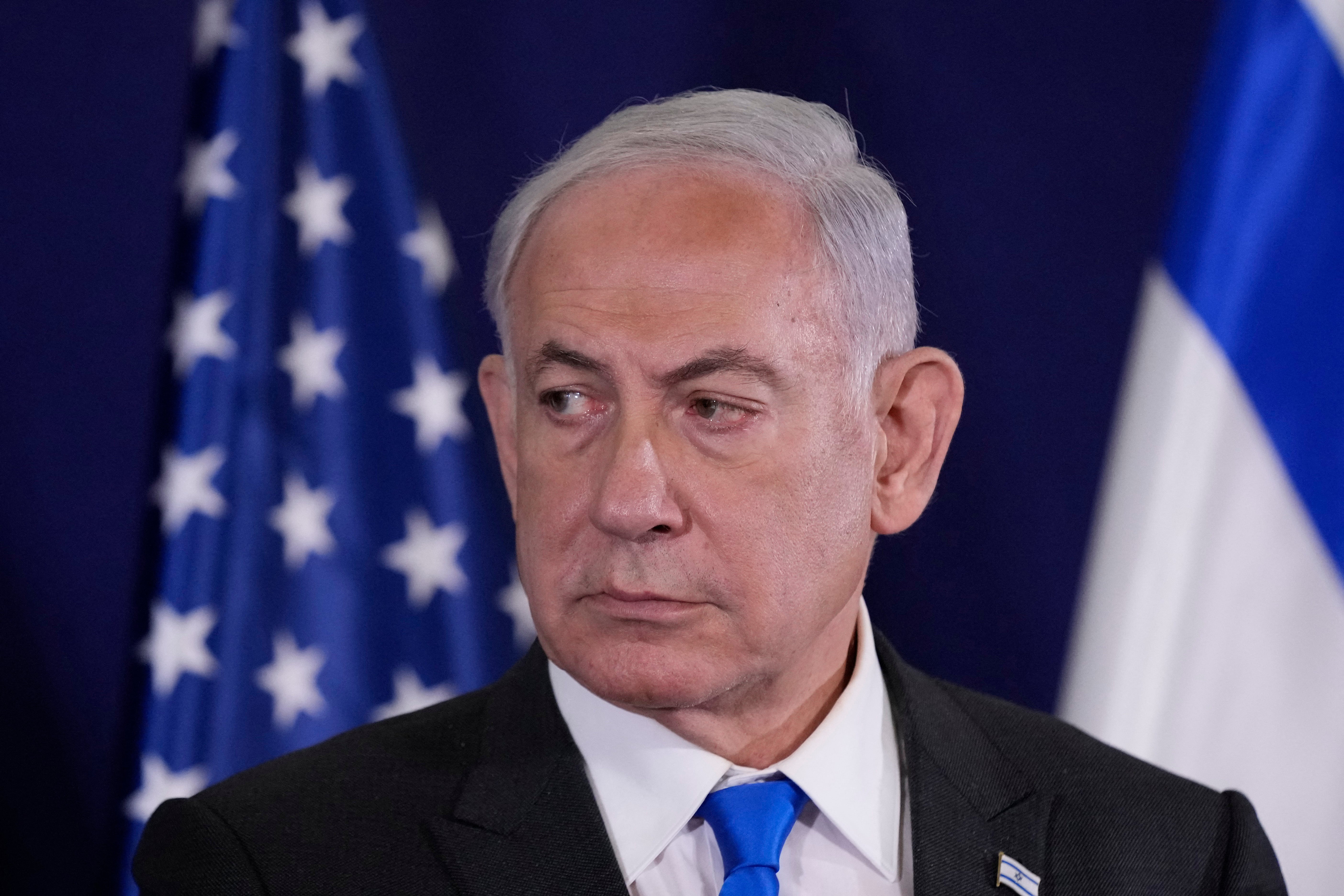
Mr Netanyahu, who has launched attacks on the Houthis in the region, said that the decision to recognise Somaliland was “in the spirit of the Abraham Accords”.
Mr Netanyahu congratulated Somaliland president Abdirahman Mohamed Abdullahi, known as Abdirahman Cirro, in a video call, praising his “leadership and commitment to promoting stability and peace” and inviting him to visit Israel.
He added: “The State of Israel plans to immediately expand its relations with the Republic of Somaliland through extensive cooperation in the fields of agriculture, health, technology, and economy.”
An Israeli government source confirmed to The Independent that the move was to build on efforts to “tackle Iran and its allies in the region”, including the Houthis.
Significantly it also follows the decision by a number of western countries in the UK and France to controversially recognise Palestine.
Somaliland gained its independence from the UK on June 26 1960, but days later, on July 1 1960 united with the neighbouring former Italian colony to create Somalia.
After three decades of civil war and brutality, where English was banned in schools and thousands of people from Somaliland were forced to flee, the former British protectorate declared independence again in 1991 and has been running its own affairs since.
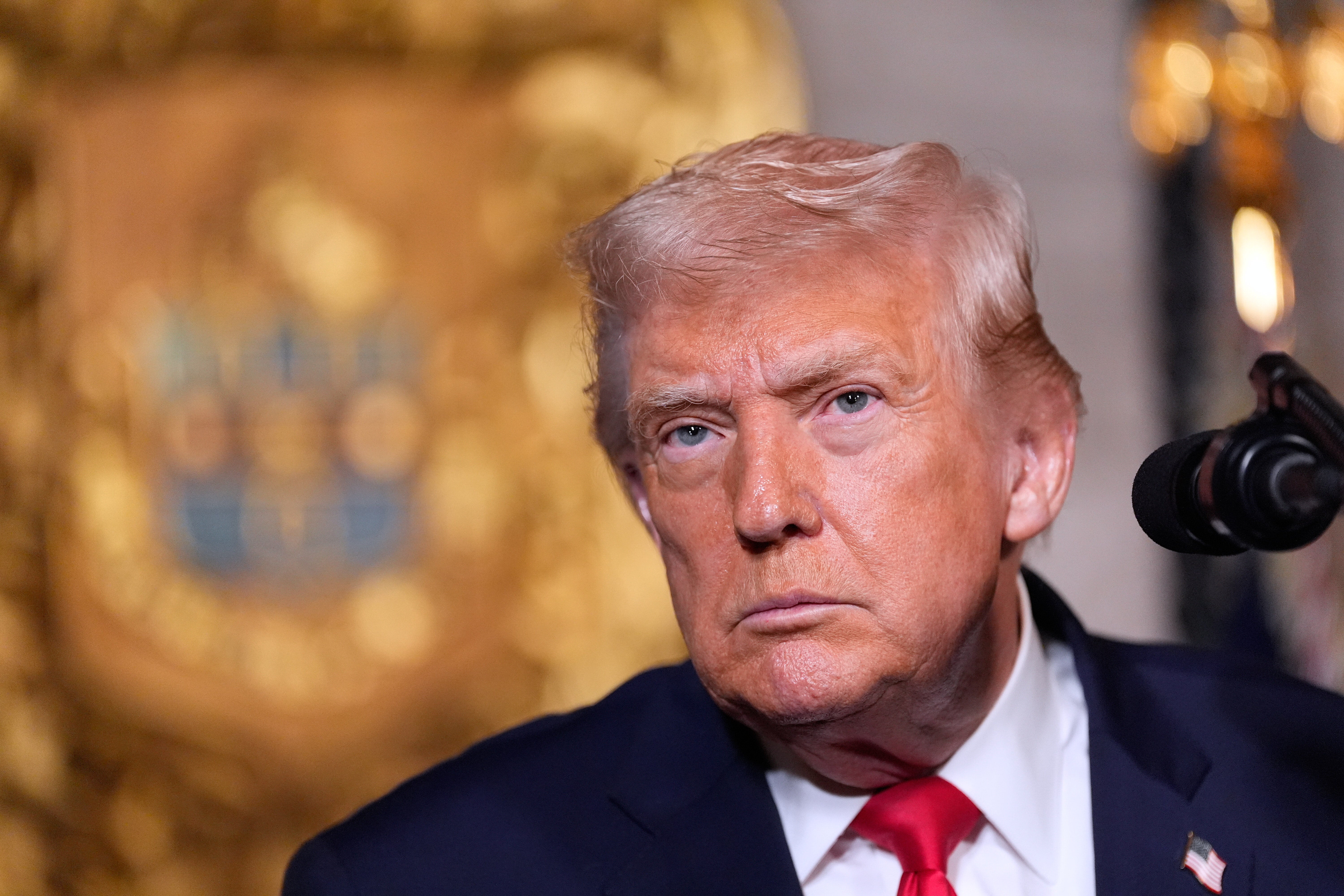
The UK, under former prime minister David Cameron, came close to formal recognition in 2012 but agreed to wait for recognition from African states first.
Opposition to recognising Somaliland has come from Democrat administrations led by Barack Obama and, more recently, Joe Biden, who both sided strongly with Somalia’s claim over the territory.
This is despite concerns that Somalia has remained unstable and has been a centre for piracy and terrorist activity, while Somaliland has wanted to be allied with Western interests and has successfully held democratic elections.
Trump, though, has taken a different view with Somaliland’s port Berbera seen as a crucial base for tackling piracy and terrorist attacks in the Red Sea and Strait of Aden.
Netanyahu’s move is expected to change the balance of diplomatic power in the Horn of Africa and threatens to isolate Somalia further.
The Israeli prime minister’s decision was endorsed by Nigel Farage in the UK who posted on X: “Somaliland deserves this status.”
One of the strongest advocates for Somaliland recognition is former UK defence secretary Gavin Williamson, who has honorary citizenship of the country.
He is one of a number of senior parliamentarians who have been pushing for a change of the 34-year impasse maintained by the Foreign Office.
He said: “It is important that the UK and the US move quickly to recognise Somaliland so that we can work with them as key strategic allies to bring peace and stability to the Red Sea and beyond.”
Join our commenting forum
Join thought-provoking conversations, follow other Independent readers and see their replies
Comments
Bookmark popover
Removed from bookmarks