The reaction to Charlie Kirk’s murder proves America is closer than ever to its next civil war
The most terrifying aspect of the current reality of the United States is not the assassination of the 31-year-old Trump activist, but how people have responded, writes Stephen Marche, author of ‘The Next Civil War’. As the sense of collective mourning no longer applies, this is a turning point for what comes next


It took days for the suspect in the shooting of Charlie Kirk to be named, but the identity of the killer and his reasons for killing hardly matter in the wider picture. The fallout is utterly predictable: divided America will divide further. Political violence, already surging, will surge further. America will continue further down the road to the perdition of the republic.
When I published The Next Civil War in 2022, the experts on civil war and assassination I spoke with were clear with me: what is uniquely dangerous about the current moment the United States faces is not the political violence in itself, but the collective reaction to it. America is now, and it has always been, an outlier of political violence. Far more political figures have been murdered in American history than in the history of any other democracy. More than a quarter of US presidents have either survived an assassination attempt or died at the hands of a killer. But, in the past, each assassination of a president or a judge was treated as a collective, national tragedy. It was understood that the violence, perpetrated by whomever, was a disaster for the body politic as a whole. Politics exists, after all, to save us from violence as a means of resolving disputes.

The sense of collective mourning no longer applies. The reaction to Kirk’s death instantaneously split American discourse. Here was a 31-year-old man, murdered in broad daylight, in front of his wife and children, before a crowd of thousands at Utah Valley University. Americans could not agree that that was unacceptable. I don’t want to promote or identify people on social media who crowed about the death like their team had just won a football game, but, on my feeds at least, it was not limited to a few cranks or extremists. “What about the children killed in Colorado?” was a perfectly common sentiment. Anyone on the left who imagines that the political assassination of their opponents is going to lead to more stability or a better America is seriously, seriously deluded.


The right in America has responded with blood-curdling threats of retribution. Donald Trump blamed “the radical left” for the shooting and promised a crackdown, saying its “rhetoric is directly responsible for the terrorism that we’re seeing in our country today”. In his Oval Office address, he then omitted violence against Democrats from a list of politically motivated attacks, incidents of what he termed “radical left political violence”.
Another important line has been crossed in the American collapse: journalists are now targets. The political class and judges have been under extreme threat since Trump took office. It’s hard even to keep track any more. The former House speaker of Minnesota and her husband were murdered in June; a molotov cocktail was thrown at the governor of Pennsylvania’s house during Passover. And US judges who sit on Trump cases regularly receive pizzas delivered to them as an intimidation tactic. Targeting journalists is new. Last month, The New York Times editor Joseph Kahn had his apartment graffitied in New York. Kirk’s assassination is the organic continuation of these trends.
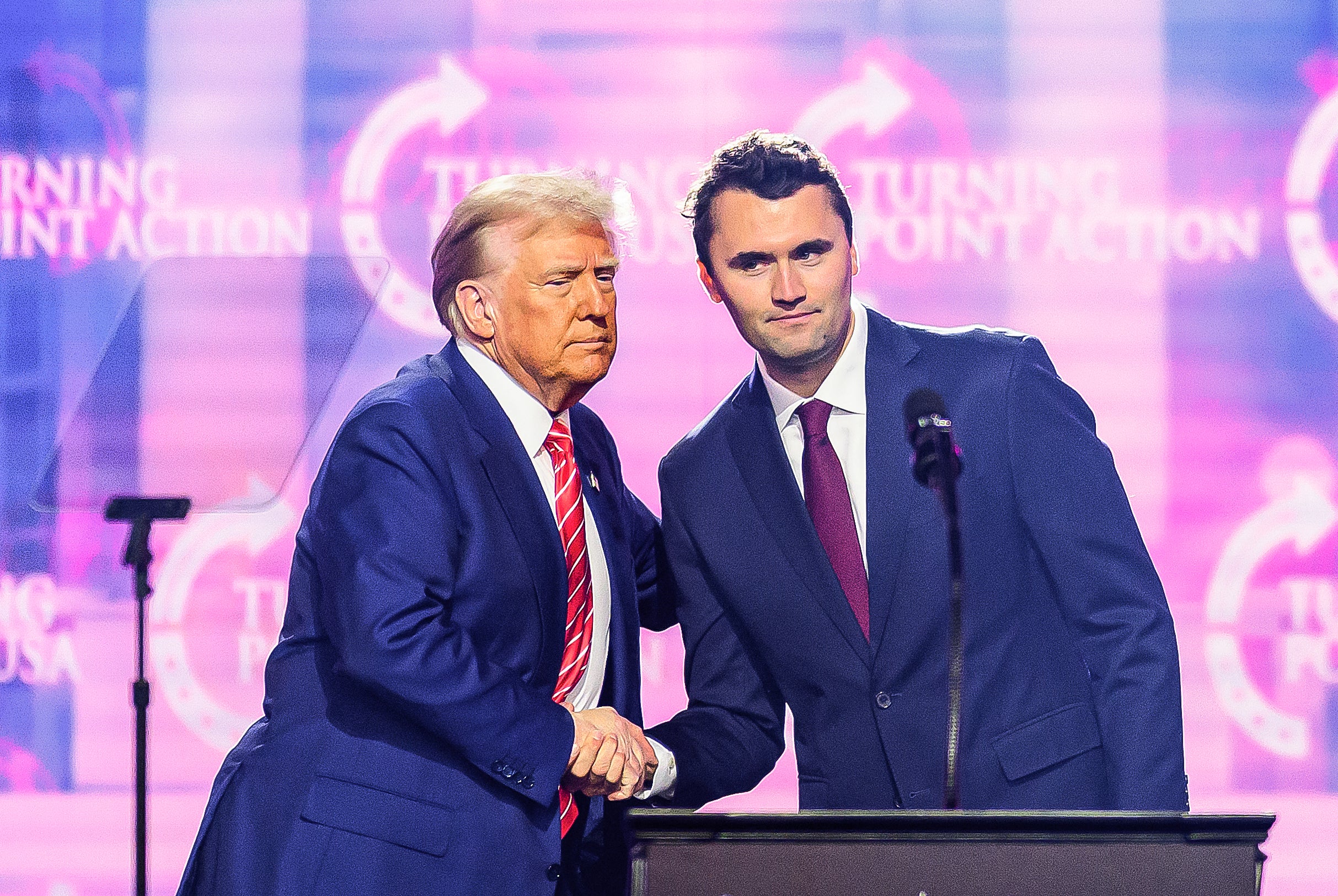
The effect of violence on journalism in the United States will be the same as the effect of violence on any institution – it will corrode the capacity to function, slowly but surely. Already, the fact that Trump is having all American flags lowered to half-mast in Kirk’s memory is a subtle but toxic gesture: he was their guy, so he is therefore a national hero. American journalists, from now on, will be functionaries of a political order. They will be subject to the hyperpartisanship that has afflicted all other aspects of American life.
I remember, while I was in the middle of writing The Next Civil War, the January 6 insurrection happened, and a friend of mine called me to commiserate over what he assumed was the death of my book. He really believed that the storming of the Capitol would be a wake-up call, and that reasonable people would get together to put an end to the political violence overwhelming America. He was wrong. The American people are developing a taste for the dehumanisation of the other. The right has so far been responsible for almost all of the political violence in the United States, but the left is fast catching up. Luigi Mangione, who shot a man for being the CEO of a health insurance company, has shrines in New York.
The video of Kirk’s assassination is particularly brutal. His murder was a fusion of America’s defining characteristics: its capacity for violence and its worship of spectacle. The spectacle is the means of the spread of violence. The Next Civil War didn’t envision encamped armies as in the first civil war, nor a breakdown along state lines like we saw in Alex Garland’s Civil War movie, but institutional collapse leading to violence as a legitimised expression of political will. What the experts on civil war described to me was the steady encroachment of murder and intimidation from rhetoric, to political and legal institutions, to everyday life.
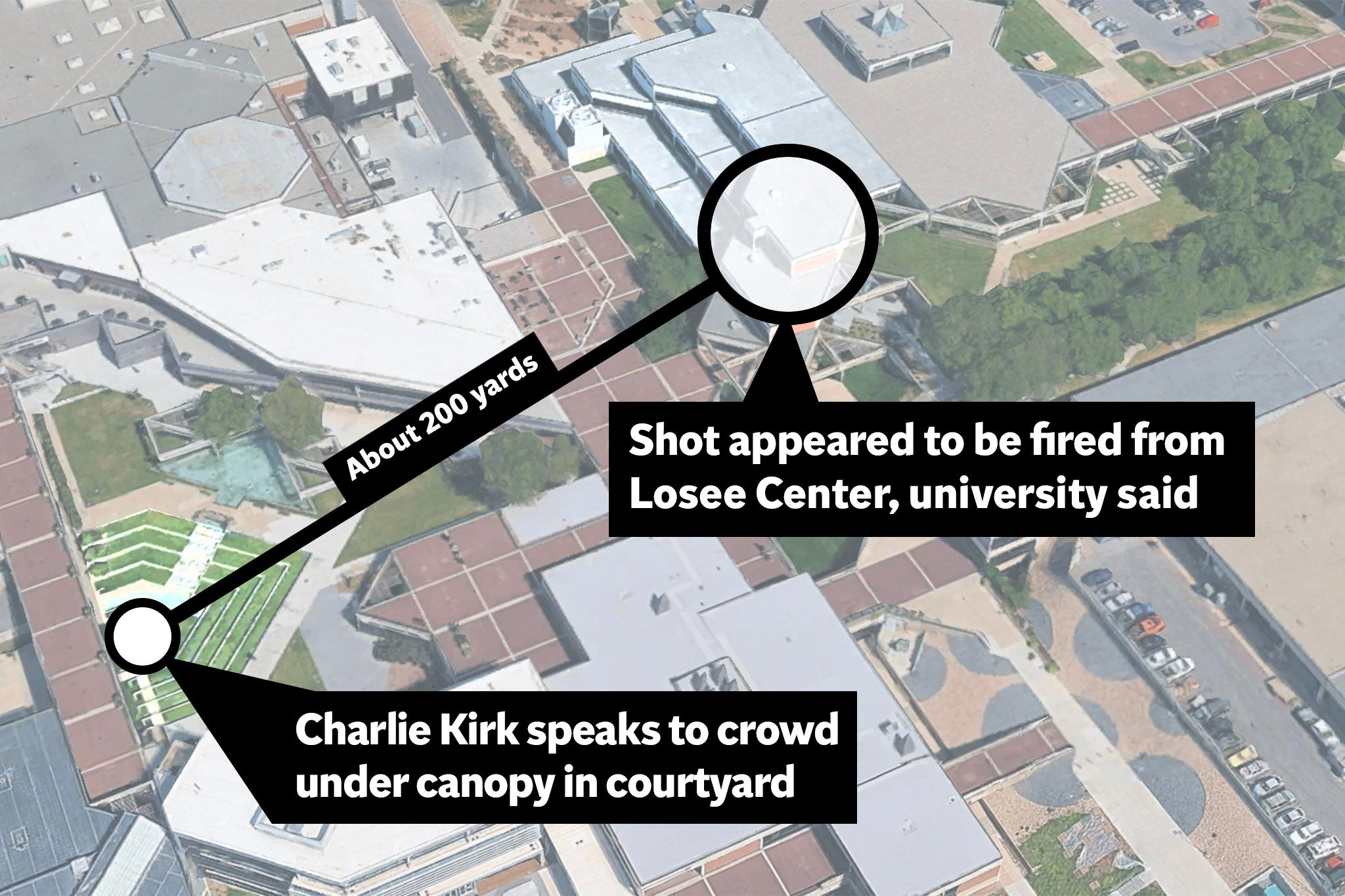
That process is obviously underway. The primary crisis in America – and there are many crises – is whether the political system or straight murder will determine the future of the country. Once the fires of violence have been lit, they are almost impossible to dampen. History instructs that fires like the one engulfing America keep burning until they’ve burned themselves out.
Where would an attempt to put out the flames even come from? The voices calling for common sense and compassion, on both the right and left, have no purchase any more. The calls for retribution grow louder, drowning out any sense of common humanity. And that is the most terrifying aspect of the current reality of the United States. They want to live this way. They want the mayhem that is overwhelming them. You can’t avoid violence when people want it.
With Charlie Kirk’s assassination, the United States may now be accurately compared to Ireland during the Troubles and Italy during the “years of lead”. In the chaos of the moment, increasingly, only one thing is sure: blood will have blood.
Stephen Marche is author of ‘The Next Civil War: Dispatches from the American Future’
Bookmark popover
Removed from bookmarks