The calls to boycott the World Cup are growing louder – will it ever happen?
When Fifa handed the hosting duties of its biggest tournament to the USA, Mexico and Canada eight years ago, the idea of a boycott would have been considered ridiculous. But times have changed, says Jim White, who looks at the growing tension polluting the very fabric of the tournament


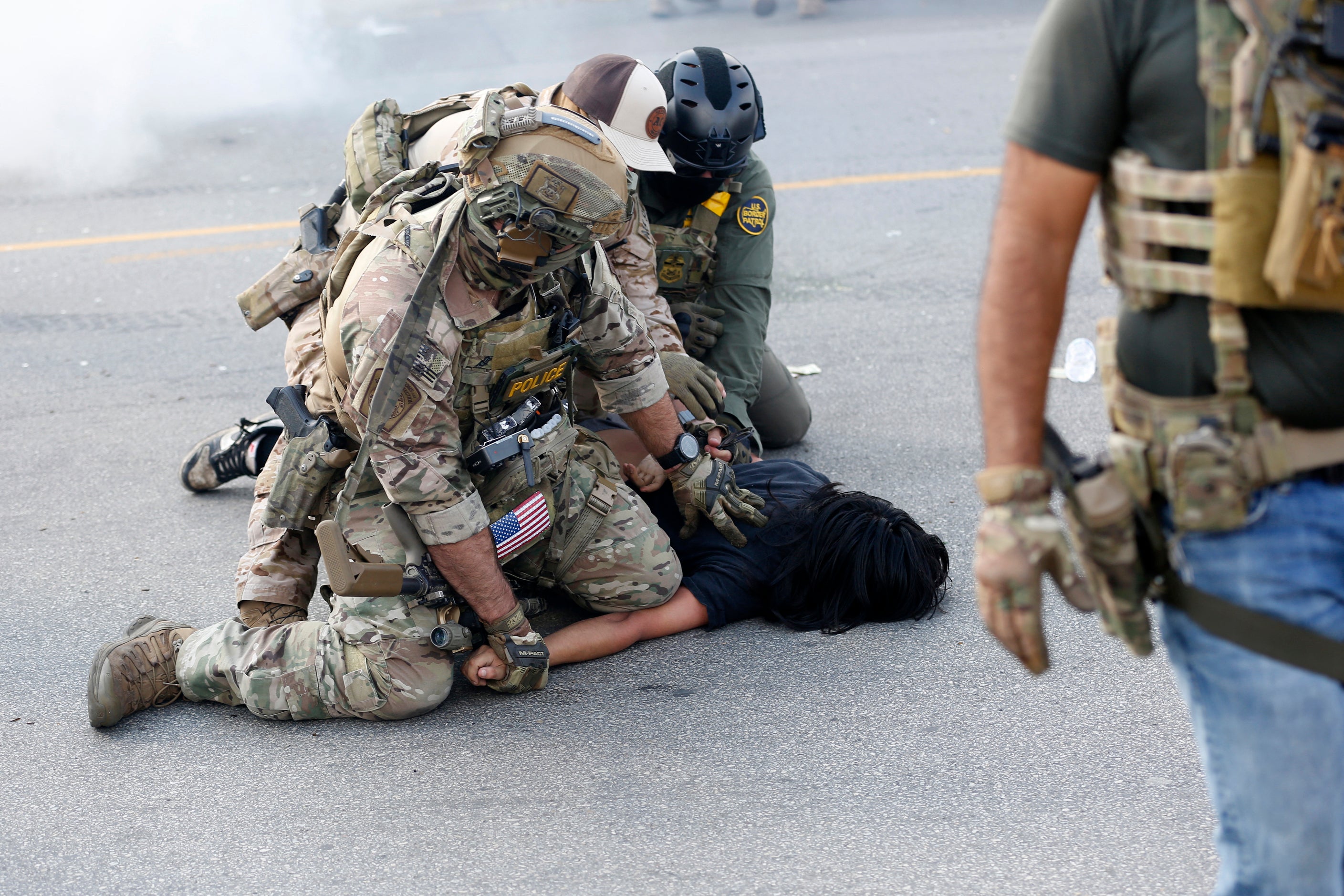
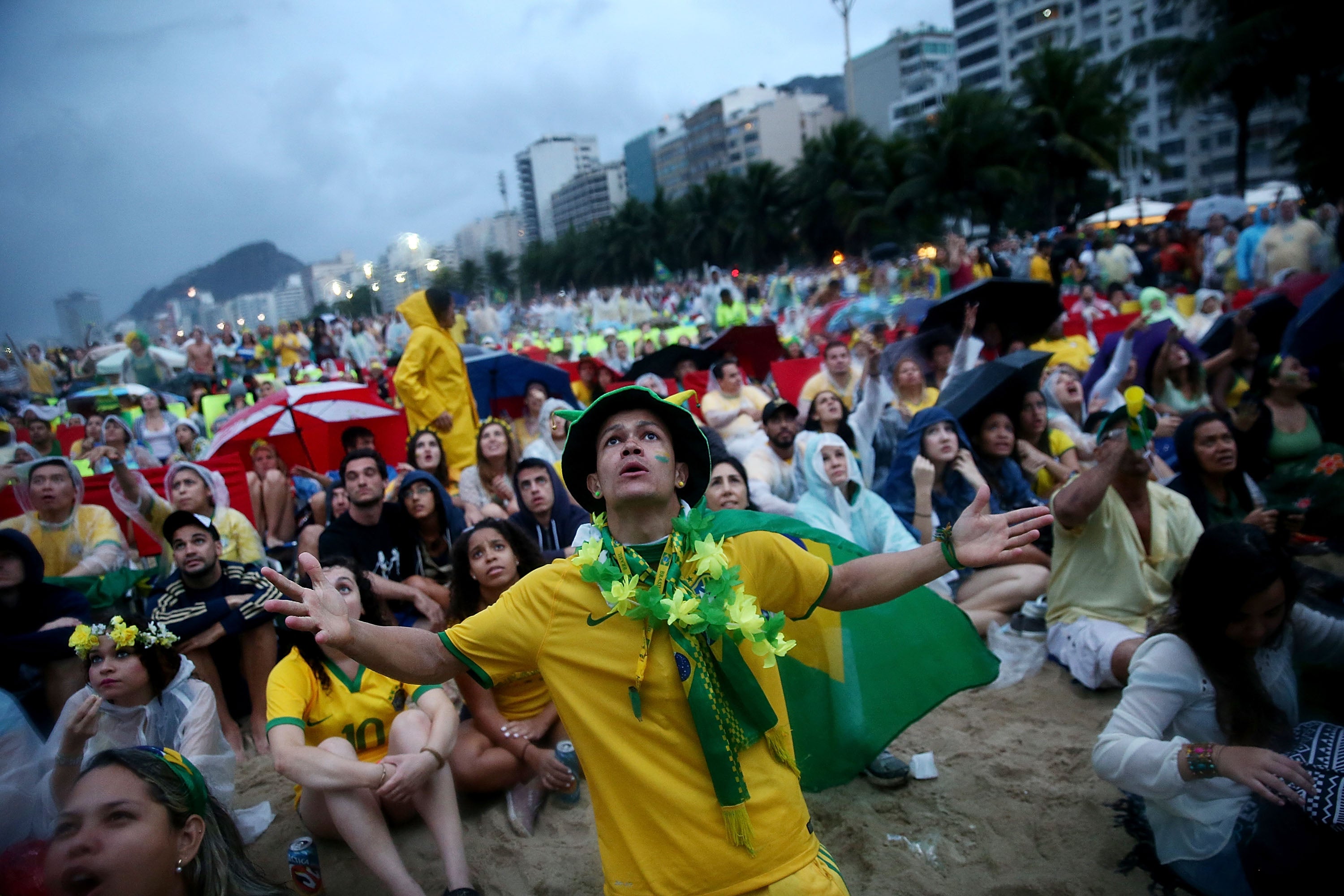
On 13 June, Brazil will play Morocco in a World Cup game at MetLife Stadium in New Jersey. Already, you imagine, the date is ringed in the diary of every ICE agent in the USA. What a day that will be for them as hundreds, maybe thousands, of US-based Brazilians and Moroccans pour onto the streets, making their way to the game. What fun for the masked representatives of a trigger-happy presidency as they relish the chance to lift a few and deport them. Possibly not as much fun as the next day, when, in Boston, Scotland play Haiti. It’s not so much the men in kilts they’ll be after. It’s the thousands of US-based Haitians out in the open. This is what they signed up for: harassing immigrants.
If this feels like an extreme imagining, pause to reflect on the fact that ICE will be attending the Milan Cortina Winter Olympics next month. ICE confirmed it would send a branch with the Diplomatic Security Service to protect top officials, sparking anger from Milan’s mayor, Giuseppe Sala, who said, after the killing of two American citizens on the streets of Minneapolis in the last month: “They are not welcome.” While Italy’s foreign minister defended his government’s decision to allow them to attend, saying, “It’s not like the SS are coming,” thousands of Italians have since signed petitions demanding that ICE be barred from entry as they travel with the US delegation.
Never mind the fact that these events are meant to be an international celebration of togetherness; rarely have they approached with so much tension polluting their very fabric. And none more so when it comes to the World Cup.
Travel plans for fans from two of Africa’s top footballing nations were thrown into disarray in December, when the Trump administration announced an extended travel ban would effectively bar people from Senegal and Ivory Coast from following their teams unless they already had visas. As for the players and supporters of Iran and Haiti, two other countries that have qualified, good luck to you heading to Los Angeles on 16 June – both countries were included in the first iteration of the travel ban announced by the Trump administration. Should Denmark qualify through the play-offs, they would then be obliged to play in a country whose leader has expressed open avarice for their territory. And how will Mark Carney, the Canadian prime minister, feel about sharing ceremonial duties when his co-host has so cheerfully endorsed social media images of the map of Canada overlaid in the stars and stripes?
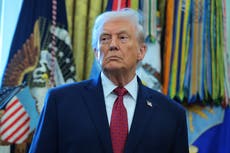

All round, this is promising to be the most fraught World Cup in living memory – less a sporting carnival, more a bureaucratic obstacle course, doused in caustic Maga-speak. When Fifa handed the hosting duties of its biggest tournament to the USA, Mexico and Canada in 2018, the idea of a boycott would have been considered preposterous. But times have changed.
It’s not Canada or Mexico that much of the rest of the world is viewing with concern. It is the country once reckoned the bastion of the Western order. Now, suddenly, as its own citizens are shot in the streets and a “foreigners not welcome” sign has been erected on every border, the talk of boycotts and withdrawals of refusing to play ball with a nation rapidly dismantling the old expectations is growing by the day.
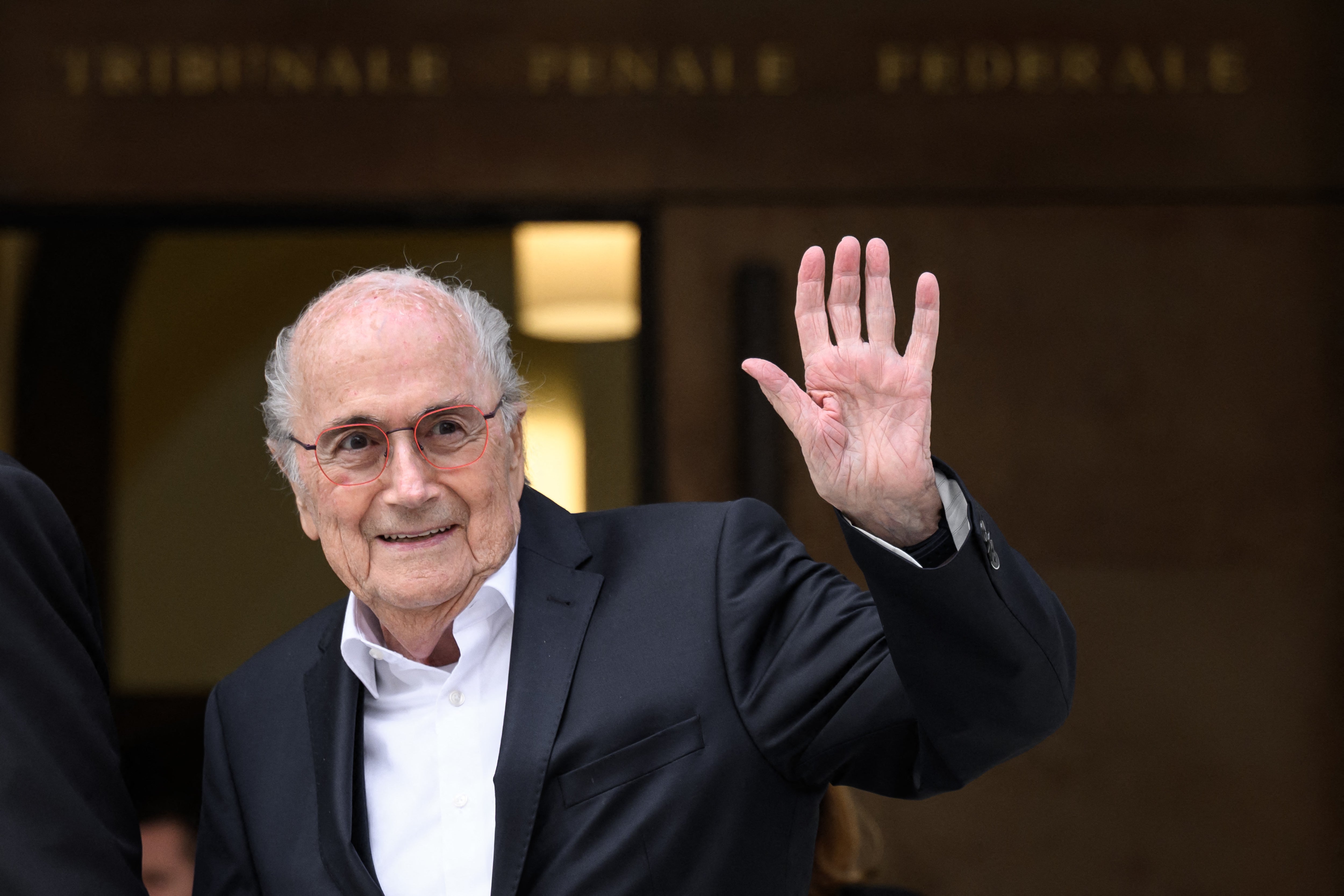
On Monday, former Fifa president Sepp Blatter joined the international chorus calling for a fan boycott of World Cup matches in the United States because of the conduct of President Donald Trump and his administration at home and abroad. Oke Göttlich, a German Football Association (DFB) official, also said the time had come to consider a boycott of the 2026 World Cup in the wake of President Trump’s actions. In making his argument, Göttlich referenced the US-led boycott of the 1980 Olympic Games following the Soviet invasion of Afghanistan. Stepping away in the manner of the 1980s Olympic cold shoulder is, an increasing number of observers believe, not just the proper thing to do. It is the moral course.
And were England, France, Germany and the rest to withdraw from the competition at the behest of governments fed up with tariff bluster and insults about their fighting prowess, it would hit the man at the centre of it all where it hurts. There is no doubt Donald Trump is looking forward to the World Cup, as he is to the Los Angeles Olympics two summers from now. Not because he has a particular enthusiasm for football – or even dressage – but because both events give him the opportunity to place himself at the centre of the world’s attention, which is where he craves to be.
Trump has already cast himself as the World Cup’s principal poster boy. From announcing that he will remove hosting duties from any US city with a Democrat mayor to the magnificently lickspittle presentation to him of the specially crafted Fifa Peace Prize on the day of the competition’s draw, so analogous with it has he become that you would not be surprised if the colour of the trophy itself were subtly upgraded from gold to orange.
However much he likes to cast himself as a pioneer, Trump will not be the first leader to associate himself, and his political clout, with the trophy. Remember Harold Wilson attempting to take credit by insisting that England only ever win the World Cup under a Labour government (and how Sir Keir Starmer will be hoping his predecessor was right, and that in July that claim turns out to be true)? Or the Argentine junta that sought international legitimacy by assuming responsibility for their nation’s victory in 1978?
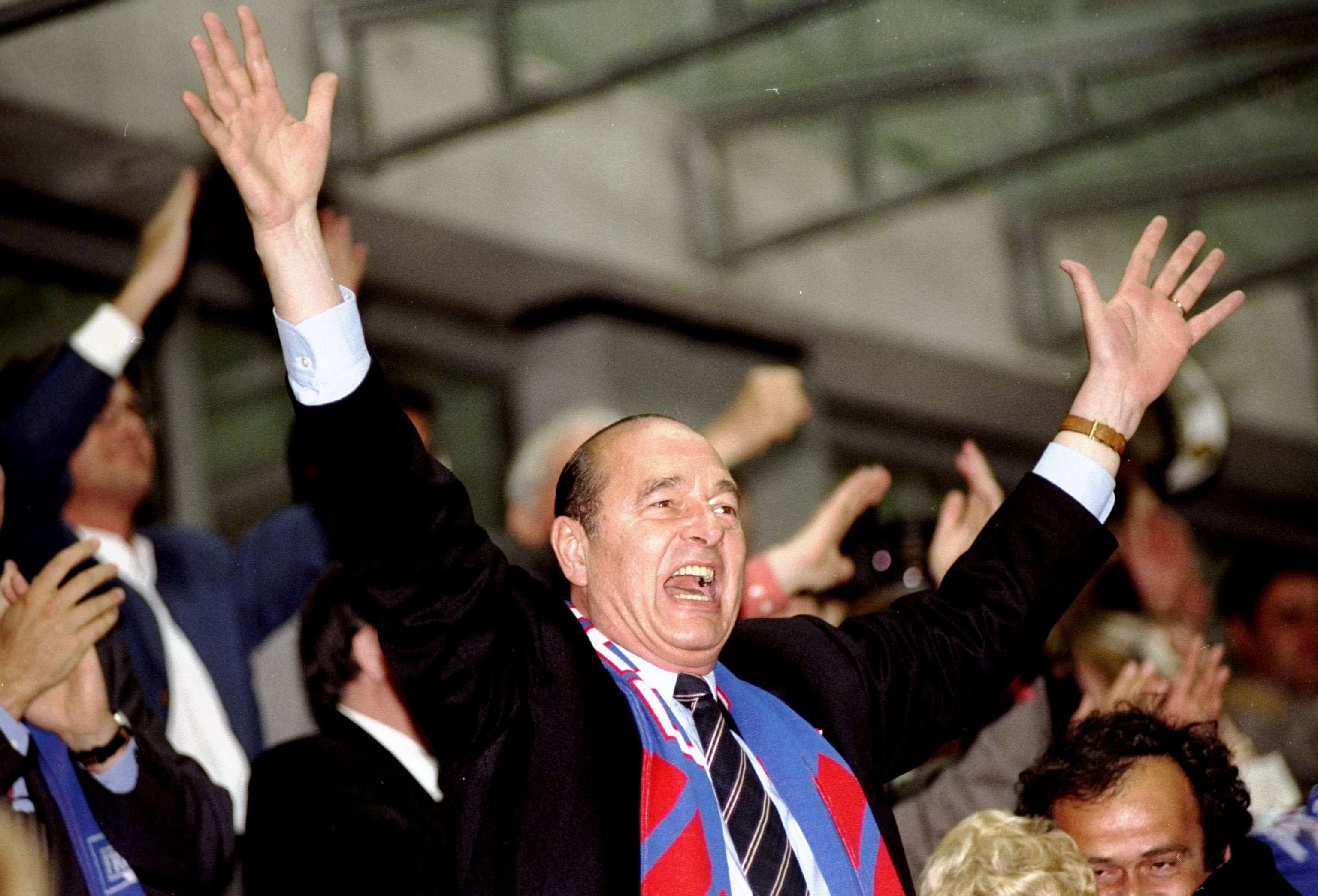
Twenty years later, I remember being at the 1998 semi-final between France and Croatia and, at the moment the whistle blew to signal the home nation’s progress to the final, seeing a right commotion in the box from which the live television presentation was being beamed. It was president Jacques Chirac elbowing his way at warp-factor speed to position himself in front of the cameras. What he wanted was for some of the gloss of glory to rub off on him there on the national news.
Trump can’t wait for such a chance. Which is why even the talk of a boycott is a reminder that politics is about more than threatening to occupy allies’ territory and kidnapping other national leaders. Even if only a few countries refused to participate, it could turn out to be the most effective way of getting him to take seriously the mounting worldwide concern about what is happening inside America under his administration.
Though anyone hoping for such action will likely be disappointed. Ahead of every World Cup, there are calls for political action. In 2018, the tournament took place in Russia – a country that had illegally occupied Crimea, turned doping into a competitive sport, and gleefully dispatched its most notorious hooligans to cause mayhem during someone else’s competition – and nobody stayed away.
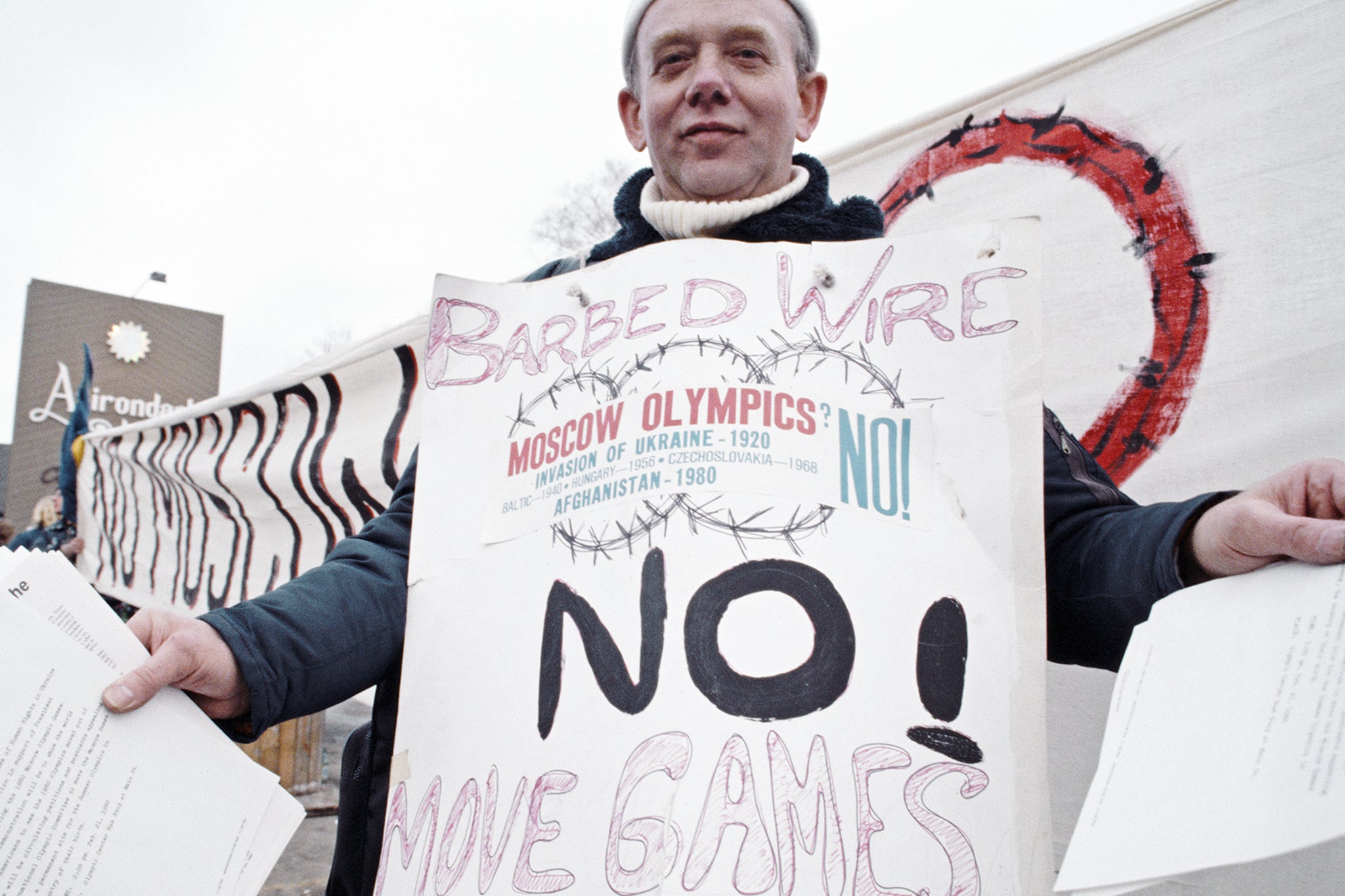
Likewise in 2022, any distaste for a medieval theocracy that executes gay people and allowed foreign workers to die by the score building stadiums was put aside as everyone flocked to Doha. There, the only form of protest dreamed up by an England team claiming affiliation with more civilised values was wearing a captain’s armband in the colours of the LGBT+ flag – an idea quickly abandoned the moment it became clear anyone doing so would be booked. It was less standing up for what is right and more the feeblest of climbdowns.

The idea that anyone will stay away from the World Cup 2026 remains fanciful. It won’t happen. Whatever the provocation, there will be no leader instructing their national team to withdraw. The French government has already said it is not in favour of a boycott, with its sports minister, Marina Ferrari, saying: “I am one who believes in keeping sport separate [from politics]. The World Cup is an extremely important moment for those who love sport.”
The Danish Football Association, meanwhile, said it is “aware of the current sensitive situation”.
While there is no denying that a World Cup boycott would be the most forceful and personal way to demonstrate distaste for the current occupant of the White House, far more important to beleaguered leaders such as Starmer, Emmanuel Macron and Friedrich Merz, is the opportunity the tournament presents to associate themselves with success. What such a photo-op might do for their domestic standing is worth far more than any ethical stance.
In that way, they will absolutely follow the Trumpian playbook.
Join our commenting forum
Join thought-provoking conversations, follow other Independent readers and see their replies
Comments
Bookmark popover
Removed from bookmarks