PSR is finally dead – How the Premier League’s new financial rules benefit the elite
Profit and Sustainability rules will be replaced with the new Squad Cost Ratio for the 2026/27 season, but there are concerns over its impact on the Premier League’s ‘middle class’

If the January window was unusually quiet – given the money in the Premier League – part of the reason is explained by the noise in some of the boardrooms. One big club actively wanted to spend and felt they could comfortably do so within next season’s new Squad Cost Ratio (SCR) rules, but didn’t want to risk it as it could bust them through this season’s Profit and Sustainability Rules (PSR).
The concerns show the “layer of acronyms” – to quote one source – the Premier League is now working through, before next season’s switch to the new rules. Whether it adds more layers or even increases financial stratification is still the subject of considerable debate.
An argument pervades that SCR favours the richest clubs and those owners most willing to spend.
The November 2025 vote, where SCR passed by the narrowest margin possible at 14-6, was already seen as one of the most important in Premier League history. It may yet be viewed as a hinge moment in its future.



It is at least instructive that virtually all of the Premier League’s recently admired middle class – Bournemouth, Brentford, Brighton, Crystal Palace – voted against SCR. Their progress had been seen as a sign that PSR was working, despite so much debate.
That debate played into an arduous process to actually get SCR through, after a long political logjam. The Premier League hierarchy was jokingly described as “popping champagne corks” once SCR passed, although such celebrations may have been down to finally getting a major vote through.
Among the multiple reasons the rules were changed was the long debate over PSR – especially as regards the perception that it limited “ambition” – and the fact SCR is already used by Uefa. As such, a lot of clubs are already accustomed to it.
Summed up, SCR will now allow Premier League clubs to spend 85 per cent of all football-related revenue and player sales on the pitch. It also features a “luxury tax” element, where clubs can spend an extra 30 per cent, with any fines going to those who comply. Breaching that 115 per cent threshold would bring sporting sanctions. Unlike PSR, too, calculations will be made on an annual basis, rather than over three years.
For all the talk of aligning with Uefa, though, there are some significant differences. One is that the European threshold is a much more stringent 70 per cent. Another is that Uefa still operate a form of PSR alongside SCR, not one or the other.
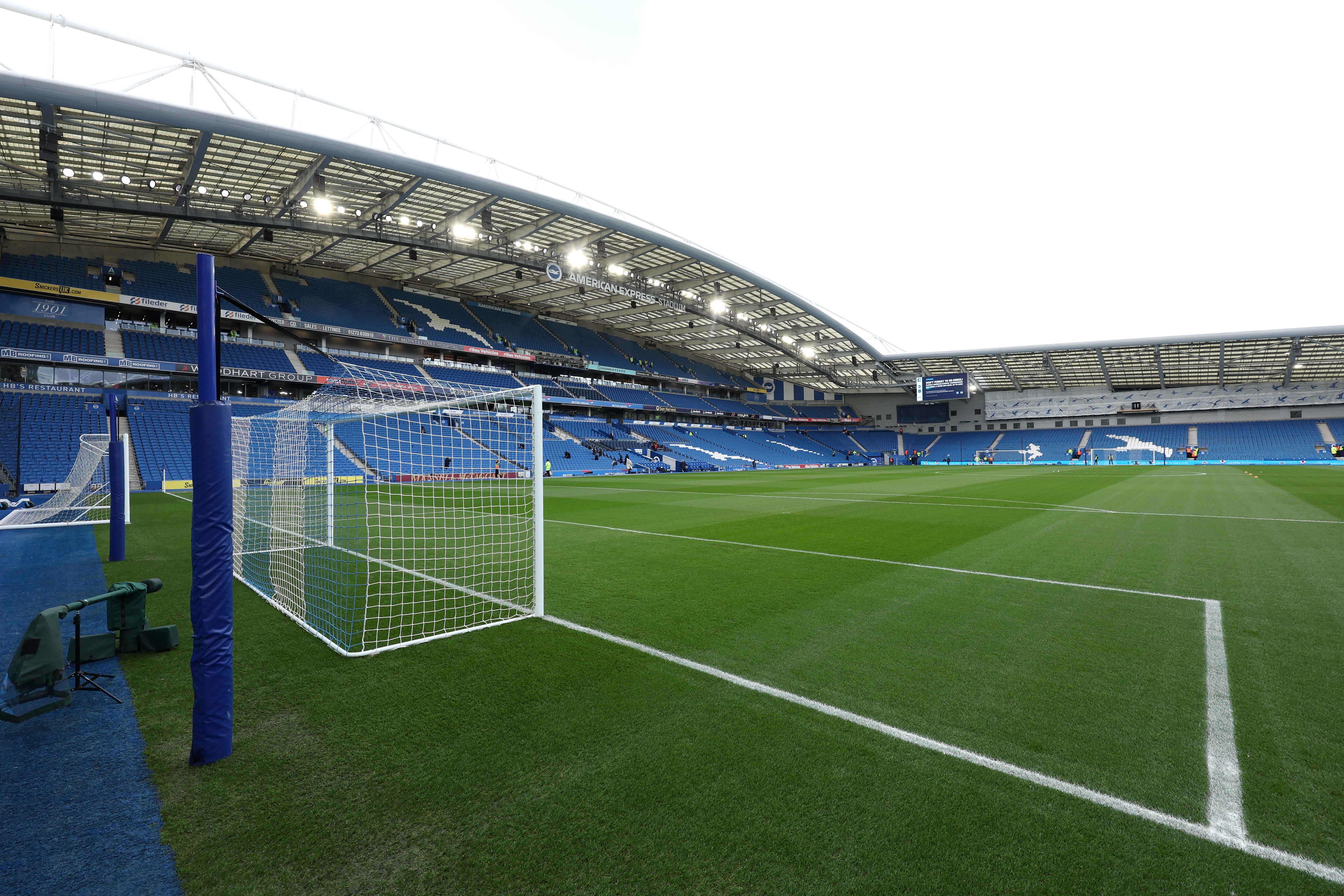
The Premier League was supposed to have more restraints in its so-called “anchoring” regulation. This would have ensured that the wealthy could spend no more than a multiple, planned to be five, of the revenue of the lowest-earning club.
It failed to get through, and that by 7-12, with one club abstaining: one of the biggest ever defeats for a proposal put forward by the executive.
Numerous Premier League sources say the response to this was the opposite of champagne corks popping. There was actually considerable disappointment, especially as staff had been working for years to figure out exactly the right formula for anchoring. A lot of work had gone into it. Without it, sources close to the middle classes of clubs feel it will be much harder for them to keep up.
This can arguably be discerned in projections of how the rules will work, especially as regards those who have made a virtue of selling to gradually rise up the table; the more organic buy-to-sell model. The middle classes now believe SCR’s “real-time” assessments will bring greater pressure to sell more quickly, in order to stay compliant. Again, the argument is that they serve the wealthiest.

That is admittedly tempered by research from the University of Liverpool, which shows SCR in this form might ensure the old “big six” get a reduced share of the points. This would show a greater competitive balance than the old PSR in that specific sense, and that is borne out in future projections and thousands of simulations. The greater share, however, may just go to those clubs with wealthier owners.
The middle classes insist the reality of how they work will now be different, after all. That is why there is still a residual curiosity as to the politics of how those votes were passed.
There was an insistence that “anchoring” go to a vote first, despite an awareness that it was likely to be defeated. Sources say some horse-trading on the day then ensured that SCR just about passed. Hence, the view that it was wealthy clubs and owners coming together. Some executives have even taken to describing it as “Orwellian”.
“The big clubs weren’t interested in competitive balance at all,” one source claims.

Such a stance has previously been described within the Premier League as “the Ferran Soriano view”, given how open the Manchester City chief executive has been about wanting more money to go to his club, but the idea that big clubs should be able to spend more has also been eagerly taken up by the Sir Jim Ratcliffe hierarchy at Old Trafford. Almost immediately after the minority stake was purchased, senior figures were complaining about restrictions. The two Manchester clubs together strongly opposed anchoring and were helped by the threat of legal action from the Professional Footballers’ Association.
This is also where there is frustration at how SCR wasn’t put to a vote until it was pretty much known that anchoring was “dead in the water”. Not only that, but anchoring was only supposed to be provisional and had a sunset clause of four years.
This could lead to other tangible effects, like what one executive describes as “potential sclerosis in the system”.
Whereas the middle-tier clubs were generally able to buy before they sold under PSR, that will now be flipped. They will have to sell before they buy. The feeling is that it will accelerate a trend of transfers being made for regulatory decisions rather than football decisions.



On the other hand, it may well serve some of the clubs that most bristled against PSR, such as Newcastle United and Aston Villa.
The Premier League’s own statements did have the pointed line about “promoting the opportunity for all of its clubs to aspire to greater success”. The competition also believes the higher threshold will aid those outside European competition, but that tends to only be around half the 20 clubs these days – and it usually isn’t those who are buying to sell.
There remains the possibility that anchoring will be revisited at some point, but it’s hard to see when or in what form. It is currently not on the table.
PSR, meanwhile, is finally gone. January was its last window. It may not be the last of such debates, though. That noise may yet get louder.
Join our commenting forum
Join thought-provoking conversations, follow other Independent readers and see their replies
Comments
Bookmark popover
Removed from bookmarks