Winter Olympics 2026: Can transgender athletes compete and what are the rules?
The IOC is moving closer to a blanket ban on transgender athletes under the presidency of Kirsty Coventry
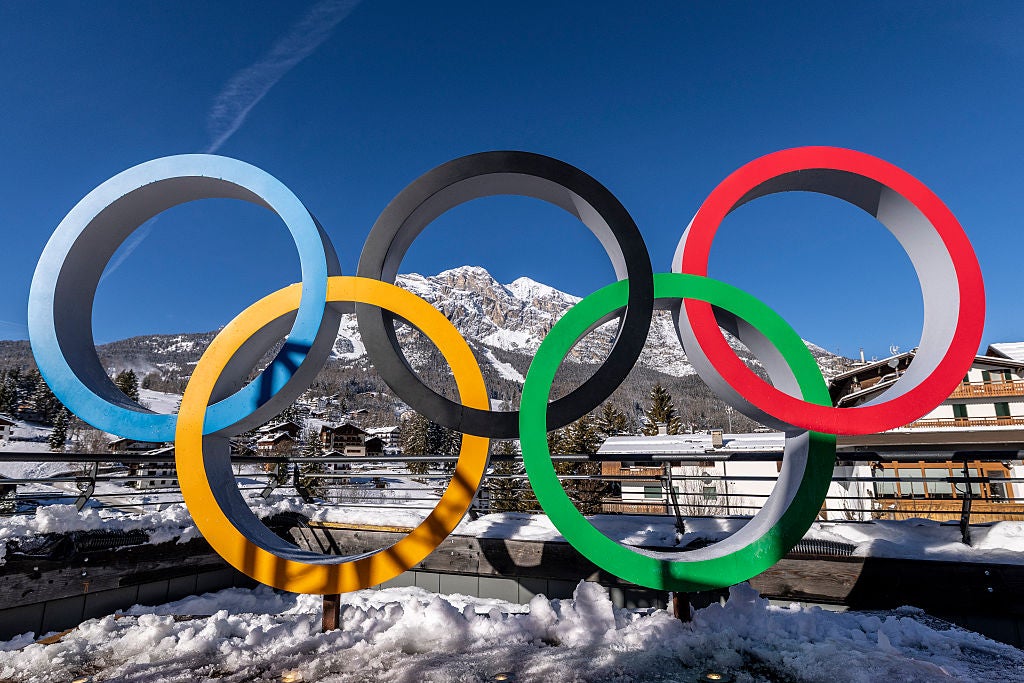
The last Olympic Games, Paris 2024, was memorable as much for a major row over gender eligibility as it was for its sporting action.
A furore erupted over the status of two boxers, Algeria’s Imane Khelif and Taiwan’s Lin Yu-ting, who were suspended by the disgraced former governing body, the International Boxing Association (IBA), for having allegedly failed gender eligibility tests.
The International Olympic Committee (IOC), which had stepped in to run the Olympic boxing tournament, cleared both women to compete in Paris, despite opposition from some quarters, and both won gold medals.
The fallout from that high-profile row lasted long after the Games themselves, with several governing bodies tightening their gender eligibility rules and the IOC since opting to take a firmer stance.



Can transgender athletes compete at the Olympics?
Former president Thomas Bach avoided expressing a firm stance on the topic and the IOC did not have a blanket criteria for gender eligibility during his tenure, allowing individual governing bodies to form their own policies.
In 2021 a 10-point document of guiding principles was released. One of those principles says “no athlete should be subject to targeted testing because of, or aimed at determining, their sex, gender identity and/or sex variations”, while another says that gender eligibility restrictions should be “evidence-based”.
But the IOC faced widespread criticism for how it handled the boxing row in Paris and for its perceived failure to lead on the topic, and under new president Kirsty Coventry, who was elected last March, new rules are expected.
Coventry said in June 2025 that measures to protect fairness of competition in the female category had the “overwhelming support” of IOC members.
“We understand that there will be differences depending on the sports, but it was fully agreed that as members and as the IOC, we should make the effort to place emphasis on the protection of the female category,” she said.
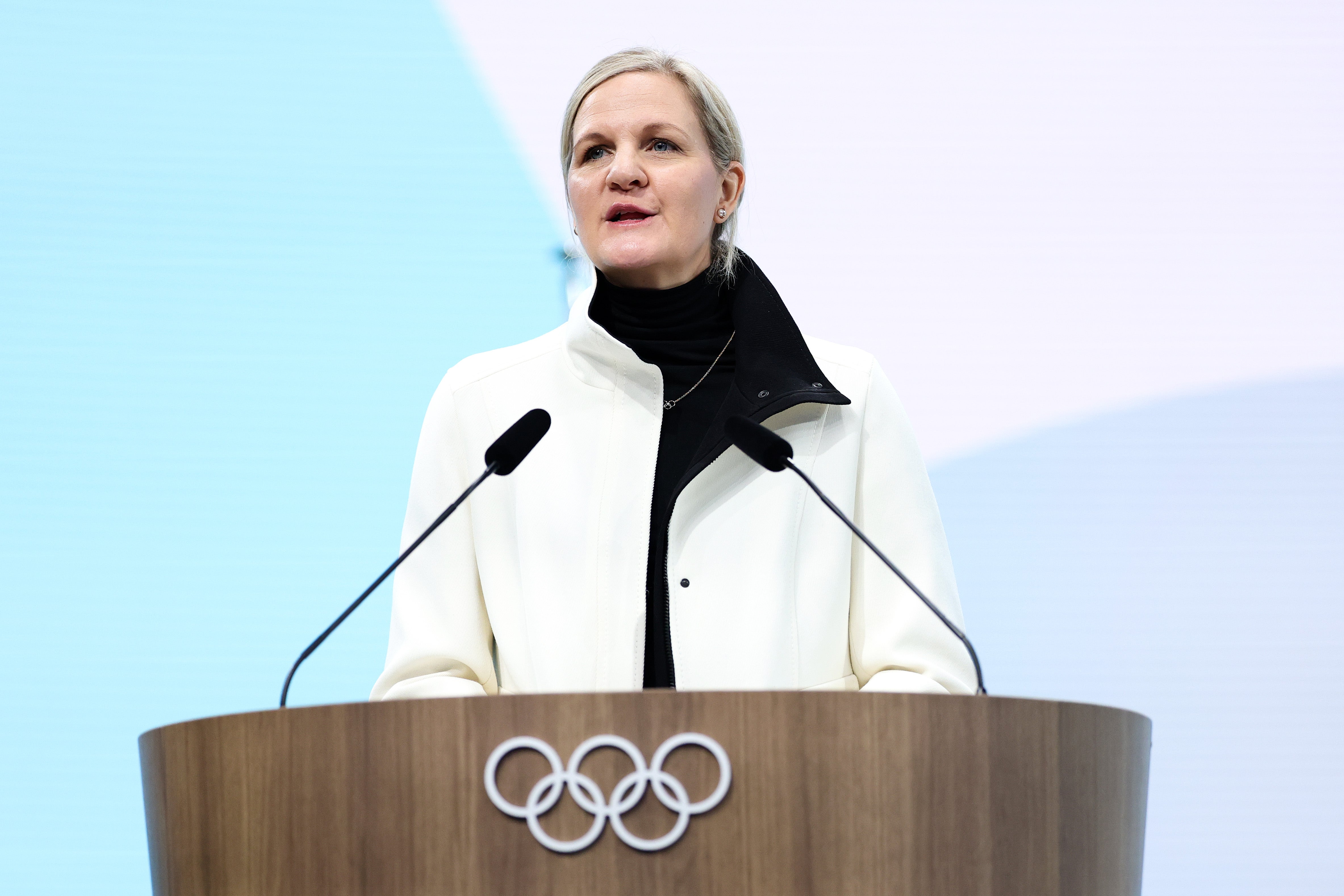
A working group was set up to establish a clear stance and rules governing women’s sport, and in December the IOC set a target of early 2026 to bring in a new policy on gender eligibility.
But it has not produced any official criteria or announcements yet and it looks unlikely that any will be brought in before the start of the Winter Olympics, which begin on 6 February.
“I am really hopeful that in the next couple of months, and definitely within the first quarter of next year, that we will have a very clear decision and way forward,” Coventry said in December.
It therefore seems that as at previous Olympics international sporting federations will be able to determine gender eligibility based on their own pre-existing rules.
Join our commenting forum
Join thought-provoking conversations, follow other Independent readers and see their replies
Comments
Bookmark popover
Removed from bookmarks