Where else should we explore while staying in Genoa?
Simon Calder answers your questions on day trips around the Ligurian Riviera, expanding cabin bags, and getting your train ticket stamped on the continent


Q What day trips would you recommend from Genoa?
“Ten Obcy”
A The Ligurian Riviera, with Genoa at its heart, offers a vast amount to the traveller, including some of Italy’s finest food. The city itself is worth a solid 48 hours: make the most of the magnificence created by maritime wealth over the centuries. Then take advantage of the excellent coastal railway, which offers both dramatic views and easy access to some lovely locations.
My expertise is mainly in the east of Genoa. Start at Camogli: a superbly located fishing port turned resort with a fine backdrop. Next along: Santa Margherita Ligure, and Rapallo. These two towns are far more appealing than impossibly over-visited Portofino. Try to choose a day when cruise ships are calling to enjoy excellent coastal walks.
The fastest trains from Genoa take just over an hour to the best part of the east coast, in my opinion: the Cinque Terre (“five lands”). These pretty waterside villages – Monterosso, Vernazza, Corniglia, Manarola and Riomaggiore – are ranged along nine miles of the spectacular shoreline of Liguria, linked only by rail and footpaths.
The line continues to La Spezia. This port city is full of interest – scenic, cultural and culinary – and just a bus ride away from Portovenere, where St Peter’s Church is superbly located on a rocky outcrop. Going west from Genoa towards the French border, Alassio comes highly recommended. It faces east, so is especially scenic early in the morning. If you have not yet booked your flights, you could even fly “open jaw”: out to Genoa, back from Nice.
Then you could round off your trip with a visit to the elaborate hillside Hanbury Botanic Gardens, and even try your luck in Monte Carlo en route to the French airport. Finally, you can also find interesting towns and spectacular scenery by heading inland. I particularly like Acqui Terme – 100 minutes away from Genoa, and built around sulphurous springs by the Romans.
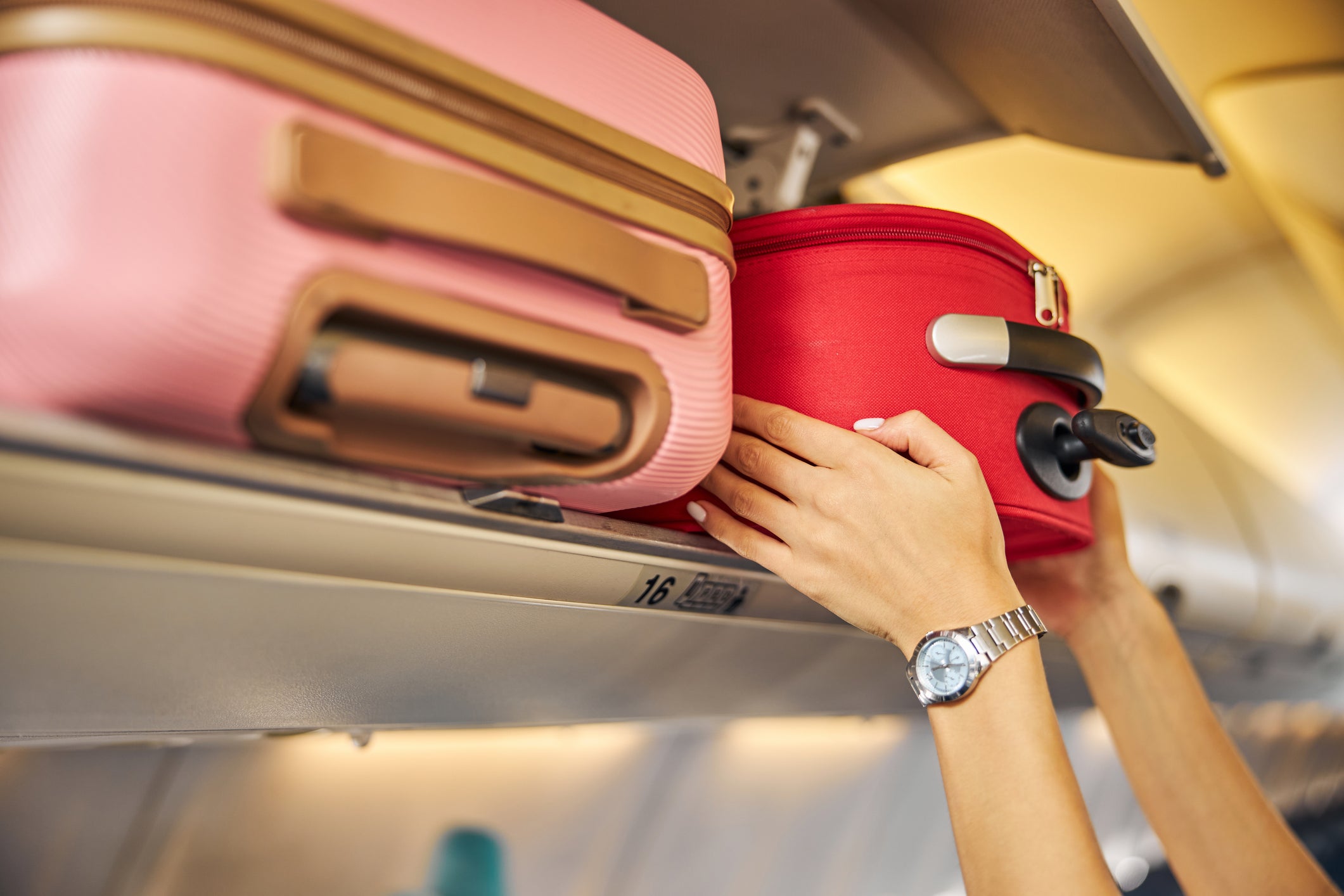
Q I am an infrequent user of the budget airlines. I was amazed to see that “large” cabin bags are now a thing! While booking an easyJet flight, I found I had paid for one inadvertently, but then discovered I was also entitled to Speedy Boarding. Have the rules changed?
Anthony S
A Yes, and I can carbon-date the change to 10 February 2021. On that date, easyJet followed Ryanair and Wizz Air in sharply reducing the volume of the bag that can be brought into the aircraft cabin without paying extra. The aim: to monetise the roll-along cases that so many passengers travel with.
As you might expect, the airlines portrayed the shrinkage as a passenger benefit; easyJet said at the time: “The limited overhead locker space on aircraft has meant that customers can’t always be certain they will have their cabin bag onboard with them. The new policy will also reduce queue times during boarding and other associated delays which occur due to putting excess cabin bags in the hold and so the move will lead to improved punctuality.”
To be fair, the budget airlines were really suffering financially. The change took place during the most extreme Covid travel ban: the 19-week prohibition on holidays abroad that began in January 2021. With almost no one travelling, plenty of people failed to spot the reduction in volume and the corresponding increase in cost for anyone with bigger baggage ambitions.
The Speedy Boarding benefit is a consequence of the policy. If people have paid extra to bring a roll-along case, they expect to be able to place it in the overhead bins. Allow them on first, and those of us who choose not to pay extra will not have surreptitiously used up all the space with bags that should really go under the seat.
In terms of pricing, though, things have now reached a ridiculous point. For the next few weeks, there are plenty of easyJet flights from Glasgow to Luton or Stansted for £21. Should I care to bring a large cabin bag, the extra cost is £31. Yes, £10 more for a reasonably compact inanimate object than for an actual person. No wonder the European parliament has voted overwhelmingly to force airlines to allow passengers to bring a roll-along bag for free. If the rule goes through, we will be back to a rather messy square one.
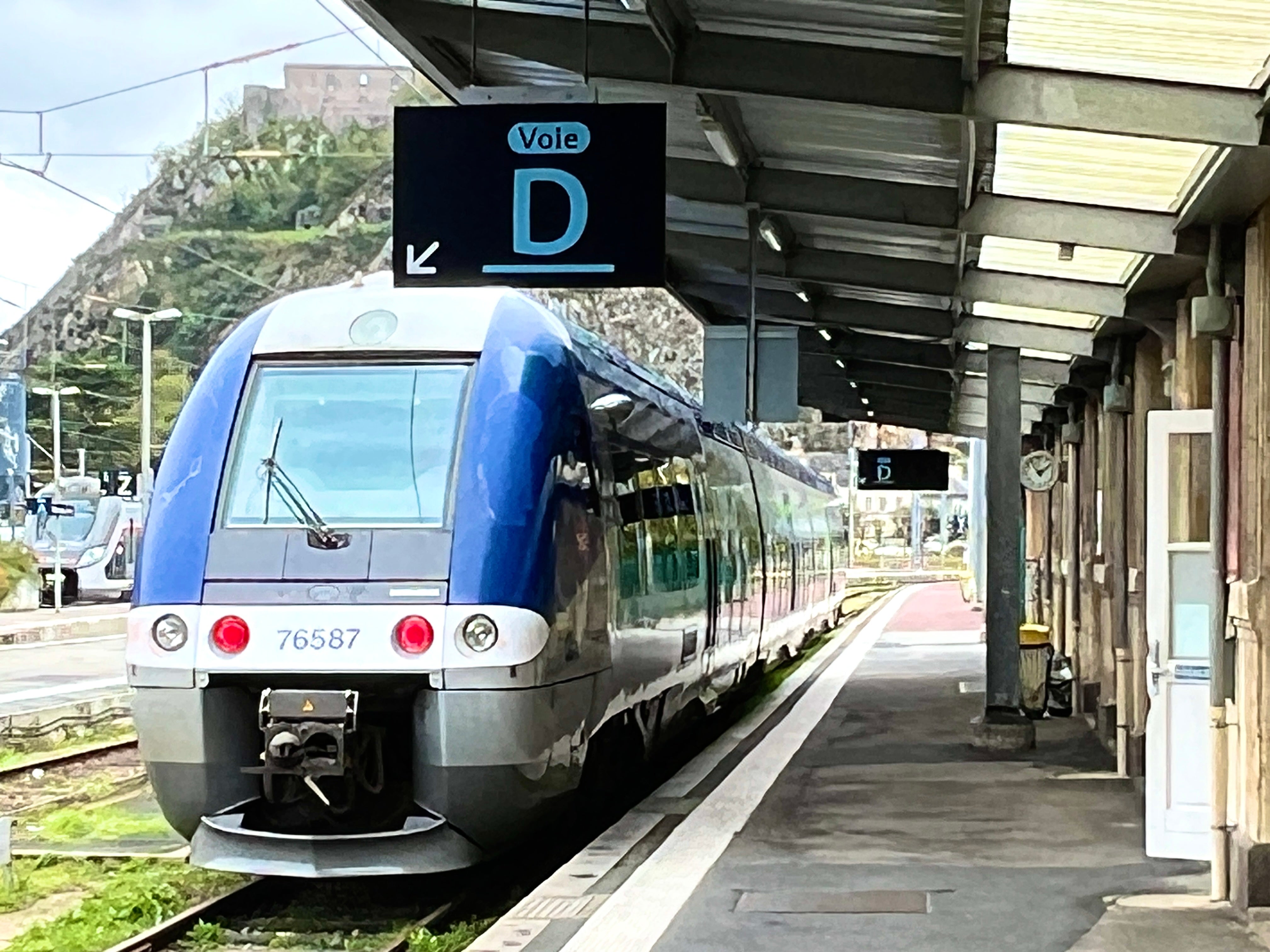
Q A quick question about train travel in Europe: physical tickets usually have to be validated by a machine on the platform or on the train. How does that work if tickets are on your phone on the Trainline app?
Dave L
A The only nations in which I have had to stamp a paper ticket to make it valid for travel are France and Italy. But in both countries, the practice is rapidly becoming a minority sport.
The requirement to validate (composter in French, convalidare in Italian) arose because of the unusually flexible nature of standard paper tickets. The excellent Mark Smith – the international rail guru known as The Man in Seat 61 – explains: “Many regional tickets are or were issued as open tickets good for a month on any train, and they could be fraudulently re-used multiple times over that month. So you have to stamp the date and time on it in a validator machine before using it. Then you can’t re-use it tomorrow or next week.”
As many British travellers have discovered to their cost over the decades, failing to stamp your ticket is regarded as tantamount to fare-dodging – with harsh financial penalties often issued for inadvertent offenders. Fortunately, the era of accidental transgressions is drawing to a close.
Typically on French Railways I book an e-ticket for a regional train (as opposed to an intercity or TGV express) as I walk to the station. It will normally state the next available departure, and is clearly marked as valid only for the current date. That happens both on Trainline and direct bookings. SNCF confirms: “There is no need to validate your e-ticket on the platform.”
In Italy, meanwhile, regional tickets bought online through the excellent Trenitalia app have a novel method of operation. You will be offered a specific train, which you can change online to another service if you so wish. But, says Smith: “It will automatically ‘check you in’ at the departure time of the train you have left it set to – rendering the ticket used.” Most travellers are content to catch the train nominated by their online app – and simply need not fret, either in France or in Italy.
Email your question to s@hols.tv or tweet @SimonCalder
Join our commenting forum
Join thought-provoking conversations, follow other Independent readers and see their replies
Comments
Bookmark popover
Removed from bookmarks