Havila Voyages set to operate the world’s longest climate-neutral cruise this autumn
‘Technology exists, and the opportunities are there’ – Havila Voyages has unveiled plans to make its Norwegian coastal cruise fleet more climate-friendly
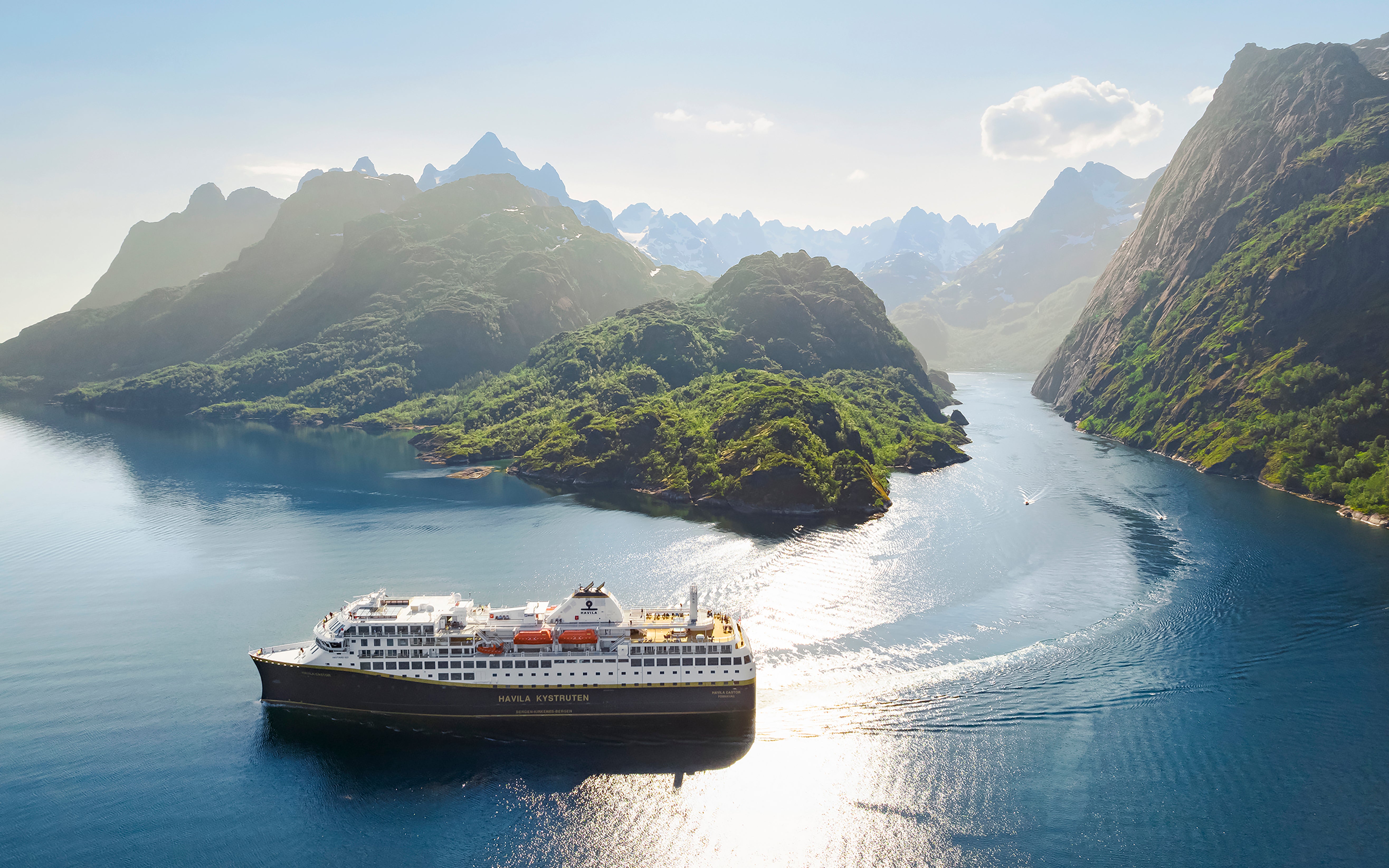
Havila Voyages has outlined plans for an industry-first 12-day climate-neutral cruise this year.
The Norwegian cruise line’s ships can already sail emission-free for four hours using battery packs but the brand is now working with marine technology provider HAV Group to ensure its coastal route fleet that sails roundtrips from Bergen to Kirkenes will be climate neutral.
This is different from carbon neutral as it includes all greenhouse gases and other regional climate impacts, such as the supply chain, beyond just balancing the removal of carbon dioxide production.
MSC Euribia already completed a five-night climate-neutral sailing from St Nazaire to Copenhagen in 2023. Havila Voyages is hoping to use biogas and larger battery packs to be ready for a 12-day climate-neutral voyage along the Norwegian coast this autumn. This would be the longest climate-neutral passenger cruise.
Read more: The best Norwegian fjords cruise holidays
Speaking at the annual Arendalsuka political and social conference in Norway last week, Bent Martini, chief executive of Havila Voyages, said: “Right now, we are in the planning phase to test a full round voyage on the coastal route this fall, using biogas in combination with our large battery packs.
“We are in dialogue with suppliers to secure sufficient volumes to be able to fill the tanks 100 per cent with biogas, and we believe we will succeed.”
If successful, Havila Voyages would be able to sail more than 5,000 nautical miles, the entire 12-day coastal route “climate neutrally,” he said.
Havila Voyages said it is also on track to operate its 12-day coastal route sailings emission-free by 2030.
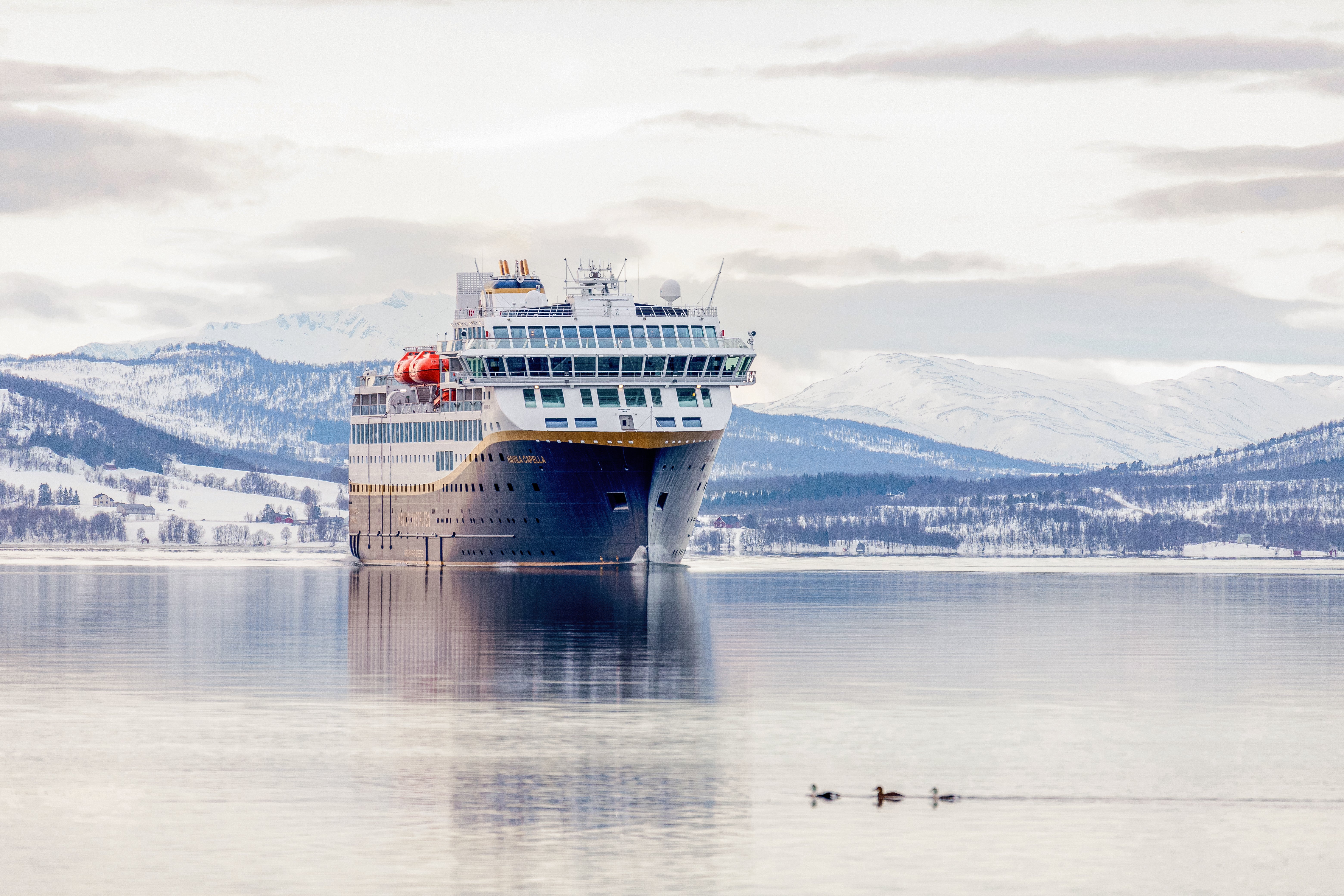
Martini added: “If Norwegian authorities are serious about their environmental ambitions, the ships on the coastal route can be a beacon for the green transition in shipping and create synergies for other parts of the industry.
“Technology exists, and the opportunities are there. It’s about the willingness to make the necessary investments. With strict environmental requirements from the authorities, those who want to operate the coastal route will be forced to deliver.”
The move comes as cruise brands are taking steps to make their ships more environmentally friendly.
Viking is currently working with shipyard Fincantieri in Ancona, Italy, to build the world’s first hydrogen-powered cruise ship called Viking Libra.
The ship, set for delivery in late 2026, will have a hybrid propulsion system that uses liquified hydrogen to power a PEM, or polymer electrolyte membrane fuel cell system.
This technology will produce up to six megawatts of power – enough to typically power smaller ships – and provide the capability to navigate with zero emissions, plus access to more environmentally sensitive areas.
MSC Cruises’ two newest ships, World Europa and World America as well as MSC Euribia, are powered by liquefied natural gas (LNG), a greener form of fuel.
Expedition cruise brand Hurtigruten is also currently working on a zero-emission cruise ship to launch in 2030, which will be powered by a 60-megawatt battery pack.
Read more: The best northern lights cruises
Join our commenting forum
Join thought-provoking conversations, follow other Independent readers and see their replies
Comments
Bookmark popover
Removed from bookmarks