Trump urged to scrap social media proposal that could hit millions of foreign tourists
Democratic senators want Trump to drop his plan that would require foreign visitors to disclose their social media handles
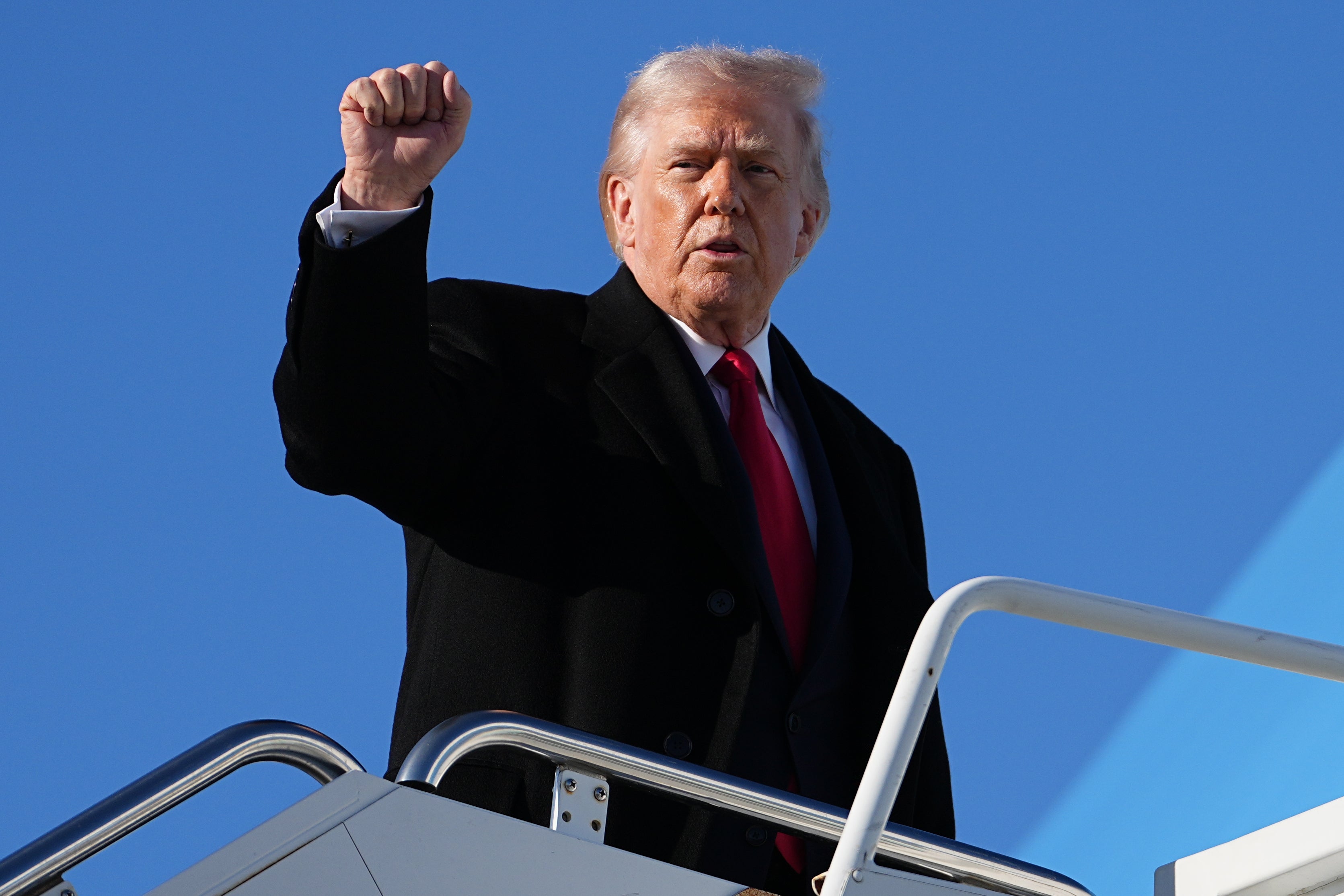
The Trump administration is facing calls to abandon a proposal that would require millions of foreign visitors to disclose social media handles used over the past five years.
Two Democratic senators urged the government on Friday to drop the plan, which would affect travellers from countries participating in the visa waiver programme.
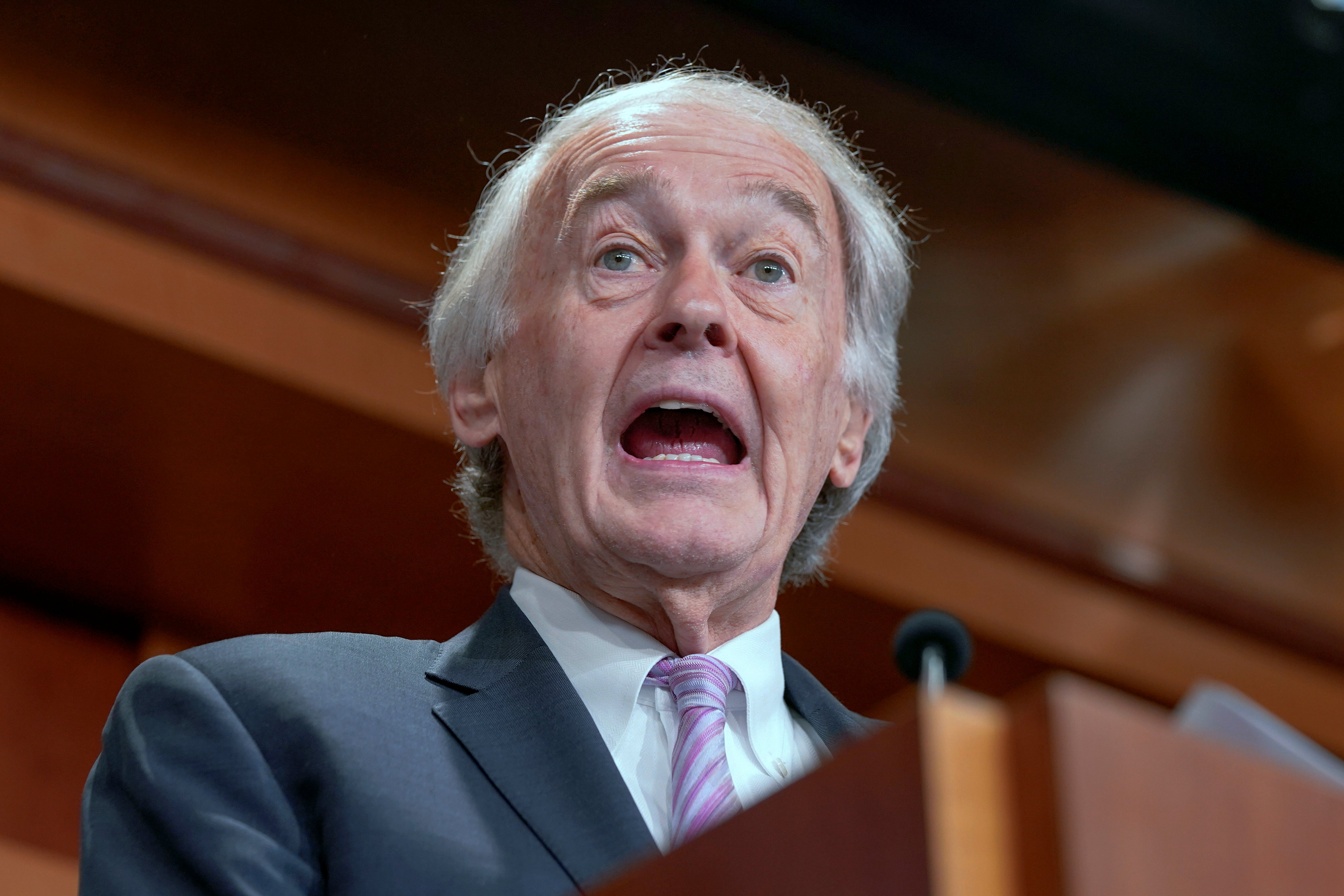
Senators Ed Markey and Ron Wyden criticized the proposed policy from US Customs and Border Protection, stating: "By requiring travelers to disclose their personal social media information, CBP will force people who simply want to visit family in the United States, conduct business with U.S. companies, or attend events such as the upcoming World Cup to submit to sweeping digital surveillance."
They added, "No doubt many Americans would be outraged if countries such as Great Britain, France, or Australia imposed a similar policy on American tourists."
The Department of Homeland Security has not yet commented on the matter, though it indicated in December that the proposal could be implemented as early as this month.
Concerns have also been raised by the U.S. travel and tourism industry. A representative group warned that the policy could have a "chilling effect" on visits to the United States.
The US Travel Association stated: "If we get this policy wrong, millions of travelers could take their business and the billions of dollars they spend elsewhere, only making America weaker."
Applicants for immigrant and non-immigrant visas have been required to share similar information since 2019.
The proposed tightening of vetting for foreigners stems from a Trump executive order issued in January 2025, which called for visitors to the U.S. to be "vetted and screened to the maximum degree."
The visa waiver programme allows citizens from 42 countries, predominantly in Europe, to visit the U.S. for up to 90 days without a visa.
These travellers must complete an Electronic System for Travel Authorization (ESTA) form, which would include the social media handle requirement under the new changes.
Further proposals under consideration include mandating all email addresses used over the last decade, along with names, birth dates, residences, and birthplaces of parents, siblings, children, and spouses.
Separately, the U.S. State Department announced in December that H-1B applicants and their dependents must adjust their social media privacy settings to "public" to allow for review of their posts.
Join our commenting forum
Join thought-provoking conversations, follow other Independent readers and see their replies
Comments
Bookmark popover
Removed from bookmarks