The Independent's journalism is supported by our readers. When you purchase through links on our site, we may earn commission.
Why you should swap hectic Marrakech for authentic and laidback Rabat
Unesco-listed Rabat is fast becoming a favourite among those seeking a different Moroccan experience, Kate Wickers discovers as she indulges in north African cuisine, explores the medina and wanders through narrow streets of white-washed houses

Tucked away in the Kasbah des Oudayas, in Rabat, Morocco’s capital city by the sea, I bite into a pastilla (a delicious mix of shredded chicken, almonds, cinnamon, saffron and honey encased in buttery, flaky pastry).
I’m in Dar El Karam Fatima, a family-run café with outside seating on a higgle-piggle of rooftop terraces. My view is of the river Bou Regreg at the mouth of the Atlantic Ocean, where flouka (wooden row boats) ferry goods and passengers between Rabat and the 10th-century city of Salé that lies on the opposite bank.
“Take your time, Madam,” is the invitation from my fez-wearing waiter.
This is good advice because Rabat is not a hectic place and is best enjoyed at a leisurely pace. Long overshadowed by exotic Marrakesh (now regarded by many as more hassle than hip), Unesco-listed Rabat is fast becoming a favourite with those seeking a more authentic Moroccan experience. There’s much more to the city than being the seat of government, and the white-washed 12th-century Kasbah is a good starting point, where stray cats prowl under flower-filled balconies, creating an unexpected Greek island vibe.
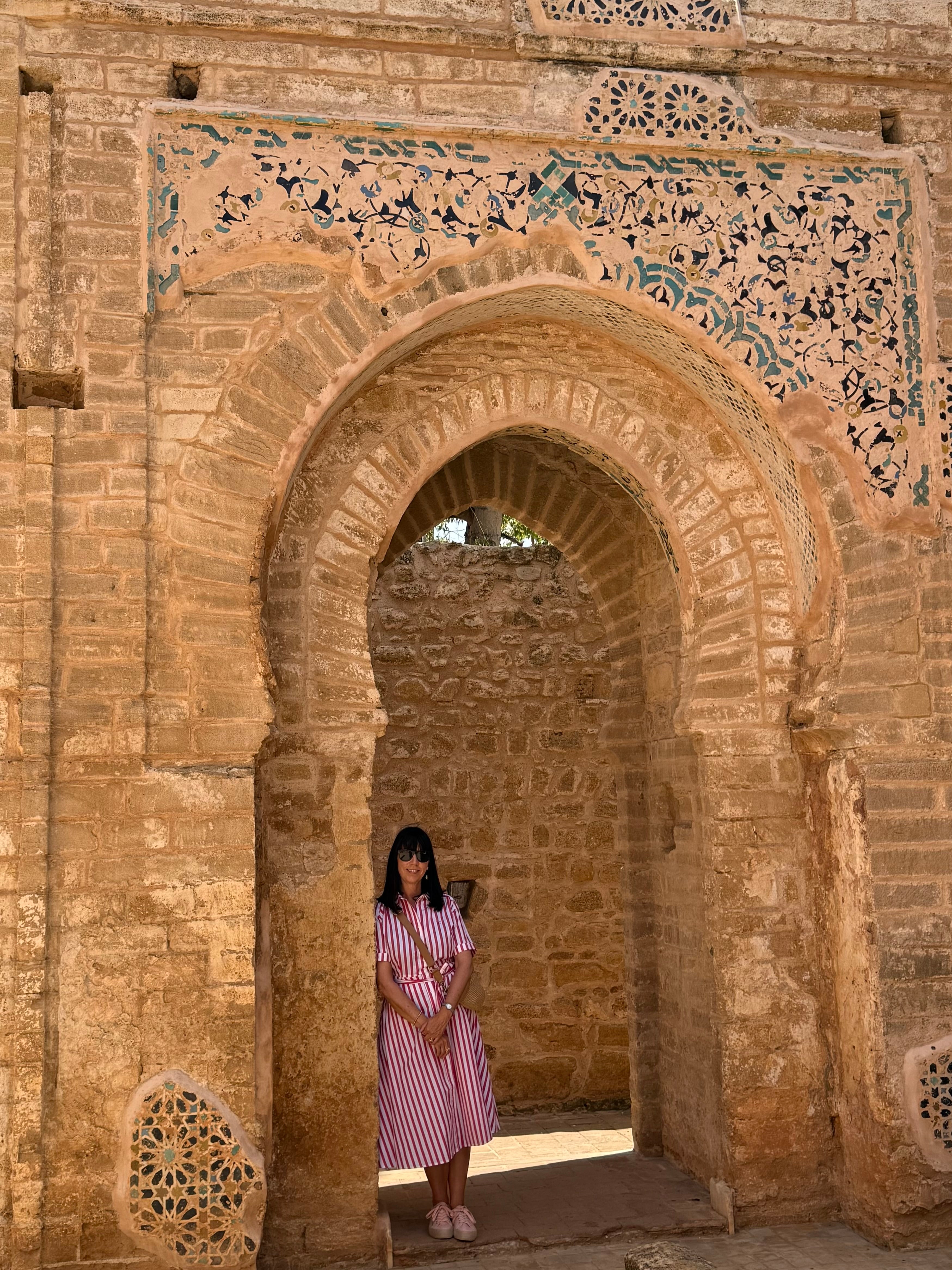
What is purely Moroccan is the enormous horseshoe-shaped, rose-hued stone gate of Bab Oudaia, built in 1195, which I pass through to wind down through car-free streets to the citrus-blossom-scented Andalusian Gardens, planted under French protectorate in the early 20th century.
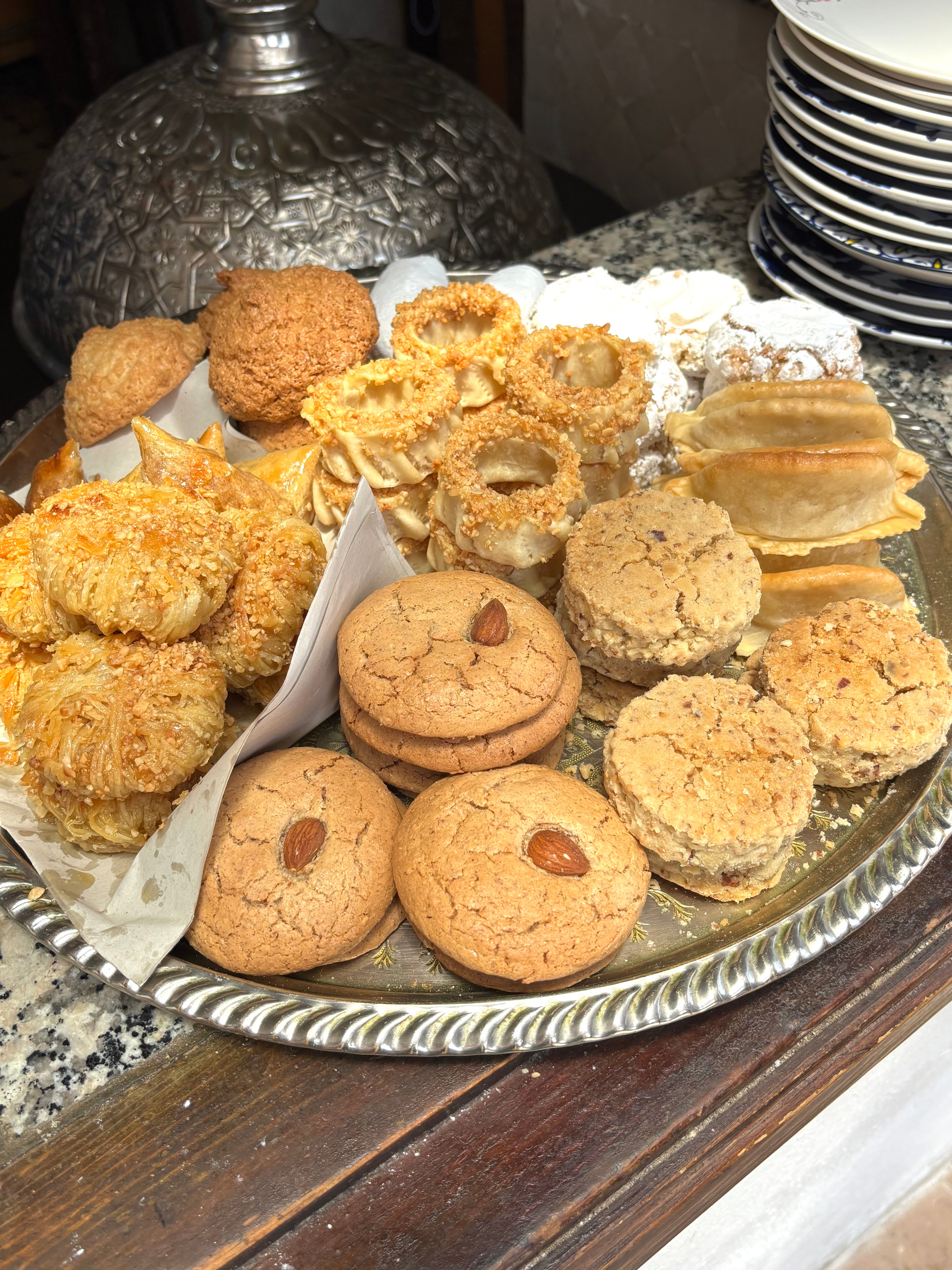
Under pergolas dripping with bougainvillaea, locals give much-appreciated attention to vagrant moggies while taking respite from the midday sun. In a 17th-century pavilion in a corner of the gardens, the National Jewellery Museum boasts a fine collection of Moroccan jewellery from traditional Berber adornments to a royal collection donated by King Mohammed VI. Next to the gardens, Café des Oudayas is another lovely place to while away time eating coconut macaroons and almond-filled pastries.
Read more: Overland from Margate to Marrakech: An art-filled journey across France and Spain
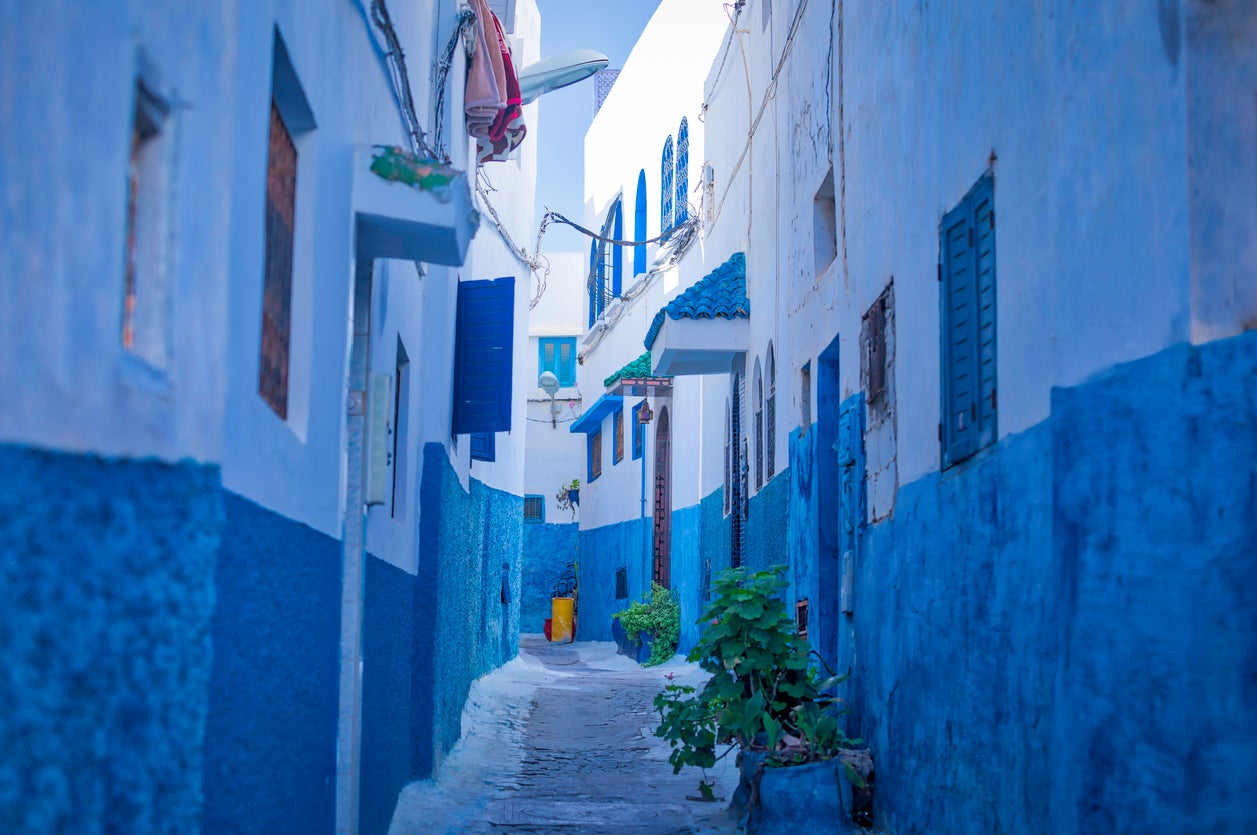


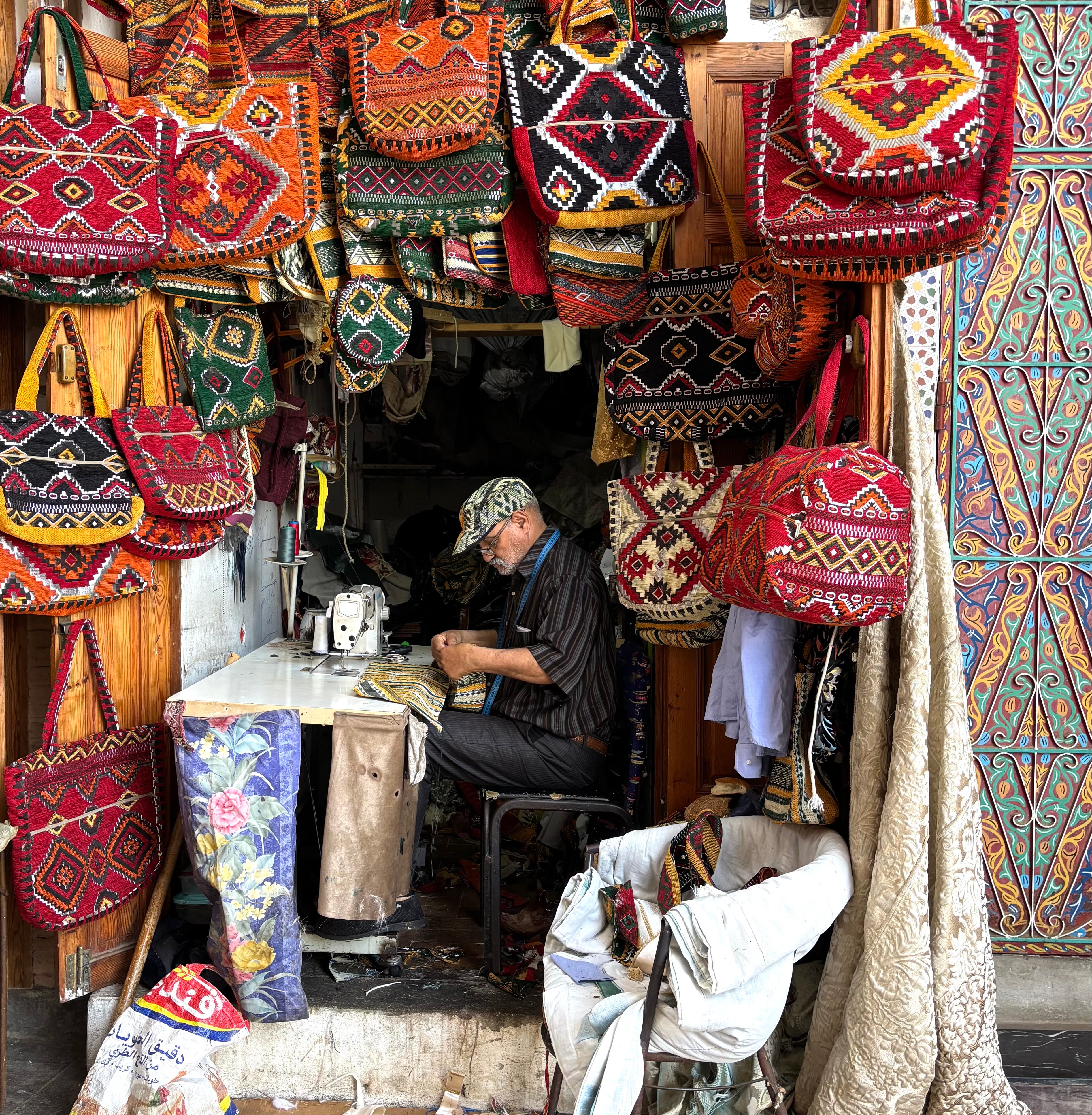
From here, it’s just a short stroll into the medina, which was built on a grid in the 17th century, making it wonderfully easy to navigate. Rue des Consuls is the busiest thoroughfare, lined with small stores selling artisanal goods – leather sandals, ceramics and hand-woven rugs are all great buys – but without the usual, constant plea from shopkeepers to “just look”.
Close to the Marche Central, I follow my nose into a narrow alleyway where chefs are making mixte – a tasty blend of turkey, beef sausage, onions and peppers, sizzled on a grill before being stuffed into pitta, and at the fish market I sample the popular snack of fried mashed potato and sardine balls, known as maaqouda.
Read more: Best hotels in Marrakech: Where to stay near the Medina and in La Palmeraie
From here, it’s an easy stroll into the Ville Nouvelle, for Art Deco gems such as the Telegraphe Poste and Hotel Gaulois, with Moorish embellishment. Nearby, the Mohammed VI Museum of Modern & Contemporary Art has over 500 paintings and numerous sculptures and sets a green example in its use of solar panels.
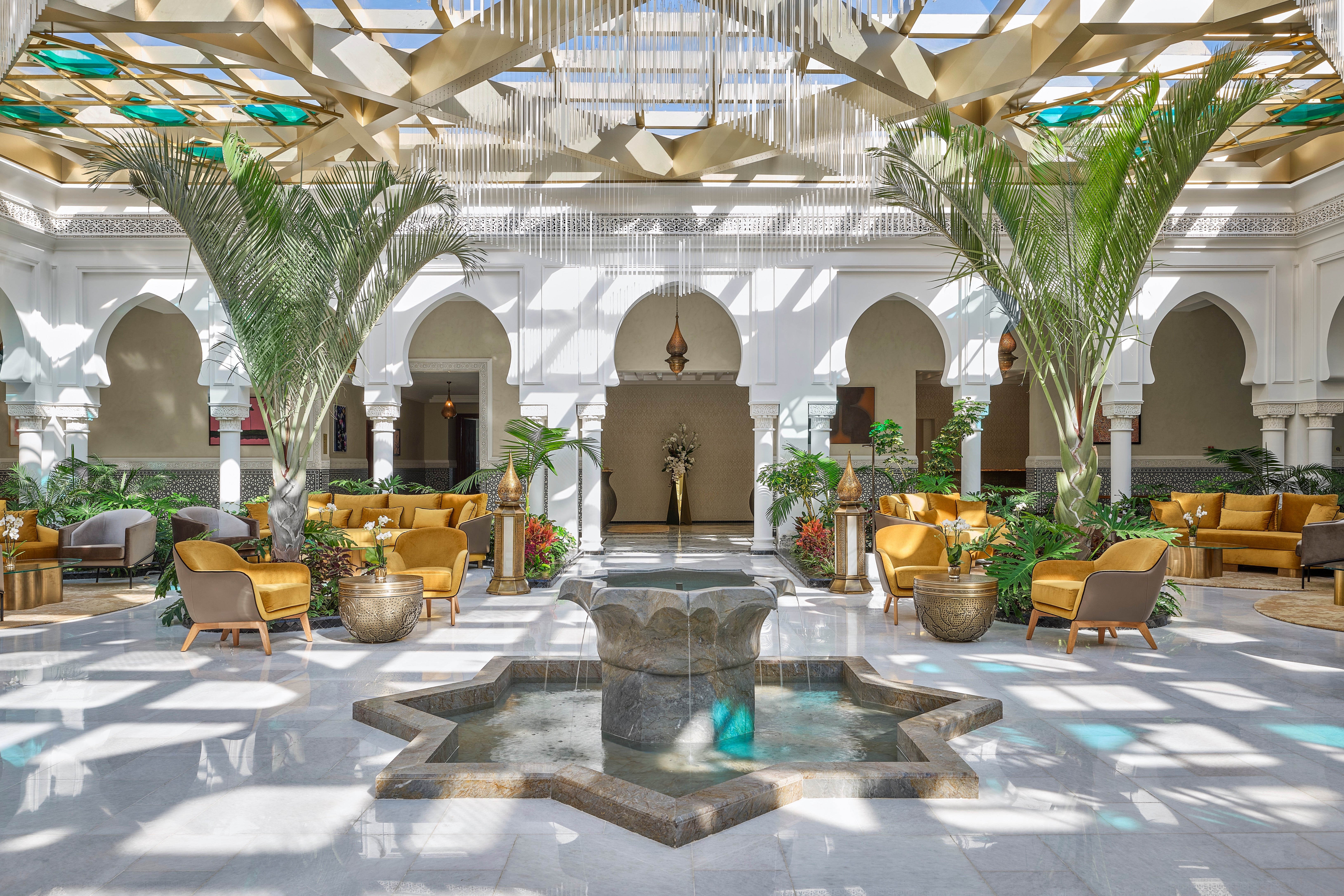
I’m staying at Four Seasons Rabat at Kasr al Bahr, a former palace built in the 18th century for Sultan Moulay, which later served as a military hospital. Opened in late 2024, it’s the swankiest address in town, featuring six heritage buildings restored to their former glory (the oldest is where visitors would freshen up before being presented to the Sultan, now reimagined as the Laila Lounge, complete with live music and the ambience of a 1920s cocktail den).
In palm-filled grounds, a huge mosaic-tiled pool is cossetted by bright orange parasols and cabanas, and, later this year, a gold-tiled hammam will open in the already decadent spa. Although my room is in one of the new buildings, it has a strong sense of place, with coloured glass lights, a marble bathroom, and a green-tiled balcony.
Read more: The Oberoi, Marrakech hotel review
The current Royal Palace was built in 1864 and can only be viewed from the outside (passports are required just to enter the grounds), but you can visit the marble Mausoleum of Mohammed V (where the present king’s father and grandfather are laid to rest), which serves as Rabat’s finest example of Arabic-Islamic craftsmanship with handmade zellige tiles, intricately carved plaster, a cedarwood ceiling encrusted with gold, and stained-glass windows that cast kaleidoscopic colours across marble floors.
Guards in crimson uniforms, holding mother-of-pearl embellished shotguns, stand watch, not yet fed up with tourists’ requests for photos. On the same site, the sandstone minaret of Tour Hassan, built in the 1190s, looms large at 44 metres as the only remnant of what was to be the world’s second largest mosque (after Samarra in Iraq), but was destroyed by earthquake in 1755 before completion.
Recently opened, Zaha Hadid’s Grand Theatre de Rabat is another striking sight, likened to both a cobra’s head and a storm trooper’s helmet, and the soaring 55-storey bullet-shaped Mohammed VI tower is also testament that Rabat is a city that wants to be noticed. However, it’s the hilltop necropolis of Chellah that captures my imagination with its colony of over 50 storks, clacking their beaks at one another and nesting within the wildflower-strewn ruins of Roman and Marinid empires.
By night, I head back to the medina to dine by candlelight at restaurant Dinarjat, housed in the tiled inner courtyard of a historic home dating from the late 1800s. I order zaalouk (smoked aubergine dip), followed by a slow-cooked tajine with chicken, sweet onions and raisins, and enjoy live music played on a bendir (wooden drum) and rabab (similar to a lute).
Read more: This Moroccan mountain town is perfect for a short break
While sunbathing in a bikini might be off the cards due to cultural etiquette, Rabat’s beach scene isn’t sedate. It takes 30 minutes to walk the coastal path from the Four Seasons to the main beach of Plage de Rabat, past a lighthouse built in 1920, and the National Museum of Photography housed in an old fort. Seaweed-rich natural pools attract those looking for a sheltered dip, while daredevil fishermen cast lines from sea-sprayed cliffs. Below, surfers cut swathes across rough Atlantic waves, and families fly kites and picnic on wide sands. On Le Dhow, a wooden boat turned restaurant, I drink mint tea and wait for sunset when the sky turns as colourful as any souk in the country, and the muezzin’s call to prayer from Tour Hassan provides a melodic constant in a city ready for attention.
How to get there
Return flights from London Stansted and Manchester to Rabat start at £44 with Ryanair. Or fly to Casablanca and catch the train to Rabat from the airport terminal, which takes one hour. Rabat is 80 minutes from Tangier via the new Al Boraq high-speed railway, which will extend its network by 2030.
Where to stay
For ultimate luxury, the Four Seasons Hotel Rabat Kasr Al Bahr ticks all the boxes. The building dates from the 18th century and was built as the summer residence of Morocco’s Sultan Moulay Slimane. It has views of the sea, a spa, an outdoor pool and several dining options.
Dar Lal Zohra is a riad situated in a tranquil residential street within the medina. No two rooms are the same, but all are furnished with Moroccan crafts. It also has a pretty rooftop terrace. Doubles from £84 including breakfast.
Kate was a guest of the Four Seasons Hotel Rabat at Kasr Al Bahr.
Join our commenting forum
Join thought-provoking conversations, follow other Independent readers and see their replies
Comments
Bookmark popover
Removed from bookmarks