The Syria I love is in ruins. I want to stop history repeating itself
The Oscar-winning documentary maker Waad al-Kateab returned to her home in Aleppo to find it obliterated. Now, she wants to raise her daughters in a world where no child lives in fear of the sound of bombs falling


A few months after the Assad regime collapsed, I boarded a plane with my husband, Hamza, back to Syria – it was the first time we dared to return home in nine years.
It’s hard to describe the excitement and trepidation we felt. As we drove into Aleppo, we relived our memories of the bombardment and our grief over the friends we lost during the siege.
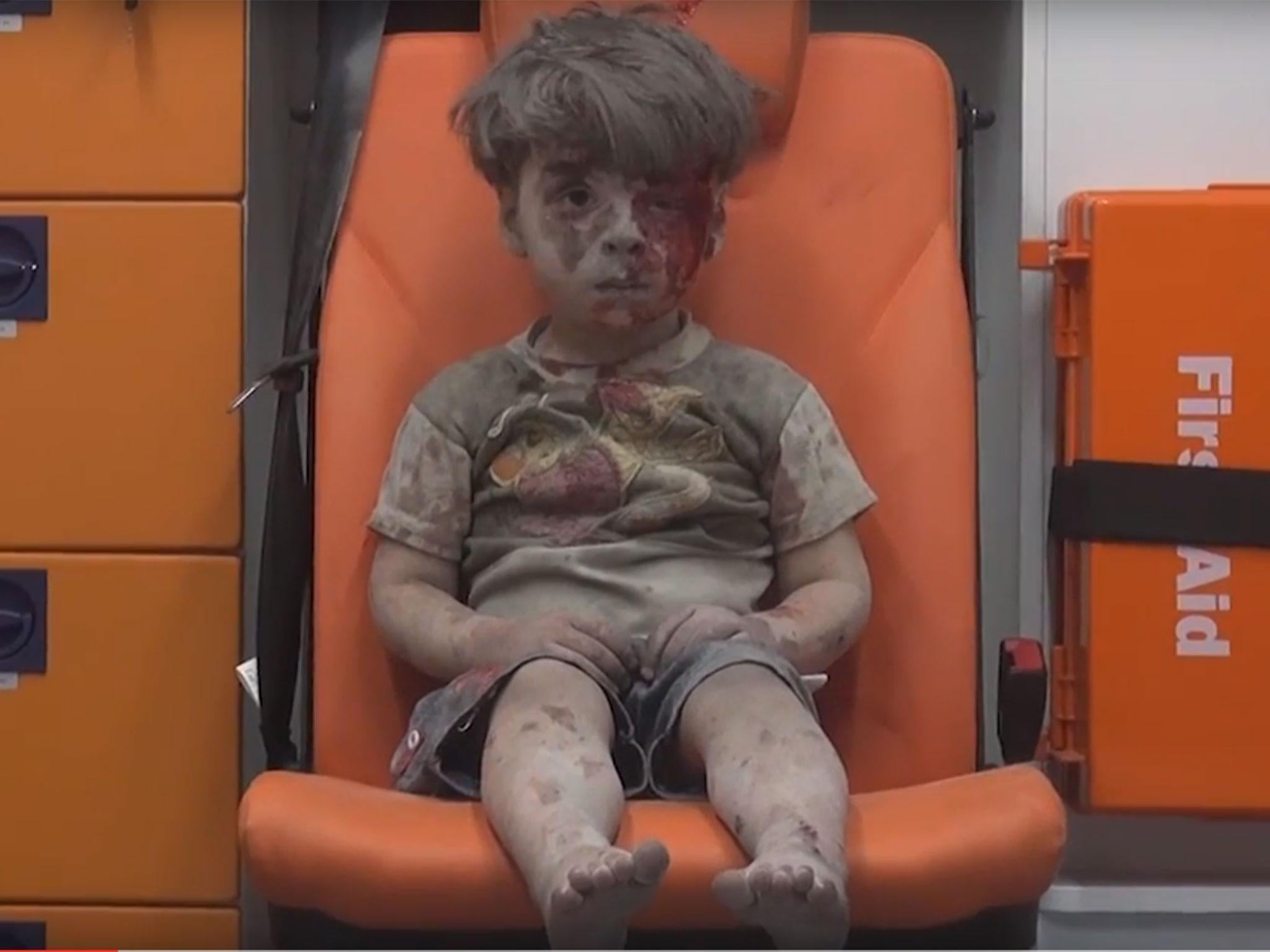
Our first stop was al-Quds hospital – the place that Hamza founded, and where he and his colleagues worked around the clock, treating thousands of civilians. It was here, in the hospital, that our oldest daughter, Sama, was born amid the constant rumble of warplanes and shelling.
These walls had sheltered children and infants like Sama who had been maimed or wounded by bombs dropped on schools, hospitals, mosques, and markets. It was also where we filmed For Sama, our message to the world that no child should grow up under bombing.
By the time we were forced to leave Aleppo in December 2016, eight out of the nine hospitals had been destroyed, pulverised by heavy explosive weapons – artillery, mortars, aerial bombs, and rockets – which were designed for open battlefields, not city streets.
Al-Quds was itself targeted in an airstrike, which killed 55 people, including dear colleagues. It was impossible to continue treating patients in such badly damaged facilities. Miraculously, Hamza was able to find another location for Al-Quds, which became the only hospital left standing in the siege of Aleppo.
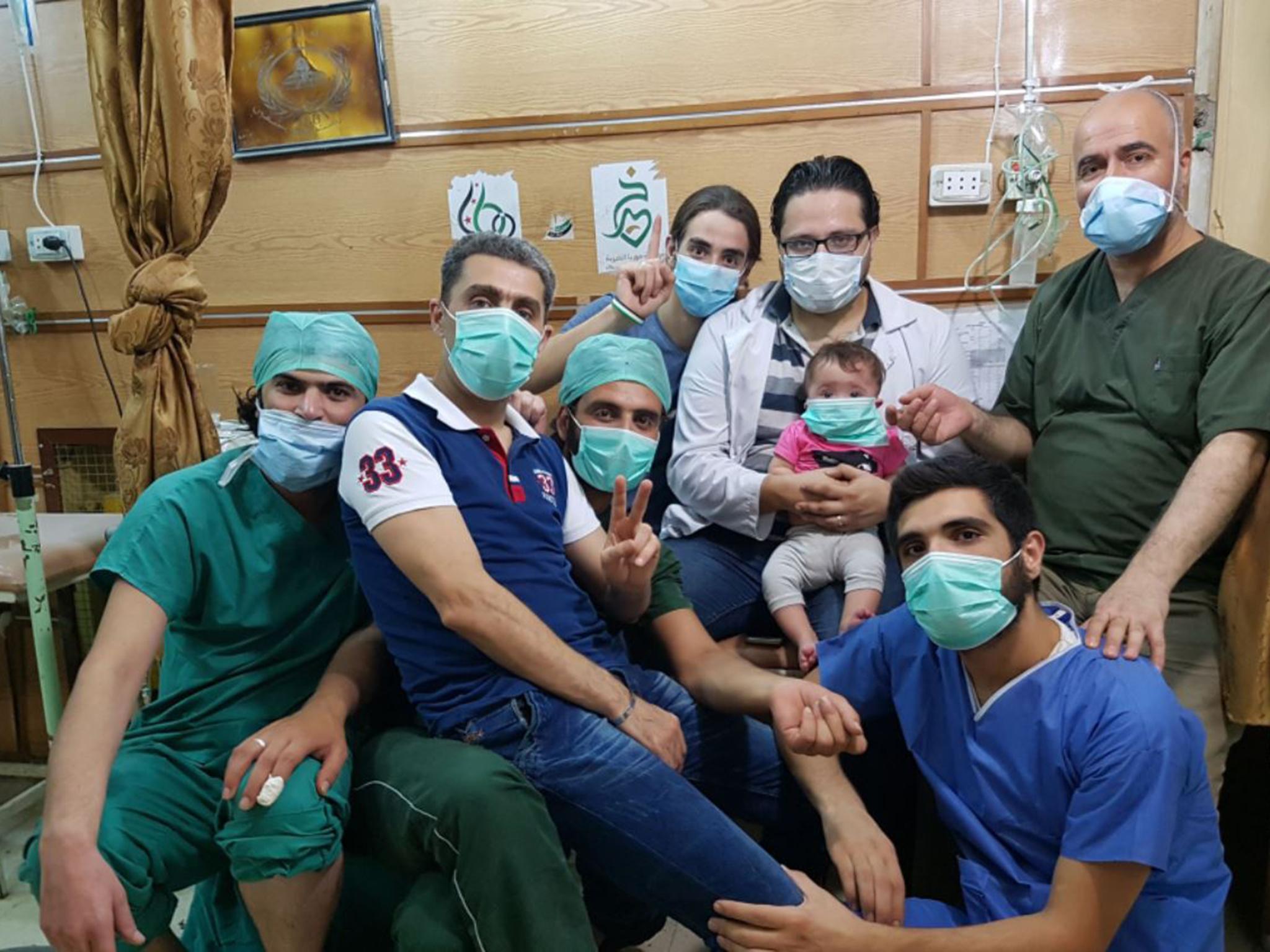
Nearly a decade on, we returned to the sites of both hospital buildings. They appeared exactly as we had left them. Nothing had been rebuilt.
The wards remained empty – a tragic reminder of the devastating price civilians pay when explosive weapons are used in densely populated towns and cities.
The destructive force of these weapons is still visible throughout Syria today. On the road between Aleppo and the Lebanese border, I saw families living in tents next to their bombed-out houses. Walking through the familiar neighbourhoods of East Aleppo, I saw buildings still in ruins, schools without running water or proper facilities, some completely flattened. Children are growing up with disabilities from injuries they sustained in the war.
Not only do explosive weapons kill and injure tens of thousands of civilians each year, but they also destroy the essential services that sustain life – hospitals, schools, power lines, and water supplies. The damage lasts for decades, and the lack of basic services affects everyone’s lives. Even after the fighting stops, unexploded remnants continue to claim lives and prevent people from coming home.
Today, the same horror is repeating itself. From Gaza to Sudan to Ukraine, cities are being reduced to rubble, and families are forced to take cover under fire. Last year alone, attacks on hospitals and health workers rose by 64 percent, and strikes on schools more than doubled, according to the Explosive Weapons Monitor.
We cannot accept this as the new “normal”. States must take real steps to protect civilians from the use of explosive weapons by joining and implementing the 2022 Political Declaration on Strengthening the Protection of Civilians from the Humanitarian Consequences arising from the Use of Explosive Weapons in Populated Areas.
So far, 89 countries have endorsed it – but too few have made changes. Endorsements are empty gestures without action.
The upcoming conference in San José, Costa Rica, marks the third anniversary of the declaration’s adoption. States gathering in San José must commit to stronger standards. Governments must restrict the use of explosive weapons in towns and cities, track and investigate civilian harm, and help affected communities.
When I made For Sama, I dreamed of a world in which no child would ever have to live through the hell of what my daughter Sama lived through. Now, as I watch my younger daughter, Taima, return to our home for the first time, I know that this dream is possible – but only if the world acts.
Waad al-Kateab is a film-maker behind the award-winning 2019 documentary, For Sama, about the siege of Aleppo
Join our commenting forum
Join thought-provoking conversations, follow other Independent readers and see their replies
Comments
Bookmark popover
Removed from bookmarks