The £15.3bn asylum bill is a disgrace – the broken system needs a total reboot
With soaring costs and no solution in sight, the asylum hotel fiasco has left refugees in limbo and taxpayers furious, says Sean O’Grady. The scandal is a symbol of political failure on all sides


The timing isn’t great. As we approach another “tough” Budget, the news is that billions of pounds that could have been used to improve public services – or keep taxes down a bit, if you prefer – have been “squandered” on asylum hotels.
At enormous expense, we’ve arrived at a “solution” that no one likes, including the refugees, who are living in less than luxurious conditions. The cash could have been spent on breakfast clubs, training young people who can’t get a job, social care, keeping libraries open... anything would have been better. It is almost physically painful to reflect on it.
Britain isn’t “broken”, but parts of it are run unforgiveably badly. It would be nice to think that the politicians and the civil servants concerned – mostly the politicians – would suffer some kind of detriment for their long-term poor performance.
Apart from losing their ministerial jobs, and in some cases their Commons seats, at the general election, none of the Tories involved and responsible, including Boris Johnson, Liz Truss and Rishi Sunak, will suffer any financial penalty for their collective failure. The home secretaries of the era – Priti Patel, Suella Braverman and James Cleverly – will make their excuses, carry on regardless, and tell us they’re still jolly proud of their record in government.
Nor are their Labour successors any better. Just last week, home secretary Shabana Mahmood said her department is “not yet fit for purpose” after another internal report labelled it dysfunctional. Housing secretary Steve Reed today called the asylum system “absolutely broken”. At what point will they take responsibility for it all, rather than simply saying that they’re angry as well?
“Squandered” is a strong, tabloidy sort of word, but the MPs on the home affairs select committee are right to use it. The money has been lost – probably for ever – on “flawed contracts” and “incompetent delivery”, and it has still left the Home Office unable to cope with a surge in demand, the officials always turning to hotels as the preferred “go-to solution”.
Back in 2019, when it came up with the notion of requisitioning hotels, the Tory government planned to spend some £4.5bn by 2029 on this supposedly temporary accommodation, but the figure then rocketed to £15.3bn – and who knows where it will end up.
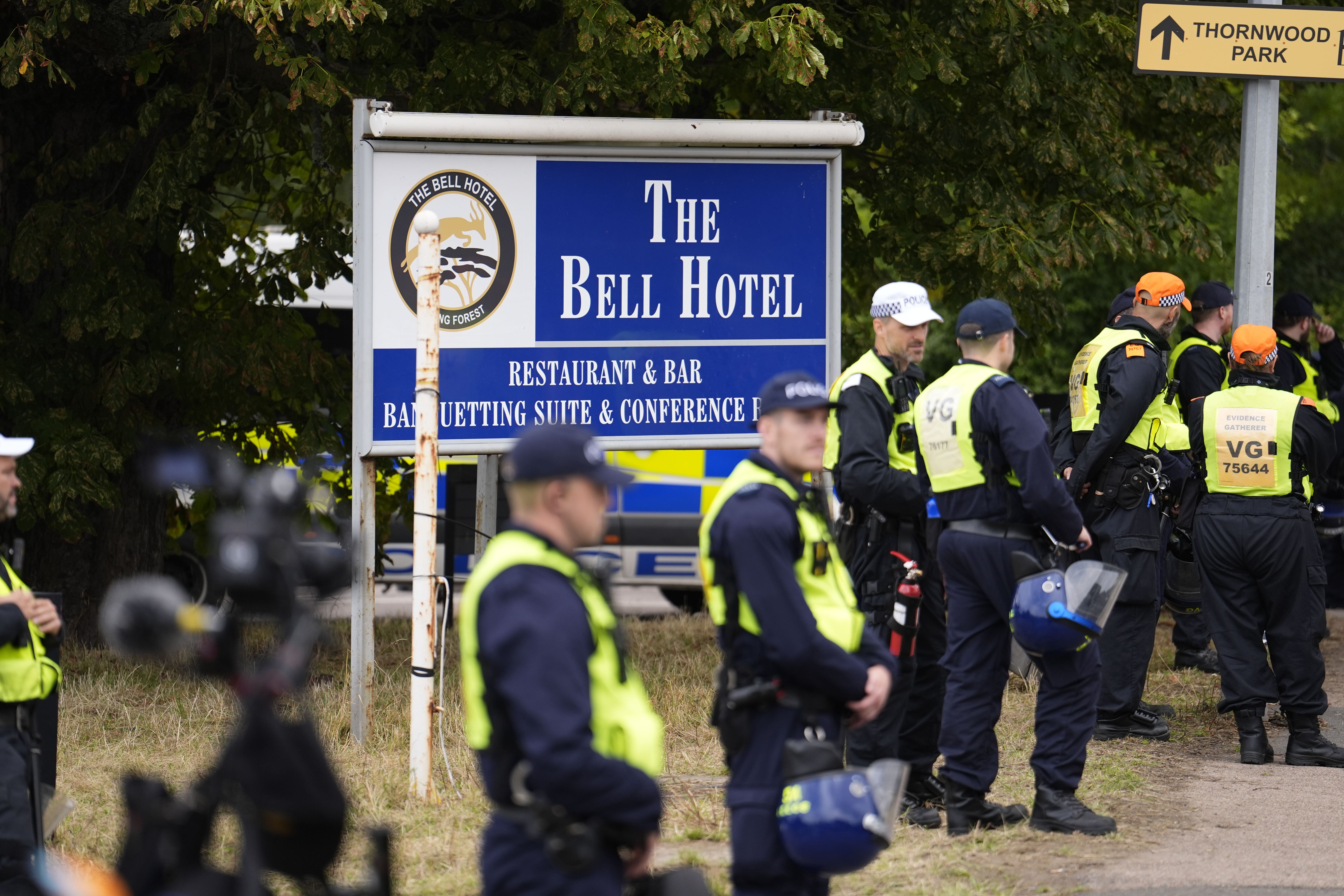
After some high-profile cases of sexual assault, there is grave public concern about the hotels, even though many of the refugees housed in them are perfectly legitimate, law-abiding, and pose no threat to anyone. As far as can be judged – their voices are rarely heard – they don’t like the arrangements either, and would rather be earning a living and paying taxes (which, of course, is illegal).
People who are stranded on NHS waiting lists, and struggling to make ends meet, resent seeing others apparently getting immediate healthcare and being taken in a taxi to receive it (whether they want to or not). Some lurid reporting hasn’t helped ease the tensions, and the racists have seen an opportunity to stir things up. It’s an omnishambles.
Aside from all the neglect and incompetence, the Illegal Migration Act 2023, one of the Tories’ almost annual bits of useless, gestural “crackdown” legislation, practically made claiming asylum in the UK illegal. Was that a deterrent? No. Sunak did not “stop the boats”, as promised. Because they couldn’t make claims, thousands and thousands of would-be refugees were left in indefinite legal limbo – or, more precisely, languishing in places such as the former Bell Hotel in Epping.
The civil servants were forbidden from saying whether these people should be granted leave to remain or sent home. So they stayed. The idea was that they would all soon be deported to Rwanda, and then the deterrent effect really would bite. Except that the small, purpose-built camp in Rwanda wasn’t going to be able to take more than about 2,000 a year initially, and there wasn’t any plan to expand it massively.
Aside from being illegal itself under international law – because there was too high a risk that people sent back to their country of origin would be tortured – the Rwanda plan was simply inadequate to the scale of the task. By the time the Tories were kicked out, the total “work in progress” asylum caseload consisted of 224,700 cases. Of these, around 87,200 were awaiting an initial decision, and 137,500 had received an initial refusal and were awaiting some kind of further action. (Some people had more than one case, but you get the picture.)
Is Labour doing better? There is talk of converting disused military camps, but that’s been tried before, and the accommodation was inhumanely poor. They now want to build new camps and “explore other rental options”; this sounds like using HMOs – houses of multiple occupation – which can quickly degrade any city neighbourhood, and will be even less popular than the hotels. The effect of the “one in, one out” plan is so far minuscule, and the outlook isn’t encouraging, given that arrivals are still running at a high level and the gangs haven’t yet been “smashed”. As with the economy, the NHS, and much else, Labour ministers are facing the same intractable challenges their predecessors did, and have few answers.
So Tory failure may well be followed by Labour failure, albeit on a less majestic scale – but that doesn’t mean that Reform UK have the answers either, because they don’t. We cannot just “tow them back to France” without permission, and it would risk EU trade and a cold war with Europe.
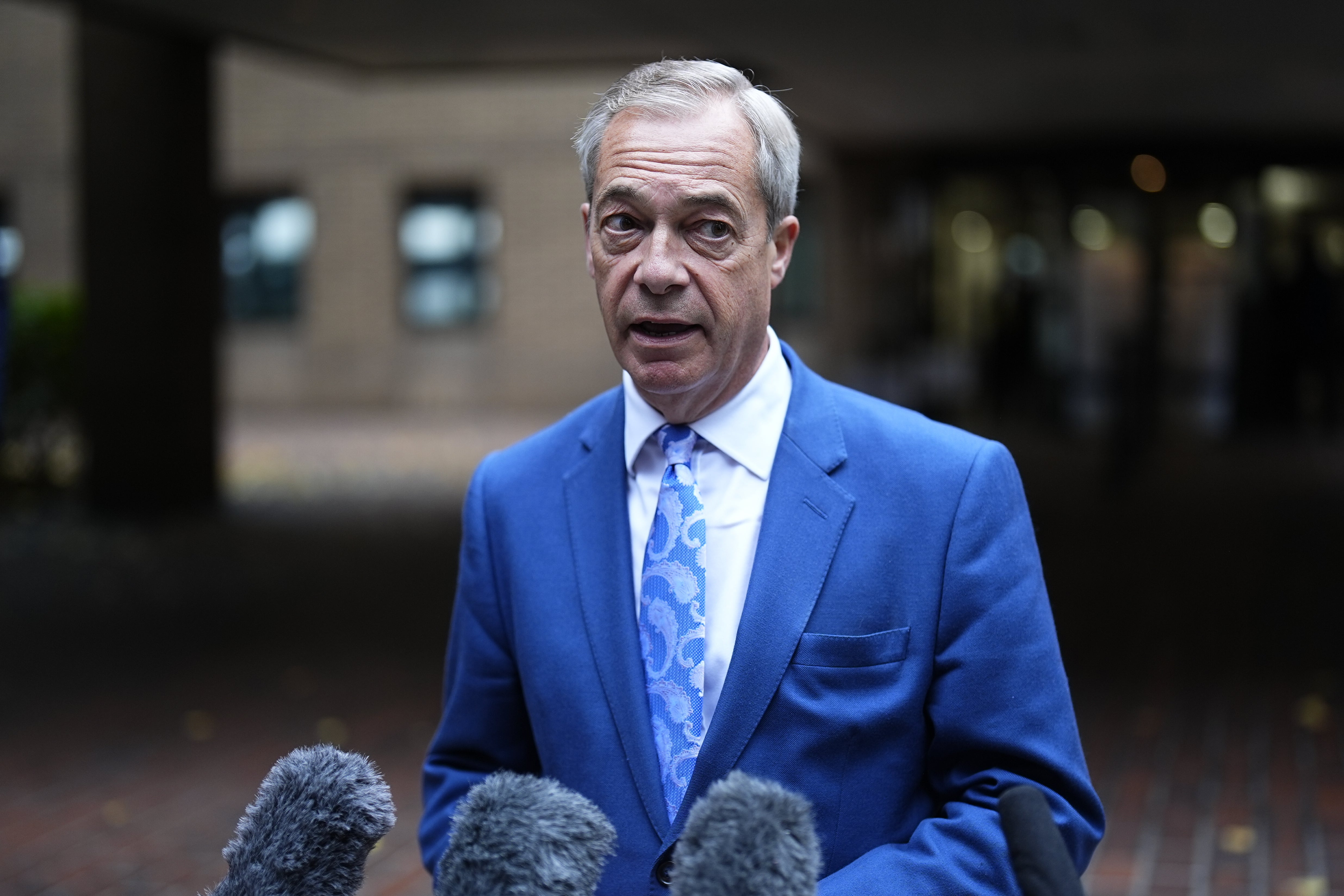
The only solution is to plough as many resources as possible into a rapid processing system, and return those with no right to asylum as quickly as possible. Meanwhile, the asylum hotels have to be shut down within months – not, as is currently planned, by the end of this parliament – so the new camps need to be built now, as were the “Nightingale hospitals” in the pandemic. I don’t have the answer to the small boats crisis, because nobody does – especially not Nigel Farage – but we can surely do better with the billions we’re spending on it.
Join our commenting forum
Join thought-provoking conversations, follow other Independent readers and see their replies
Comments
Bookmark popover
Removed from bookmarks