Here are two U-turns that would actually do Starmer (and the Chagos deal) some good
Rather than gambling on Trump’s decisions being reversed in the next presidency, the PM would be better off rethinking the UK’s defence strategies – and focusing on borders closer to home, argues Mary Dejevsky


You could argue that the prime minister’s tolerance for policy U-turns ranks pretty high on the global scale. But even his level must have been sorely tested when he woke up in the morning to find that the President of the United States has reversed track – again – on one of his government’s signal policies on the Chagos Islands. A policy, as it happens, that he has adamantly stuck to despite fierce opposition at home and abroad.
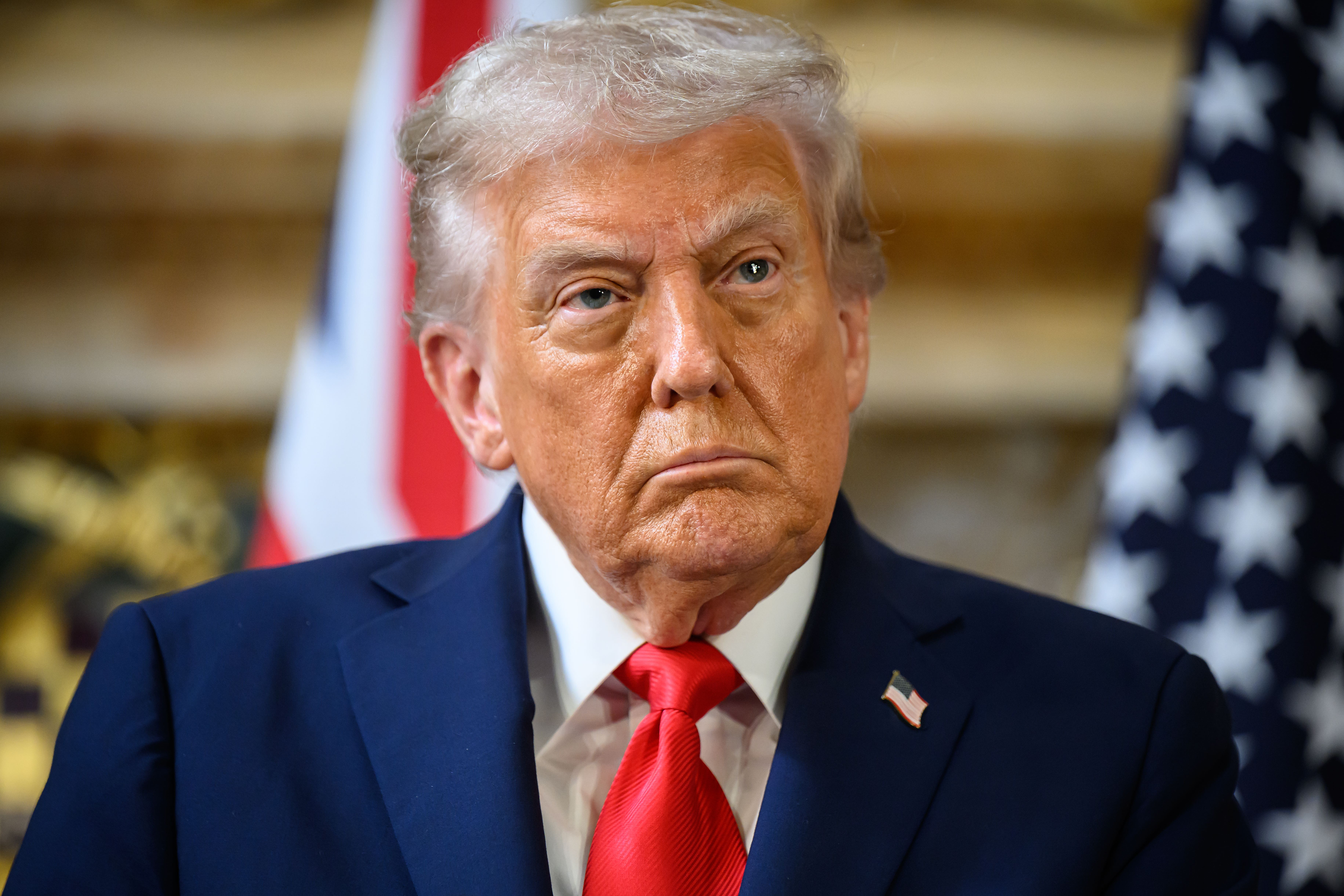
Having twice seemed to accept the UK’s agreement to cede the islands to Mauritius while leasing back Diego Garcia, President Trump has now decided, for the second time, that it is a really bad idea that is not in either the UK’s or the US’s interests. His new line appears to be connected to his on-and-off conflict with Iran, with the base in the middle of the Indian Ocean constituting an essential asset for any military action.
Whether Trump is even aware of how his switchback judgements play into what has become quite a fraught UK domestic debate is doubtful. But the difficulty, and sheer embarrassment, for Keir Starmer is surely beyond doubt, and risks harming a weakened prime minister further, given the ever-shrinking returns on his investment of “an unprecedented second state visit”, a good measure of flattery and ingratiation, and the deployment of UK forces in joint raids on Isis groups in Syria. The UK is still subject to capricious US trade tariffs, there is no bilateral trade agreement, and the US commitment to Ukraine remains shaky.
If it is true that Trump’s outburst was in turn prompted by the British government’s decision not to give permission for the US to use UK military bases to support potential US strikes on Iran, that is of even greater interest. Indeed, it would be an example of a PM standing up for the interests of the British public against those of a US administration. A rare demonstration of backbone from No 10.
If the UK senses new disaffection from the US, it has to be compounded by the cold shoulder it is receiving from Europe, starting with defence. Not only have financial hurdles been erected against the UK’s participation in joint EU arms projects, but – as was apparent at last weekend’s Munich Security Conference – its failure to keep up with US demands for increased defence spending has diminished its clout in the Nato alliance on both sides of the Atlantic.
This week, Starmer suggested that defence spending could be raised to 3 per cent of GDP by the end of this parliament, rather than in the nebulous 2030s. That prompted what was interpreted as a warning from the chancellor, and some loud noises off from former members of the top brass, complaining that more money was needed now, and about the government’s failure to act on the now more than six-month-old Strategic Defence Review.
I have no strong feelings on the merits or otherwise of the agreement on the Chagos Islands. They are a long-outdated relic of empire. I see no shame in bowing to the International Court of Justice and transferring sovereignty to Mauritius. If the US wants to keep a base there, let Washington negotiate the terms on its own account. What possible UK national interest is at stake there?
Indeed, I would go further, and call for a return to the debate that formed the new background to much of my childhood: whether the UK (or Britain, as we said then) should maintain a military presence “east of Suez”. More than 50 years on, with failed interventions in Afghanistan and Iraq and the crippling costs of maintaining a quasi-global military presence, the answer should be clear. The UK is a medium-sized power, with a (sort of) independent nuclear deterrent, and a big, powerful ally in the United States. Given that the reliability of both shelters is now coming into question, how about considering another future?
Some will argue that it is worth holding on for another year in the hope that Trump will be a lame duck and a return to “normality” is around the corner. But there is no guarantee that the choices made by Trump, which reflect those of many Americans, will be reversed. Gambling that they will be only delays needed decisions further. The UK needs to go back to the drawing board and rethink its defences, with priority given to its borders, to Europe, and to the northeast Atlantic, and prepare to equip itself accordingly.
Conveniently, this would also sit well with the discernible outlines of Trump’s foreign and security policy: that Europeans should take the bulk of responsibility for Europe’s defence, and that Ukraine and Russia are essentially our problem, and probably the eastern part of the far north, too. Trump has made no secret of seeing Germany, rather than Britain, as Europe’s defence leader.
So here’s a proposal for two more Starmer U-turns. First, conclude the Chagos Islands deal as envisaged, then propose to the US that it could negotiate directly with Mauritius. And second, bin last year’s defence review and convene a new one. It would proceed from a complete and public audit of the UK’s overseas military presence and a reprise of the east of Suez question. The aim would be to leave the UK a formidable military power in its own neighbourhood, but one with more coherent objectives, a clearer and perhaps more modest view of its national interests, and a bill the country and its taxpayers could afford.
Join our commenting forum
Join thought-provoking conversations, follow other Independent readers and see their replies
Comments
Bookmark popover
Removed from bookmarks