As Smirnoff struggles, can this man save Big Booze from Gen Z?
The beleaguered drinks maker Diageo has been under a cloud for two years, with sales disappointing and trouble at the top. While the appointment of Tesco’s ‘Drastic Dave’ Lewis as new CEO has lifted spirits, the real test will be whether they can get youngsters to buy in, James Moore writes

Getting excited about alcohol first thing Monday morning is extreme, even for the City.
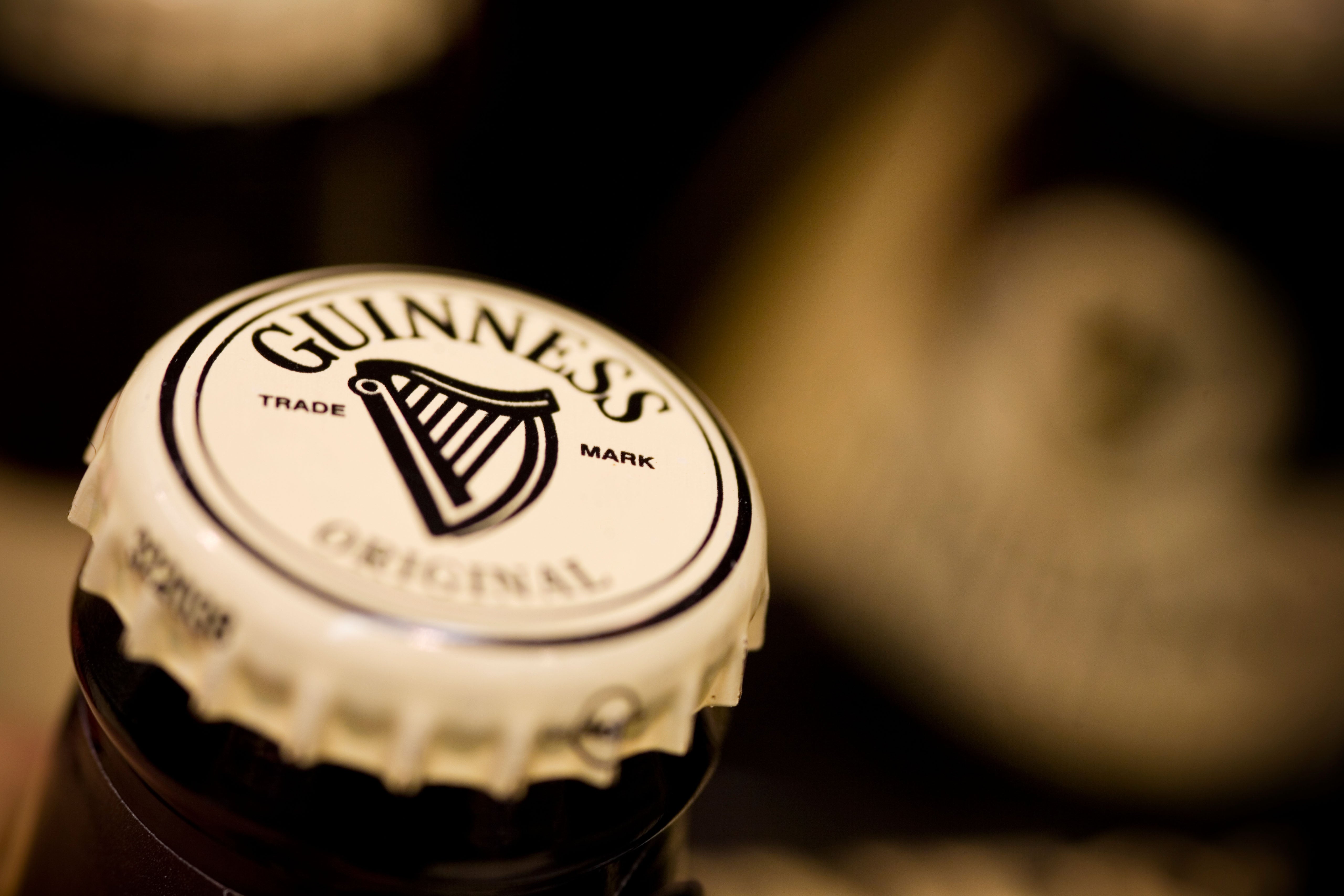
But judging by the reaction to the appointment of former Tesco boss David Lewis as CEO of Diageo, the beleaguered maker of Guinness, Johnnie Walker and Smirnoff, the money men were toasting the savviness of this particular move by the drinks giant when the markets opened with wild abandon.
A cool £3bn was added to the company’s market value after the shares jumped by 7 per cent within minutes of the news hitting dealers’ screens.
“Drastic Dave”, as they call him, made his name fixing Tesco. I’m not a big fan of the modern CEO. They’re frequently overrated and overpaid, especially the latter. But he earned his money, and then some, for what he did at the grocer.
There were more than a few eyebrows raised when he joined what was then the sinking Titanic of British business in 2014, not least because of the glaring lack of retail experience on his CV.
It didn’t matter. Lewis proved he was a lot better at selling food than his hapless predecessor, Philip Clarke, the dyed-in-the-wool retailer he took over from. Lewis famously took his fellow execs off to Norfolk, where he made them shop for their own groceries. It was a good way to ram home an important message: you let yourselves get arrogant and entitled.
He also duly called time on the global empire-building and the whizzing around the world on corporate jets. He cut costs, improved relations with suppliers, and, crucially, he made sure Tesco started looking after customers again. Jobs were cut; they always are. But they were also created on the floors of the supermarkets, where it counts. It wasn’t long before Tesco was back, and it has largely maintained its position under successor Ken Murphy (Lewis left the role in 2020).
Like any new CEO, Lewis will address any issues with the cost base and fix the functional problems. However, he also faces a more existential problem. Booze isn’t as buoyant as it once was, with Gen Z, or a substantial chunk of it, swearing off the stuff.
So is this a symptom of a slow-burning Kodak moment for ailing drinks giants everywhere, in which Gen Z’s more parsimonious drinking behaviour kicks Big Booze where the sun doesn’t shine and leaves a graveyard of empty bottles where the distilleries used to be? Is the party well and truly over?
No need to reach for the Scotch if you’ve money invested. People are still going to drink. There have been signs that Gen Z – those born roughly between 1997 and 2012 – has been indulging a bit more of late, as some get sick to the back teeth of “wellness culture” and the prissy piousness of those espousing it. Recent data has shown that the proportion of Gen Z who are of legal drinking age and have consumed alcohol in the past six months has increased by 7 per cent between 2024 and 2025.
Perhaps they’ve been reading my colleague Helen Coffey, who this week reported on a new study linking youthful drinking sessions to higher education and income levels later in life.
Lewis could also look to recalibrate, giving more heft to low- or no-alcohol brands. It’s notable that Guinness Zero was pictured on the front of the annual report.
Maybe Diageo’s investors will simply have to recalibrate their expectations down a bit. Expectations management is a key part of any CEO’s job. Lewis is good at that. And he will be allowed to reset some of the over-optimistic targets the group failed to live up to. You get breathing room when you’re a superstar because your backers have faith that it will come good eventually.
However, no one should underestimate the difficulty of the task he faces. If he can fix Diageo as he did Tesco, and if he wants another job afterwards, he’ll be able to name his price.
He is that rare creature: a CEO who is absolutely worth the money.
Join our commenting forum
Join thought-provoking conversations, follow other Independent readers and see their replies
Comments
Bookmark popover
Removed from bookmarks