After the Bondi attack, Jews will wonder where in the world they can feel safe
Editorial: The attack in Australia is another example of how widespread antisemitism currently is – and the need for our political leaders to step up and tackle it
Of all the places in the world where a murderous antisemitic attack might have been anticipated, Sydney’s Bondi Beach in December would surely have been one of the last. Regarded enviously from the dark and cold of the northern hemisphere at this time of year, the sun, sea and sybaritic delights of Australia offer the sharpest possible contrast to the slaughter carried out against Jewish families celebrating the first evening of the festival of Hanukkah.
There were an estimated thousand people gathered for the celebrations by the beach. At least 12 were killed, including one of the two presumed gunmen; and as many as 30 were taken to hospital with injuries.
The shock was palpable in the first public statements from political and police leaders, who nonetheless stepped forward with creditable promptness and characteristic Australian directness. There was no hesitation in identifying the attack as targeted against the Jewish community, decrying antisemitism and designating the atrocity as terrorism.
The prime minister, Anthony Albanese, rightly called on his compatriots to keep calm and refrain from retribution. More to the point, though, he said that an attack on Jewish Australians was an attack on every Australian and affirmed the right of the country’s Jews to feel safe and to be “proud of who you are and what you believe”. These are sentiments that every leader of every country infected by antisemitism needs to repeat.
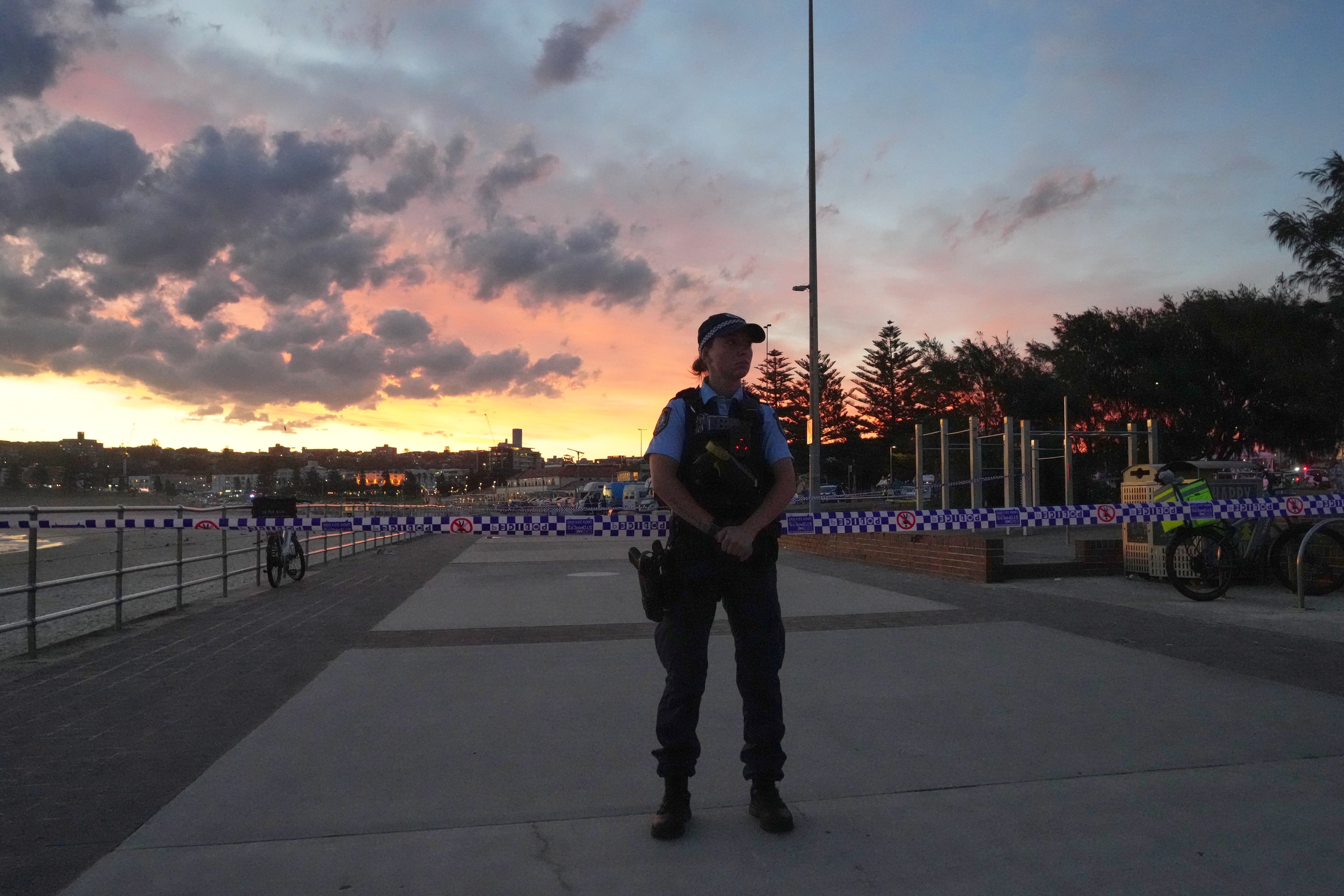
How far these undertakings are honoured and the extent to which justice is seen to be done will be the next test for the Australian authorities. But recriminations were already in the air within hours, including from Jewish leaders in Australia and from Israel, where the prime minister, Benjamin Netanyahu, described antisemitism as a cancer that spread when leaders were silent, and accused Australia’s government of “pouring fuel on the antisemitic fire” – an apparent reference to Australia’s recognition of a Palestinian state and condemnation of its Gaza operations. A separate question being asked was whether the authorities had ensured sufficient security for a Jewish holiday gathering in such a public place.
It is too early to speculate about whether the attack could have been prevented or to delegate some of the blame beyond the actual perpetrators. Australia has had some of the most restrictive firearms laws for the best part of 30 years, since a mass shooting in Tasmania, which has given Australia the reputation of one of the safest countries anywhere. The provenance of the weapons will doubtless be of interest, as will the identity and history of the gunmen, at least one of whom was reported to be known to the authorities.
That such an attack could happen in Australia and in such an emblematic place, however, only serves to underline just how far the new wave of hostility towards Jews has spread since Israel responded to the murderous Hamas atrocities of 7 October 2023 – which also incidentally targeted a pleasurable gathering, in that case a music festival. It also illustrates how rapid the resurgence of antisemitism has been, targeting those who may have nothing in common with the actions of Israel beyond their Jewish identity, and how close to the surface of so many societies antisemitism must lie.
It is only two months since the attack on the Heaton synagogue in Manchester, when two people were killed on another Jewish holiday, in this case Yom Kippur, the holiest day in the Jewish calendar. As with 7 October, the choice of these days demonstrates the intention of the attackers not just to kill, but to make a statement of political and religious contempt. The proliferation of clearly antisemitic attacks here and elsewhere over the past year cannot help but call into question whether the authorities are doing enough to guarantee the safety of a generally small, discreet and law-abiding community.
If Jews cannot feel safe in Australia, still less on, of all places, Bondi Beach, it is not unreasonable if they are now asking where in the world they can be safe. More than 80 years after the Holocaust, that, in itself, is profoundly regrettable. At least as regrettable, though, is that not just in Australia and probably not just for this year, the ancient Jewish festival of light has been darkened.
Join our commenting forum
Join thought-provoking conversations, follow other Independent readers and see their replies
Comments
Bookmark popover
Removed from bookmarks