In Gaza, what we have lost is bigger than our hearts
Living in Gaza means living under the uncertainty of an easily-broken ceasefire while tending to wounds that bear witness to an inner battle that may be fought for many years to come, writes student Sara Awad, 21


As I write this, it is the thirteenth day of this so-called ceasefire. Since the agreement took effect on 9 October, Israel has violated it multiple times, only to return to it whenever it suits. It appears to exist only on paper.
On the ground in Gaza, we live in a different reality where fear still controls us and nothing has truly changed. For as long as the borders remain closed, the amount of food allowed in is restricted, and anything that might bring relief to Gaza is prohibited by Israel, then no, we cannot feel a real peace.
I find myself longing for the brief moments when the ceasefire came and I heard people screaming, “It’s over, the war is over.” I didn’t believe it. We’ve learned not to trust hope too quickly. Yet, for the first time in two years, it looked like we could finally breathe, sleep, and dream freely.
After the announcement, we sat in silence, unsure what to feel or how to react. What we lost was bigger than our hearts. We had nearly forgotten what a normal day looked like. Two years were enough to make us believe that perhaps we no longer deserved happiness.
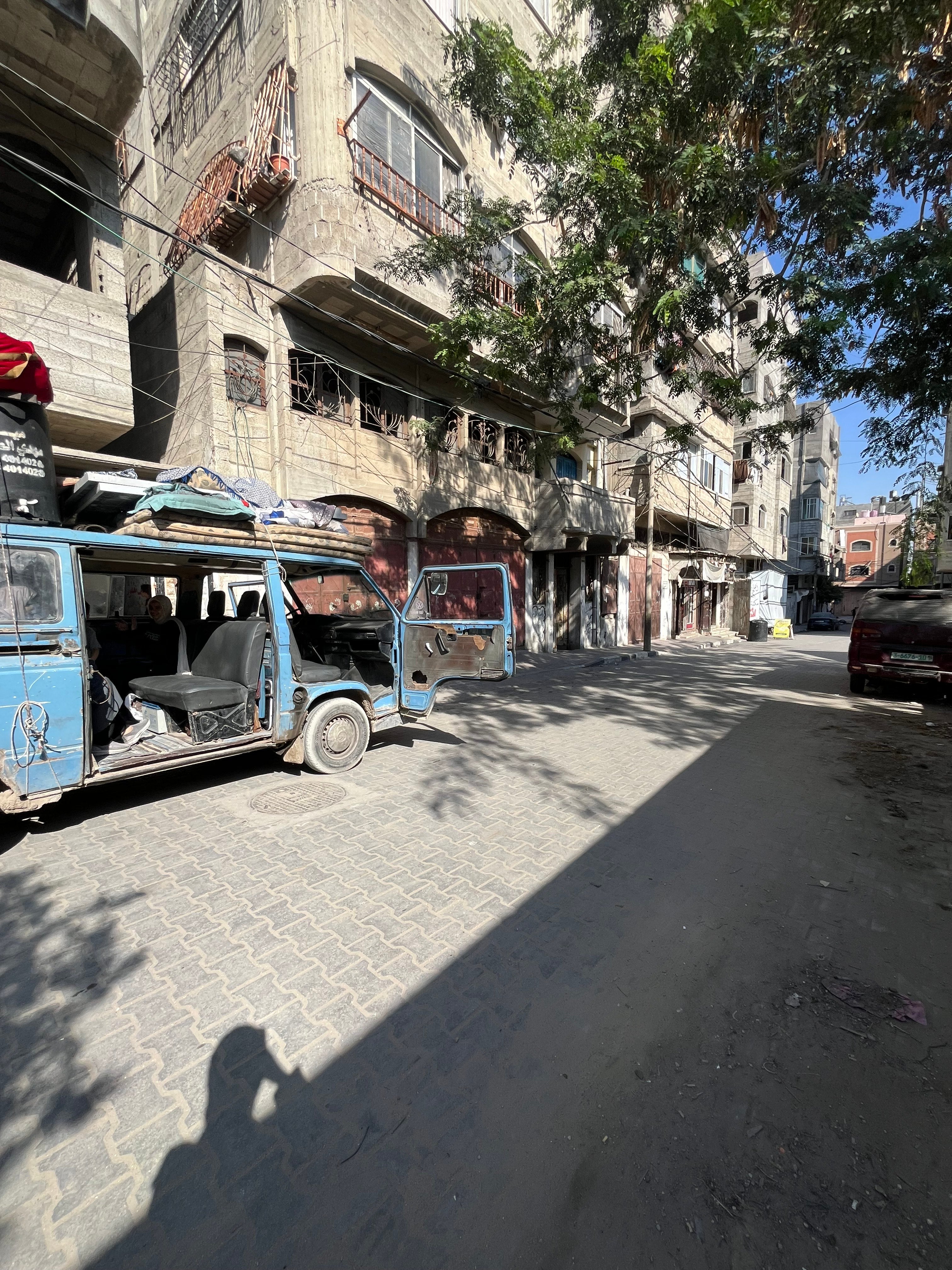
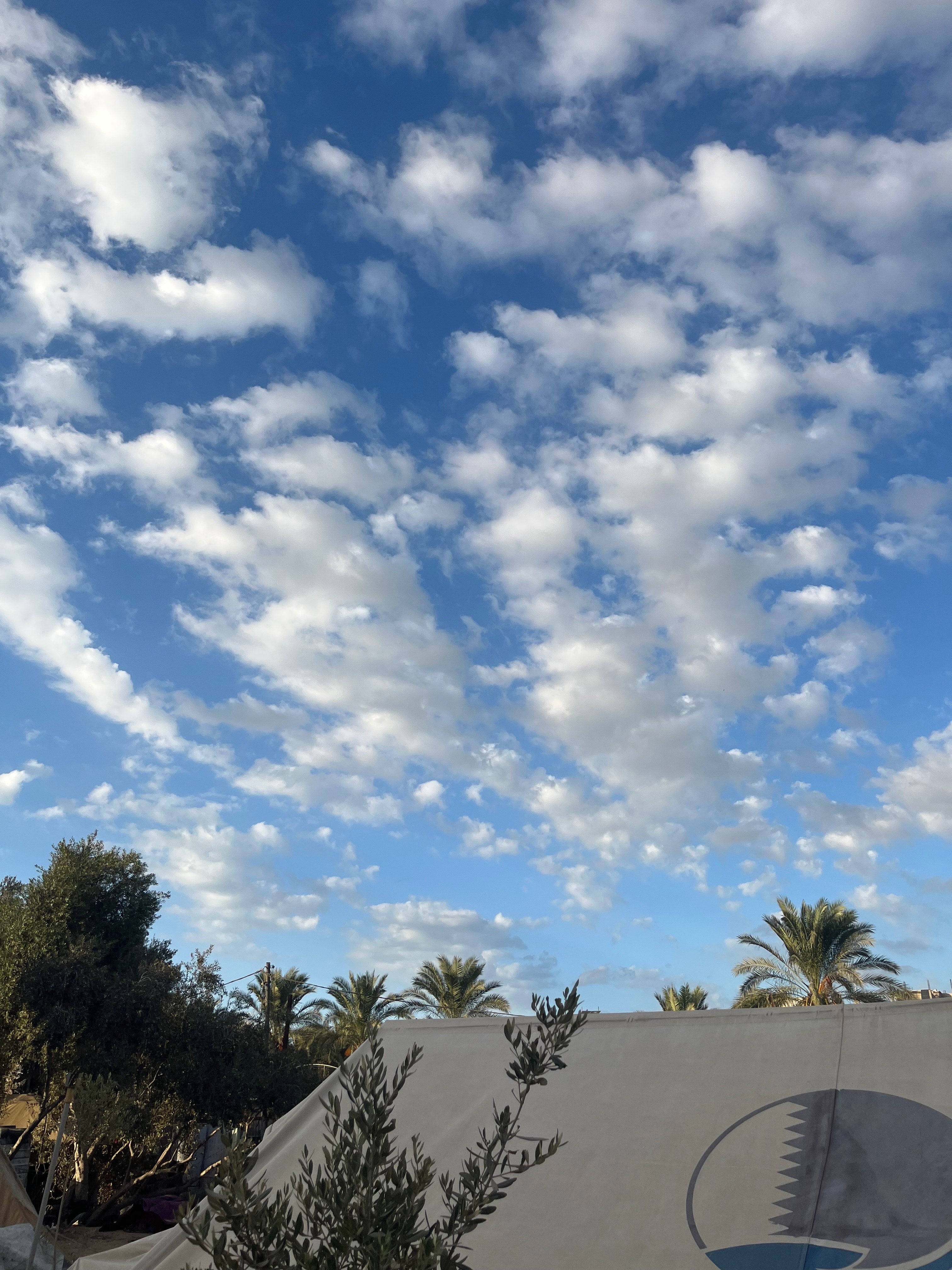
Later, I walked Gaza’s streets and took the prettiest pictures I have ever taken. No bombs falling from the sky, no new martyrs, no injured arriving at our overcrowded hospitals. We kept saying that it felt like the first day of Eid.
But let’s be realistic. This ending doesn’t mean we will forget what we suffered. No one outside of our city can understand what we have lived through. There are no words to fathom it. It was our own life, our sense of safety, and our future. My life through the war carried an insurmountable sadness.
I survived two starvations – one from January to March 2024 in the northern Gaza Strip, and the second, from March to July 2025. We pleaded with the world for food. Even now, I remember the nights spent crying from the pain. It was a desperate emptiness I had never known before. For the first time in my life, I was truly hungry.
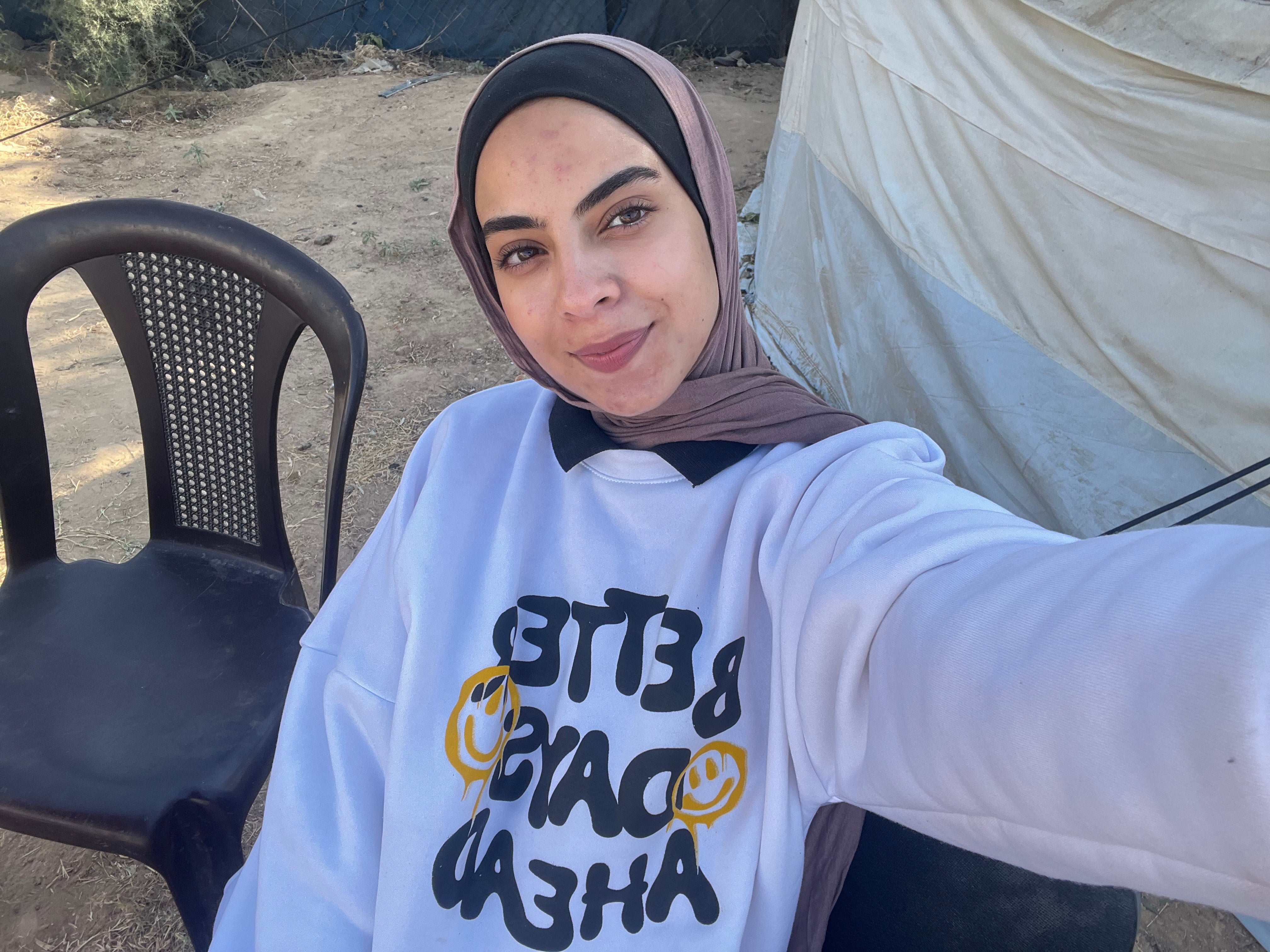
However, the full siege by Israeli tanks was even worse. Just two months after the war began, we were trapped in our home, a place I still carry in my heart and hope to return to soon. Thirty relatives squeezed into that small space as airstrikes rained down on our neighbourhood. We couldn’t flee. We thought it was the end.
All of us, from the children to the elderly, cried with fear. We were running out of everything a human needs to survive. no food, no water, no electricity, no internet to reach anyone. After three days locked inside, we would sleep and wake up, wondering how we were still alive.
The war shaped me from the very first months. I entered it at 19 and emerged as a 21-year-old, forever changed, with no return to the old Sara. I remember how my father told me to look after my mother and my siblings if anything happened to him. Sometimes, not even we can understand the pain we carry.
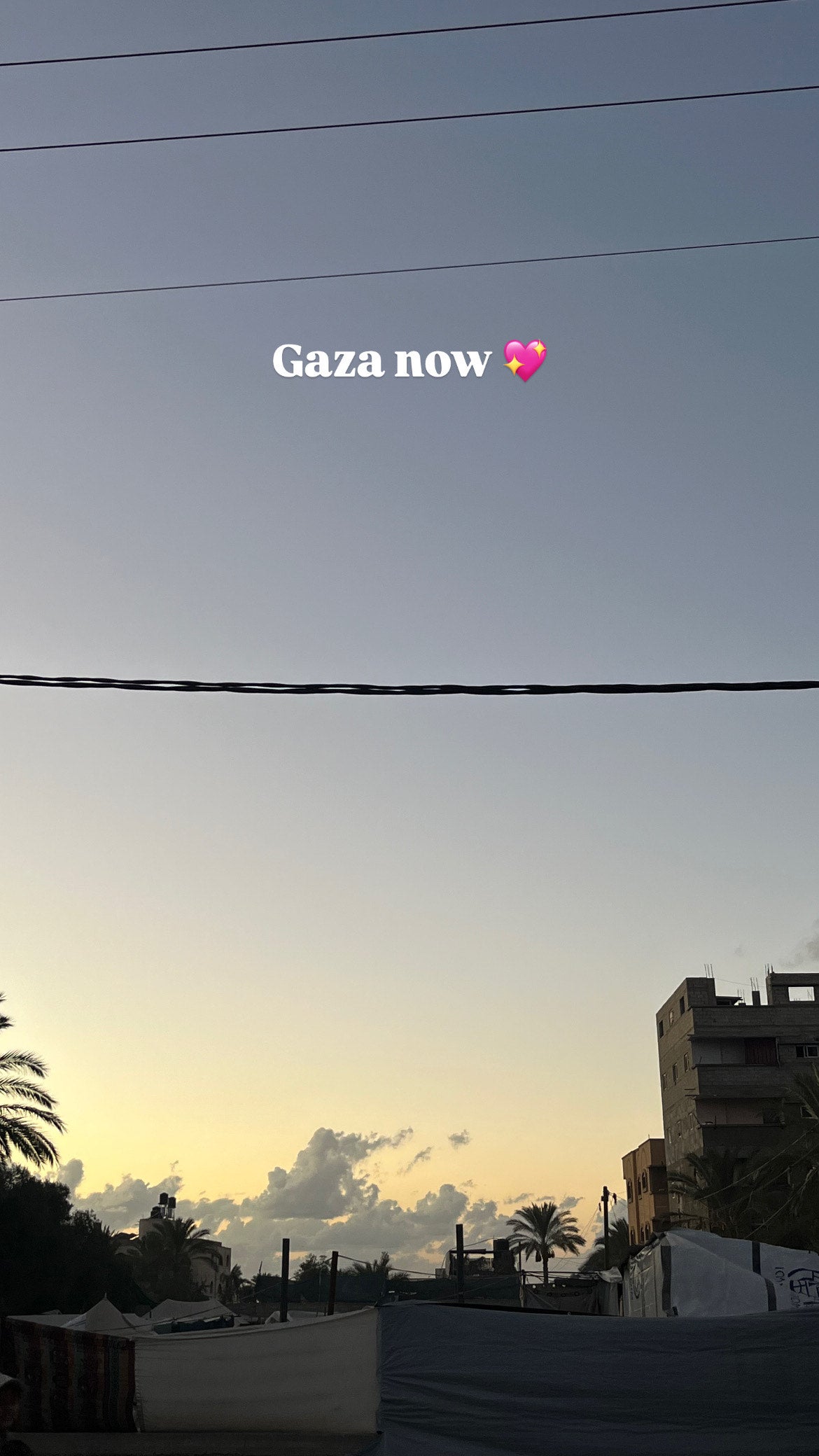
Inside each of us in Gaza, we carry a war, one without bombs. It is one we will fight alone, forever. The psychological toll of this war has reshaped everything – even how we dream. It has narrowed our focus to survival. We learned to think only of food, shelter, and staying alive. The war killed our very sense of joy.
Even now, after the ceasefire agreement, everything feels strange. Awkward. As if peace doesn’t fit us anymore. We can’t accept the sounds of nature. We flinch at silence. We had become used to the constant soundtrack of Israel’s drones buzzing overhead.
In the small hours last night, unable to sleep, I stepped outside our family’s refuge tent and sat quietly. My body still expects danger in every noise. When I realised that a startling sound was the waves of the Mediterranean Sea lapping on the shore, I felt a jolt of happiness for the first time in ages. I felt happy to hear nature again, and sad because I had forgotten what it felt like. I had missed this feeling of normalcy.
I am not the same person who entered this war, and the future still feels suspended in silence. But I survived. Maybe, for now, that is enough.
Sara Awad is an English literature student living in Gaza City
Join our commenting forum
Join thought-provoking conversations, follow other Independent readers and see their replies
Comments
Bookmark popover
Removed from bookmarks