Hong Kong’s devastating fire must spell the end of bamboo scaffolding
Experts say traditional materials allowed the fire to spread from one tower block to another, engulfing seven in total. There is now huge pressure on Hong Kong’s government to act, writes Asia editor Adam Withnall

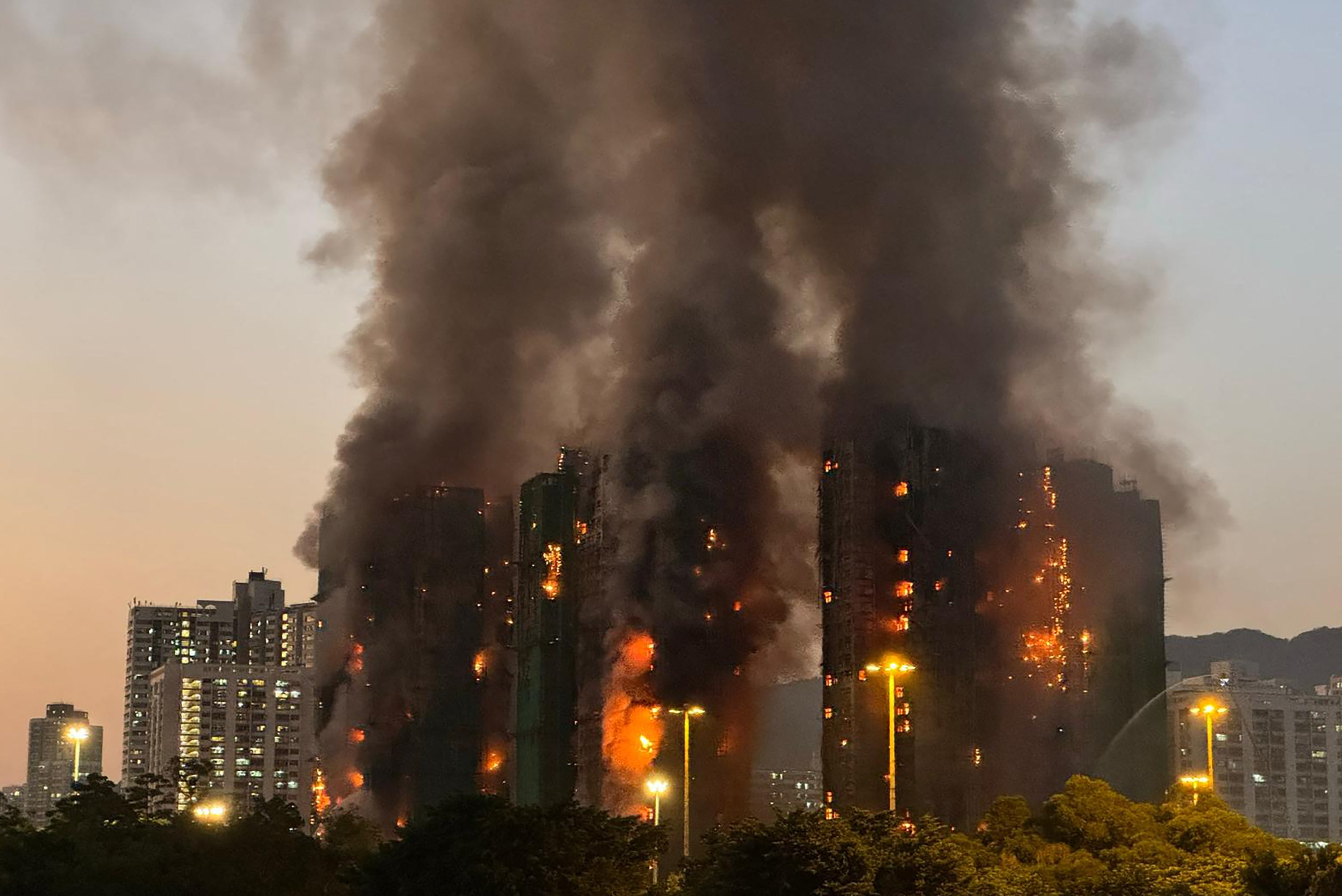
It is hard to imagine a world city that would be more devastated by a highrise inferno like the one that struck Hong Kong on Wednesday, with the fire still yet to be brought under control. The images of Wang Fuk Court’s eight residential blocks lit up like tinderboxes have been met with shock around the world, but have sent a particular chill through homes in the Asian financial powerhouse.
The fire strikes at the city’s core: Hong Kong is its skyscrapers, from the giant office tower blocks in central that bring in its fortune to the residential developments that cover every inch of buildable land in this compact metropolis.
Follow live updates from the Hong Kong fire here
Everyone I know in Hong Kong lives in a highrise building – the soaring cost of rent makes it impossible to do otherwise, unless you base yourself on a remote island. This morning, they are looking out of their own 30th-floor windows, wondering – could my home be next? And how would I escape from up here if it were?
At least 55 people have died so far, and more are feared trapped, with the authorities warning it could take the whole of Thursday to get the fire completely extinguished.
This is the first fire in 17 years to be declared a top-tier level 5 emergency by Hong Kong’s authorities, and it has triggered a massive emergency services response, drawing firefighters from all over the city. One of the first people confirmed killed was a firefighter, 37-year-old Ho Wai-ho, who is being hailed as a “gallant” and “dedicated” public servant.
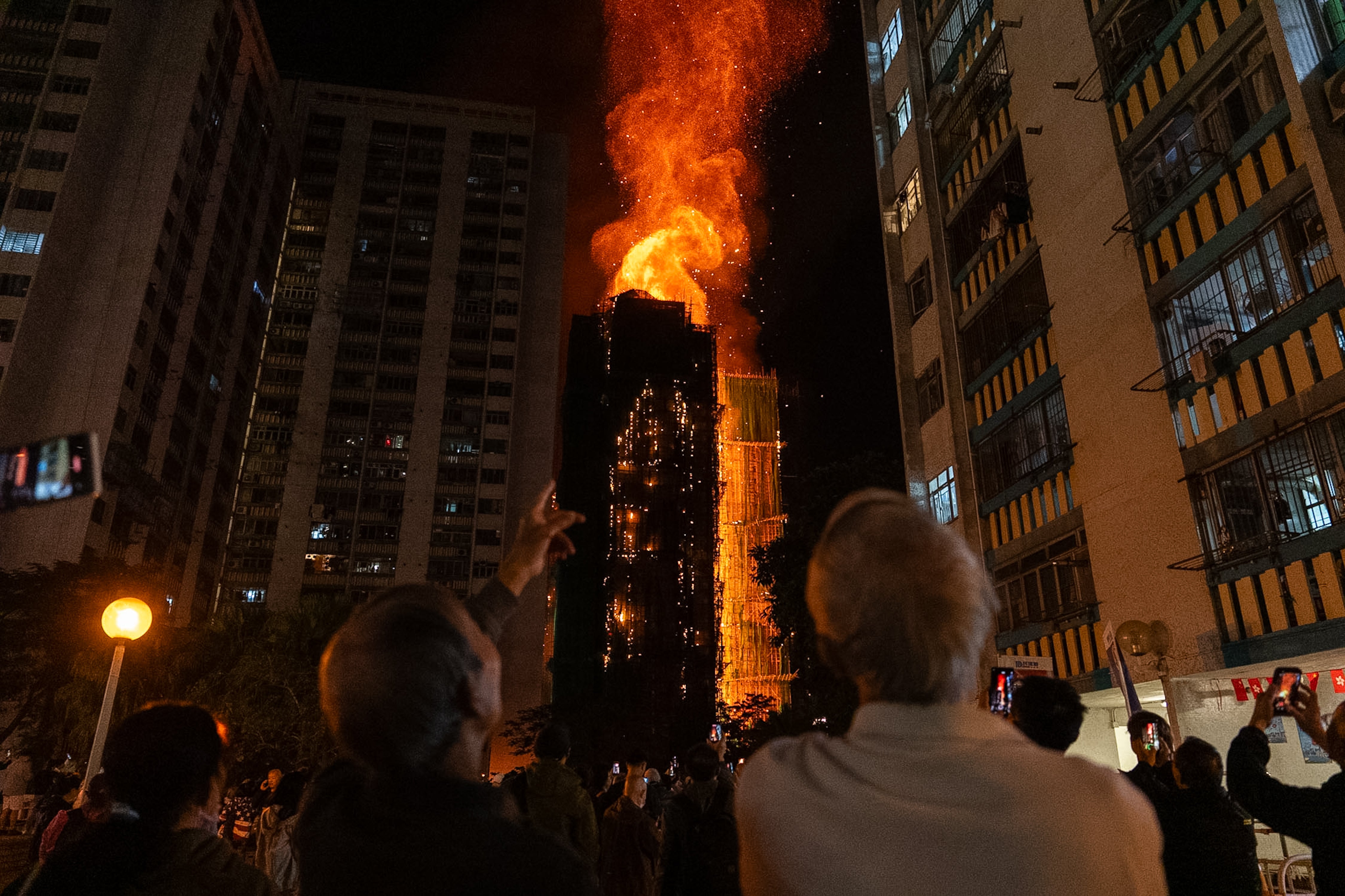
When such an incident takes place in a Hong Kong highrise, residents are told not to use the lifts and instead evacuate the building via the stairs. For those on higher floors, this is no mean feat, and it puts those who are elderly or have disabilities at greater risk.
Lo Hiu-fung, a Tai Po District Council member, said late on Wednesday that most of those trapped were believed to be elderly people. In short, the fire represents a failure in the city’s duty to protect the most vulnerable.
It needs to be stressed that Hong Kong is a modern city with generally very high safety standards – this is only the second level 5 incident since the city’s handover from Britain in 1997. The other was in 2008, when a fire broke out in a nightclub at Cornwall Court in the commercial district of Mong Kok. Four died in that blaze, including two firefighters.
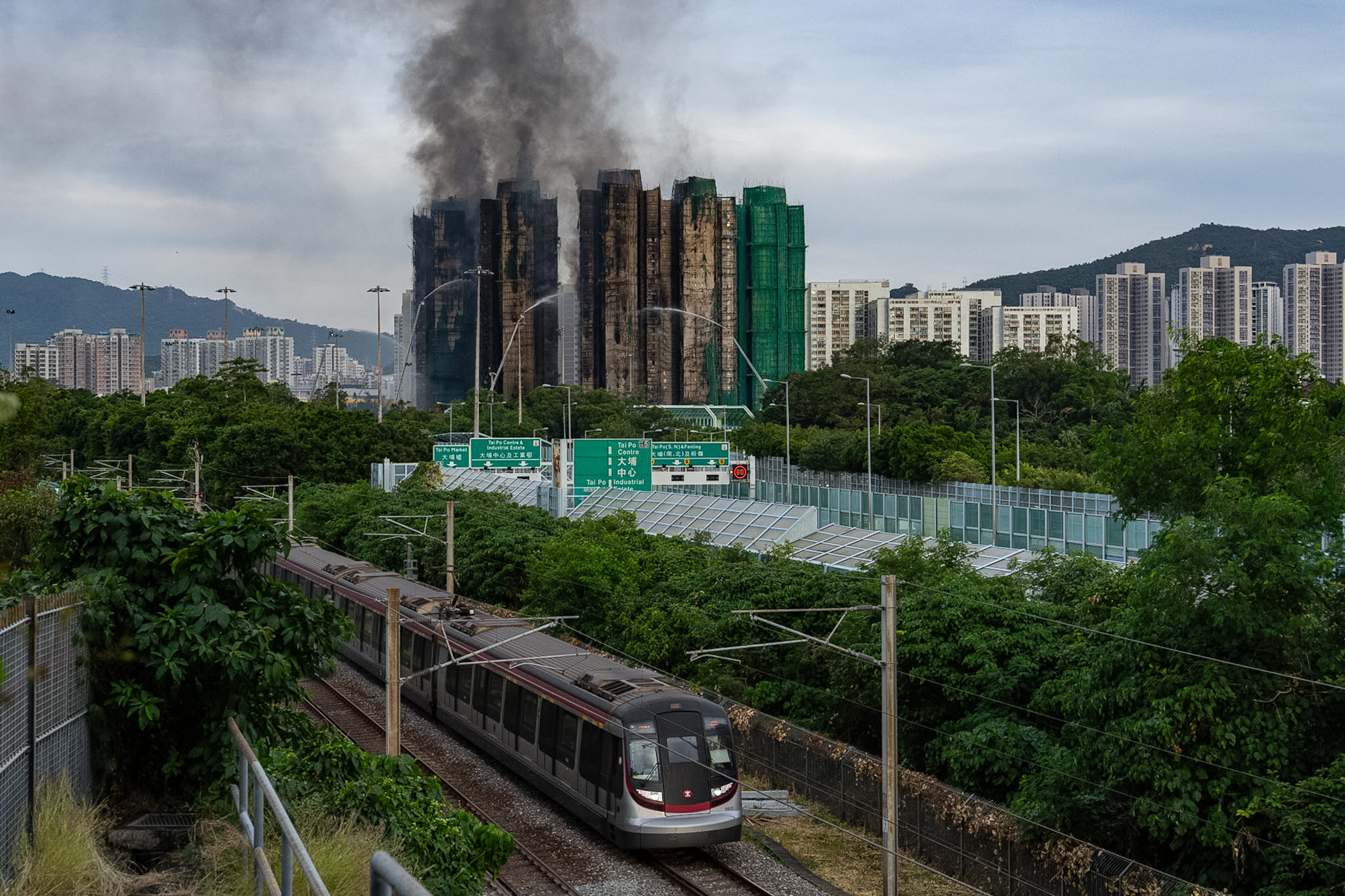
That also contributes to what makes Wednesday’s fire so shocking. Hong Kong is a safe place to live for families on almost all metrics – and that reputation is vital to the city’s financial wellbeing because it allows it to attract top workers from all over the world.
As a result, it takes disaster preparedness very seriously. It has invested huge amounts in typhoon protection, for instance, and has a clear and well-drilled early warning system for them.
We don’t yet know what caused the fire to break out early on Wednesday afternoon. The Wang Fuk Court complex was undergoing renovations across its eight 31-storey blocks at the time, and witnesses have described hearing a loud noise when the fire started at around 2.45pm.
But we do know that some of those blocks were clad in bamboo scaffolding, which experts have said appears to have contributed to the fire quickly spreading from one block to the next.
Hong Kong is the only major city in Asia to still use bamboo in this way – in other times, it comes across as a quirky throwback, a sustainable and natural solution to a very modern challenge. Workers can be seen hauling huge stacks of bamboo through the city’s streets, the trucks that move them around have iconic status – and the sight of them being installed at great heights is something to behold.
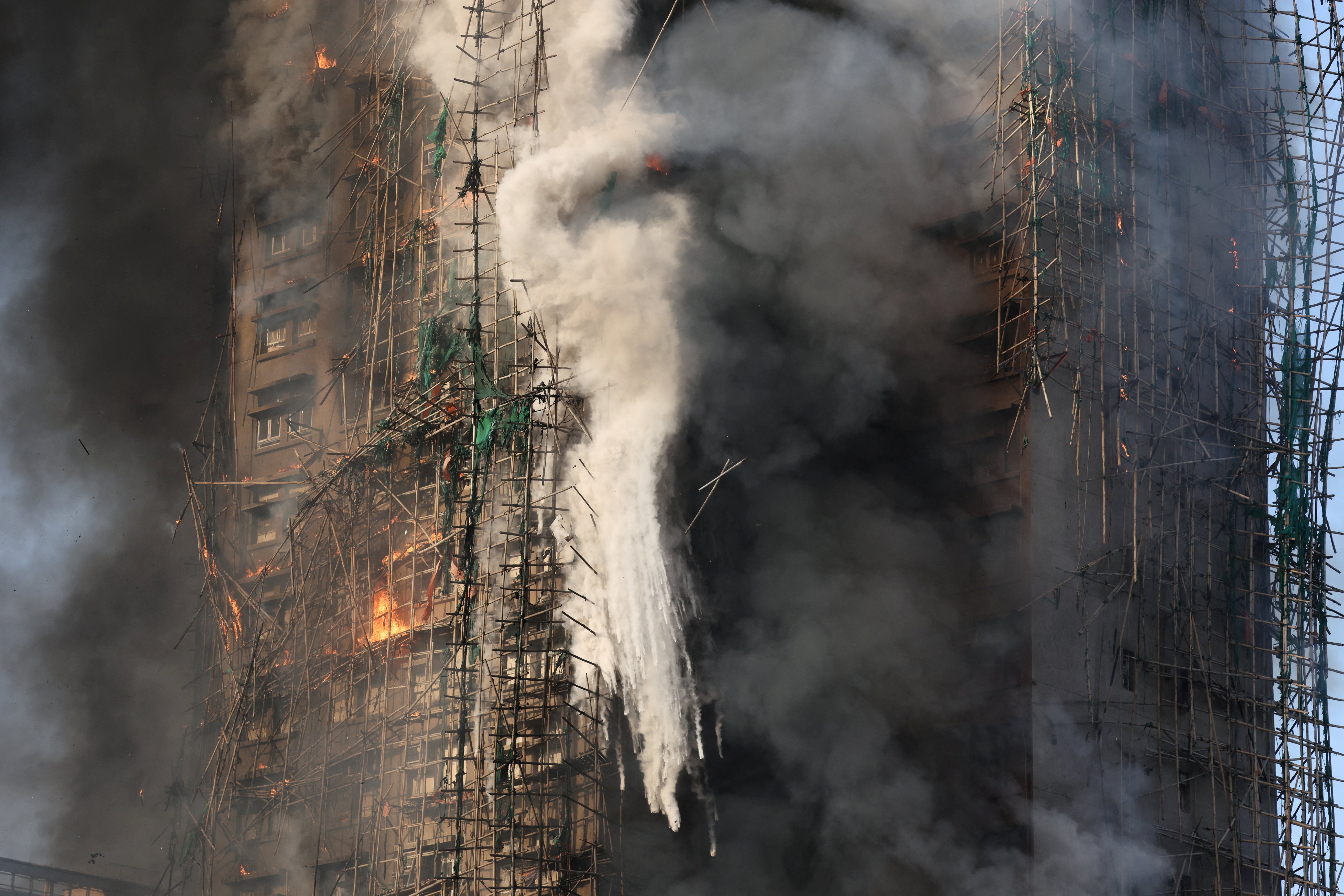
Historic buildings can spend years covered in scaffolding while works take place, with bamboo stretching down to street level, plywood platforms and white mesh or plastic netting to cover it all up. Residents waking up on Thursday will be looking at this combination in a new light on Thursday morning – as a disaster waiting to happen on their doorstep.
In truth, Hong Kong’s government was already looking at phasing out this use of bamboo. At least 23 people have died since 2018 in industrial accidents involving such scaffolding, according to official figures, and city official Terence Lam explicitly warned about the material’s “high combustibility” and “safety concerns” in a memo in March just this year.
The government has committed to switching to metal scaffolding for at least half of all new public construction projects, a move welcomed by an association for industrial accident victims.
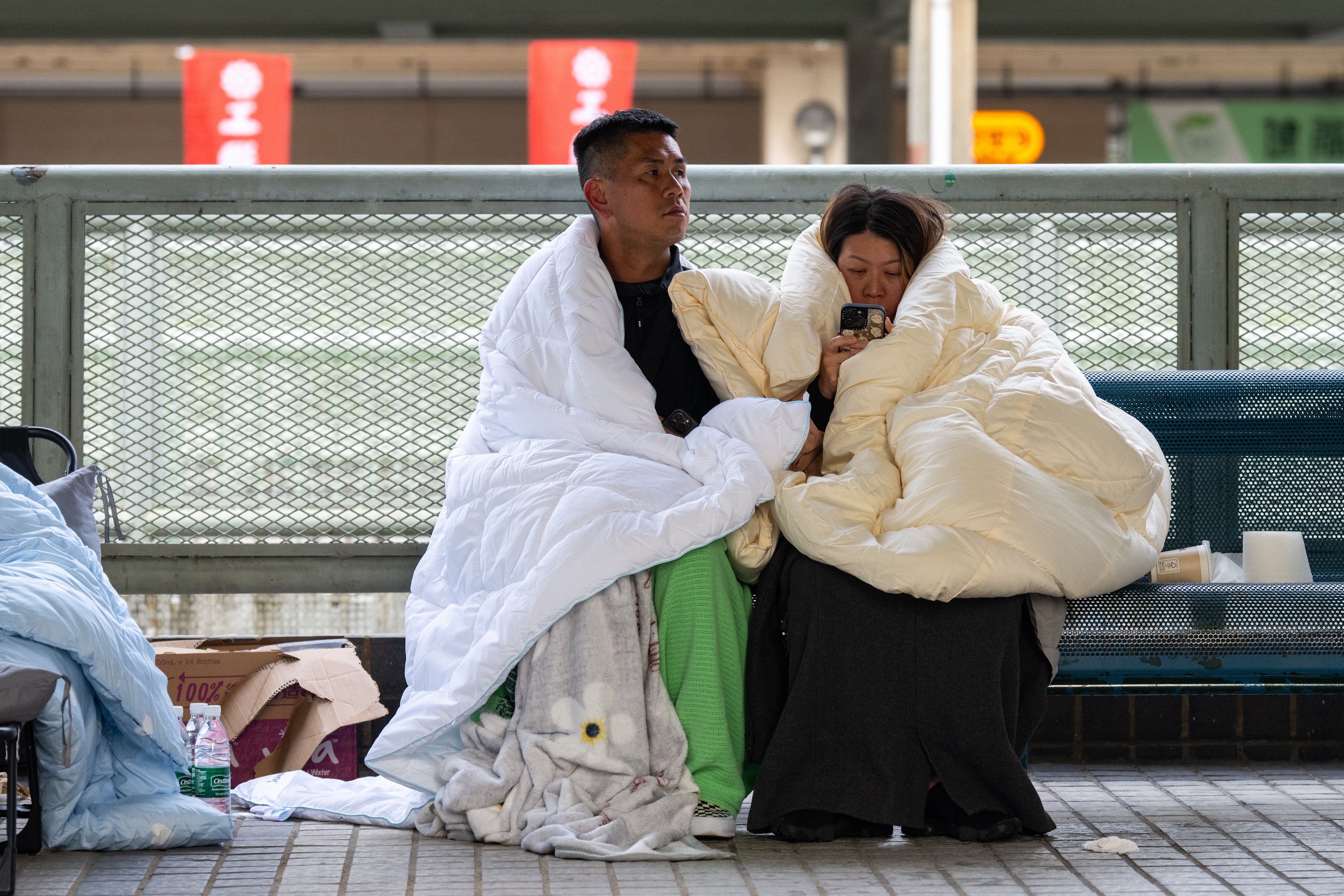
There will now be huge pressure on the local government to take quicker action to prevent a repeat of this fire. Chinese president Xi Jinping has already demanded an “all-out” effort to tackle the blaze and help those affected, and will be closely involved in the response going forward.
It may mean another element of Hong Kong’s unique character being chipped away, but for the sake of those who have to keep living alongside construction projects in the city, there can be only one outcome – the bamboo has to go.
Join our commenting forum
Join thought-provoking conversations, follow other Independent readers and see their replies
Comments
Bookmark popover
Removed from bookmarks